

Costa Rica Art Galleries and Museums: A Practical Visitor Guide
Costa Rica’s art scene is almost entirely state-run, and its three great museums share a peculiarity — the buildings were all something else first.
More reading from CRIE about Costa Rica and life abroad. For a focused starting point, explore our residency requirements and essential guides.
Start here: Residency requirements · Frequently asked questions · Ask CRIE
Costa Rica’s art scene is almost entirely state-run, and its three great museums share a peculiarity — the buildings were all something else first.
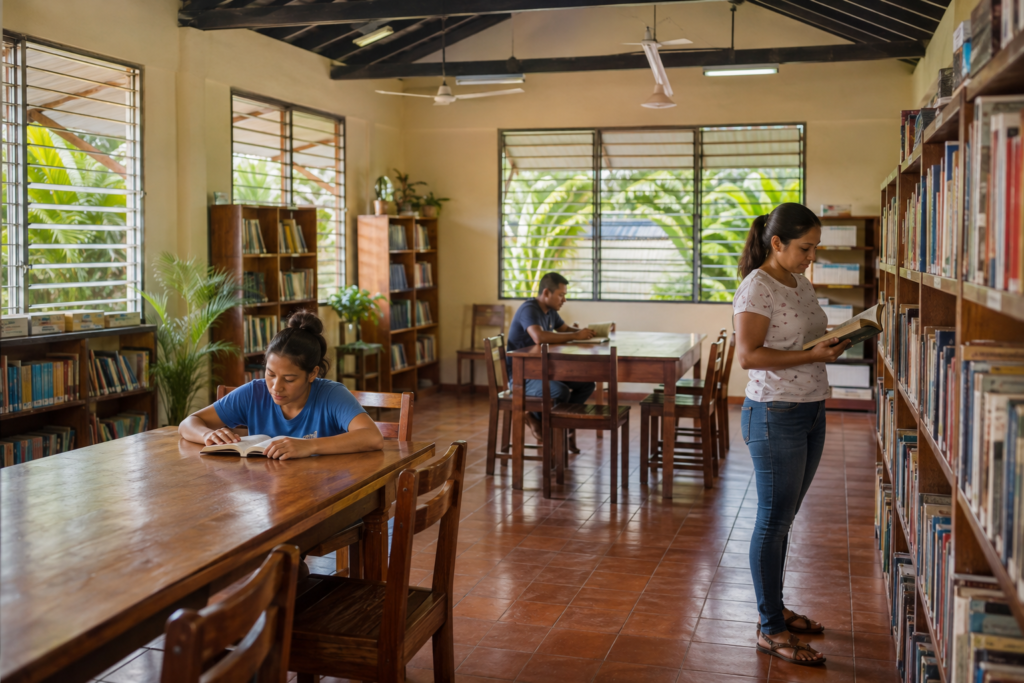
Costa Rica has sixty public libraries plus the National Library, run centrally by the Ministry of Culture rather than by town councils — and they are spread far more unevenly than you would guess.

Salsa is Cuban and bachata is Dominican. The dance that is actually Costa Rican is swing criollo — born in the banana zone, shunned for decades, and national heritage since 2012.
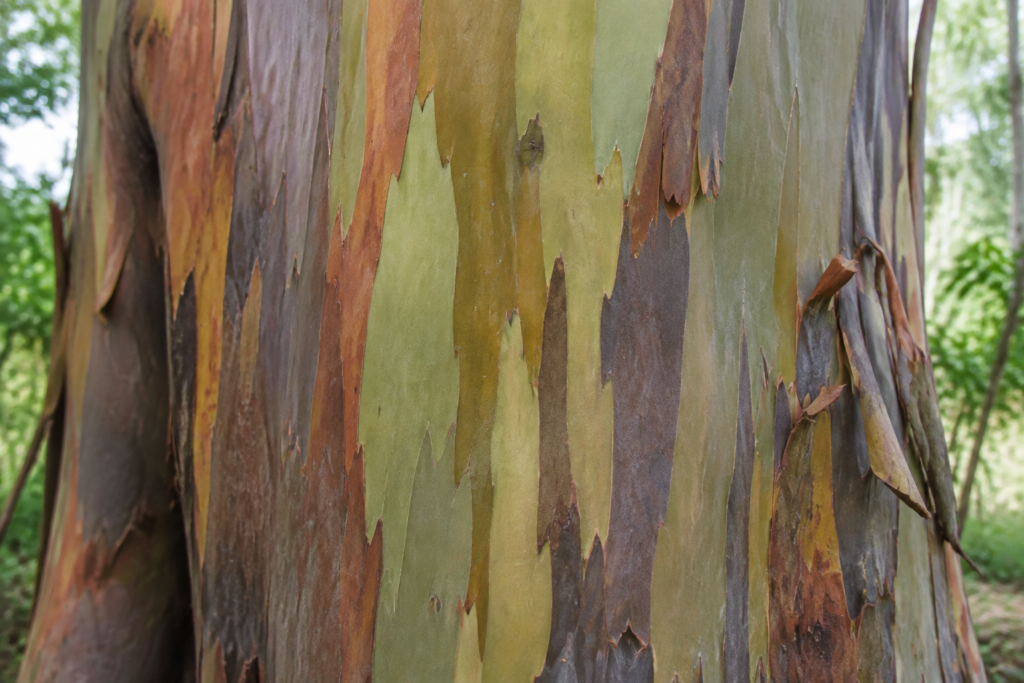
Rainbow eucalyptus grows very well in Costa Rica, but every one was planted. Here is how it arrived, why the bark is coloured, and the argument about whether it should be here at all.
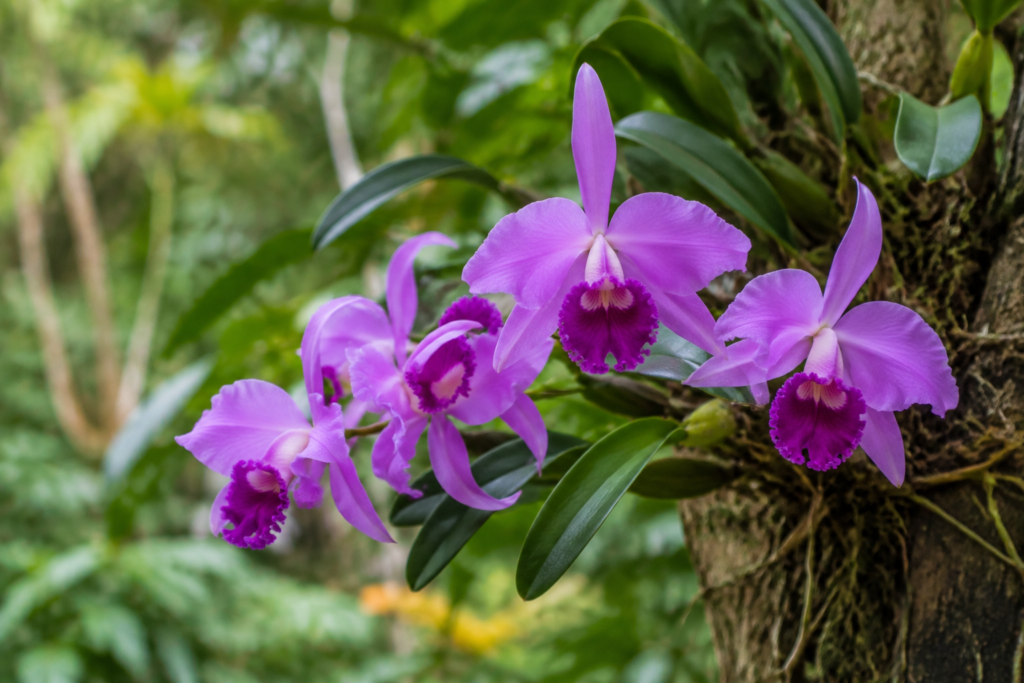
Costa Rica has 1,684 orchid species, a dry-forest tree whose whole population flowers nine days after a cold snap, and a white flower that Costa Ricans scramble with egg at Easter. Here is the real list.

Home education has no legal recognition in Costa Rica. The law requires enrolment in a teaching centre, and there is no ministry pathway for a child aged six to thirteen educated at home.

The bars are not a measure of danger. Residential burglary has fallen 34% since 2019 — the grilles exist so the windows can stay open all year.
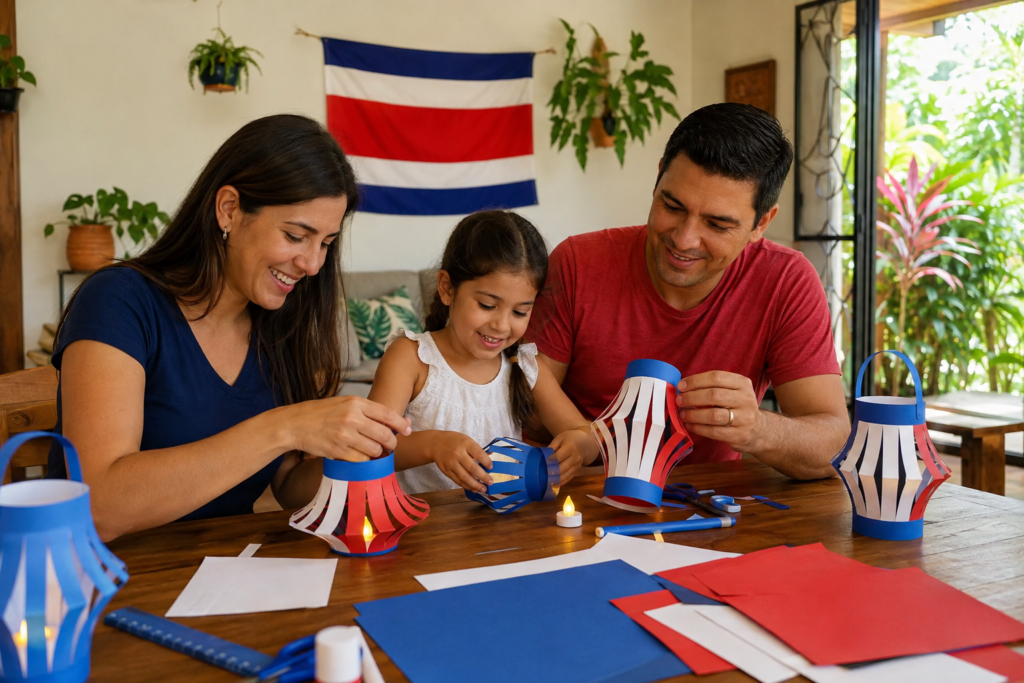
Costa Rica has twelve national holidays, nine with obligatory pay. The rule moving holidays to Mondays expired at the end of 2024 — most guides still get this wrong.

Selling sex by an adult is not a criminal offence in Costa Rica, but it is unregulated rather than legal — and the law on minors is severe, age-gap based and recently strengthened.
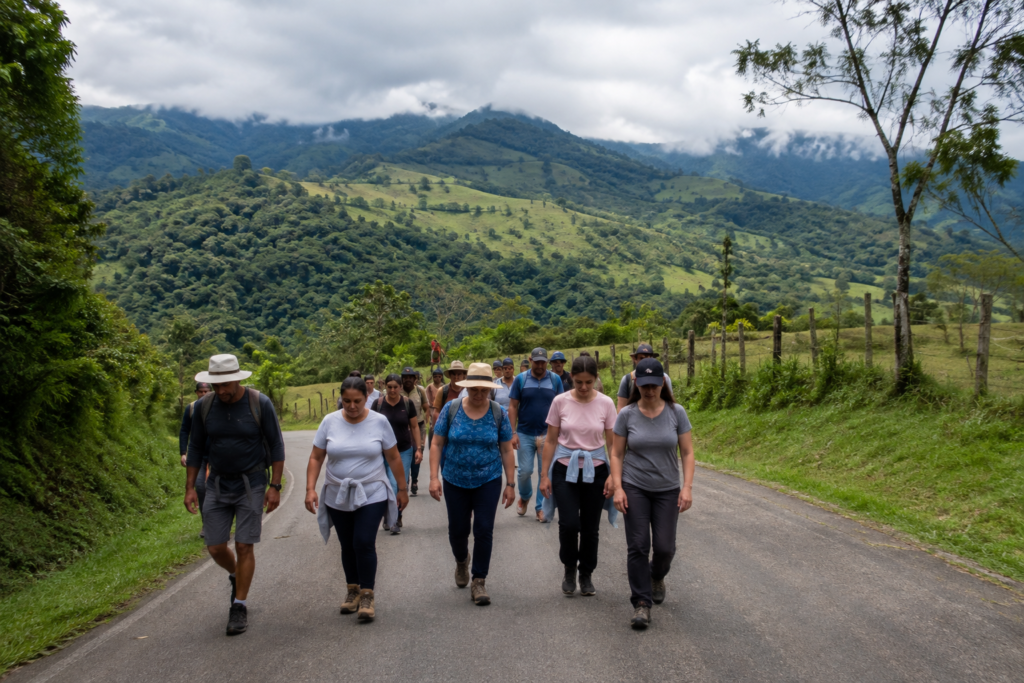
Every 2 August close to two million people walk to Cartago. What the day commemorates, how the pilgrimage works, and why it is a holiday where pay is not obligatory.