

Is Hunting Legal in Costa Rica? The Law, and What It Actually Bans
Costa Rica banned sport hunting in 2012 through the first citizen-initiated law in its history. Subsistence and control hunting remain lawful, and sport fishing is unaffected.
More reading from CRIE about Costa Rica and life abroad. For a focused starting point, explore our residency requirements and essential guides.
Start here: Residency requirements · Frequently asked questions · Ask CRIE
Costa Rica banned sport hunting in 2012 through the first citizen-initiated law in its history. Subsistence and control hunting remain lawful, and sport fishing is unaffected.

On 8 March 2005 three brothers attacked the Banco Nacional in Monteverde. Twenty-eight hours later nine people were dead, including a police officer killed in the assault the President authorised.

The Brothers took about US$405 million from more than 6,200 depositors before collapsing in 2002. What the courts found, which brother was convicted, and what depositors recovered.

Costa Rica homicides rose 60% in four years, then plateaued. But 74% are score-settling within criminal networks, and property crime has been flat. Here is where the risk actually sits.

Costa Rica records thousands of earthquakes a year and feels a few hundred. Why the country sits where it does, which quakes actually cause damage, and what fifty years of seismic building code has changed.

Costa Rica’s pensionado category requires a lifetime pension of at least US$1,000 a month. It does not require you to be retired, and it sets no minimum age — a disability pension can qualify.

Residency through marriage comes from Migración; citizenship comes from the TSE after two years married and two years in the country. The requirements are not the same.
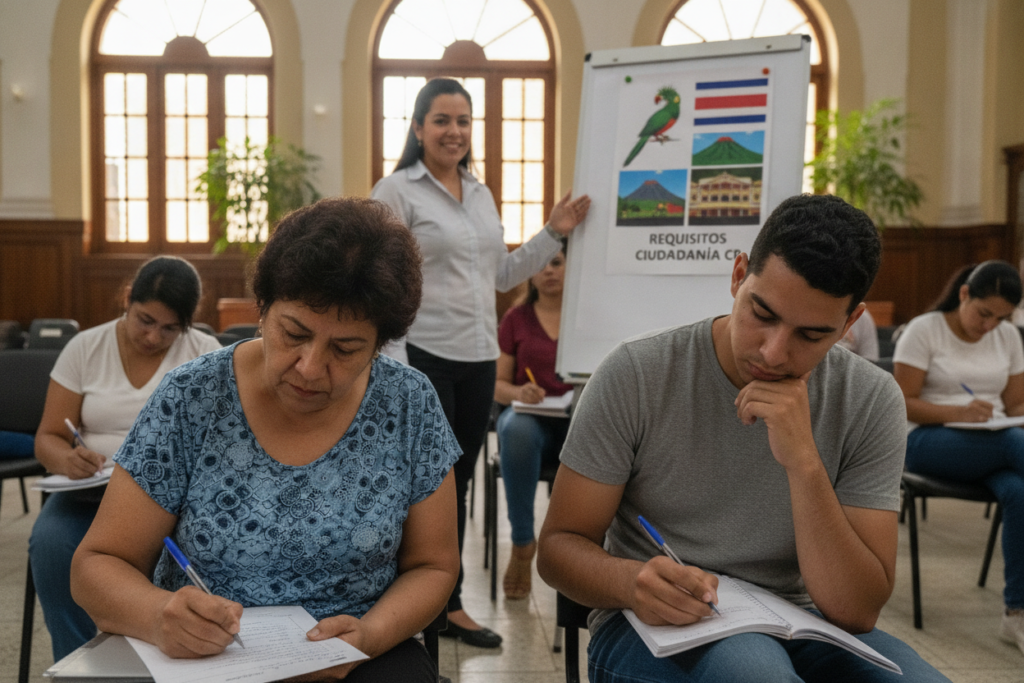
The Spanish and Estudios Sociales exams are run by the Ministry of Education, not the TSE — and older adults are exempt from the requirement entirely. What the TSE actually asks for.

Every foreign document needs an apostille or consular legalisation — and if it states no validity period, it must be under six months old when you present it. Articles 8 to 12 explained.
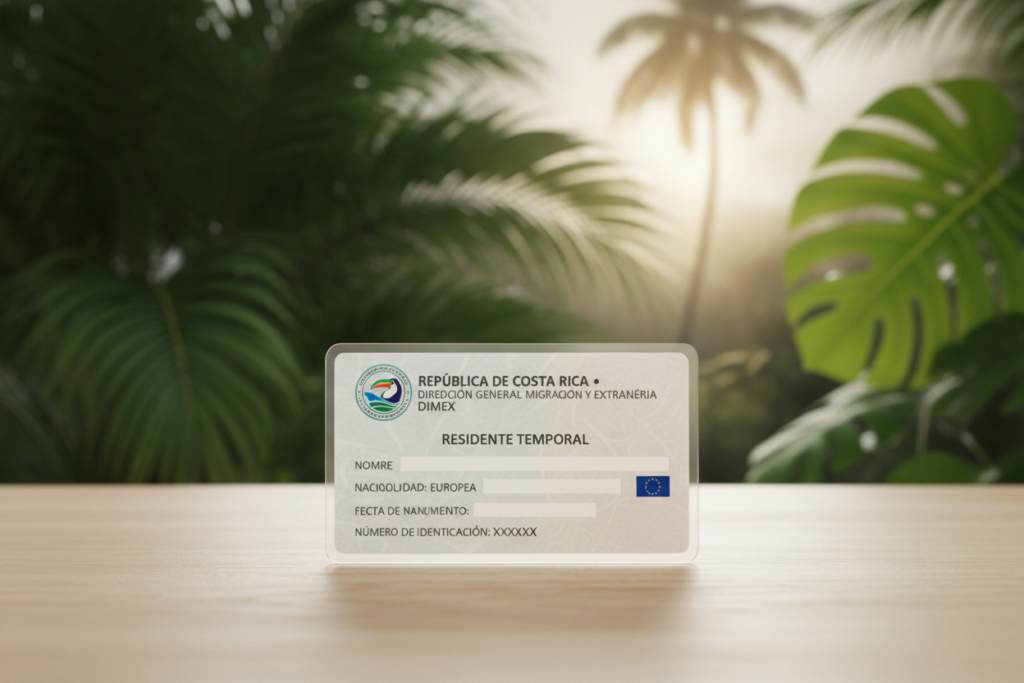
A cédula is the national ID for Costa Rican citizens, issued by the TSE. A DIMEX is the identity document for foreigners with an approved migratory category, issued by Migración. Here is what that means in practice.