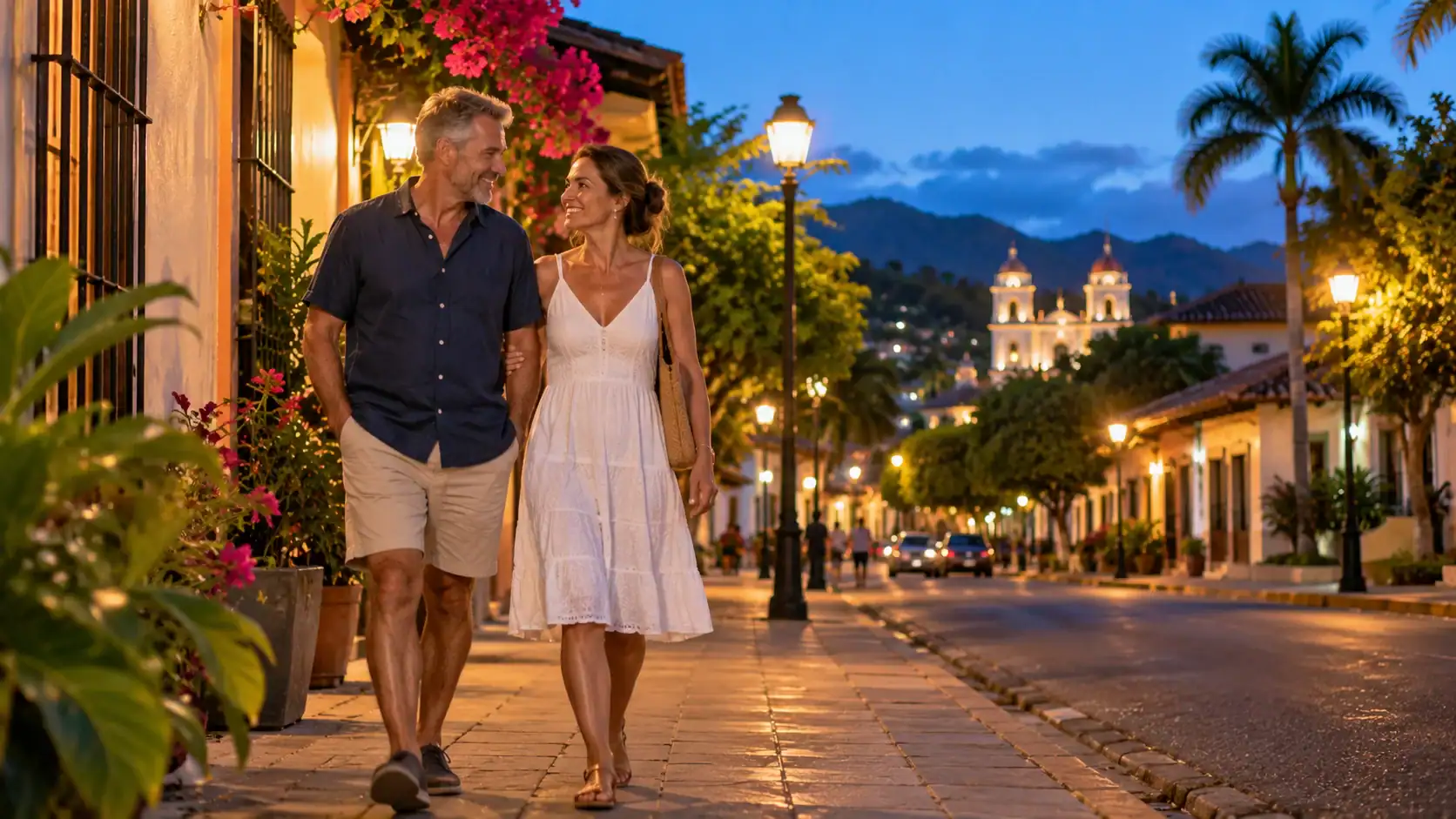
There is no blanket assurance that walking after dark is safe throughout Costa Rica. The route, lighting, activity around you and current local conditions matter. Plan how you will get home before going out, especially in an unfamiliar area.
What official travel advice says
The U.S. advisory issued April 2, 2026 advises increased caution because of crime. It notes that violent crime also affects tourists and recommends avoiding walking alone on poorly lit beaches or streets.
Canadian guidance advises avoiding isolated areas and walking alone at night. The UK guidance likewise warns against walking alone in remote or poorly lit areas after dark. Popular visitor destinations are not exempt from crime.
Why national crime figures do not answer the walking question
A national homicide total cannot tell you the risk on the route between a restaurant and your accommodation. Nor does a high share of gang-related violence establish that visitors face only theft. Those are different questions requiring different evidence.
Use current advice about the particular location, not a province-wide ranking or a claim that a neighbourhood is safe because foreign residents live there. A busy street can become quiet later in the evening, and the last part of a journey may be quite different from the restaurant area.
Plan your return before leaving
- Ask your accommodation about the specific route and current conditions.
- Check the walking distance, lighting and whether there is a usable sidewalk.
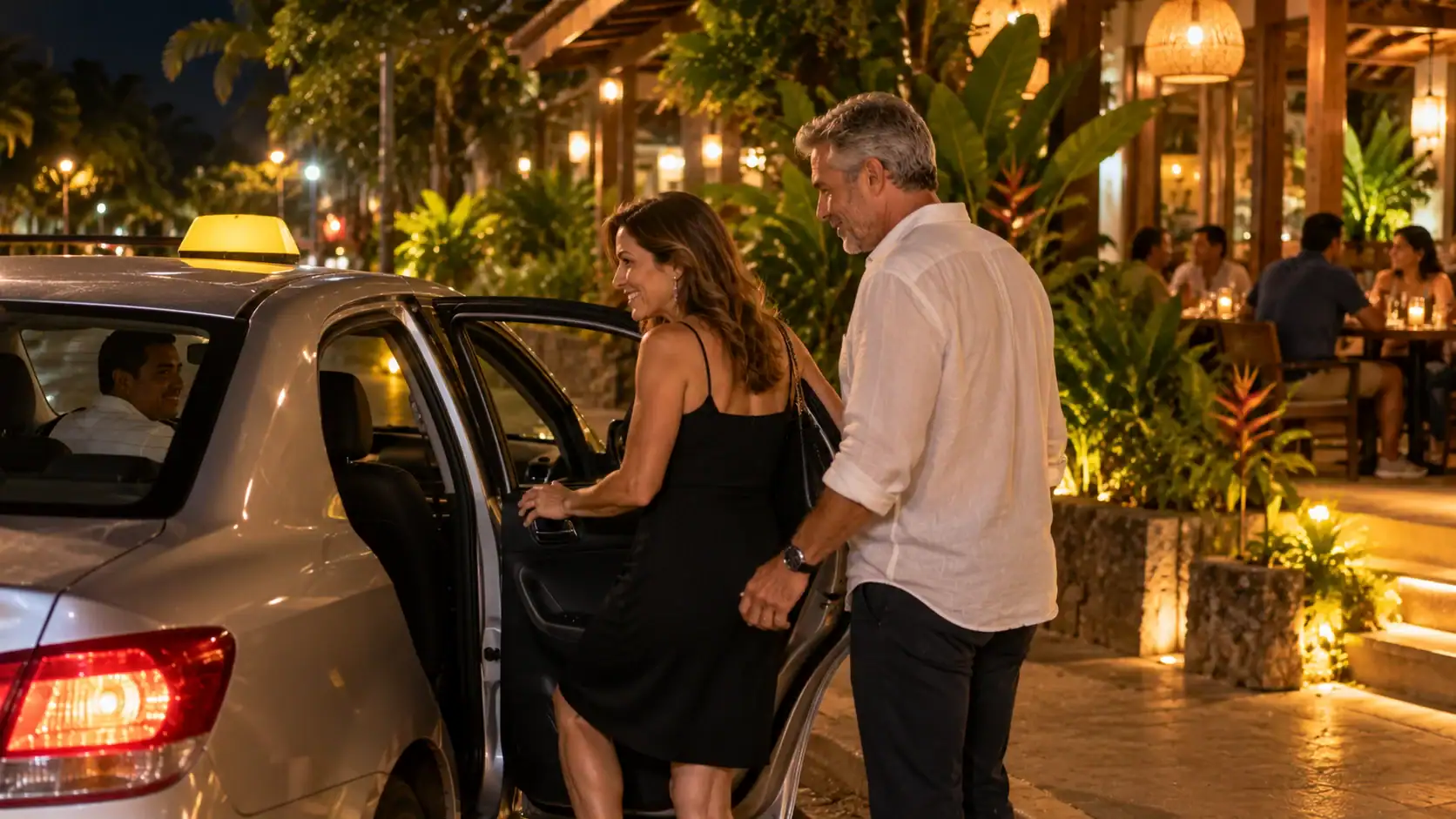
- Arrange transport when the route is unfamiliar, poorly lit or isolated.
- Keep your accommodation address and contact details available.
- Have a plan if your phone battery, mobile service or planned ride fails.
Waiting inside an open business while transport arrives avoids spending unnecessary time outside looking for a ride. Confirm the vehicle and driver before getting in.
Beaches, city streets and rural roads
A beach that is busy in daylight may be deserted after sunset. Avoid using an isolated beach as a shortcut. In town, consider the whole route, including terminal areas and streets after businesses close. On a rural road, darkness, traffic and lack of pedestrian space can matter as well as crime.
Going with someone does not make a poorly chosen route risk-free. If conditions are uncertain, choose another way back rather than relying on a generic description of the town.
Valuables, drinks and awareness
Keep unnecessary valuables at your accommodation and avoid displaying expensive jewellery or large amounts of cash. Canada’s advice emphasizes securing belongings and staying aware in crowded and tourist areas.
The UK warns about drink spiking and sexual assaults. Keep drinks attended and plan transport before drinking. None of these precautions transfers responsibility for a crime to its victim.
If a robbery or emergency occurs
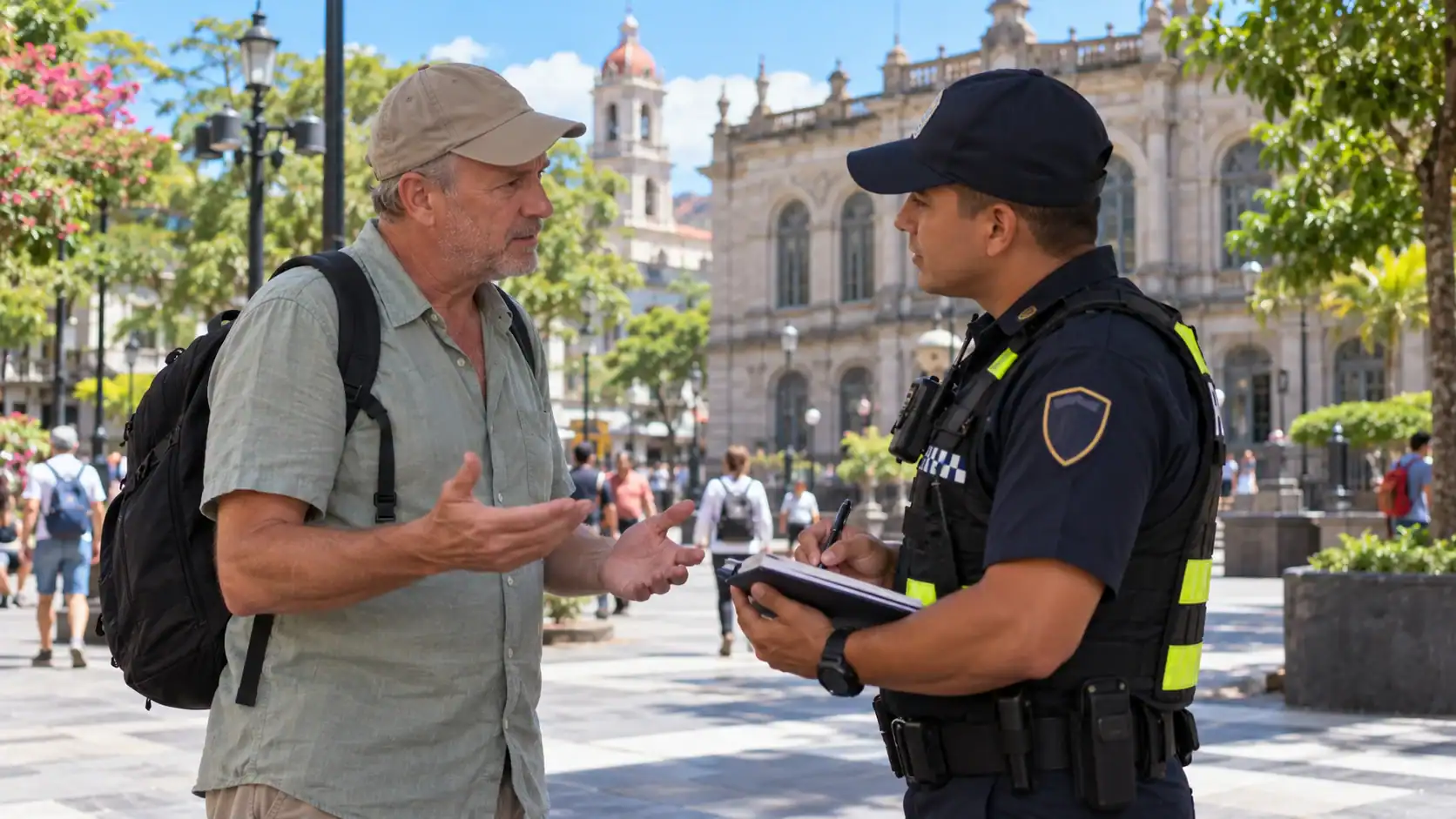
The U.S. and Canadian guidance advises against resisting a robbery. Prioritize personal safety over possessions. Once safe, seek assistance and report the incident.
Call 911 for an emergency in Costa Rica. For a criminal complaint, ask about the nearest OIJ office. Your accommodation or consulate can help you find the appropriate contact, but emergency assistance should come first.
Keep official travel advisories under review and reassess plans when local conditions change. Sensible transport choices can help you enjoy an evening out without treating any destination as automatically safe.
Reviewed September 6, 2026 against the official U.S., Canadian and UK travel guidance linked above.