
Sport hunting is prohibited in Costa Rica. The wildlife law separately recognizes limited control and subsistence activities, and research and traditional Indigenous practices have their own provisions. Those distinctions matter: a recreational hunting trip is not made lawful simply by calling it subsistence or population control.
The law, and how it was made
The governing statute is the Ley de Conservación de la Vida Silvestre, Ley Nº 7317 of 1992, as reformed by Ley Nº 9106, dated December 20, 2012, and published on April 24, 2013.
What makes 9106 remarkable is not its content but its origin. It was the first law in Costa Rican history to be enacted through the popular initiative mechanism — the route created in 2006, which allows citizens to put a bill directly before the Legislative Assembly if they gather signatures from at least 5% of the electoral roll.
A conservation association, APREFLOFAS, gathered them. Accounts of the total vary, but it was well over 130,000 signatures. The Assembly passed it comfortably.
So this is a law Costa Ricans asked for directly, rather than one a government decided on. That is worth knowing about a country whose environmental reputation is often assumed to be a marketing position.
Article 14 of the reformed law is blunt: la caza deportiva queda totalmente prohibida — sport hunting is totally prohibited. Trophy hunting, recreational hunting, hunting as a holiday activity: all of it is out.
Limited exceptions and authorization requirements
The law permits two kinds of hunting and sits outside a third category altogether. Each is much narrower than it sounds.
Subsistence hunting. Taking an animal for personal or family consumption, not for sale. It is not permitted inside protected wild areas and not permitted for threatened species. This is a provision for genuine subsistence, not a label you can attach to a weekend.
Control hunting. Permitted only where a technical or scientific study establishes that a population is over-dense, invasive or causing harm. That is the route that exists for animals damaging crops — and it rests on a study and a permit, not on a landowner’s judgement.
Indigenous traditional practice. The law states in its first article that it does not apply to the traditional, non-commercial practices, uses and customs of indigenous peoples. Costa Rica’s indigenous population is a very small share of the country, so while this exception matters enormously to the communities it protects, it has almost no bearing on the general picture.
Scientific collection. Permitted under licence, with terms of up to a year for Costa Ricans and resident foreigners and six months for other foreigners.
For an activity outside recreational hunting, consult SINAC about the specific legal category and authorization. Nationality alone does not determine every exception, and ownership of land is not blanket permission to hunt wildlife.
The confusion that catches everyone: fishing
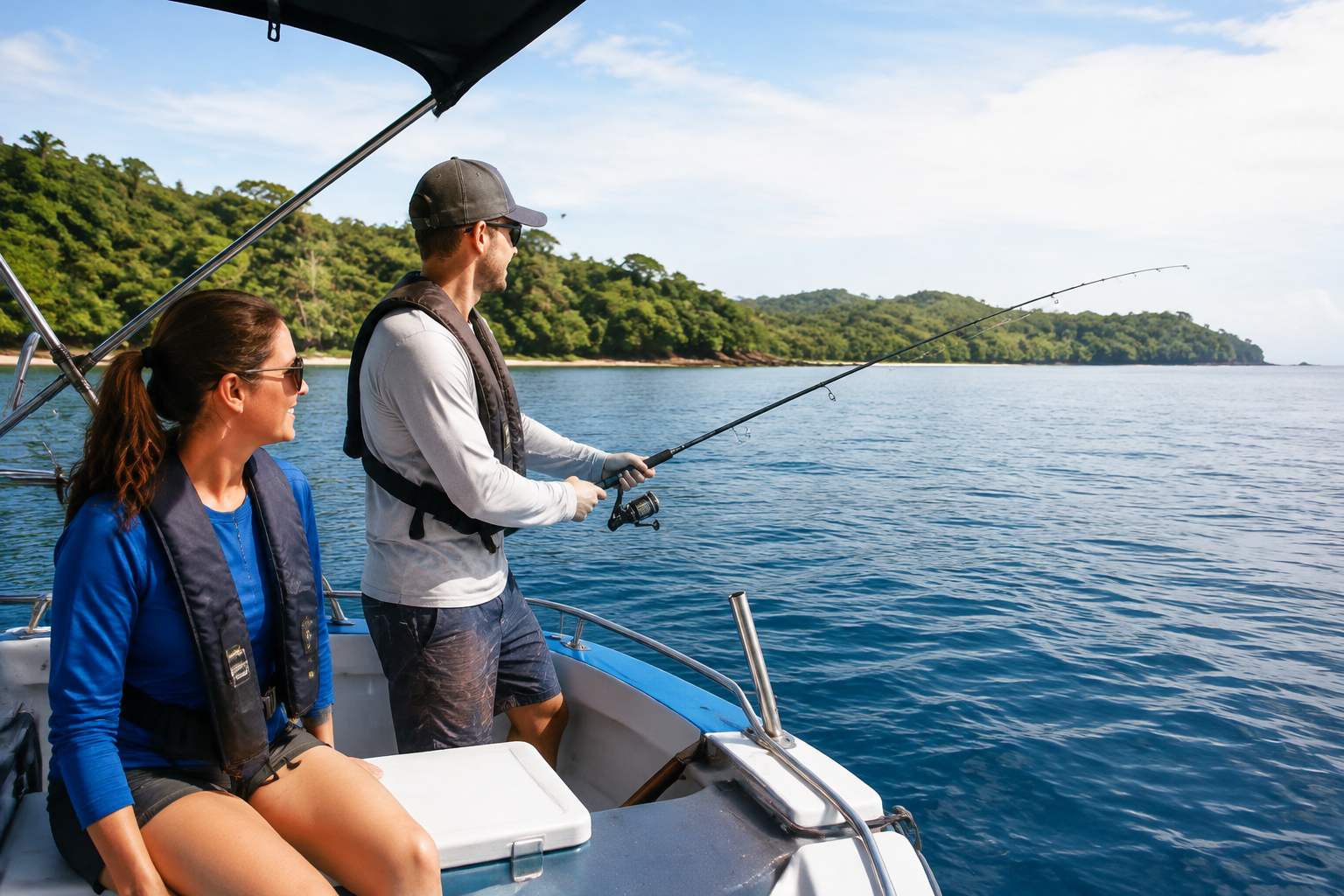
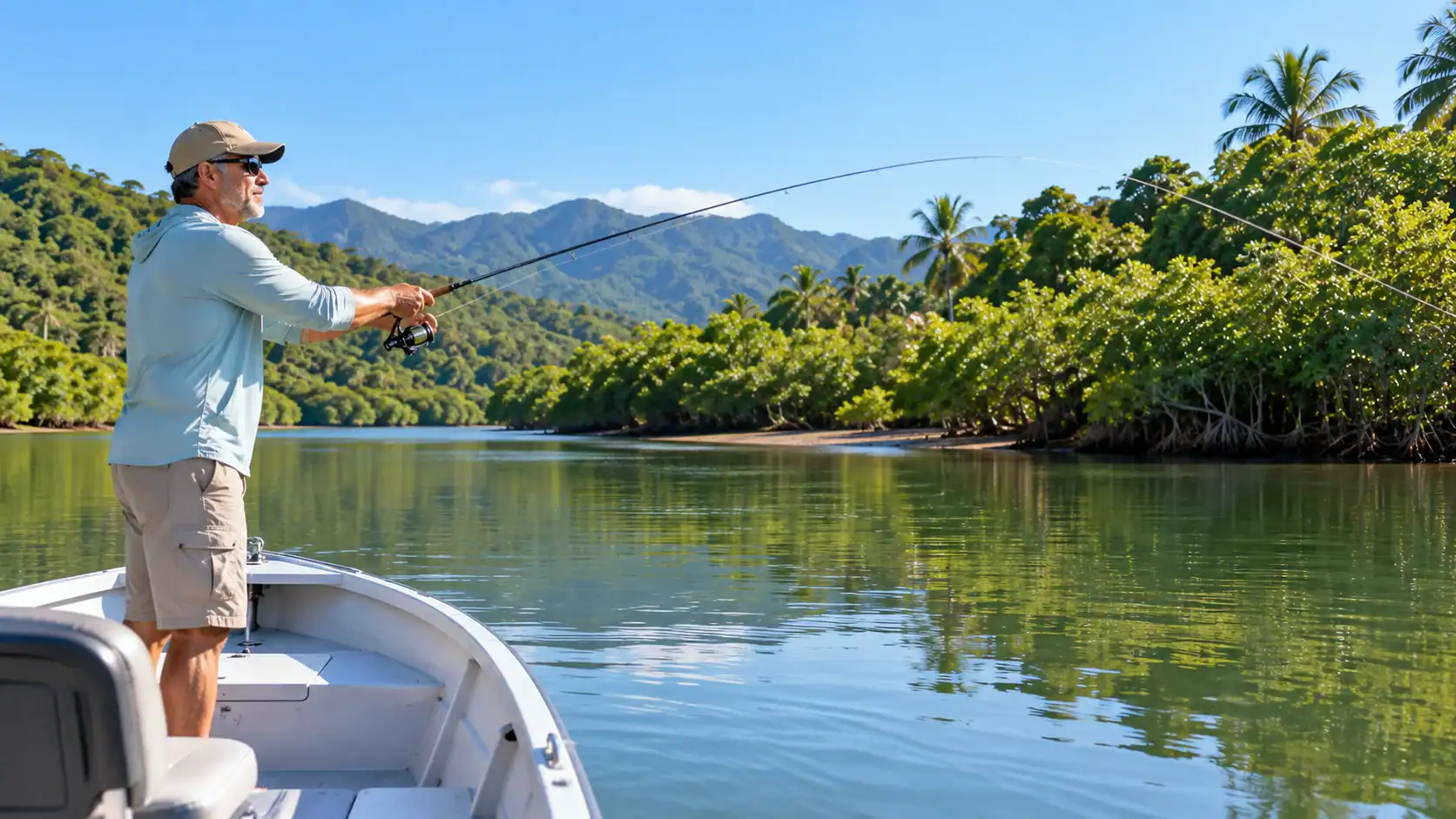
Sport fishing is regulated separately. Licensing, permitted methods, species restrictions and protected-area rules still apply. INCOPESCA provides the relevant licensing and sport-fishing procedures. Do not interpret the hunting/fishing distinction as permission to fish anywhere.
This is the single most common error in English-language writing about the subject. “Costa Rica banned sport hunting” becomes “Costa Rica banned hunting and fishing” within about two retellings. It did not.
The penalties
Penalties depend on the offence, species, location and authorization. The wildlife law includes fines expressed in salarios base, confiscation provisions and criminal penalties for specified conduct. A short list of fine amounts is not a complete statement of liability; consult the current applicable article before relying on a figure.
Who enforces it
Enforcement sits with SINAC, the national system of conservation areas within the environment ministry, whose wildlife inspectors, forestry inspectors and park rangers hold inspection powers under the law. Prosecutions run through the environmental prosecutor’s office.
Report suspected poaching or unlawful wildlife possession to the competent authorities. SINAC is the starting point for questions about wildlife authorizations.
What this means if you live here
- Do not plan recreational hunting. The sport-hunting ban applies even if a landowner offers access.
- Check fishing rules separately. Confirm the licence, location, species and method before fishing.
- An animal damaging your crops is a permit question, resting on a technical study — not a decision you make yourself.
- Do not assume wildlife can be bought or kept as pets. Species and authorization rules apply to possession and commerce as well as hunting.
- If you see poaching, it is reportable — the environmental prosecutor and SINAC both take complaints, through the appropriate official channels.
Making Costa Rica home?
The environmental law here is stricter than most arrivals expect, and it is enforced. It is part of why the country still has the wildlife people move here for.
CRIE — Costa Rica Immigration Experts handles residency applications, renewals, permanent residency and citizenship.
See the types of residency in Costa Rica, or get in touch.
Official references
Key distinctions checked September 6, 2026.
- SINAC: Wildlife Conservation Law 7317
- TSE journal: the popular-initiative law
- SINAC: wildlife management authorizations
- INCOPESCA: fishing law and protected areas
- INCOPESCA: current procedures
Thinking of moving to Costa Rica?
Get a free residency assessment. Tell Johanna, our immigration expert, about your situation, and she will tell you which residency fits you and what you need.
WhatsApp Johanna: +506 8373 2085Free assessment
Or email info@crie.cr