
Window grilles, often called rejas, are a familiar feature of Costa Rican homes. They provide a physical barrier at a window and may also be decorative. Their presence alone does not tell you whether a particular neighbourhood or property is safe.
When choosing a home, assess both security and escape routes. A barrier that helps prevent entry must not leave the household unable to get out during an emergency.
Why put bars on a window?
A grille adds a barrier at an opening. It can also allow the window behind it to be opened for ventilation, depending on the design. Those are practical functions, but they do not establish why every owner installed one.
Avoid assuming that all Costa Rican homes leave windows open all night, or that grilles have nothing to do with crime. Climate, construction, household preferences and security concerns vary. Open windows can still expose belongings within reach, even behind bars.
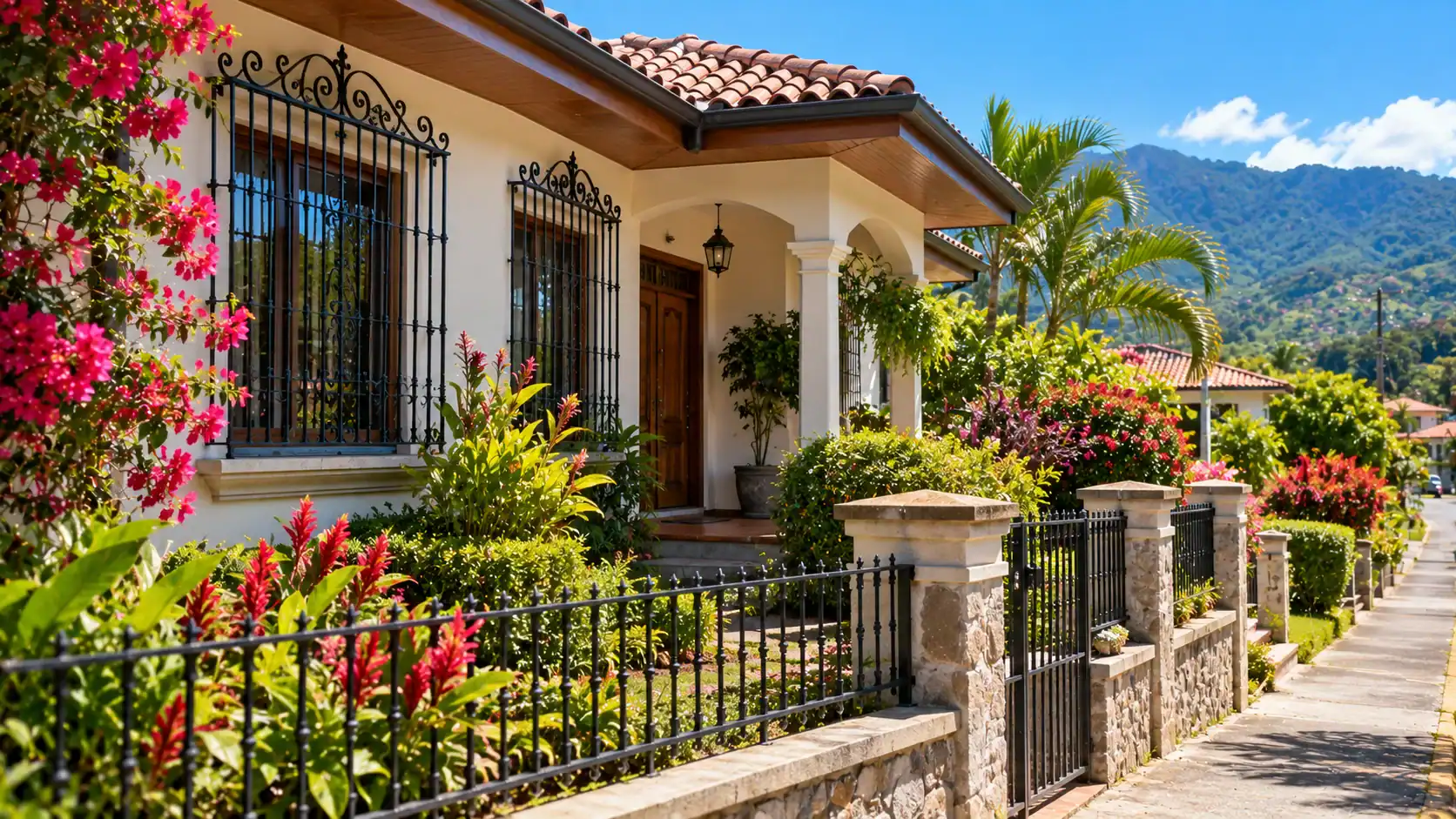
Bars are only one part of home security
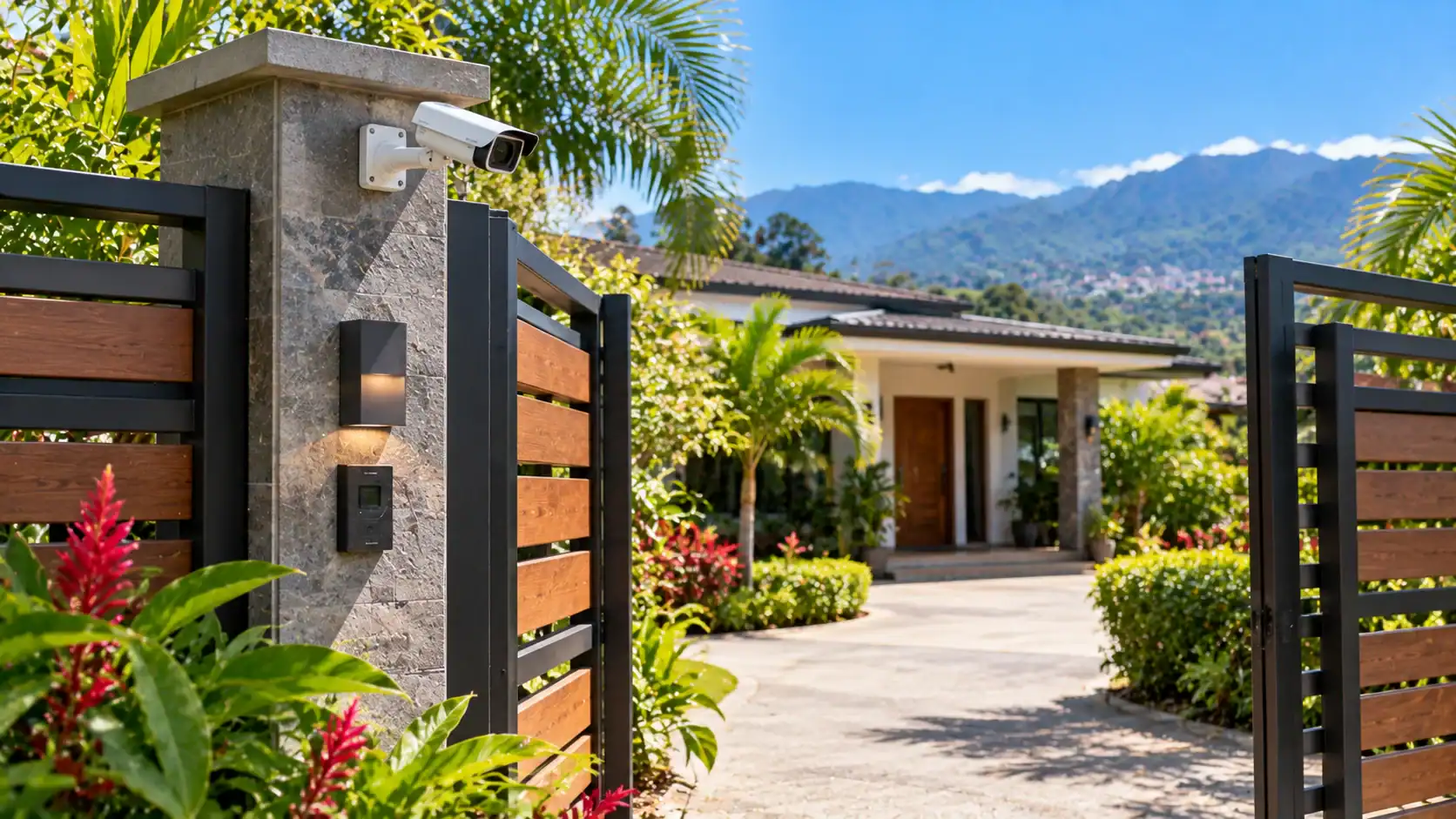
The Ministry of Public Security’s home-protection advice recommends assessing the home and its surroundings for vulnerabilities. Look at doors, locks, accessible windows, lighting and visibility as a whole.
No single measure guarantees protection. Decorative metalwork, damaged fixings or a poorly maintained lock may not perform as expected. Have a qualified professional assess hardware and installation rather than judging strength from appearance.
Current Canadian travel guidance notes that residential break-ins occur and can affect foreign-owned or rental accommodation. It recommends secure accommodation and locking doors and windows. That is more useful than assuming that all residential crime is harmless or non-confrontational.
Keep emergency exits usable
Bomberos’ 2024 prevention guide recommends a family escape plan with at least two means of exit and unobstructed routes. It includes grilles with an internal opening system among possible escape options and recommends replacing locks that require a key on the inside with locks that can be opened without one.
A fixed grille should not be counted as an exit. Have a competent installer assess an appropriate opening system and the route beyond it. A hinged grille is not useful if it is stuck, blocked or opens into an enclosed area with no onward escape.
Discuss the plan with everyone in the household, including how children, older adults and people with limited mobility would leave. Do not rely solely on remembering where a key is kept.
Questions to ask before renting or buying
- Which doors and windows can be used to escape, and where do they lead?
- Can the designated exits be opened from inside without a key?
- Are grilles, hinges, locks and fixings in good condition?
- Does lighting cover entrances and paths without creating hidden areas?
- Who is responsible for repairs and emergency-access improvements?
- What do local police and neighbours say about current conditions?
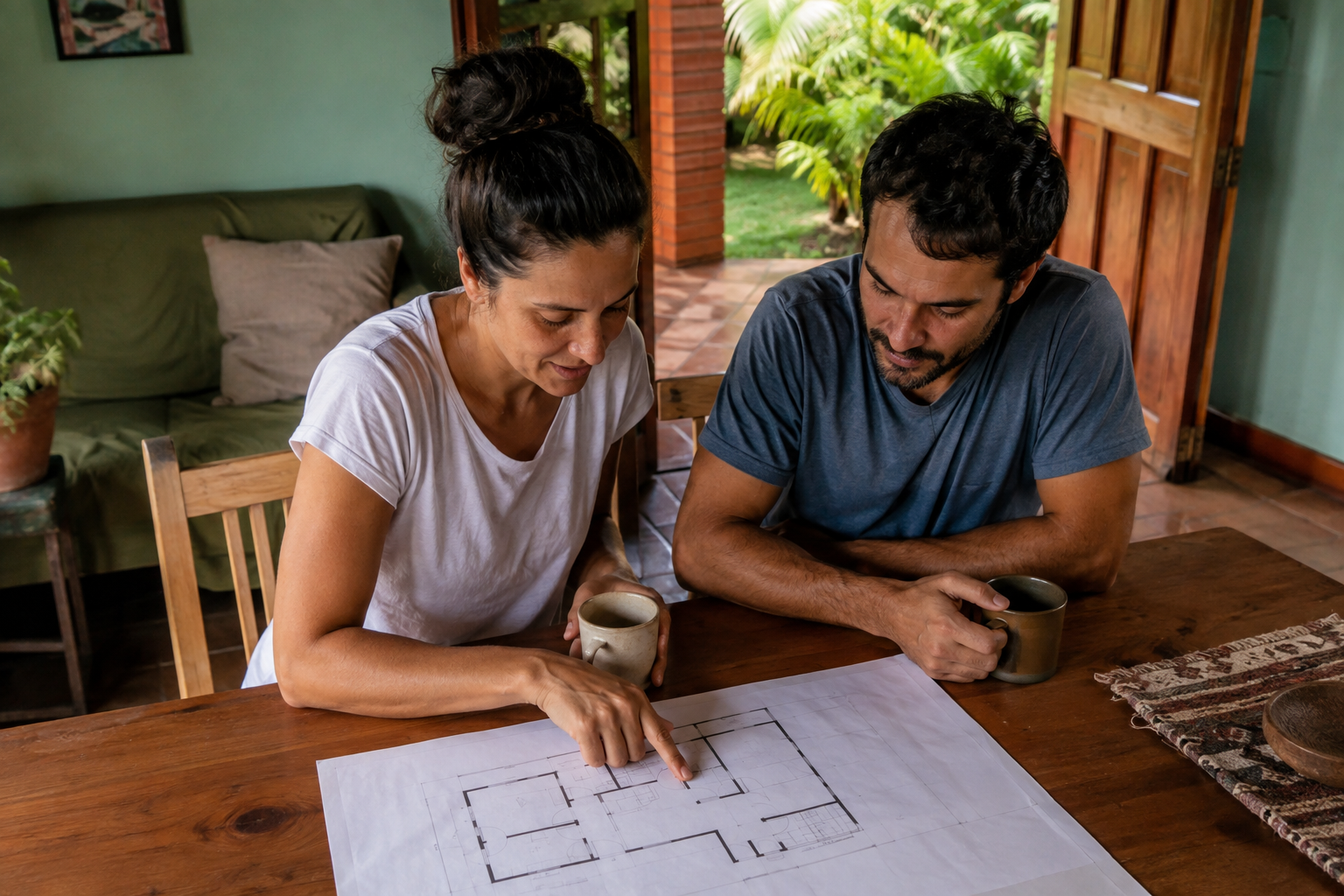
Ask the owner to demonstrate how each exit works. For a purchase, include these questions in a professional property inspection. For a rental, agree any necessary changes before relying on the property as your home.
Check insurance separately
Do not assume contents are covered because a building is insured. Ask the insurer or broker what is included, what security conditions apply and what documentation a theft claim requires. Broad comparisons with North American insurance habits do not establish your actual cover.
Window bars can be part of a practical home-security design. The useful question is whether the particular home combines suitable protection, maintenance and safe ways out.
Reviewed September 6, 2026. Fire-safety recommendations refer to Bomberos’ published 2024 prevention guide; property-specific assessment remains necessary.