
Public libraries in Costa Rica can help you find books, research local history, use information services and take part in community activities. Start with the library nearest your home, because collections, schedules and borrowing arrangements differ between branches.
The Sistema Nacional de Bibliotecas (SINABI) brings together the National Library and a network of public libraries. Its website also provides digital resources and a catalogue. Source review: September 7, 2026.
Find a public library near you
Use the official SINABI library directory to locate a branch and its contact details. Check the municipality’s website as well when researching a municipal library.
Before making a special journey, confirm opening hours, holiday closures and whether the service you need is available that day. A branch may offer a different selection of activities or equipment from another library, even within the same province.
Borrowing books and using the reading room
SINABI describes its circulation and lending services online. Consulting a book in the building and taking it home are different arrangements. Ask the librarian which materials can leave the premises and which must remain available for on-site consultation.
The public-library service regulation ties home borrowing to a current library card and the requirements established by the library. Confirm the identification and registration documents needed, the loan period, renewal arrangements and return rules. Do not assume a passport or a card from another branch automatically gives borrowing rights.
Computers, reference help and digital resources
Ask about computer access, available software, printing and any booking or time limits. If you need a quiet place for a video call, check first; a reading room may not permit conversations or provide a private workspace.
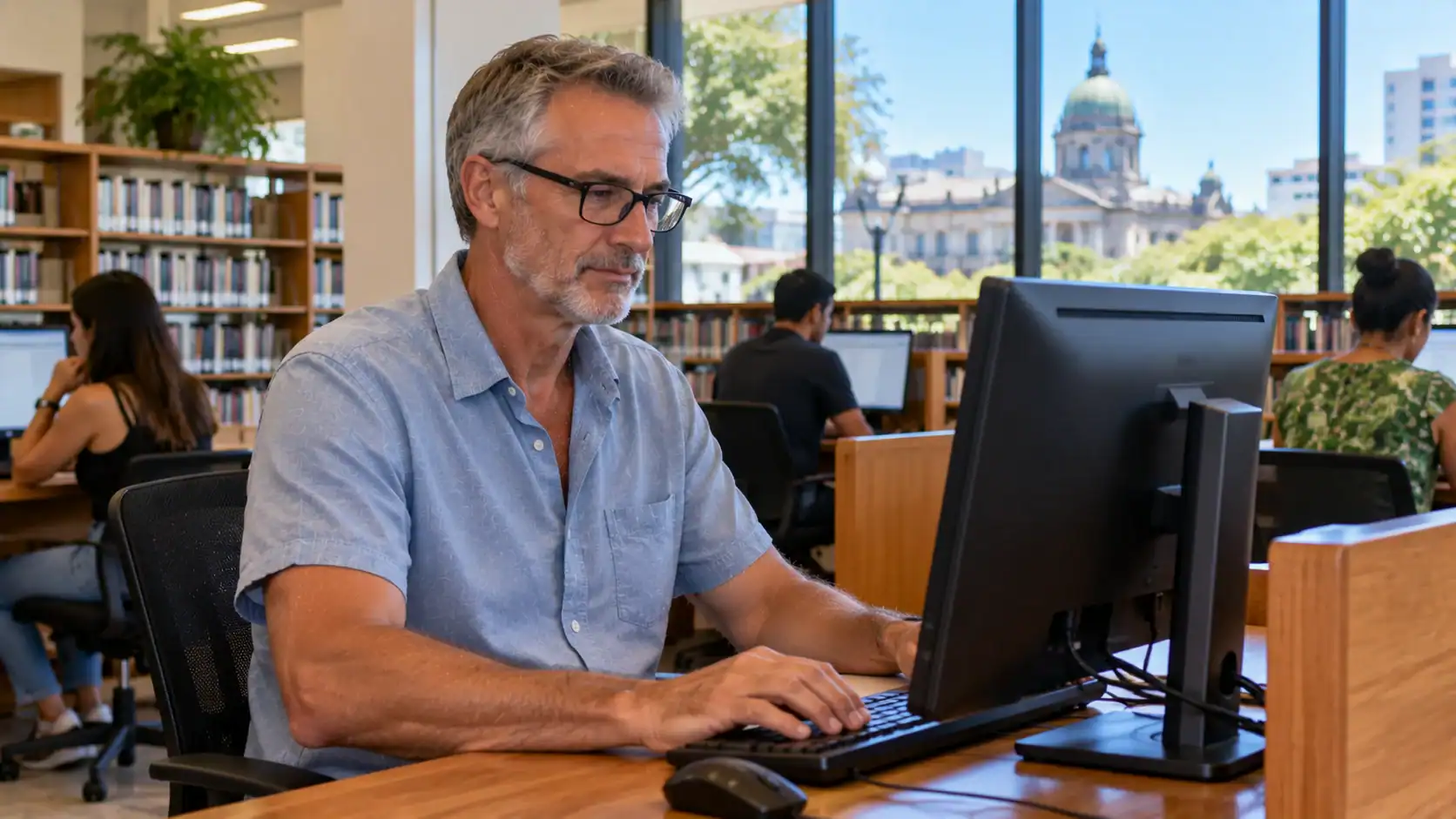
You can also explore the SINABI portal from home. Its digital resources include books, newspapers, photographs, maps and audio. The digital-library guides explain how to use its different sections.
For a specific research question, give the librarian a subject, date range or author. When using historical newspapers, remember that an old report records what was published at the time; it is not automatically a current legal or practical guide.
What about books in English?
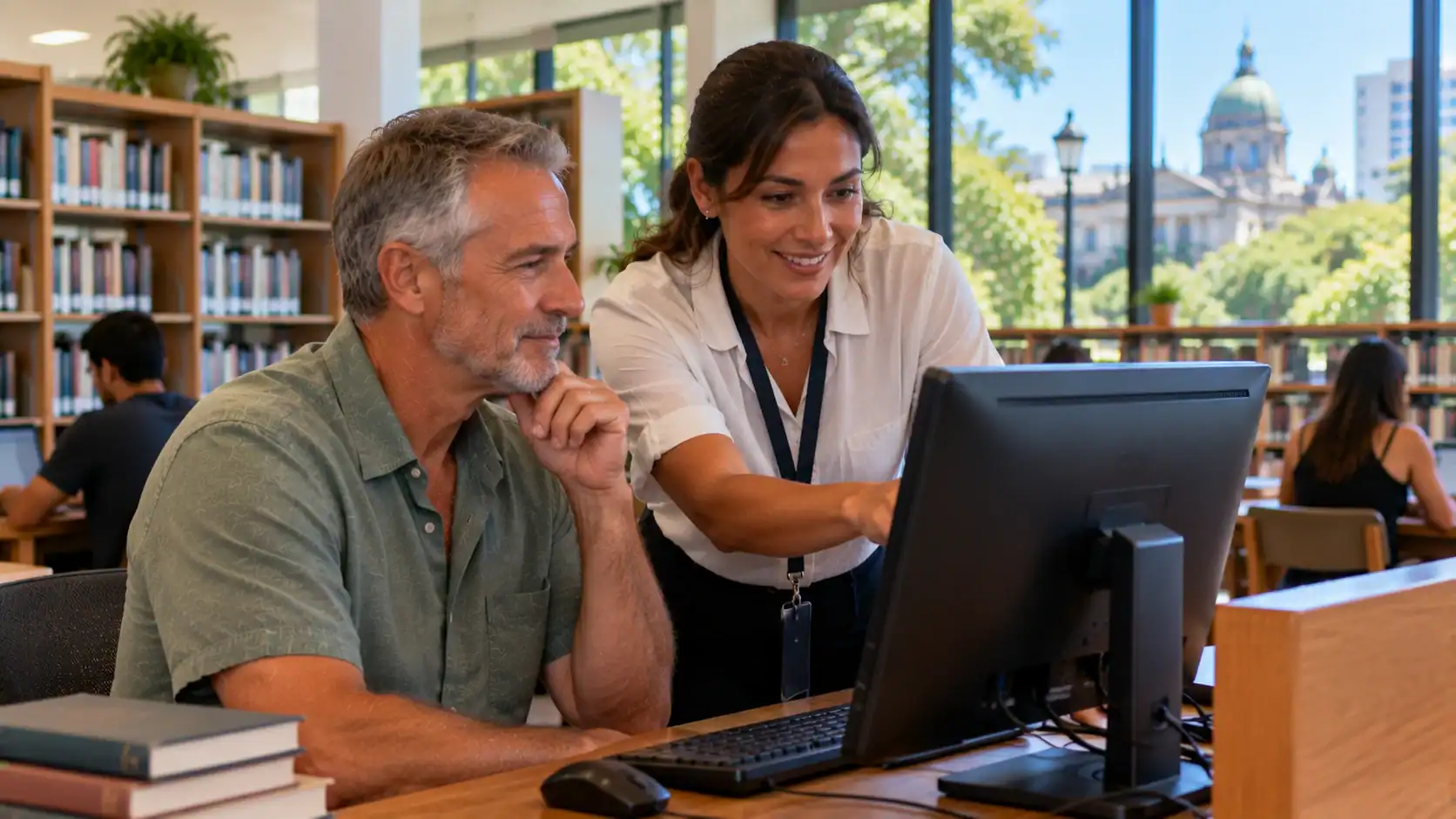
Search the catalogue for the title, author and language you want, then confirm availability with the branch. Do not assume every library has the same English-language collection or that a catalogue result means the book is immediately available nearby.
If you are learning Spanish, ask for material suited to your level and interests. Short stories, illustrated nonfiction or an adult reading activity may be useful options. Ask staff about programmes intended for adults instead of joining a children’s event without checking.
Community activities and family visits
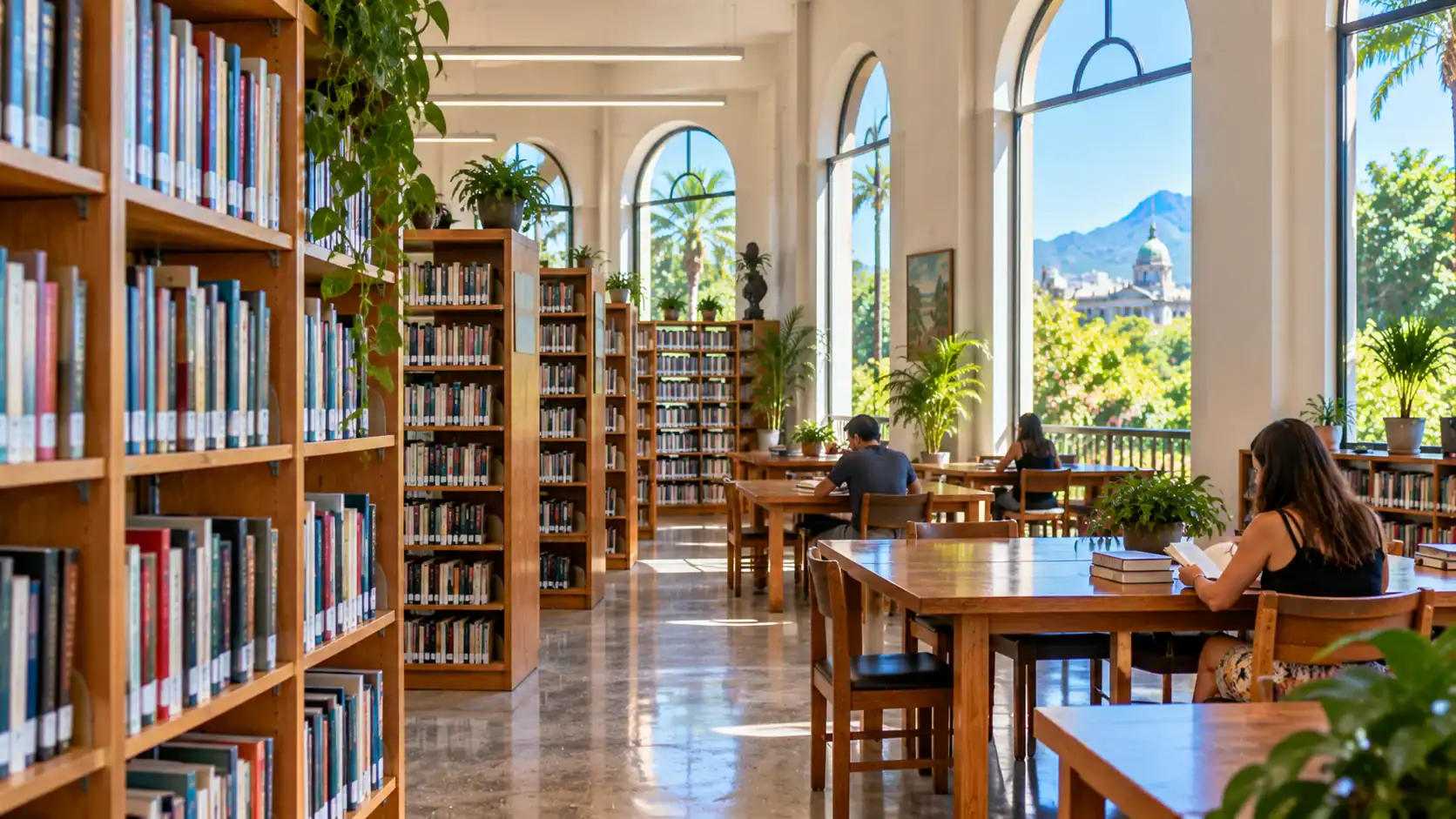
Ask about upcoming reading groups, workshops, children’s activities and cultural events. Confirm age ranges, registration, accessibility and whether an adult must accompany a child. Programmes can change with staffing, school holidays and local demand.
Follow the branch’s rules on food, noise, photographs and handling materials. Bring headphones if you plan to use audio, and ask before plugging in equipment or rearranging furniture.
The National Library and historical research
The Biblioteca Nacional Miguel Obregón Lizano is part of SINABI and serves a different role from a neighbourhood lending collection. For historical documents or a research visit, contact staff in advance about access, reproduction and consultation arrangements.
Libraries can be a useful part of settling into a community. Combine a visit with exploring local art and museums, and use our etiquette guide for practical communication tips.
The illustrations show general library activities, not a named SINABI branch or its actual facilities.