Navigating the residency process begins with one critical step: getting your paperwork right. For CRIE applications, a proper translation isn’t just a formality—it’s the foundation. We’re here to demystify the legal requirements so you can build a strong application from the ground up.

Let’s be clear from the start. Costa Rican authorities only accept work from a registered traductor oficial. This isn’t about finding a bilingual friend. It’s about using a professional whose signature and seal carry legal weight with migration offices. Cutting corners here can create expensive, frustrating delays.

The smartest move is to begin this work from home, long before your arrival. This gives you control over quality and timing. Whether you’re considering the Pensionado, Rentista, or Inversionista pathways—each with its own financial threshold—your translated core records are the universal first requirement.

We’ll guide you through the distinct roles of certified translation, apostille, and notarization. This article provides essential guidance and information. For final verification, always consult official sources like migracion.go.cr or contact info@crie.cr directly.

Understanding the Importance of Certified Translations in Costa Rica Immigration

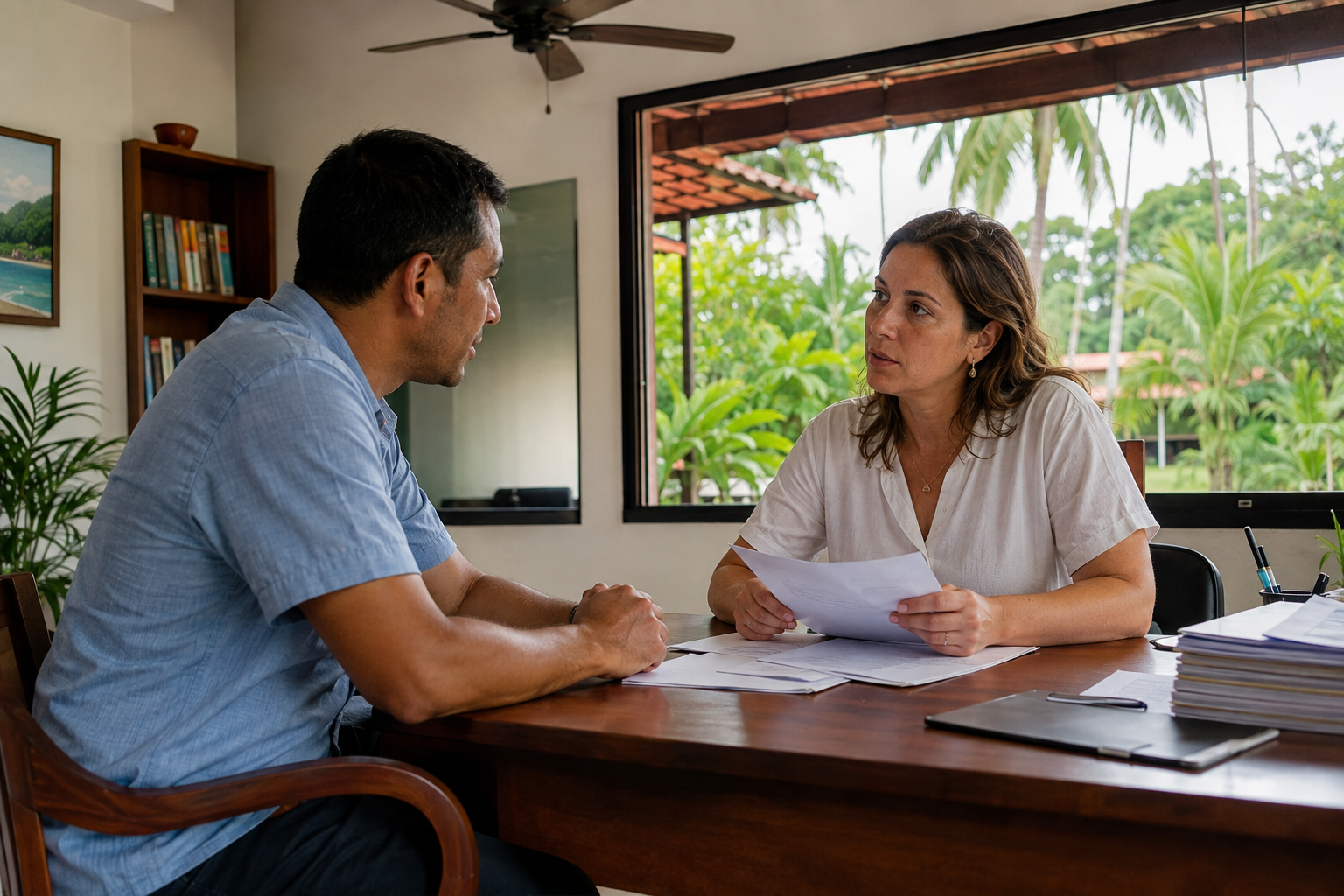
A professional office setting with a Caucasian female translator and a male client seated at a wooden desk, reviewing immigration documents. The female translator, dressed in a smart polo shirt, is pointing to a certified translation stamp on a document, symbolizing the importance of accurate translations. Soft, natural light floods the room through large windows, highlighting shelves filled with books and translation guides. In the background, a poster on the wall reads “Certified Translation Standards” with a subtle illustration of Costa Rica’s landscape, showcasing cultural elements. The atmosphere is calm and professional, reflecting trust and competence in the translation process for immigration. Incorporate the brand name "Pura Vida Costa Rica" discreetly in a visible but not distracting manner within the office decor.

Legal acceptance of your paperwork hinges on a specific type of linguistic expertise. For your CRIE application, a certified translation acts as the official bridge between your history and Costa Rican authorities. It’s the tool that allows officials to verify everything without doubt.

Benefits of Official Translations

Using a registered traductor oficial provides traceability. Their signature, seal, and registration number create a chain of legal responsibility. This protects you and streamlines the review.

Precision here directly impacts your timeline. Even a small error in a birth certificate or financial statement can trigger delays. For the Pensionado, Rentista, and Inversionista categories, exact rendering of your supporting documents is non-negotiable.

Regulatory Standards and Legal Requirements

Costa Rican immigration applies strict local standards. An official translation must faithfully preserve all legal terminology. No omissions or interpretive changes are permitted.

The text must be adapted to Costa Rican Spanish legal conventions, not generic Spanish. This ensures compliance when officials cross-reference data. We’re candid: skipping this step risks rejection and costly re-submissions.

Step-by-Step Guidance for Initiating Costa Rica Residency (CRIE)

A step-by-step visual representation of the Costa Rica residency process, featuring a series of illustrated steps laid out in an organized flowchart style. In the foreground, depict diverse individuals dressed in business casual attire, including polo shirts and button-down tops, engaged in discussion around a table with immigration documents. The middle of the image should showcase a clear pathway illustrating each residency step, with icons representing documentation, application forms, and approvals. In the background, add iconic Costa Rican elements like lush greenery, coffee plants, and mountains to create a serene atmosphere. Use soft, natural lighting to evoke a sense of warmth and professionalism. Include the brand name "Pura Vida Costa Rica" subtly integrated into the design, avoiding any text overlays or captions.

The first step in your CRIE application is determining your eligibility under one of three primary financial pathways. We’ll guide you through each one clearly.

Who Qualifies? (Pensionado, Rentista, Inversionista Thresholds)

The Pensionado category requires proof of a permanent pension of at least US$1,000 per month. For Rentista status, you must show guaranteed income of US$2,500 monthly for two years.

The Inversionista pathway demands a minimum investment of US$150,000. This asset must be held in your personal name, not a corporate entity.

Preparing Documents: Apostilles, Translations, and More

Begin gathering your core documents from home. This includes birth certificates, marriage licenses, and police background checks.

If your country is part of the Hague Convention, you need an apostille on these papers. Otherwise, consular legalization is required.

Once authenticated, a registered traductor oficial must translate them into Spanish. This standard step usually takes 3-7 business days.

Note: A Digital Nomad visa is not a residency path. For long-term goals, the Rentista category is the closest comparable option.

Starting this entire process before you arrive compresses your timeline and minimizes errors. It’s the most strategic move you can make.

Essential Documentation and Timelines for CRIE Applications

Assembling your application packet correctly is the most practical way to avoid delays. A thorough checklist and clear timeline are your best tools for a smooth process. We emphasize starting this work from home, well before your planned arrival.

Document Checklist and Verification

Universal requirements include a valid passport, a birth certificate, and police background checks. These checks are needed from your country of residence and any nation where you lived over two years.

Category-specific documents vary. Pensionado applicants need official pension letters. Rentista status requires proof of $2,500 monthly income. Inversionista applicants must show a $150,000 investment in their personal name.

If including a spouse, an apostilled marriage certificate is mandatory. Names and dates must match exactly across all paperwork to prevent verification issues.

Pay close attention to validity windows. Police checks are typically valid for six months from issuance. Financial statements should cover the most recent 12-24 month period.

The sequence is critical. Your birth certificate, marriage certificate, and background checks must first receive an apostille. Only then should a registered traductor oficial complete the Spanish translation.

Financial documents often need extra steps. Bank statements may require notarization and apostille before translation. This certification process adds time.

We recommend a 6-12 week timeline for gathering, apostilling, and translating all documents. Verify the final checklist at migracion.go.cr, as requirements can change.

Who Can Translate Immigration Documents in Costa Rica

Costa Rican law designates a precise credential for those handling official paperwork conversions. Only a registered translator (traductor oficial) with the Ministry of Foreign Affairs produces work that authorities accept. Their signature, seal, and registration data create legal accountability.

Choosing a Certified Traductor Oficial

Official status means the professional met strict educational and testing standards. Verify their active registration in government databases. This step is non-negotiable for your application.

These certified translators have a unique registration number. Their certification includes a signed declaration attesting to completeness and accuracy.

Understanding the Translation Process and Expectations

The process is straightforward. You provide clear, apostilled documents. The specialist prepares a Spanish version that preserves all legal terms.

Standard translations require 3-7 business days. These professionals convert text faithfully. They do not provide legal advice or guarantee approval.

Set clear expectations. Their role is linguistic accuracy. Always verify that names and dates match your original papers exactly.

Common Pitfalls in Immigration Document Translations>

The translation phase is where many applicants encounter avoidable setbacks that cost time and money. Even small mistakes can force a complete re-submission, adding weeks to your timeline.

We see two errors constantly. Name inconsistencies across your papers create immediate verification flags. Date format confusion—like mixing MM/DD/YYYY with DD/MM/YYYY—also halts automated checks.

Key Errors to Avoid

Sequence matters. Translating documents before they are apostilled is a frequent error. The final Spanish version must include every stamp and note from the authenticated original.

Terminology precision is non-negotiable for financial proofs. Generic Spanish terms can obscure your income data, risking qualification. Always use a registered traductor oficial.

These errors aren’t minor. They trigger manual reviews, rejections, and costly do-overs. Investing in accuracy from the start protects your timeline and budget.

Effective Timelines and Submission Procedures

A realistic timeline is your most valuable tool for a smooth residency application. We map out each step to set clear expectations from your home country.

Step-by-Step Timeline for Approval

Start by requesting core documents. This initial phase typically takes 2-4 weeks. Government processing and international mail add time.

The apostille process is a separate, critical step. Timelines vary by country but often require 1-3 weeks. Expedited services may shorten this turnaround.

After authentication, a registered translator needs your documents. Standard translation and certification takes 3-7 business days per item.

Integrating these steps creates a 10-12 week pre-arrival schedule. This assumes no complications. Watch validity windows—police checks often expire six months from issue.

Once your packet is ready, submission happens in-country or through a local representative. Post-filing, initial review can take 1-3 months. We cannot guarantee specific approval speeds for any visa.

Starting early from home provides a crucial buffer. This planning protects your schedule and avoids tourist visa overstays.

Tips for a Smooth Residency Application Process from Home

Preparing your documents before arrival gives you a significant advantage in the residency timeline. We recommend starting this work from your home country to maintain control.

Managing Documents Remotely

Begin with digital organization. Create a clear folder system for originals, apostilled papers, and final translations. Use secure platforms like encrypted email or password-protected drives to share files with your translator.

Always request scans for review before physical copies are made. This allows quick correction of any errors. For shipping, use trackable courier services and declare “documents—no commercial value” on customs forms.

Establish a single point of contact for your entire process. A specialist from CRIE can coordinate timelines and troubleshoot issues. Reach them at WhatsApp +506 8706 3888 or info@crie.cr.

Having your complete packet ready before travel demonstrates organization. It reduces stress and shortens your required in-country stay. Verify current submission standards at migracion.go.cr.

Final Insights for a Smooth Transition to Costa Rica Residency

A smooth transition to your new status is the direct result of precise planning and professional execution. Only registered traductores oficiales provide the certified translation work that authorities accept. Their expertise ensures your documents meet every legal standard.

Quality and accuracy in language conversion are non-negotiable. Even with perfect paperwork, visa processes have variable timelines. We set realistic expectations—no service guarantees specific approval speeds.

Your next step is clear. Verify current requirements at migracion.go.cr and begin your document preparation from home. For personalized guidance on your residency journey, contact our professionals. Reach us via WhatsApp at +506 8706 3888 or email info@crie.cr.

FAQ

What makes a translation "certified" or official for Costa Rican immigration?

In Costa Rica, a certified translation must be performed by a “Traductor Oficial” sworn in before the Supreme Court. This professional stamps and signs each page, attesting to the complete accuracy and validity of the work. This formal certification is a non-negotiable requirement for documents like birth certificates, marriage licenses, and police reports when submitting them to immigration authorities.

Can I translate the documents myself or use a non-certified service to save money?

We strongly advise against it. Immigration officials will reject any document not bearing the official stamp and signature of a sworn translator. Using an uncertified service or attempting a DIY translation introduces errors and guarantees delays, often costing you more in the long run to redo the entire process correctly with a certified professional.

What are the most common errors found in translated documents that cause application rejections?

The most frequent pitfalls include minor typographical errors, inconsistent terminology, and formatting that deviates from Costa Rican standards. More serious issues involve omitting seals or signatures from the original, or missing a required apostille. Even a small mistake in a name or date can invalidate the entire document, halting your residency process.

How long does the official translation process typically take, and what should I provide?

Turnaround time depends on the document’s length and complexity, but a professional service typically requires 2-5 business days. To start, you’ll need to provide a clear, scanned copy of the original document and any accompanying apostille. A reputable translator will then handle the rest, ensuring precision, proper formatting, and final certification.

Do all my documents for the residency application need to be translated?

A> Nearly all foreign-issued documents must be translated by a certified professional. This includes your birth certificate, marriage certificate (if applicable), police clearance reports, and proof of income or investment. The main exception is passports, as they are internationally recognized. When in doubt, consult with your legal advisor or translation service to confirm your specific checklist.

How can I manage the translation and document process efficiently from abroad?

A> The key is organization and using secure digital channels. Start by gathering all required originals and getting them apostilled in their country of issue. Then, work with a trusted translation service in Costa Rica that can receive digital copies, perform the work, and provide you with scanned drafts for review. This remote workflow keeps the process moving securely before you even arrive.


Article by Glenn Tellier (Founder of CRIE and Grupo Gap)

Don't wait, contact us right now!
Call or WhatsApp Costa Rica +506 8373 2085 or +506 8706 3888
Call USA/Canada +1 305-906-6784

See If You Qualify For Residency Today!