
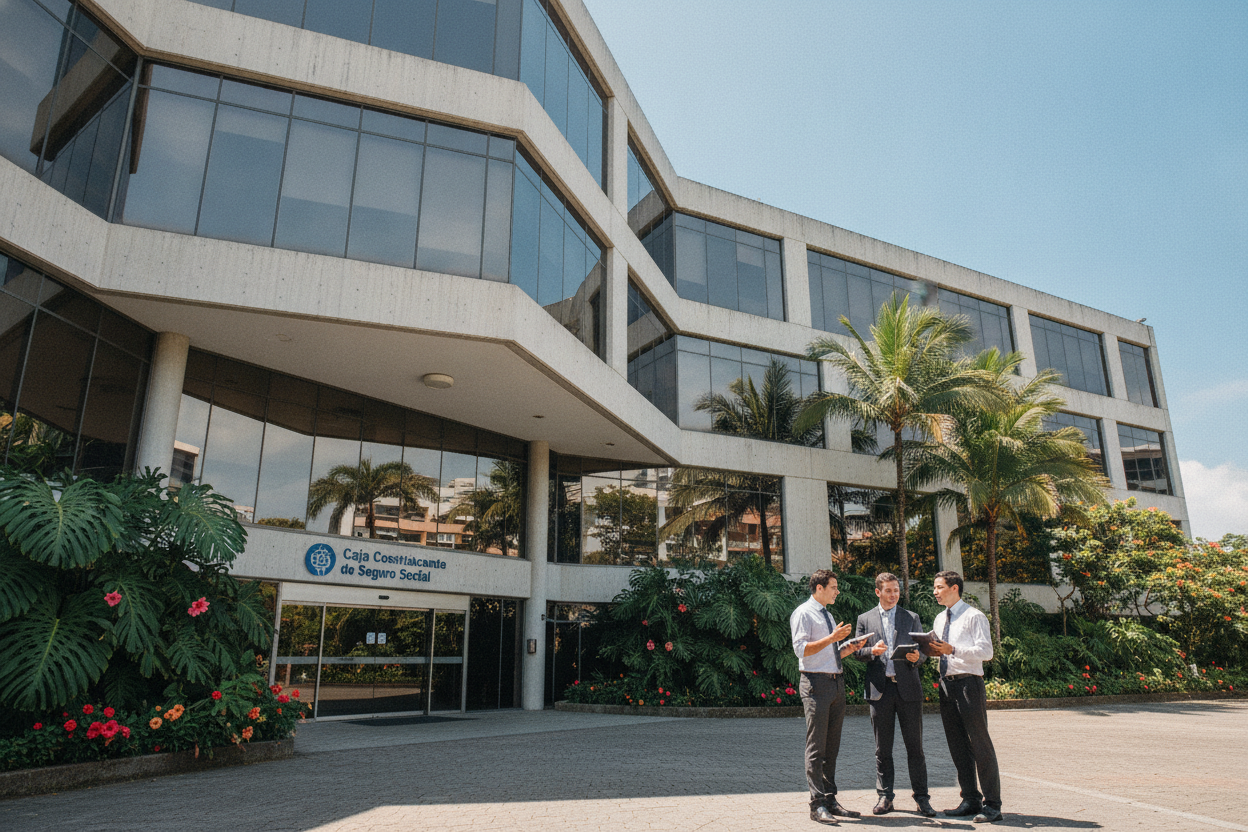
The Caja Costarricense de Seguro Social, commonly known as Caja, serves as the primary public healthcare provider in Costa Rica. Understanding this system is crucial for anyone considering a move to this beautiful country. It ensures that all residents have access to essential medical services.
This government-run healthcare system provides universal coverage, allowing everyone living in Costa Rica to receive necessary care. As we delve into the workings of this complex system, we aim to clarify its role as the backbone of the national health infrastructure.
By familiarizing ourselves with the Caja, we can better appreciate how it impacts our daily lives and residency status. This knowledge not only enhances our understanding but also sheds light on how Costa Rica manages the health and well-being of its population.
The Role of Caja in Costa Rican Residency
Caja plays a pivotal role in ensuring that all residents of Costa Rica have access to essential healthcare services. For anyone applying for residency, understanding this connection is vital.
Enrollment in the Caja is a mandatory part of the residency requirements. The Costa Rican government mandates that all legal residents contribute to this public healthcare system. This ensures that they have access to necessary medical services.
Expats often find that the benefits provided by Caja are a significant advantage when living in this beautiful country. Maintaining your residency status depends on keeping your contributions current and your documentation in good standing with the authorities.
By participating in this system, residents gain access to a wide range of medical treatments supported by the national social security framework. For more information on healthcare for expats, visit this link.
Understanding the History and Evolution of Caja
The establishment of Caja marked a significant milestone in Costa Rica’s social security landscape. In 1940, President Dr. Rafael Calderón Guardia introduced the idea of a social security system to the Costa Rican congress. This concept laid the groundwork for what would become the Caja Costarricense del Seguro Social.
Following the passage of Law number 17 in November 1941, the Caja was officially created. By September 1942, enrollment became mandatory for all employees, ensuring that a broad segment of the population was covered. This early commitment to social security reflected the country’s dedication to the health of its citizens.
Despite facing challenges, such as the 1948 Civil War, Caja emerged stronger. The 1949 Political Constitution provided further protection and support for this essential institution. Through these historical milestones, we see how Costa Rica has prioritized the health and well-being of its people within a democratic framework.
How Caja Impacts Healthcare Access for Residents and Expats
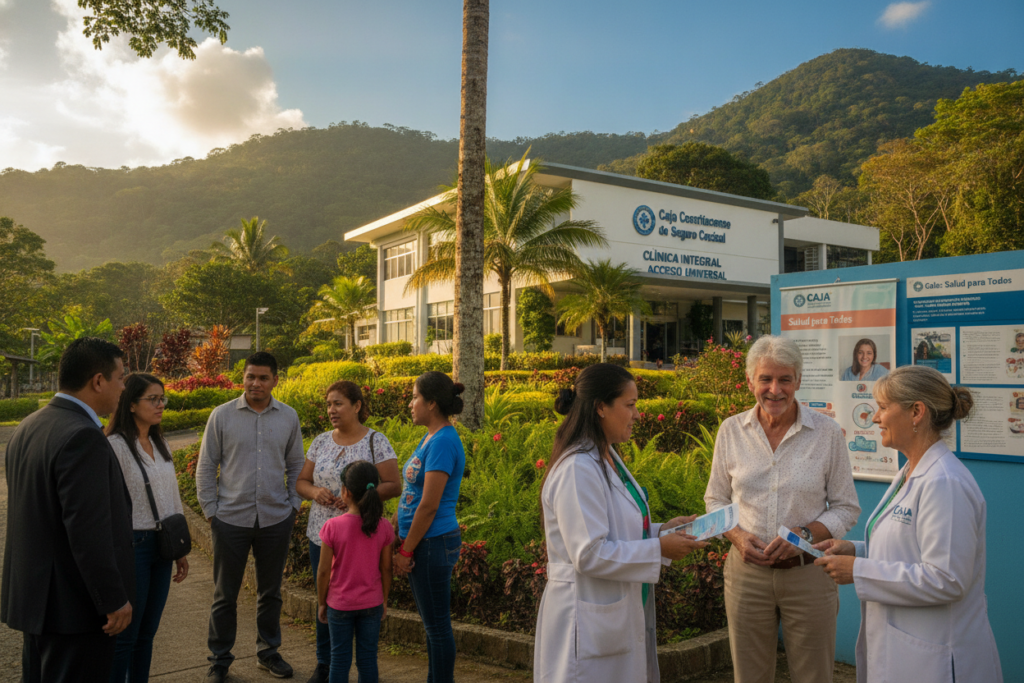
For residents and expats, understanding the Caja system is vital for accessing healthcare in Costa Rica. This universal healthcare system is designed to provide comprehensive coverage, contributing to a high life expectancy of nearly 80 years.
Both residents and expats benefit from a system that covers a wide range of medical needs. This includes everything from preventative check-ups to major surgeries. We see that the public healthcare infrastructure is a fundamental pillar of the country, ensuring that everyone has access to essential services.
While challenges exist, Caja remains the primary source of health support for the vast majority of the population. Accessing these services is a right for those who are properly enrolled, providing peace of mind for families and individuals throughout the nation.
Calculating Monthly Caja Premiums for Residency
Calculating your monthly premiums for Caja is a crucial step for anyone looking to establish residency in Costa Rica. The premiums depend on your residency category, which includes Pensionado, Rentista, and Inversionista.
Understanding how these categories affect your premium is essential:
- Pensionado applicants generally face the lowest premiums, making this category ideal for those with a stable pension income per month.
- Rentista applicants must contribute based on a net income of $2,500 per month, as stated in their official proof of income.
- Inversionista applicants undergo a personal audit to determine their premium amount, based on the income of their active corporation.
We advise reviewing your financial documentation carefully. The total amount you pay is derived from specific healthcare and pension charts. For personalized guidance, consider consulting a professional through this link.
Key Factors and Documentation for Enrolling in Caja
To successfully enroll in Caja, you must gather important residency documentation. This process is essential for obtaining healthcare coverage in Costa Rica.
Here are the key documents you will need:
- Your passport and notarized copies of the entry stamp into Costa Rica.
- Official proof of residency approval, which confirms your legal status.
- If employed, a properly filled Registration Request form from your employer.
- Accurate financial information to determine your contribution level.
- Keeping all documentation organized will help avoid delays during registration.
Having these documents ready will streamline your enrollment process, ensuring you meet all requirements efficiently.
Navigating CAJA Offices Across Costa Rica

Navigating the intricacies of Caja offices is essential for residents seeking healthcare services in Costa Rica. The enrollment process can be quite different depending on whether you visit a rural clinic or the main offices in downtown San José.
In urban centers like San José, the procedures are often more standardized. However, rural offices may have staff with varying interpretations of the rules, especially regarding monthly premium calculations.
If you encounter inconsistencies during your visit, it’s helpful to present your DGME residency resolution. This document can clarify the requirements specific to your case.
At the main enrollment offices in San José, located directly across from the headquarters, management teams ensure adherence to official policy manuals. Understanding these procedural differences is vital for successfully managing your interactions with the various public health services available.
what-is-caja-costa-rica and Its Impact on Immigration
For immigrants, knowing how Caja influences residency requirements is vital for a smooth transition. In Costa Rica, proof of payment to the Caja is necessary to pick up your residency card.
Your residency process is not complete until you have successfully registered with the Caja and obtained the necessary proof of payment. Immigration authorities in Costa Rica require this proof before issuing your official residency card.
Understanding this connection is essential, as it is a fundamental part of the residency requirements that every applicant must fulfill to remain legal. By staying compliant with these immigration rules, you ensure that your time in the country remains uninterrupted and your status is secure.
Recognizing the link between your immigration application and the social security system is key to a smooth transition into your new life.
Exploring Healthcare Services within the Public Caja System
Residents of Costa Rica benefit from a robust public healthcare system, known as Caja, which offers various services. This system ensures that everyone has access to essential health care, including emergency services and routine check-ups.
Hospitals operate 24/7, providing critical care for all patients. Local clinics are available for essential medical support during the day, typically from 7:00 AM to 10:00 PM. For preventative care, EBAIS centers serve as the primary point for general check-ups and health advice.
These services are designed to support the entire family, ensuring that children and adults receive the health treatments they need. From minor ailments to major surgeries, the Caja system covers a wide range of medical needs.
By utilizing these public facilities, we can ensure consistent care integrated into the national social security framework, promoting overall health and well-being for our families.
Private Insurance vs. Public Caja: A Comparative Insight
The healthcare landscape in Costa Rica offers both public and private insurance options for residents. Many expats choose to supplement their public coverage with private insurance to gain access to shorter wait times and more personalized care.
While the public system is high quality, private insurance allows you to choose your own practitioners at facilities like CIMA or Clínica Bíblica. This flexibility can be particularly beneficial for those who prefer specific doctors or faster service.
The cost of private insurance varies based on age and coverage needs, with plans from the INS ranging from 31,000 to 129,000 CRC per month. Using both systems provides a flexible approach to your health, allowing you to utilize the public system for long-term needs and private insurance for speed.
We emphasize that private insurance is not a replacement for the mandatory public system, but rather a valuable tool for enhancing your overall medical experience. For more information on insurance options, visit this link.
Practical Tips for Managing Residency and Caja Contributions
To thrive in Costa Rica, residents must effectively manage their residency and contributions to the Caja system. This is essential for maintaining access to public healthcare services.
Keeping accurate records of your income is vital for annual premium reviews. These documents will help ensure that you meet your obligations to the social security system.
We recommend organizing all your appointments and payment receipts. This information is crucial for proving compliance to the government.
If your financial situation changes, you can renegotiate your premiums after holding your residency for three years. This flexibility can help you manage costs effectively.
Additionally, ensure that your family members are properly registered. This is a critical part of maintaining your status and access to healthcare services.
By staying proactive with your documentation, we can avoid common pitfalls and ensure that our time in Costa Rica remains stress-free and legally sound.
Final Thoughts and How to Get Personalized Guidance from CRIE
Familiarity with the public health services available in Costa Rica can significantly ease your transition. For over 20 years, CRIE has guided individuals and families through the residency process. Every case is unique, making personalized guidance essential.
Our dedicated team is here to provide accurate information, ensuring your move to this country is smooth. For specific pricing and next steps, reach out to our immigration expert, Johanna Alvarez. You can contact us via WhatsApp at +506 8706 3888 or email us at info@crie.cr.
We look forward to helping you secure your future in Costa Rica with professional support tailored to your needs.
FAQ
What is the Caja Costarricense de Seguro Social?
How does Caja relate to residency in Costa Rica?
What healthcare benefits do expats receive through Caja?
What are the main types of residency categories that require Caja enrollment?
How are monthly premiums for Caja calculated?
What documentation is needed to enroll in Caja?
How do urban and rural Caja offices differ in procedures?
What are the legal residency requirements related to Caja?
What types of healthcare services are available through Caja?
Should I consider private insurance in addition to Caja?
What tips can help manage residency and Caja contributions effectively?
Article by Glenn Tellier (Founder of CRIE and Grupo Gap)
Don't wait, contact us right now!
Call or WhatsApp Costa Rica +506 8373 2085 or +506 8706 3888
Call USA/Canada +1 305-906-6784