

Welcome to the beginning of your new journey! Moving to a new country can be both exciting and challenging. In this guide, we aim to simplify the process of transitioning to life in Costa Rica after you have secured your legal status.
Costa Rica is renowned for its stunning landscapes and the “pura vida” lifestyle. Many people choose this destination for its high quality of life and welcoming atmosphere. Understanding the essential steps for settling in is crucial for a smooth transition.
We will provide you with valuable insights into daily logistics and local customs. This information will help you navigate your new environment effectively. Whether you are a retiree or a professional, adapting to life here is vital for a successful relocation.
Our goal is to ensure you feel prepared and informed as you embark on this exciting chapter. Let’s explore how to make your new home feel like just that.
Understanding Costa Rica Residency and CRIE’s Legacy
Embarking on a new chapter in a vibrant country is both thrilling and rewarding. For over 20 years, CRIE has been dedicated to helping individuals and families navigate the complex process of obtaining legal residency in this beautiful country.
Legal residency provides a stable foundation for your life here. It allows you to live, work, or retire with the assurance of official government recognition. Our experience shows that understanding the specific requirements of your chosen residency category is crucial for a successful transition.
By utilizing our specialized services, you can avoid common pitfalls that often delay residency applications. We focus exclusively on immigration and residency, ensuring our guidance is tailored to your needs.
Benefits of Living in Costa Rica
Discover the remarkable lifestyle that awaits you in this tropical paradise. Living in Costa Rica offers a unique quality of life. This country is the first in the world to constitutionally abolish its army. Instead, it invests in education and social welfare.
Many people are drawn to the local culture, which emphasizes these values. This creates a welcoming environment for all new residents. Costa Rica consistently ranks as one of the happiest and greenest places on earth. This provides a high standard of living for its inhabitants.
You will find that local customs and community involvement are central to the “pura vida” lifestyle. Embracing this culture is key for any newcomer who wants to feel truly at home in their new environment.
Exploring Residency Categories in Costa Rica
Exploring the pathways to legal residency can pave the way for a fulfilling life here. Costa Rica offers various residency options tailored to different needs. Understanding these categories is vital for making an informed decision.
Pensionado Essentials
The Pensionado program is ideal for retirees. To qualify, you must show proof of at least $1,000 per month in lifetime pension income. This program is popular among those looking to enjoy their retirement in a beautiful setting.
Rentista and Inversionista Overviews
If you’re not retired, the Rentista category may suit you. It requires proof of a stable, unearned income of at least $2,500 per month for two years. For those with capital, the Inversionista category demands a minimum investment of $200,000 in a local business or project.
Each of these residency options has specific financial requirements. We recommend reviewing them carefully to determine which aligns best with your financial situation and long-term goals. For more details on these categories, visit this page.
Navigating the Residency Application Process
Successfully navigating the residency application process requires attention to detail. This journey involves gathering and authenticating various legal documents from your home country. Each document must meet the specific requirements set by immigration authorities.
Ensure that your documents have proper apostilles and are translated by a court-approved translator. Working with a qualified immigration lawyer can help you avoid errors that might cause significant delays.
We recommend starting your document preparation well in advance. Obtaining official records can often take several months. Once your application is filed, your status changes, allowing you to remain in the country legally while authorities review your case.
Essential Documents and Legal Requirements
Gathering the right documents is essential for a smooth transition to life in a new country. To apply for legal status, you must prepare several important documents.
First, you will need an official birth certificate and a clean criminal background check. This background check must be issued within the last six months to be valid.
All foreign documents require proper apostilles. These must be obtained from the Secretary of State or the relevant foreign affairs office in your home country. Additionally, official translations of all documents into Spanish are mandatory. Only translations performed by a court-approved translator will be accepted by the law.
Keep in mind that the FBI criminal background check can take up to 16 weeks to process. Therefore, timing is crucial. Staying organized and ensuring your documents are current will help avoid complications during the final submission of your application.
Financial Requirements for Residency
Understanding the financial requirements is crucial for your new life in this vibrant country. Proving your financial stability is a core requirement. This often involves regular deposits of your income into a local Costa Rican bank account.
For the Rentista category, you may choose to make a $60,000 deposit in a local bank to guarantee your monthly income for two years. This deposit helps assure the authorities of your financial capability.
Opening a local bank account is a practical step that helps you manage your money and pay for local services once you arrive. You must be prepared to provide documented evidence of your income or deposits during each annual renewal of your status.
We suggest coordinating with your financial institution to ensure that your funds are accessible and meet the specific criteria for residency.
Transitioning from Tourist Status to Residency
Transitioning from a tourist to a resident can be a complex yet rewarding journey. Understanding the limitations of a tourist visa is essential for anyone considering a longer stay in this beautiful country.
A standard tourist visa allows you to stay for 90 days. However, it’s crucial to avoid overstaying, as this can lead to fines and travel bans. Many people previously relied on “border runs” to renew their tourist status, but this is not a sustainable long-term solution.
In late 2021, the Digital Nomad visa was introduced, providing an alternative for remote workers. This visa allows you to live in Costa Rica for up to two years while working remotely.
Transitioning from a tourist visa to residency status is the most secure way to ensure you can remain in the country without interruption. We emphasize that you should never overstay your visa, as immigration police strictly enforce the rules regarding the number of days you can stay.
Securing a Costa Rican Driver’s License
Navigating the process of obtaining a local driver’s license is a key step in your new life. Once you become a resident, your foreign driver’s license is no longer valid for operating a motor vehicle in the country. To drive legally, you must convert your foreign license into a local Costa Rican driver’s license.
After receiving your residency card, visit the MOPT office to start this process. Fortunately, there is no written or practical driving test required if you present a valid foreign document. However, you will need to pass a basic medical and vision exam at the MOPT office.
We recommend waiting until your residency is fully processed before attempting to secure your new local driver’s license. This will ensure a smoother transition into your new life in Costa Rica.
Embracing starting-life-costa-rica-residency: A Practical Guide
Transitioning to a new environment can be both exciting and challenging. Understanding what to expect during this process is crucial for a smooth adjustment.
The journey to secure legal status often takes between 6 and 12 months. This timeline can vary based on the number of applications being processed by the authorities.
During this period, staying organized is essential. Keep clear and consistent communication with your legal representative to avoid any misunderstandings.
Many expats find that this initial adjustment phase is the perfect opportunity to learn basic Spanish. Engaging with the local community can also enhance your experience.
We encourage you to view this transition as an exciting adventure. It will ultimately lead to a more stable and rewarding life in your new home.
Understanding CAJA and Health Coverage Options
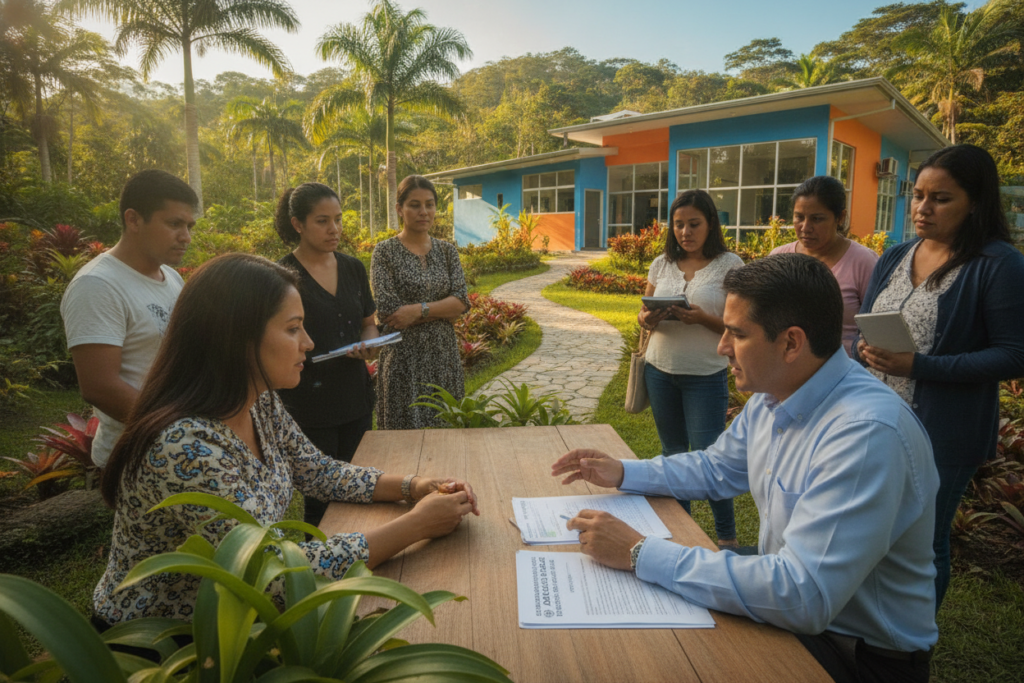
Understanding the health coverage options in your new home is vital for a smooth transition. All legal residents are required to enroll in the CAJA system, which is the national social security and medical benefits plan.
Your monthly contribution amount is determined by a percentage of your declared income, typically ranging from $65 to $200 per month. This amount is assessed during your enrollment interview.
The CAJA system provides comprehensive coverage, including preventive care and surgeries. This ensures that you have access to essential medical services when needed.
To complete your enrollment in the national health system, you will need to provide proof of your residence, such as a lease agreement. Many residents choose to supplement their CAJA coverage with private insurance for faster access to specialists and English-speaking providers.
Legal and Social Security Considerations
Understanding the legal landscape in your new home is essential for a smooth transition. Maintaining compliance with immigration laws is critical for securing your residency status.
After maintaining your temporary residency status for at least three years, you become eligible to apply for permanent residency in the country. This transition offers more stability but requires adherence to renewal requirements set by the government.
It is crucial to stay compliant with all immigration laws. Failing to renew your residency status can lead to significant legal complications. Residency renewals are required annually or biennially, depending on your specific category and current regulations.
Staying informed about changes in immigration law is the best way to ensure that your status remains secure throughout your years of living here.
Cost of Living and Housing Tips in Costa Rica
Living in a new country involves understanding the financial landscape that comes with it. Monthly living expenses for a couple typically range from $2,000 to $3,000. This amount varies based on lifestyle choices and location.
The cost of living in Costa Rica is generally 30-50% lower than in major US cities. This makes it an attractive destination for many expats. When searching for housing, we suggest renting initially. This allows you to explore different neighborhoods before deciding to purchase any property.
Foreigners enjoy property rights similar to locals. However, it’s wise to work with a real estate attorney to ensure a clear title. Your monthly budget will fluctuate based on your location. Beach towns often have higher prices than rural areas in the highlands.
Managing your money effectively is crucial. Be sure to account for utilities, groceries, and the occasional cost of imported goods that may be pricier.
Integrating into the Local Costa Rican Culture
Engaging with the vibrant culture of Costa Rica is an enriching experience. It involves actively participating in community events and respecting local customs. You will find that the people of Costa Rica are incredibly welcoming. They appreciate when newcomers make an effort to learn the language.
Building relationships with your neighbors and supporting local businesses is a great way to foster a sense of belonging in your new country. The “pura vida” lifestyle is more than just a phrase; it embodies kindness, patience, and community connection.
We encourage you to explore the diverse regions of Costa Rica, from the bustling Central Valley to the tranquil Caribbean and Pacific coasts. Embracing these experiences will not only enrich your life but also deepen your understanding of this beautiful country.
Practical Steps for a Smooth Relocation
Preparing for a move to a new country involves several important steps. A smooth relocation requires careful planning and coordination of all your legal documents at least one year before your planned move.
We recommend creating a timeline that accounts for the time needed to obtain apostilles and translations for every essential document. This will help you stay organized and on track.
It’s crucial to finalize your residency category and gather all required paperwork before you arrive in the country to start the process. Keeping both digital and physical copies of all your documents will save you time and stress during your interactions with the immigration office.
Proper coordination ensures that your transition is seamless and that you remain in full compliance with the law from the very first day. For more guidance, check out this checklist.
Essential Tips for Settling into Your New Life
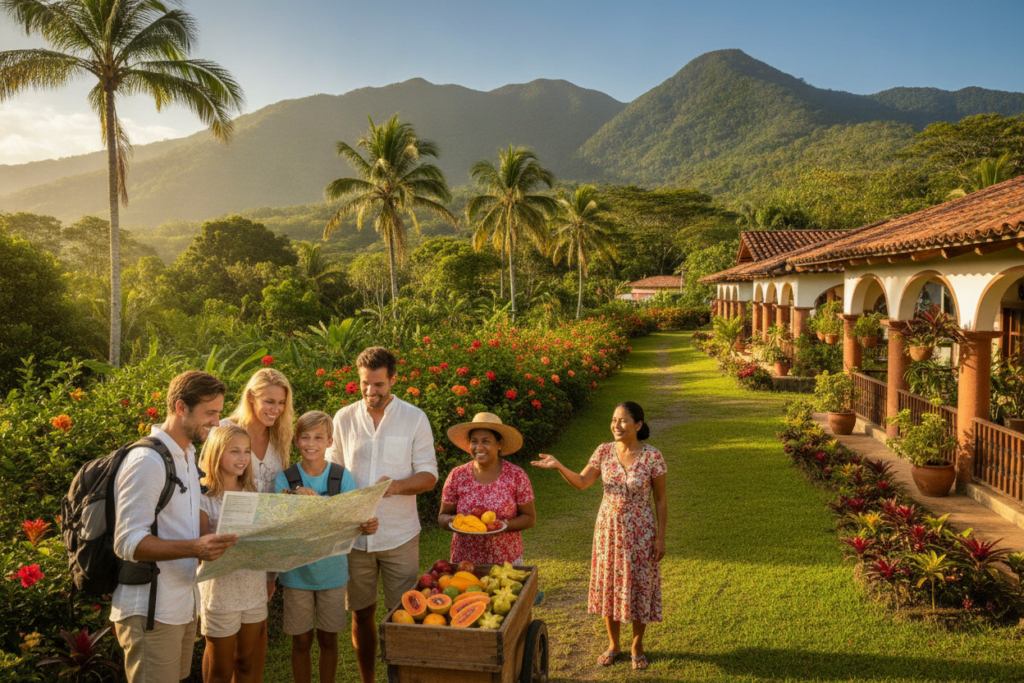
Adjusting to life in a new country involves understanding essential services and daily routines. Settling into your new life in Costa Rica means setting up important services like internet, electricity, and a local bank account.
Daily living may require a bit of patience, as administrative tasks can sometimes take longer than expected. Connecting with other expats can provide valuable insights into the best local services, from healthcare providers to reliable repair professionals.
If you plan to work, ensure that your residency status permits employment or that you have the necessary permits for your specific business. Embracing the local pace of life will help you enjoy the many benefits of living in this beautiful and vibrant country.
Reach Out for Personalized Guidance
Taking the next steps in your journey requires expert guidance tailored to your unique situation. Every residency case depends on your nationality, family situation, and immigration history, making personalized support essential.
For detailed pricing and to discuss your next steps, we invite you to speak with Johanna Alvarez, our dedicated immigration expert. You can reach out to us via WhatsApp at +506 8706 3888 or send an email to info@crie.cr for professional assistance with your application.
Our team at CRIE is committed to providing the specialized services you need to navigate the complexities of the residency process successfully. Visit our website at crie.cr to learn more about how we can help you achieve your goal of living legally in this beautiful country.
We look forward to helping you start your new journey with the confidence that your legal status is in expert hands.
FAQ
What are the different residency categories available in Costa Rica?
How long does the residency application process take?
What financial proof is required for residency?
Can we work in Costa Rica with a residency visa?
What is CAJA, and how does it relate to health coverage?
Do we need to convert our foreign driver’s license?
What are the requirements for opening a bank account in Costa Rica?
How can we integrate into the local culture?
What are the costs associated with living in Costa Rica?
How do we manage our tourist visa limitations before residency approval?
Article by Glenn Tellier (Founder of CRIE and Grupo Gap)
Don't wait, contact us right now!
Call or WhatsApp Costa Rica +506 8373 2085 or +506 8706 3888
Call USA/Canada +1 305-906-6784