
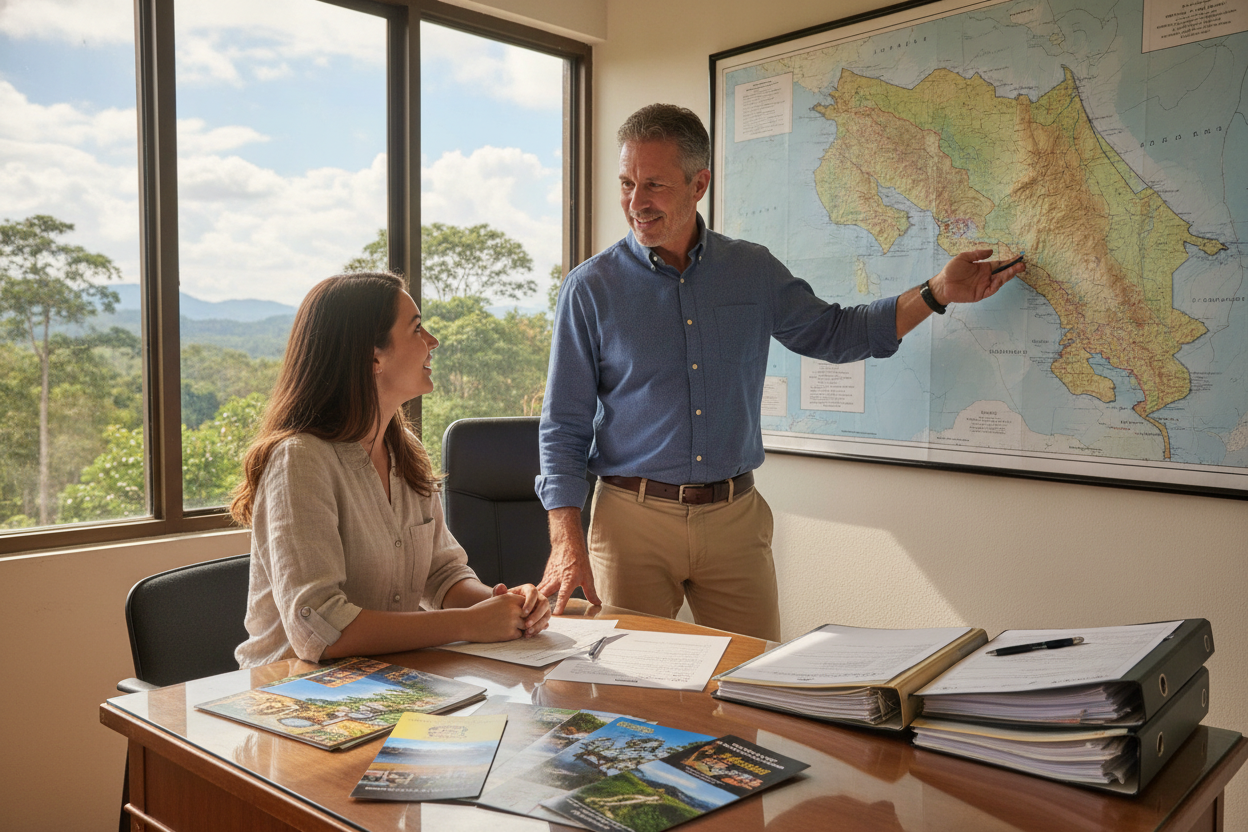
Are you considering a new life in a vibrant country? Costa Rica has become a top choice for many seeking residency. With its stunning landscapes and welcoming culture, it’s no wonder that individuals and families are making the move.
At CRIE, we have dedicated over 20 years to helping our clients navigate the immigration process. Our expert team understands the complexities involved in relocating to this beautiful country. We provide clear guidance tailored to your unique needs, whether you’re retiring, working, or studying.
Our comprehensive services simplify the steps required to establish your new life in Costa Rica. We pride ourselves on being a trusted partner for those looking to make this country their permanent home. With our experience, you can feel confident and well-prepared for your journey ahead.
Our Heritage and Trusted Experience in Costa Rica Residency
Embarking on a journey to a new home can be both exciting and daunting. With over 20 years of experience, we at CRIE have built a solid reputation for helping families secure their legal residency in this beautiful country.
Our operations are supported by Quality Solutions Network S.A., which holds the corporate ID number 3-101-517315 in Costa Rica. We collaborate with qualified lawyers who ensure that every application for permanent residency is handled with utmost care.
We believe that a personalized approach is essential for managing your case effectively. By maintaining high standards of quality, we provide reliable support throughout your residency journey. Our heritage is rooted in the success of families who have trusted us with their immigration and property needs.
Additionally, we focus on providing clear solutions for investors and business owners looking to establish a presence in Costa Rica. For more information, visit our website.
Understanding the Residency and Immigration Landscape in Costa Rica
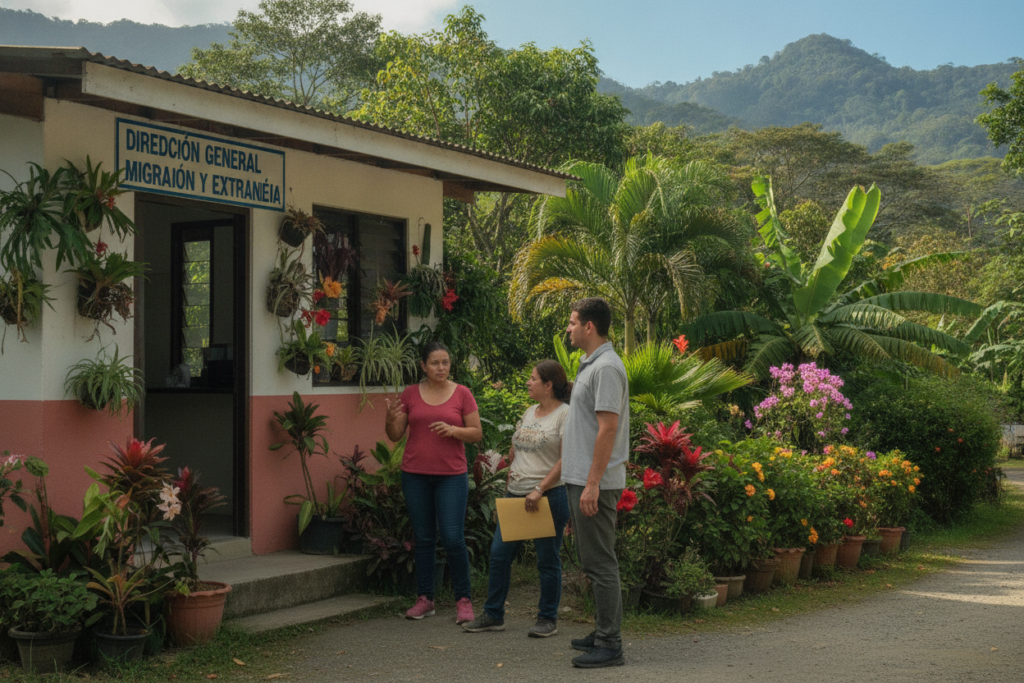
Familiarity with the residency requirements can ease your transition to life in this enchanting country. The Costa Rican Immigration Law outlines specific criteria for various residency categories.
For pensioners, proving a monthly income of at least US$1000 is essential. If you are applying as an annuitant, you must demonstrate a monthly income of US$2500 for two years.
Our team assists you in organizing the necessary documents and navigating the application process. We provide expert advice on the options available, including investment and business categories, ensuring your case is robust.
Understanding the legal residency landscape is crucial. We help you avoid common pitfalls and monitor the status of your application, keeping you informed every step of the way.
Expert Services from a costa-rica-immigration-consultant
Transitioning to a new country involves navigating various challenges and opportunities. At CRIE, we specialize in providing tailored immigration and residency solutions for our clients. Our expertise ensures that you receive the guidance necessary to make informed decisions throughout the process.
We assist with investor residency for those investing over $150,000 in property or business assets. Our services also include company formation and corporate structuring for business owners looking to establish operations in Costa Rica.
Additionally, we offer expert guidance on the Digital Nomad visa, which requires proof of a monthly income of $3,000. Our lawyers ensure that all documents are prepared correctly to meet the Immigration Department’s requirements, allowing you to focus on your new life.
Document Preparation and Comprehensive Case Evaluation
Navigating the path to residency in a new country requires careful planning and attention to detail. At CRIE, we conduct a thorough evaluation of your case before starting the application process. This step is crucial for your success in obtaining residency in Costa Rica.
Proper document preparation is vital. Our team ensures that all necessary documents are accurately prepared and legalized for submission to the authorities. We assist business owners and investors in organizing their corporate documents to meet residency requirements.
By carefully reviewing your case, we help you avoid common pitfalls that can delay your application. We work closely with you to gather the necessary documents, making the process as smooth as possible. Our goal is to protect our clients by ensuring that every detail of their application is accurate and complete.
For more information on how to travel during your residency process, visit our guidance page.
Practical Guidance for Every Family and Individual
Adapting to life in a different country often involves navigating new rules and systems. We understand that every family’s situation is unique. That’s why we provide customized strategies tailored to your specific needs.
Our team offers practical guidance to help you maintain your legal residency in Costa Rica. We ensure you understand the requirements to avoid any fines, such as the US$3 per day for irregular permanence.
We assist you at every step of the application process, especially for family members of the main applicant. Our clear advice helps you manage your residency status effectively.
Additionally, we explain the complexities of the law in simple terms. This ensures you have the necessary information to make informed decisions. By focusing on your situation, we provide solutions that work for your family’s unique needs.
Our goal is to help you navigate the practical challenges of living in Costa Rica, from healthcare to daily life. With our guidance, you can enjoy your time in this beautiful country without worrying about your immigration status.
Staying Up-to-Date with Costa Rican Immigration Policies
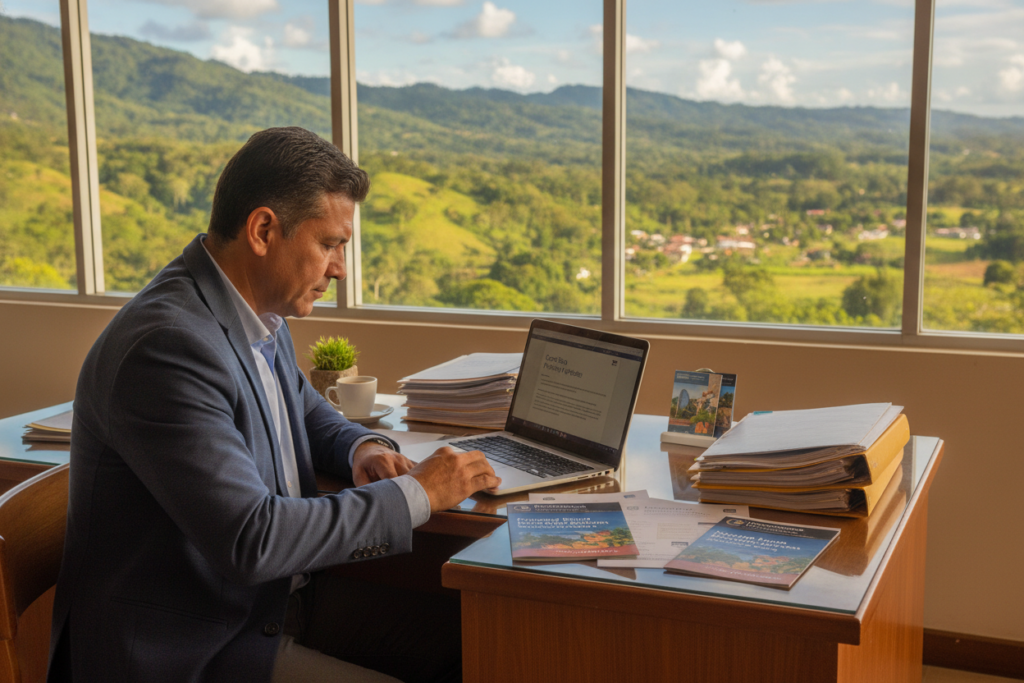
Staying informed about immigration policies is crucial for anyone looking to settle in a new country. In Costa Rica, these policies are subject to constant changes and revisions. We monitor updates from the Immigration Department to keep our clients informed.
Adapting to new regulations is a key part of our service for those seeking residency. We ensure that your application reflects the most current requirements in Costa Rica. Our team stays informed about changes that may affect your investment or residency status.
- We stay up-to-date with the latest changes to the Costa Rican Immigration Law to ensure your application remains compliant.
- Our team monitors the Immigration Department for any new regulations that might impact your residency status.
- We help you adapt to these changes, ensuring that your investment and residency plans remain on track.
- By keeping informed, we provide the most accurate advice for your application process.
- We understand that policies can shift, and we are prepared to adjust your strategy accordingly.
- Our commitment to staying current helps you navigate the evolving landscape of immigration.
- We provide timely updates to our clients, ensuring they are never caught off guard by new requirements.
- Our proactive approach ensures that your case is always aligned with the latest legal standards.
Client-Centered Approach and Clear Communication
Starting a new chapter in a different country can be both thrilling and overwhelming. At CRIE, we understand that the journey to residency in Costa Rica requires personalized support. Our team is dedicated to guiding you through every step of the process.
We offer step-by-step support to ensure you feel confident throughout your residency process in Costa Rica. Our communication is transparent, providing you with realistic timelines for every stage of your application. With over 20 years of experience, we have refined our client-centered approach to meet your needs effectively.
We keep you informed about the time required for your case, ensuring there are no surprises along the way. Our team is dedicated to providing clear and honest updates about your immigration status in Costa Rica. We believe that clear communication is the foundation of a successful relationship with our clients.
Our goal is to provide a stress-free experience by managing the complexities of your residency application. We guide you through the process, ensuring that you understand every step of your journey to living in Costa Rica.
Reach Out to CRIE for Personalized Guidance
If you’re ready to take the next step towards a new life, we are here to help. Every immigration case is unique, depending on your nationality, family situation, and timing. To receive personalized guidance and accurate pricing for your residency process, please reach out to our team today.
You can speak directly with Johanna Alvarez, our CRIE immigration expert, to discuss your next steps. Contact us via WhatsApp at +506 8706 3888 or send an email to info@crie.cr for more information. Visit our website at crie.cr to learn more about how we can assist you with your move.
We look forward to helping you navigate your immigration journey with professional and reliable support.
FAQ
What types of residency options are available in Costa Rica?
How long does the residency application process take?
What documents are required for the residency application?
Can you help with the investment residency option?
What should I expect during the application process?
How do you stay updated with immigration policies?
What is your approach to client communication?
How can I get started with my residency application?
Article by Glenn Tellier (Founder of CRIE and Grupo Gap)
Don't wait, contact us right now!
Call or WhatsApp Costa Rica +506 8373 2085 or +506 8706 3888
Call USA/Canada +1 305-906-6784