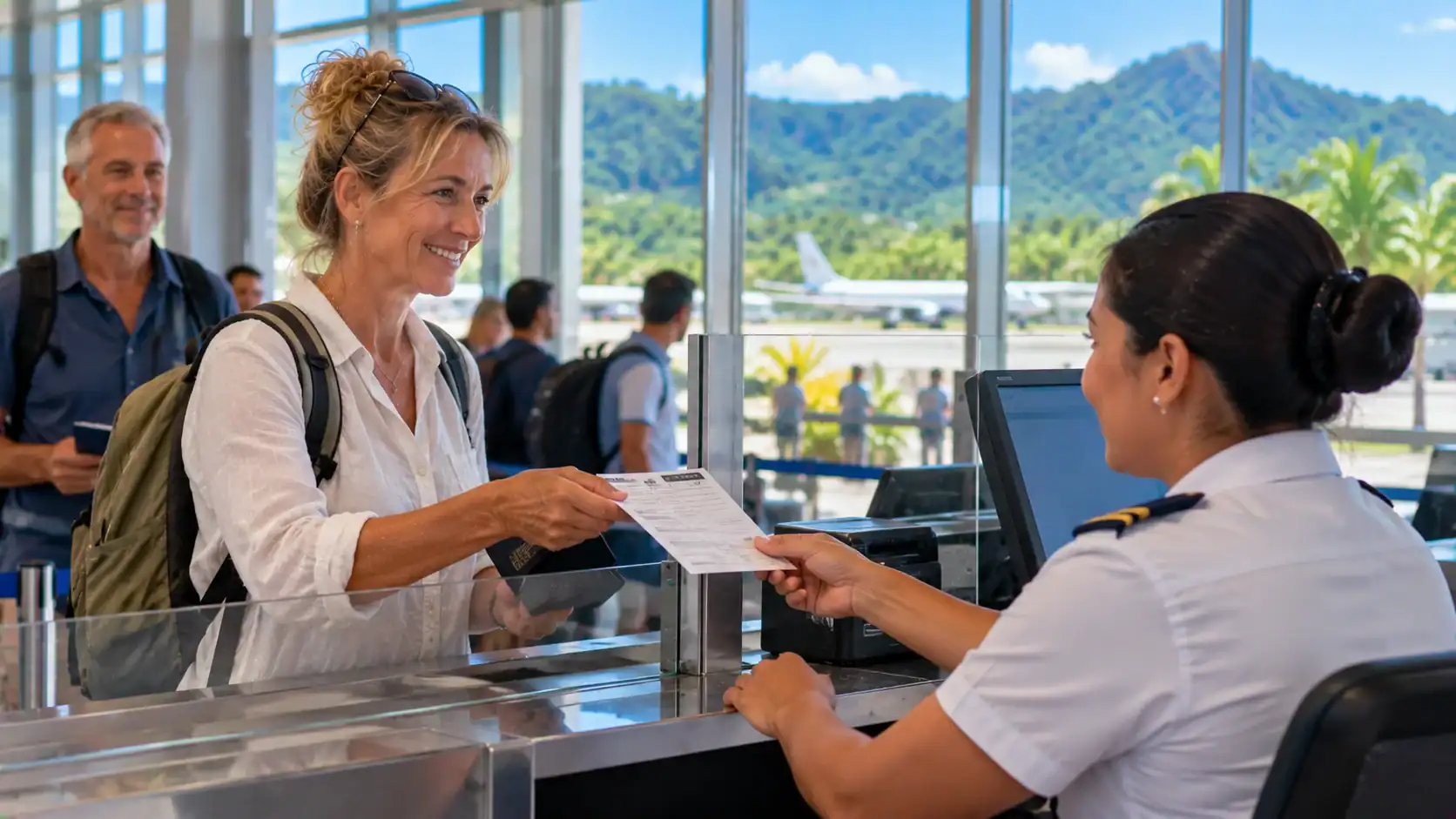
This is a common question for anyone building a new life in Costa Rica. Managing your time and legal status is crucial. We help clients navigate this complex phase with confidence.
Think of it like medical school. Those years demand a clear strategy. A pivotal recommendation letter from Dr. Salifu, Chair of Medicine at SUNY Downstate, shaped one physician’s career path. We apply the same meticulous planning to your immigration journey.
Your goals matter. Whether you’re a professional or a family, each year of transition should move you forward. We partner with CRIE, the primary resource for Costa Rica immigration, to provide expert guidance.
Always verify current rules at migracion.go.cr. If you’re unsure, reach out. Contact our team via WhatsApp at +506 8706 3888 or email info@crie.cr. Let’s discuss your specific situation.
Understanding Costa Rica Residency (Residencia) Basics

The concept of ‘Residencia’ forms the cornerstone of your legal stay in Costa Rica, much like rigorous training prepares a professional. We see it as the essential first step to securing your future here.
This path demands a significant amount of your time and dedication. The training years, as many will attest, involve the entire family unit.
Residency programs are demanding. They often require long hours, mirroring the intensity seen in the field of medicine.
Balancing professional work with personal life needs a structured plan. New residents must ensure they have access to reliable guidance.
By prioritizing your goals, you can manage the many other important things that arise. We encourage you to view this as a long-term commitment.
Success comes from careful planning, just as it does in any professional residency training.
Who Qualifies for Costa Rica Residency (¿Quién Califica?)

Costa Rica offers several distinct legal status categories, each with specific financial requirements. Your eligibility hinges on proving stable income or making a qualifying investment. We guide clients through these options to find the best fit.
Pensionado: Minimum Pension Requirements (US$1,000+/month)
The Pensionado category is for retirees with a guaranteed lifetime pension. You must show a stable monthly income of at least US$1,000. This provides the necessary time to settle into your new life comfortably.
Rentista and Inversionista Criteria (US$2,500/month & US$150,000)
The Rentista category requires proof of US$2,500 in monthly income for two years. It ensures financial stability for your stay.
The Inversionista category demands a minimum investment of US$150,000 in Costa Rican property. This investment must be held in your personal name, not a corporation.
We always advise verifying current thresholds at migracion.go.cr. Proper financial planning is the foundation of a successful application.
Understanding your work rights by residency category is also crucial for long-term planning in Costa Rica.
Step-by-Step Guidance for Your Residency Application
We approach the residency process as a project with distinct phases: document preparation followed by strategic timeline management.
Gathering Essential Documents: Apostilles and Translations
Apostilles and certified translations are mandatory, not optional. This step is time-consuming but vital.
We often compare it to the 46 trips I completed over 8 years of school and training. Each document is a necessary journey.
You must make sure everything is perfect. A small error can cause a lot of delay in residency programs.
Planning Your Timeline and Key Milestones
Create a detailed schedule for your year residency. Treat it like a physician managing a demanding program.
Planning is the only way to balance this work with family and life. Build in buffer time for unexpected things.
If you need to reschedule an immigration appointment, do it early. Every day counts when building a new life.
Take the opportunity to organize methodically. This approach turns a complex process into an achievable thing.
Common Pitfalls and Mistakes to Avoid
Many applicants inadvertently undermine their own residency efforts by repeating common, avoidable errors. One major misstep is poor time management—failing to plan for the lengthy document processing period.
This lack of foresight can create significant disruptions. Like Dr. Greene’s final, unnoticed shift, your application window can close quietly if you aren’t prepared for every contingency.
A second major pitfall is not fully understanding the legal specifics for your chosen category. This lack of clarity can complicate your new life abroad from the very start.
Avoid assuming all immigration paths are the same. Each has distinct financial and documentation criteria that must be met precisely.
Always verify the latest rules directly at migracion.go.cr. Relying on outdated advice jeopardizes your legal status. A clear grasp of the full benefits of Costa Rica residency also helps you build accurate expectations and avoid assumptions.
travel-during-residency-process: Balancing Travel with Your Application
A well-planned 36-hour getaway can offer a refreshing break without derailing your long-term residency goals. We see this often. Integrating short trips requires the same strategic scheduling as a demanding professional year.
Think of it like an emergency medicine physician managing a busy shift schedule. During my training years, a brief trip was a powerful tool. It provided necessary mental space away from long hours.
Many new residents find they can maximize limited time off. Planning a concise, efficient trip is key. This approach ensures your immigration work stays on track.
It is possible to maintain strong family connections and a personal life. Sometimes it means sacrificing a little sleep to make the journey happen. The reward is worth the effort.
We always suggest clear communication with your immigration advisors. Confirm that your travel plans don’t conflict with mandatory in-country requirements. Treat this exploration as an investment in your well-being.
This mindset keeps your spirits high while you work toward bigger things. A short trip can recharge you for the next phase of your application.
Starting from Home: Preparing Your Documents and Strategy
The most effective strategy for securing your Costa Rica residency begins long before you board a plane—right at your home desk. This proactive approach gives you control over the most time-consuming phase.
Starting from home allows you to gain access to all your vital records and certificates immediately. You avoid the frantic scramble that happens if you wait until arrival.
Creating a Pre-Arrival Document Checklist
We recommend building a master checklist. Think of this preparation like the diligent work required before starting a rigorous school program.
Having every item—from birth certificates to financial proofs—organized saves an immense amount of time later. It transforms a chaotic process into a manageable project.
Verifying Requirements on migracion.go.cr
Your checklist is only as good as the information it’s based on. The official migracion.go.cr website is the primary source for all current rules.
We always advise verifying every detail there. Government work and requirements can update, so this step ensures your strategy is perfectly aligned.
Do not delay gathering apostilles and translations. By organizing your documents now, you create a clear path forward to focus on your new life.
Digital Nomad vs. Residency: Clarifying Your Options
Choosing between a Digital Nomad visa and formal residency is a critical decision that shapes your future in Costa Rica. We see many clients confuse these two distinct legal pathways.
The Digital Nomad status is a temporary visa. It does not count toward the years required for permanent residency or citizenship. This is a crucial distinction for your long-term plans.
As a physician who has navigated complex systems like medical school, I can tell you this distinction is vital for your life. If your goal is to stay permanently, you must choose a residency path that aligns with your future.
We recommend focusing on the Pensionado, Rentista, or Inversionista categories. These programs ensure your time in the country is legally recognized. They provide the stability you and your family need.
Do not let the convenience of a temporary visa distract you. A formal residency program is the only route that builds toward your permanent goals year after year.
Residency Before Citizenship: Understanding the Proper Sequence
Securing your legal status in Costa Rica follows a strict sequence, where residency must come before citizenship. This order is not a suggestion—it’s the law. We see this foundational step as the critical gateway to your long-term life here.
Why Residency Steps Take Priority
Think of it like medical school. A student cannot become a licensed physician without first completing years of rigorous training. The residency programs are non-negotiable.
Your immigration journey operates on the same principle. You must finish the required time in a legal residency status. Only then can you apply for citizenship.
We have guided many clients who lost valuable time by trying to skip ahead. Their applications stalled because their residency foundation was not properly set. Each year you spend in Costa Rica under a valid residency status directly contributes to your future citizenship eligibility.
Focus on building this foundation first. It is the only path that leads to your ultimate goal.
Practical Tips for a Successful Application
Bethany Vana, a writer and spouse of a resident, noted that travel helped her family cope with a five-year program. This insight reveals a key tip: plan for your well-being from the start. A successful application requires the same proactive care for your personal life as it does for your documents.
You must make time for the things that matter, even during the busiest periods. As a chief resident might learn, long hours demand balance. If you feel a little bit of burnout, a short trip can be a great opportunity to recharge.
Staying organized is one of the most important things you can do. It gives you clear access to all necessary resources and keeps your process moving forward. Treat your application timeline like a vital project you manage each week.
Remember, you are a human first. Using vacation time for family or time away from the work is not a luxury—it’s essential. Coming back refreshed provides a new perspective, helping you tackle the next phase with clarity and focus.
Managing Travel and Application Logistics Simultaneously
Like emergency medicine physician MohammedMoiz Qureshi, you can attend important family events without compromising your legal process. He traveled for 36 hours to his sister’s graduation while maintaining his shift schedule. This shows precise logistics are possible.
We see this often with clients. Juggling a trip with your residency application requires the same strategic scheduling as a demanding professional year.
Strategies for Scheduling Travel Without Disruption
First, coordinate your plans with your immigration advisors. This ensures your status remains secure throughout the process. It is a critical step.
Plan your journey during a lighter week in your schedule. This gives you peace of mind to enjoy your time away. You won’t worry about pending paperwork.
Use your vacation time wisely to avoid feeling burnt out. A short break can recharge you for the work ahead. It helps maintain balance in your daily life.
Remember to build in a buffer day when you return. Rest before you come back to your duties. This prevents exhaustion and keeps you sharp.
Including your family in your plans strengthens your support system. Their involvement makes the entire journey more rewarding. It turns a complex process into a shared goal.
Your Journey Forward: Embrace the Path to Costa Rica Residency
Reflecting on a decade of growth, much like my recent white coat ceremony speech, reminds us that every major journey begins with a single step. Your path to Costa Rica residency is a significant life event. It demands the same dedication that physicians bring to a rigorous training year.
We are here to support you through this transition. Our goal is to manage the complex work so you can focus on the things that matter most—like your family. This approach saves you valuable time and reduces stress.
This opportunity is the start of your new chapter. It can even include pathways like residency as a child of a Costa. Take the next step today.
Contact us via WhatsApp at +506 8706 3888 or email info@crie.cr. Let’s build your future here with confidence.
FAQ
Can I travel outside of Costa Rica while my residency application is being processed?
Yes, you can travel, but you must plan carefully. Your application requires you to be in the country for key steps like fingerprinting and final approval. We help clients schedule trips around these mandatory appointments to avoid any disruption to their case.
What are the main types of residency available, and which one is fastest?
The most common categories are Pensionado (retiree), Rentista (proof of stable income), and Inversionista (investor). There is no universally “fastest” option. The timeline depends on your document readiness and Immigration’s caseload. A complete, error-free application for any category is the real key to efficiency.
How long does the entire residency process typically take?
A> You should plan for a process that takes several months to over a year. The initial temporary residency approval can take 3-6 months under optimal conditions, but backlogs happen. You then renew this card annually before qualifying for permanent status. We build realistic timelines to manage expectations from day one.
Do I need to hire a lawyer, or can I apply for residency on my own?
You can apply on your own, but the process is detail-oriented and conducted in Spanish. A single error or missing apostille can cause months of delay. We act as your guide and project manager, ensuring every document meets the exact legal standard, which most find invaluable for saving time and avoiding costly mistakes.
What is the biggest mistake people make when applying?
The most common pitfall is submitting documents that are not properly apostilled or translated by a certified professional in Costa Rica. Immigration will not accept documents directly from a foreign notary. We verify this crucial step first to build a strong application foundation.
Should I pursue the Digital Nomad Visa or a standard residency?
It depends on your long-term goals. The Digital Nomad Visa is a great one-year, renewable option for remote workers. Standard residency (like Rentista or Inversionista) is a more permanent path toward citizenship. We can analyze your income, family needs, and future plans to recommend the most strategic fit.
Can I buy property or open a bank account while my application is pending?
A> Yes, you can. Many clients use their tourist visa to complete property purchases. Opening a local bank account can be more challenging but is possible with the right documentation. We often advise clients to use a trusted local attorney for the property transaction to ensure a smooth process during this transitional phase.
Article by Glenn Tellier (Founder of CRIE and Grupo Gap)
Don't wait, contact us right now!
Call or WhatsApp Costa Rica +506 8373 2085 or +506 8706 3888
Call USA/Canada +1 305-906-6784