
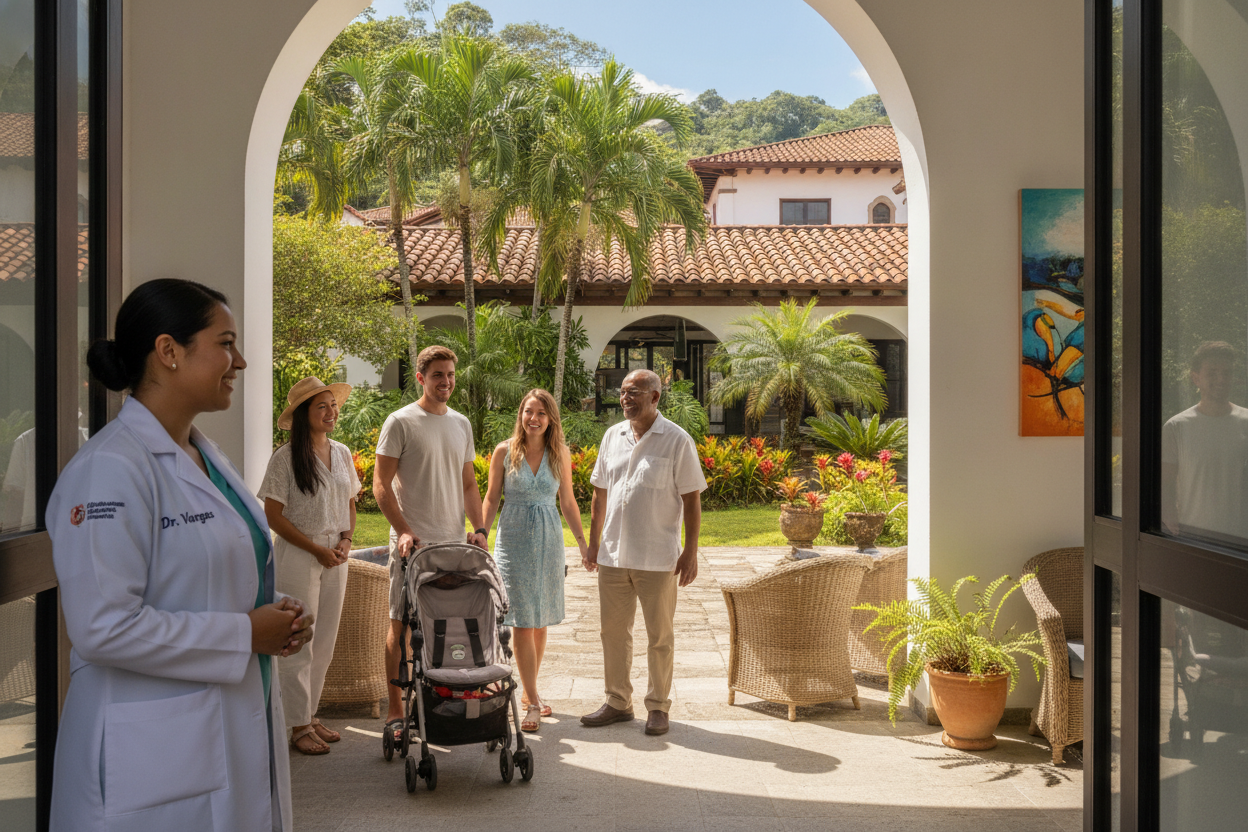
As we explore the healthcare landscape in Costa Rica, it’s essential to understand what makes this country stand out. Ranked 33rd globally for its healthcare systems, Costa Rica is known for its effective blend of public and private medical options. This means that whether you are a retiree or a digital nomad, quality health services are accessible.
Our guide aims to provide you with vital information about navigating the healthcare system. We’ll cover how both sectors operate, ensuring you feel confident in managing your medical needs in this beautiful Central American country. The continuous upgrades to medical infrastructure and staff training reflect Costa Rica’s commitment to providing excellent care.
For those considering a move, understanding the available healthcare options is crucial. We strive to offer clear insights, helping you make informed decisions about your well-being while living in Costa Rica. To learn more about pharmacy products in this country, check out our article on pharmacy products.
Overview of Costa Rican Healthcare: Public and Private Systems
Exploring the dual healthcare systems in Costa Rica reveals essential insights for residents. The country operates under two primary pillars: the public Caja Costarricense de Seguro Social (CCSS) and a robust network of private providers. This structure ensures that both locals and expats have access to quality medical services.
The public system offers universal coverage, funded through mandatory contributions. However, many residents opt for private health insurance to enjoy shorter wait times and personalized care. Private hospitals in the Central Valley often provide services that meet or exceed those found in the United States.
Additionally, Costa Rica continually upgrades its medical facilities, introducing new hospitals and advanced equipment to adhere to international quality standards. Understanding these systems is vital for expats aiming to secure the best possible medical coverage during their stay.
Navigating the Public Healthcare System in Costa Rica
Understanding the public healthcare system in Costa Rica is crucial for anyone looking to settle here. The Caja Costarricense de Seguro Social (CCSS) operates a vast network of 29 public hospitals and 250 clinics. This ensures comprehensive medical services are available to all legal residents.
To access this public healthcare system, you must first secure residency. There are three primary methods: Pensionado, Rentista, or Inversionista. Each method has specific requirements that you need to meet.
Once your residency is approved, enrolling in the Caja is essential. You will make a monthly payment based on a percentage of your declared income. Ébais centers serve as the first point of contact for minor health issues. For more serious conditions, larger public hospitals provide the necessary care.
It’s important to note that proof of payment to the Caja is required to obtain your official residency card, known as the DIMEX.
Exploring Private Healthcare Options for Expats
Private healthcare options in Costa Rica offer a compelling alternative for those seeking timely medical attention. Many expats prefer these facilities due to significantly shorter waiting times for non-emergency procedures compared to the public system.
Hospitals like CIMA in Escazú and Clínica Bíblica in San José provide a full range of services that mirror the high standards found in the United States. Choosing private providers allows you to select your own doctors and specialists, offering a level of control that is often limited within the public sector.
Moreover, private facilities are frequently staffed by English-speaking professionals, which can be a major benefit for newcomers who are not yet fluent in Spanish. While private care involves out-of-pocket costs, many residents find these expenses to be very affordable when compared to medical prices in North America.
Cost Considerations and Affordable Care in Costa Rica
Cost considerations play a vital role in choosing healthcare options in Costa Rica. The affordability of medical services here is impressive. Private doctor visits typically cost around $60, while specialists charge between $80 and $100 per visit.
When comparing prices with other countries, it becomes clear that the high quality of care provided in Costa Rica offers exceptional value for your money. Medical costs in Costa Rica are remarkably low, with standard doctor visits rarely exceeding $60.
Many medications that require a prescription in the United States can be purchased easily at local pharmacies, further reducing your overall health expenses. Even without insurance, the cost of private medical services remains accessible for most expats living in the country.
By maintaining a relationship with a local physician, you can effectively manage your health budget while ensuring you receive consistent and professional medical attention.
A Comprehensive Guide to healthcare-in-costa-rica-for-expats
Gaining access to quality healthcare in Costa Rica requires a clear understanding of the local medical landscape. First, it’s essential to identify your specific health needs and find a primary care physician who aligns with those requirements.
We recommend using platforms like HuliHealth to search for doctors and read verified reviews before scheduling your first wellness visit. This ensures you select a healthcare provider that meets your expectations.
Additionally, verifying the professional credentials of any doctor is prudent. You can do this by checking the official national registry to ensure they are properly categorized.
Establishing a relationship with a local physician allows you to create a tailored healthcare plan. This plan should include contingencies for emergencies and specialized care, ensuring you receive the best possible support during your time in the country.
Whether you are visiting a clinic or a hospital, being proactive about your health ensures you receive the best possible care throughout your stay.
Finding the Right Doctor and Specialist in Costa Rica

Finding the right healthcare professionals is a key aspect of maintaining your well-being in Costa Rica. Whether you need a family physician or a specialist, the country offers a variety of options to meet your health needs.
Many medical professionals here have received training from institutions in the United States or Europe. This ensures that they adhere to international medical standards, providing you with quality care.
If you live outside of San José, consider joining local community groups on Facebook. These groups can be excellent resources for recommendations on trusted medical practitioners.
We suggest scheduling an initial consultation with a potential specialist. This allows you to discuss your health history and see if their approach aligns with your needs.
With a wide range of highly qualified professionals available, you can find the right doctor to support your health journey in Costa Rica.
Residency and Healthcare: How CRIE Helps Expats
The journey to secure residency in Costa Rica intertwines closely with accessing quality healthcare. For expats, understanding this connection is vital. CRIE has been assisting individuals and families with residency and immigration services for over 20 years.
While CRIE focuses solely on residency, they recognize that obtaining legal status is the first step to accessing the public healthcare system. Each residency case is unique, influenced by nationality, family situation, and personal immigration history.
We emphasize that residency and enrollment in the Caja are separate processes. However, they are linked and require careful attention to detail. For personalized guidance on your residency path, reach out to Johanna Alvarez, our dedicated immigration expert.
Insurance Options: Public, Private, and International Plans
The range of insurance plans in Costa Rica offers expats diverse choices for their health coverage needs. Expats can select from government-backed INS plans or comprehensive international policies from providers like Cigna and Allianz.
The Instituto Nacional de Seguros (INS) provides flexible health insurance plans. These plans cover medical visits, surgeries, and hospitalizations at an affordable monthly rate, typically ranging from $50 to $250.
If you are not yet a resident, international health insurance plans are a popular route to ensure you have coverage while you navigate your move to the country. Many residents pair their mandatory Caja coverage with a private insurance plan for greater flexibility.
We recommend reviewing your policy details carefully. This will help you understand any age-related clauses or coverage limits that might affect your long-term health insurance strategy.
Quality, Access, and Unique Features of Costa Rican Medical Services
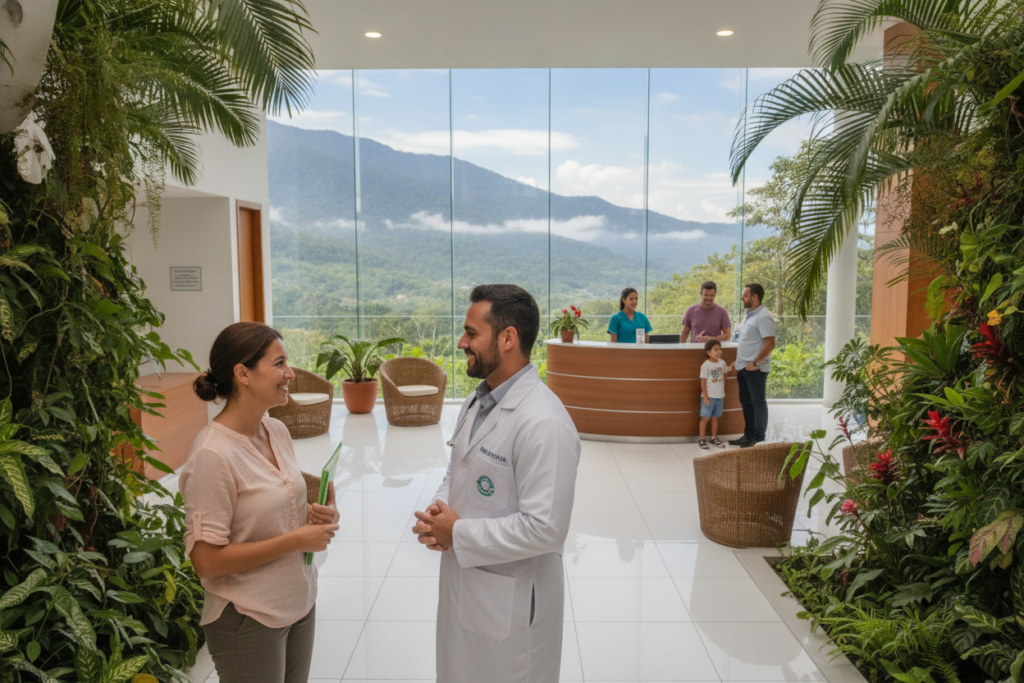
Access to top-notch medical services is a hallmark of the healthcare landscape in Costa Rica. The country is dedicated to maintaining high standards and improving its facilities continuously. For instance, Hospital Metropolitano has expanded its locations to San José, Quepos, Huacas, Liberia, and Santa Ana, ensuring residents have access to quality care.
While the Central Valley is home to major hospitals, regional facilities like the Clinical Hospital San Rafael Arcángel in Guanacaste are vital for local residents. This evolution in the healthcare system demonstrates a commitment to meet the growing population’s needs.
In Costa Rica, access to medical care is considered a fundamental right. The system offers unique benefits, including comprehensive vaccinations and prenatal care for all. Over the past 20 years, the integration of private and public services has created a robust medical landscape that supports the well-being of both locals and expats.
Final Steps for Embracing Healthcare in Costa Rica
To fully benefit from the medical services available, understanding the healthcare framework in this country is essential. Embracing the system requires a proactive approach. Combining public coverage with private insurance ensures you are fully protected.
We encourage you to establish a relationship with a local physician early on. This will serve as your primary contact for all medical inquiries. Understanding the nuances of the Caja and the benefits of private hospitals allows you to navigate your health needs confidently.
Every expat’s situation is unique. Take the time to research the specific facilities and insurance plans that best suit your personal circumstances. For personalized guidance on your residency and the next steps for your move, contact CRIE via WhatsApp at +506 8706 3888, email info@crie.cr, or visit crie.cr.
FAQ
What is the difference between public and private healthcare in Costa Rica?
The public system, managed by the Caja Costarricense de Seguro Social (CCSS), offers affordable services funded through taxes. In contrast, private healthcare provides quicker access and shorter wait times, often at a higher cost.
How do we enroll in the public healthcare system?
To enroll, we need to present our residency documents and identification at a local CCSS office. Once registered, we can access various medical services across the country.
What types of health insurance are available for expats?
Expats can choose from public insurance through CCSS, private health insurance plans, or international health insurance that covers services both locally and abroad.
Are there waiting times for medical services in the public system?
Yes, there can be longer waiting times for non-emergency services in the public system. Private healthcare typically offers faster service with shorter wait times.
How do we find a good doctor or specialist in Costa Rica?
We can ask for recommendations from other expats, check online reviews, or consult local directories to find qualified doctors and specialists in our area.
What should we expect in terms of healthcare costs?
Healthcare costs in Costa Rica are generally lower than in many countries. However, prices can vary widely between public and private services, so it’s essential to compare options.
Can we access emergency services in the public healthcare system?
Yes, emergency services are available in public hospitals. We can visit the nearest hospital for urgent care, but we may experience longer wait times compared to private facilities.
What are the benefits of having private health insurance?
Private health insurance offers benefits like quicker access to specialists, more extensive coverage options, and a wider choice of healthcare providers, making it a popular choice among expats.
How does residency status affect our healthcare access?
Our residency status determines eligibility for public healthcare. Once we obtain residency, we can enroll in the public system and access services, while private insurance is available regardless of residency.
Are there any unique features of Costa Rican medical services?
Yes, Costa Rica is known for its high-quality healthcare standards, modern facilities, and well-trained medical professionals, making it a popular destination for medical tourism.
Article by Glenn Tellier (Founder of CRIE and Grupo Gap)
Don't wait, contact us right now!
Call or WhatsApp Costa Rica +506 8373 2085 or +506 8706 3888
Call USA/Canada +1 305-906-6784