
Preparing for your residency interview in Costa Rica is an exciting step toward making this beautiful country your permanent home. With over 20 years of experience, CRIE has guided countless individuals and families through the complex immigration landscape. We understand the challenges that come with securing legal residency in this welcoming Central American country.
This guide aims to provide a friendly and educational overview of the application process. Our goal is to help you feel confident and well-prepared for your upcoming interview. We focus on delivering factual information that clarifies the requirements for residency.
As you embark on this journey, we want to demystify the interview process. By doing so, you can concentrate on the excitement of your new life in Costa Rica.
Understanding the Costa Rica Residency Interview Process
The journey toward residency in this vibrant country begins with understanding the interview process. This interview is a critical step in your residency application. It allows officials to verify your background and intentions in Costa Rica.
Under Article 27 of the Reglamento de Extranjería, DGME has a maximum of three months to resolve an application once all requirements are met, so submit a complete file and keep your documents current. Once your interview is successfully completed and your residency is approved, DGME asks you to complete your first DIMEX documentation within 90 days of being notified.
Understanding how this interview fits into the broader application timeline helps manage expectations while waiting for your official status. Remember, delays often occur due to incomplete documentation. Ensuring your file is complete before submission is vital for a smooth process.
For more information on traveling during the residency process, check out this guide.
Exploring Residency Options and Eligibility Requirements
Exploring the various residency options in Costa Rica can be a pivotal step toward establishing your new life. Understanding the pathways available is essential for a smooth transition. Each category—Rentista, Pensionado, and Inversionista—has unique financial and legal requirements.
The Pensionado category requires proof of a stable monthly pension income of at least USD $1,000. This ensures that applicants can support themselves while living in Costa Rica. On the other hand, the Inversionista pathway demands a minimum investment of USD $150,000 in local business or real estate, showcasing your commitment to the country.
Each residency category also requires specific documentation to demonstrate your financial stability and long-term commitment. We recommend reviewing these requirements carefully to ensure your chosen path aligns with your financial situation and future goals.
Preparing Thoroughly for Your Interview
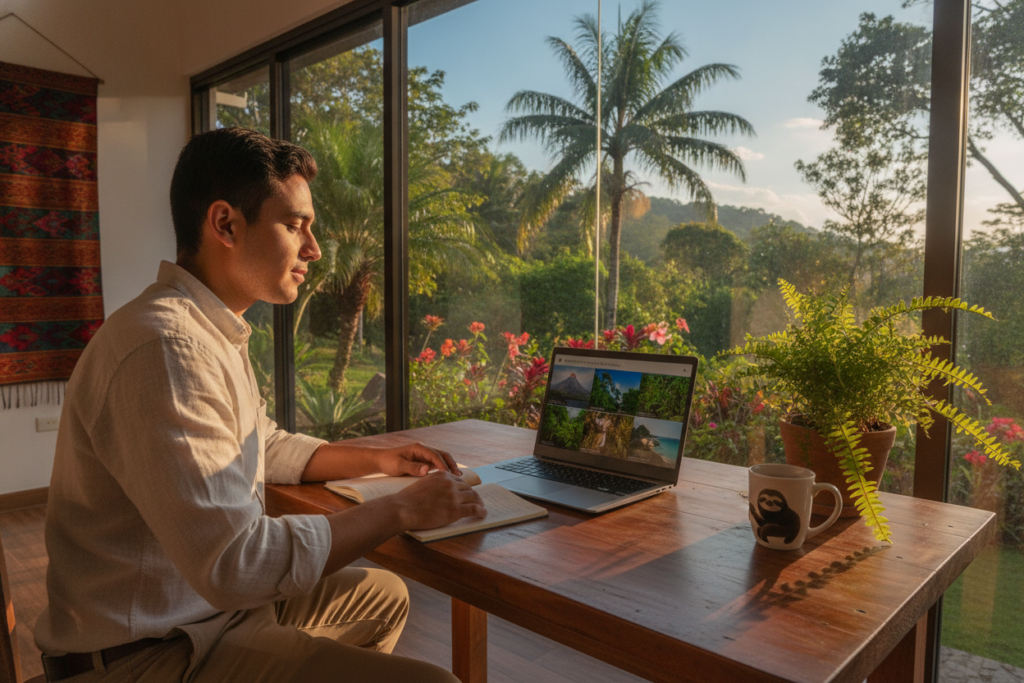
A successful residency interview in Costa Rica begins with thorough preparation and the right mindset. This preparation is essential for ensuring that you present yourself confidently and clearly during the interview.
First, organize all your original documents. Ensure your passport is valid for at least six months beyond your intended stay. Arriving on time at the immigration office in San José is crucial. Bring your appointment letter and all necessary supporting documentation.
Creating a detailed checklist of your pre-interview tasks can help you avoid missing any vital requirements. Additionally, maintaining a calm and organized mindset will enable you to answer questions effectively, showcasing your commitment to residency.
We recommend reviewing your application file multiple times. This will help ensure every document is accounted for before your appointment.
What to Expect: Key Interview Questions and Topics
Understanding what to expect during your residency interview is crucial for a successful application. Immigration officials will focus on your personal background and financial stability. They want to ensure you can support yourself while living in Costa Rica.
During the interview, be ready to discuss your work history and motivations for moving here. Officials often ask for proof of income, such as bank statements or pension verification letters. This documentation helps demonstrate your financial health.
It’s also important to explain your ties to Costa Rica. Be prepared to share why you chose this beautiful country as your new home. Providing clear and accurate information will show that you won’t be a burden on public resources.
Having your financial documents organized allows you to answer questions about your monthly income and savings with confidence and transparency.
Mastering the residency-interview-costa-rica Experience
Your interview day marks a pivotal moment in your path to residency, filled with opportunities to showcase your intentions. This day will involve a structured process, including document verification and a formal interview with an official.
To demonstrate your commitment to Costa Rica, clearly articulate your long-term plans for living, working, or retiring in the country. This shows that you are not just seeking residency but are eager to integrate into the community.
Being a respectful and prepared candidate involves understanding local culture and showing genuine interest in the community. This is your chance to confirm that you meet all the requirements for your specific residency application category.
We advise you to remain patient throughout the day, as the process may involve waiting periods at the immigration office in San José.
Essential Documentation and Financial Verification Requirements
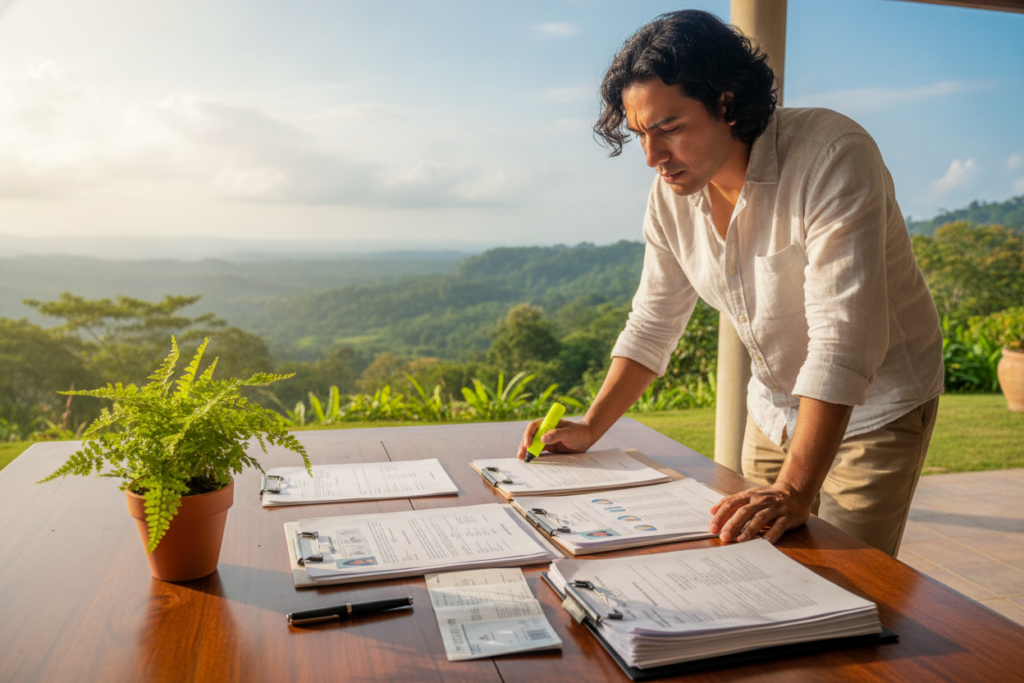
The documentation process is a crucial aspect of securing residency in Costa Rica. Gathering your vital documents, such as your birth certificate and police certificate, is a foundational step in your residency application process.
All documents must be accurate and, if not in Spanish, accompanied by a certified translation to be accepted by immigration officials. This ensures that your application is processed smoothly.
Gathering and Organizing Vital Documents
Financial verification requires you to provide bank statements that prove you have the necessary funds to support yourself in Costa Rica. These statements must clearly show your account history and balances.
Ensuring your documentation is complete and properly authenticated helps avoid the common pitfalls that lead to delays in your application approval. We recommend keeping a digital and physical copy of every document you submit to ensure you have a record of your application.
Medical Examination and Health Requirements
Navigating the medical examination requirements is a vital step in securing your residency in Costa Rica. Every applicant must undergo a medical examination, which includes a chest X-ray and blood tests for those 15 years of age or older. Additionally, tuberculosis (TB) testing is required for all children and adults who are two years of age or older to ensure public health safety.
It’s important to be prepared to discuss your medical history and any ongoing treatments during your residency interview if the official asks. The results of your medical exam are typically provided in a sealed envelope, which you must bring to your interview appointment.
Maintaining your health and having your vaccination records ready is a key part of the residency process for every applicant. For detailed requirements regarding medical certificates, please refer to this resource.
Navigating Language and Interpretation Challenges
Effective communication plays a vital role in your residency journey in Costa Rica. Language can be a significant hurdle during your residency application process. If you do not speak Spanish or English fluently, you have the option to bring one interpreter to help you during the interview.
Using an interpreter effectively ensures that your responses to the application questions are accurately conveyed to the immigration official. This can alleviate stress and help you focus on presenting your case clearly.
Additionally, learning basic Spanish phrases demonstrates your respect for the country and can help ease communication during your time in the office. Simple greetings like “Buenos días” can make a positive impression.
The language barrier is a common challenge, but with proper preparation, you can navigate the interview process with confidence and clarity. We suggest practicing your responses to common questions in advance to ensure you feel comfortable during the actual interview session.
Addressing Family and Background Verification Questions
When applying for residency, understanding family and background verification is essential. Immigration officials will inquire about your family ties and history to ensure transparency in your application. This step is vital for building trust and demonstrating your commitment to living in Costa Rica.
Discussing Family Ties and Marriage Considerations
Family-based residency applications require you to provide proof of your relationship. This includes an original birth certificate and a marriage certificate if applicable. Officials may ask detailed questions to verify the authenticity of your marriage, which must be maintained for at least two years.
Approaching Criminal Record and Background Queries
Obtaining police certificates is mandatory for every country where you have lived for the past two years. These documents verify your background and ensure you have no criminal record that would impede your residency application. Be prepared to answer honest questions about your family ties and history, demonstrating your transparency throughout the verification process.
Maintaining your legal status requires that you keep all your background documentation updated and accurate for the duration of your residency.
Overcoming Common Pitfalls and Interview Challenges
Successfully navigating your residency interview can involve facing various challenges. Being aware of these potential pitfalls is crucial for a smooth application process.
Many applicants encounter issues due to missing documents. It’s essential to be honest and ready to provide any additional evidence needed to clarify discrepancies. This proactive approach can significantly reduce delays in your application.
Building confidence during your interview is vital. Understanding the legal requirements and having a clear plan for your future status in the country can make a difference. Here are some strategies to help you succeed:
- Know your file thoroughly and be prepared to discuss your residency status.
- Communicate clearly with the immigration office if you encounter any documentation gaps.
- Practice common interview questions to feel more comfortable during the session.
- Stay patient, as the approval process can be lengthy and requires consistent follow-up.
- Anticipate challenges to navigate the interview process effectively.
By preparing for these common pitfalls, you can move closer to your goal of establishing residency in Costa Rica.
Your Next Steps in Embracing Costa Rica Residency
Transitioning to permanent residency involves understanding your obligations and embracing the opportunities that await you. Securing your residency card is a significant milestone, bringing you closer to enjoying the Pura Vida lifestyle.
As you move forward, remember to stay informed about your tax obligations and documentation requirements. Each residency application varies based on nationality, family situation, and immigration history, influencing your processing time.
For personalized guidance on your next steps and specific requirements, please reach out to Johanna Alvarez, our CRIE immigration expert. You can contact us via WhatsApp at +506 8373 2085, email info@crie.cr, or visit our website at crie.cr for more information.
FAQ
What documents do we need for the residency application?
We need several documents, including a valid passport, birth certificate, proof of income, and any relevant financial statements. Each residency category may have specific requirements, so it’s essential to check the details for our chosen pathway.
How long does the residency application process take?
The processing time can vary, but typically, it takes several months to a couple of years. Factors such as the completeness of our application and the current workload of immigration authorities can influence this timeline.
Are there specific income requirements for residency?
Yes, each residency category has its own income requirements. For example, the Rentista category requires proof of a steady income, while the Pensionado category requires a pension income. We must ensure that our financial documentation meets these standards.
What can we expect during the residency interview?
During the interview, we can expect questions about our personal background, financial stability, and our reasons for wanting to reside in Costa Rica. It’s essential to be prepared and articulate our motivations clearly.
Is a medical examination required for residency?
Yes, a medical examination is typically required. We must undergo specific tests to ensure we meet health requirements. It’s a good idea to prepare for health-related questions during the interview as well.
How can we prepare for language barriers during the interview?
If we are not fluent in Spanish, utilizing an interpreter can be helpful. Additionally, learning basic Spanish phrases can ease communication and demonstrate our commitment to integrating into Costa Rican culture.
What should we do if we encounter missing documents?
If we face missing documents, it’s crucial to communicate this to the immigration authorities as soon as possible. We should also have a plan to obtain any necessary replacements to avoid delays in our application process.
Can family members apply for residency with us?
Yes, family members can often apply alongside us, depending on the residency category. We should review the specific rules for including spouses and children in our application to ensure we meet all requirements.