
Thinking about making Costa Rica your new home? You’re not alone. Many individuals and families are drawn to this beautiful country for its stunning landscapes and vibrant culture. However, understanding the true cost of residency is crucial before you make the leap.
At CRIE, we have over 20 years of experience helping people navigate the complex immigration landscape. We ensure that every step of the residency process is handled with care and professionalism. This guide aims to provide you with an overview of the various residency options available.
We will cover essential factors such as government fees, legal assistance, and the financial thresholds needed for your application. Our goal is to equip you with factual information, helping you avoid common pitfalls that could complicate your transition to life in Costa Rica.
Whether you are a retiree, an investor, or a remote worker, our services are designed to provide the clarity you need. To learn more about our offerings, visit CRIE.
Understanding Residency Options in Costa Rica
Are you considering a fresh start in the beautiful landscapes of Costa Rica? As of May 2026, nearly 70,000 Americans have chosen to call this vibrant country home. They are drawn by its political stability and high quality of life.
Choosing the right residency path is a critical process. It depends heavily on your financial situation, age, and long-term goals for living abroad. Each residency category offers different benefits and limitations that must be carefully weighed before you begin your formal application.
Understanding these options early in your planning phase will save you significant time, money, and stress as you transition into your new legal status. Our educational approach ensures you have the facts necessary to select the program that best aligns with your personal and professional aspirations in this country.
For more detailed information on the fees associated with residency, check out this link.
Residency Pathways: Pensionado, Rentista, Inversionista, and Digital Nomad
If you’re exploring residency options in Costa Rica, you’re in the right place. There are several pathways to choose from, each catering to different needs and circumstances.
The Pensionado program is perfect for retirees. It requires proof of a guaranteed monthly income of at least $1,000 from a pension plan. This ensures that you can comfortably support yourself while living in this beautiful country.
For Rentista residency, DGME requires documentation issued by a competent authority showing that the applicant will receive stable and permanent income of at least US$2,500 per month for at least two years.
The Inversionista pathway is designed for individuals looking to invest in Costa Rica. A minimum investment of $150,000 in a qualifying business or property is necessary. This investment not only supports your residency but also contributes to the local economy.
Lastly, the Digital Nomad visa is ideal for remote workers. This option requires proof of remote income from abroad of at least US$3,000 per month (US$4,000 with dependents).
Document Collection and Application Process
Preparing to move to Costa Rica involves a detailed understanding of the application process. The first step is gathering your essential documents. This includes your birth certificate and marriage certificate, if applicable. It’s important to start this process before you arrive in the country.
Each official document must be authenticated with an apostille. Additionally, all documents need to be translated into Spanish by a court-approved translator. This ensures they will be accepted by immigration authorities.
As of March 2026, designated Banco de Costa Rica service points can issue physical DIMEX cards on the same day. This is a significant time-saver for applicants. Remember, your passport must have at least six months of validity remaining when you submit your application.
The submission process also requires biometric data, including fingerprints and photos. This information is crucial for tracking your file throughout the entire waiting time.
Breaking Down Financial Requirements and Costs
Understanding the financial aspects of moving to Costa Rica is essential for a smooth transition. The costs associated with residency can vary significantly, so it’s crucial to plan accordingly.
DGME lists a US$50 payment for a temporary or permanent residency application, and US$200 when changing from a non-resident status. A guarantee deposit may also apply depending on your category; confirm the current amount with DGME.
Beyond these official fees, it’s wise to budget for attorney services, document shipping, and the costs of opening a local bank account for your monthly deposits. Hidden expenses can arise, such as multiple trips to San José for appointments and professional translation fees for your personal records.
We recommend setting aside a contingency fund to cover unexpected costs that may arise during document authentication or the final approval phase.
A Deep Dive into cost-of-residency-costa-rica

Understanding the costs associated with establishing residency in Costa Rica can set you up for success. The total estimated expenses for completing the residency process depend on your category, documents, translations and government payments.
Many applicants find that their total investment, which includes legal fees and document preparation, falls within this range. It’s essential to consider that residency is not a one-time expense.
You must also plan for annual renewals and ongoing maintenance costs for your legal status. By grasping these financial realities, you can better prepare your budget for the long-term commitment required to live legally in this country.
We provide this deep dive to ensure you have a realistic expectation of the money required to navigate the immigration system without financial surprises.
Proving Income and Bank Deposit Requirements
Establishing residency in Costa Rica requires careful attention to financial proof. You must demonstrate your ability to support yourself through consistent income or substantial bank deposits. This documentation is vital for your application process.
For Rentista residency, DGME requires documentation issued by a competent authority showing that the applicant will receive stable and permanent income of at least US$2,500 per month for at least two years.
Pensionado applicants have a different requirement. They need to provide documentation from their pension provider, proving a guaranteed income of at least $1,000 per month. This ensures that you can comfortably live in Costa Rica without financial strain.
All financial proof must be well-documented. Immigration officials will closely examine your bank statements to verify the legitimacy and permanence of your funds. We recommend maintaining a clean record of all transactions, as this information is reviewed annually during the residency renewal process.
Understanding Investment Requirements for Inversionista
If you are interested in the Inversionista residency category, understanding the investment requirements is key. This pathway requires a minimum investment of $150,000 in a qualifying business or property that contributes to the economic development of Costa Rica.
It’s important to ensure that any property purchased for this residency requirement is registered in your personal name rather than through a corporate entity. While real estate is a common choice, investing in a business project is also an option, provided it meets the government’s specific requirements.
However, there are limitations to this category. You cannot simply sell your investment and retain your residency status without reinvesting the capital. We help you understand the nuances of these investment requirements to ensure your chosen project qualifies under current immigration laws.
Navigating CAJA and Social Security Requirements
As you embark on your journey to living in Costa Rica, understanding the local healthcare system is vital. Enrollment in the Caja Costarricense de Seguro Social (CAJA) is mandatory for all legal residents. This national healthcare system offers comprehensive medical coverage for its members.
Your monthly payments to the system are based on your declared income. Typically, these payments range from $60 to $300 per month for most applicants. Once you are a resident, you must visit your local EBAIS clinic to complete the enrollment process and receive your official healthcare card.
The CAJA system is designed to provide universal coverage. However, many residents opt for private insurance to access specialists more quickly. We guide you through the enrollment process to ensure your payments are correctly calculated and your coverage remains active throughout your residency.
Managing the Residency Renewal Process
Transitioning to permanent residency in Costa Rica is a significant step in your immigration journey. It is essential to understand the renewal process for your residency status to avoid any complications.
Maintaining your temporary residency requires you to renew your DIMEX card regularly, typically every two years. This helps ensure compliance with immigration laws.
After holding temporary residency for three years, you become eligible to apply for permanent residency. This status offers more stability and fewer renewal requirements.
If you wish to pursue citizenship, the TSE requires official residence of five years for Central Americans, Ibero-Americans and Spaniards by birth, or seven years for other nationalities. Additionally, you will need to pass exams on the country’s history and language.
Keeping track of your renewal dates is vital. Failing to update your status can lead to penalties or loss of legal standing. We assist you in managing these timelines, ensuring a smooth transition from temporary to permanent status.
Avoiding Common Residency Application Pitfalls
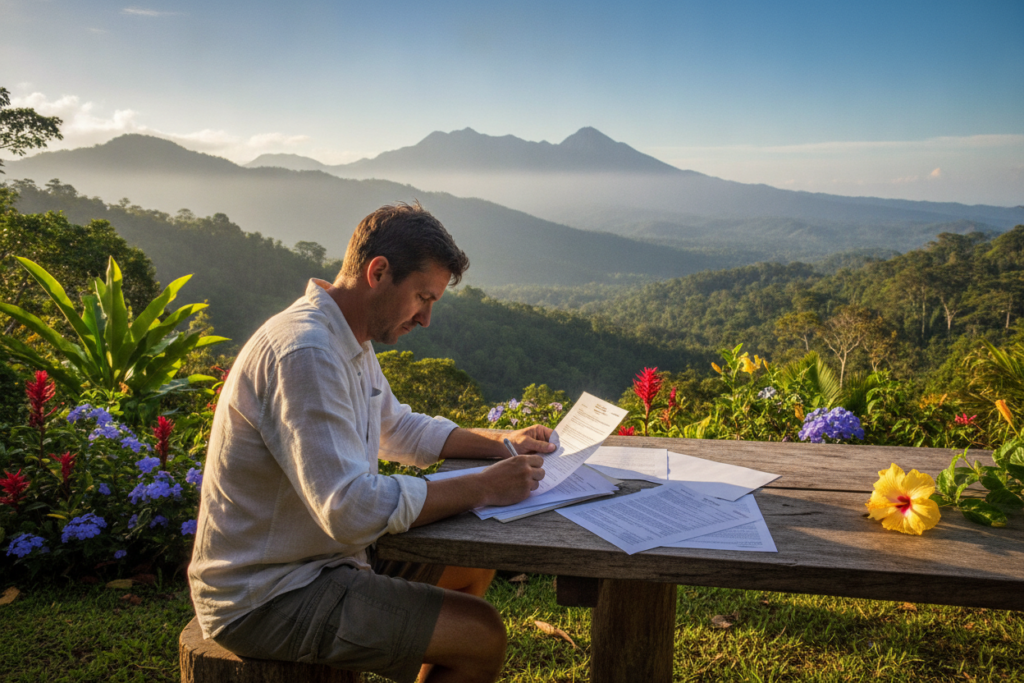
To successfully secure residency in Costa Rica, understanding potential pitfalls is essential. Many applicants face challenges that can delay their applications and complicate the process.
Preventing Documentation Mishaps
One common issue is submitting criminal background checks that are older than six months. This can lead to unnecessary delays in your application.
Another frequent mistake is inconsistent names across documents. Even minor discrepancies can cause significant processing delays. Ensuring that your name is the same on all paperwork is crucial.
Clarifying Income and Banking Requirements
Many applicants struggle with income requirements due to inadequate documentation. Providing clear proof of your financial stability is vital for a successful application.
We recommend having an experienced professional review your documents before submission. This can help prevent mistakes that often stall the immigration process.
By carefully verifying your requirements and ensuring all translations are official, you can avoid the frustration of having your application returned by the authorities.
How the Residency Journey Affects Your Daily Life
Choosing to reside in Costa Rica opens doors to a vibrant and affordable way of life. Many residents find that living here is not only rewarding but also significantly less expensive than in the United States.
Most couples report that they can live very comfortably on a budget of $2,000 to $3,000 per month. This amount typically covers all housing, food, and healthcare expenses.
Single expats often maintain a high quality of life with a monthly budget of $1,500 to $2,000. Your daily experiences will vary based on your location, as costs differ between beach towns, urban centers, and rural highlands.
We encourage you to consider how your Costa Rica residency will influence your long-term financial planning and daily routines in your new home.
The Impact of Family and Social Ties on Residency
Family connections can significantly influence your residency options in Costa Rica. If you have ties, such as marriage to a citizen or a child born in the country, you may qualify for specific residency options.
These family-based paths are often faster and have simpler documentation requirements compared to financial-based residency options available to other immigrants. We help families understand how their specific situation affects their eligibility for these programs.
Maintaining your Costa Rica residency through family ties still requires you to follow all legal procedures and provide the necessary proof of your relationship. Our goal is to provide the information you need to keep your family together while navigating the immigration system with confidence and clarity.
Comparing Costa Rica Residency with Other Options
When it comes to finding the right residency path, Costa Rica stands out among its neighbors. This country offers a well-established residency framework that provides clear paths for long-term legal status.
Unlike many other nations, Costa Rica’s immigration programs have remained consistent over the years. This stability is a significant advantage for those looking to settle down.
As you evaluate your options, consider the long-term benefits of each residency path. Some choices may offer more flexibility than others over the years.
Choosing the right program involves balancing your immediate needs with your future goals for living and working in this beautiful country. Our educational resources are designed to help you compare these options objectively.
Staying Updated with Immigration Rules and Trends
Keeping abreast of immigration updates is vital for anyone looking to settle in Costa Rica. Immigration rules can change, affecting various residency options, including the popular Digital Nomad visa.
The Digital Nomad visa, launched in 2021, remains a flexible choice for remote workers. It allows individuals to experience life in Costa Rica for one or two years while working remotely.
We monitor these regulatory changes closely. This ensures that our guidance remains accurate and that you are always aware of the latest trends in the immigration process.
Being informed about potential changes helps you adjust your plans. It also ensures that your application remains compliant with the most current laws.
Our commitment is to provide you with the latest insights. This way, you can navigate the evolving landscape of immigration with peace of mind.
Your Next Steps Toward Costa Rica Residency
Embarking on your journey to residency in Costa Rica can be both exciting and challenging. Once you secure your residency, it’s important to remember that your foreign driver license will no longer be valid. You must obtain a local driver license to operate a vehicle legally.
Exchanging your foreign driver license for a local one is straightforward. Simply visit the MOPT office with your residency card and passport.
Be cautious not to overstay your tourist visa while your application is in process. Doing so can lead to fines and complications regarding your future residency status.
If you are currently a tourist, ensure you have a plan to transition to legal status before your tourist visa expires. Every case depends on your nationality, family situation, and immigration history.
For personalized guidance and pricing, we recommend speaking with Johanna Alvarez, our immigration expert. You can reach her via WhatsApp at +506 8373 2085, email [email protected], or visit crie.cr to take your next steps toward Costa Rica residency today.

FAQ
What are the main residency options available in Costa Rica?
The primary residency options include Pensionado, Rentista, Inversionista, and Digital Nomad visas. Each has specific income requirements and documentation needed for application.
How much does it cost to apply for residency?
The costs vary based on the type of residency. Government fees, legal assistance, and additional expenses can add up, so it’s essential to budget accordingly.
What documents do we need to collect for the residency application?
Required documents typically include a valid passport, proof of income, background checks, and bank statements. It’s crucial to ensure all documents are properly authenticated.
How long does the residency application process take?
The processing time can vary significantly, ranging from a few months to over a year, depending on the type of residency and the completeness of the application.
Are there any specific income requirements for the Pensionado residency?
Yes, applicants must prove a stable monthly income, typically from a pension or retirement fund, meeting the minimum threshold set by the government.
What are the investment requirements for the Inversionista residency?
To qualify for Inversionista residency, we must invest a minimum amount in a business or property within Costa Rica, as defined by immigration regulations.
How do we enroll in the CAJA healthcare system?
Enrollment in CAJA is mandatory for residents. We must provide proof of residency and pay monthly contributions based on our income.
What should we do if our residency application is denied?
If our application is denied, we can appeal the decision or reapply, ensuring we address any issues that led to the denial in the first place.
Can family members join us when we apply for residency?
Yes, family-based residency options are available, allowing spouses and dependent children to apply alongside the primary applicant.
How can we stay updated on immigration rules in Costa Rica?
Regularly checking official government websites and consulting with immigration experts can help us stay informed about any changes in residency regulations.
Rentista financial requirement checked against DGME: Regularización Migratoria → Residencia Temporal → Rentista y sus Dependientes on 6 September 2026.