
Embarking on a journey to establish residency in this vibrant country is an exciting endeavor. For many, volunteering serves as a gateway to a new life. Our team at CRIE has dedicated over 20 years to helping individuals and families navigate the complexities of immigration.
Transitioning from a volunteer experience to long-term residency involves specific legal steps. These steps differ significantly from those taken by tourists. We understand the challenges and provide clear, practical guidance to ensure your transition is smooth and successful.
This guide is designed to be a foundational resource for those looking to merge their passion for service with the stability of legal residency. We aim to empower you with the knowledge needed to thrive in this beautiful country.
Introducing CRIE and Our 20+ Years of Experience
The path to securing residency in this enchanting country offers a unique adventure. For over 20 years, we have been dedicated to helping people from around the globe achieve their legal status in Costa Rica.
Our specialized team focuses solely on residency and immigration services. This allows us to provide personalized attention tailored to each client’s unique needs. We understand that relocating is a significant life change, and we prioritize clear communication throughout the process.
With our extensive experience, we help you navigate common challenges that newcomers face. Our goal is to ensure you have the support and clarity needed to focus on your aspirations while we handle the regulatory details.
Understanding the Costa Rican Residency Process
Navigating the residency process in this beautiful country requires careful attention to detail. Each individual’s journey is unique, influenced by factors such as nationality, family dynamics, and immigration history.
Before starting your application, it’s essential to gather necessary documents. This often includes birth certificates and criminal background checks that adhere to strict government standards. We assist families in ensuring that all paperwork is correctly authenticated and ready for submission.
Identifying the right visa category is crucial for your long-term goals. This step lays the foundation for establishing a permanent home here. Proper preparation is vital, as even minor errors in documentation can cause significant delays in your residency timeline.
The Role of Immigration in Volunteering in Costa Rica
Understanding the intersection of immigration and volunteering is crucial for a successful experience in this country. Many individuals begin their connection to Costa Rica by participating in a volunteer program while entering the country on a standard tourist visa.
It is vital to distinguish between the activities permitted under a tourist entry and those that require a formal residency or work permit status. While volunteering is a rewarding way to contribute, it does not automatically grant you the right to remain in the country indefinitely.
We help you understand how your current immigration status interacts with your desire to engage in meaningful service work within local communities. Staying informed about your legal obligations ensures that your volunteer activities remain compliant with all current national immigration regulations.
Merging Volunteer Work and Residency
Integrating your desire to contribute to local communities with the pursuit of legal residency is a rewarding yet complex process. To achieve this, a strategic approach is essential. Engaging with a local community allows you to make a positive impact while navigating the administrative requirements of your residency application.
We assist you in understanding how your ongoing commitment to service can be balanced with the legal responsibilities of a resident. By focusing on sustainable contributions, you can build meaningful relationships that enrich your life and the lives of those in your host community.
Our guidance helps you maintain a clear perspective on your legal status while you continue to support important local initiatives. This balance ensures that your volunteer efforts not only benefit others but also align with your residency goals.
Practical Steps for Your Residency Application
Taking the right steps in your residency application can significantly impact your future in this beautiful country. Accurate information is crucial to avoid delays in the process.
Submitting an accurate residency application is the most important step. Any discrepancies can lead to significant loss of time. We work with you to tailor your application to your unique situation, ensuring that all personal details and supporting documents align perfectly.
Providing precise information helps immigration officials process your request efficiently. This reduces the stress often associated with moving to a new country. Our practical approach focuses on the details that matter most, helping you navigate the bureaucratic requirements with confidence and clarity.
By preparing thoroughly, you can focus on your future in Costa Rica rather than worrying about the status of your pending application. For more guidance, check out our resource on travel during the residency process.
Navigating Immigration Regulations and Guidelines
Staying informed about immigration rules is essential for a successful residency journey. Immigration regulations in this country can change frequently, making it crucial to keep up with the latest guidelines.
We provide the necessary insights to help you navigate these shifting rules. This ensures that your residency strategy remains compliant with current laws.
Understanding the nuances of your specific visa category is vital for maintaining your legal status while residing here. Our team monitors policy updates to provide you with the most accurate information available for your residency journey.
Successfully navigating these regulations allows you to enjoy your time in this beautiful country. You can have peace of mind knowing that your legal affairs are in order.
Exploring Volunteer Opportunities That Complement Residency
Finding the right volunteer initiatives can enrich your experience while you work toward legal residency. Choosing programs that resonate with your interests allows you to connect deeply with the local culture.
Organizations like IVHQ have been facilitating service opportunities in Costa Rica since 2009. They offer a variety of projects that cater to dedicated individuals eager to make a difference.
We encourage you to select initiatives that align with your skills and passions. This ensures that your contributions are both meaningful and sustainable.
Engaging in these activities can provide a sense of purpose as you settle into your new life. Our goal is to help you balance your legal obligations with your desire to give back to the community.
How We Simplify the Residency Journey for Individuals and Families
We aim to ease the transition to residency for those seeking a new life here. Our team provides clear, step-by-step support for individuals and families moving to Costa Rica.
With over 20 years of experience, we handle the complexities of the immigration process. This allows you to focus on the excitement of your upcoming move.
We have developed efficient methods to manage the documentation and regulatory hurdles you may encounter. Every case is treated with the care it deserves, as your family’s future depends on the accuracy and success of your application.
By partnering with us, you gain a knowledgeable ally dedicated to making your transition to life in Costa Rica as smooth as possible.
Integrating Residency with Local Volunteer Programs
Combining your residency journey with community service can lead to fulfilling relationships and experiences. Engaging in local volunteer programs fosters cross-cultural understanding and community development.
By participating in these initiatives, you build lasting bonds with your neighbors while establishing your permanent presence in Costa Rica. Our support ensures that your service work remains a positive and enriching part of your life.
When you contribute your time and skills, you become a valued member of the community. This involvement enhances your overall experience in the country.
We help you navigate the intersection of your legal residency and your personal commitment to helping others. This balance is key to making the most of your time here.
Addressing Common Concerns About Residency and Immigration
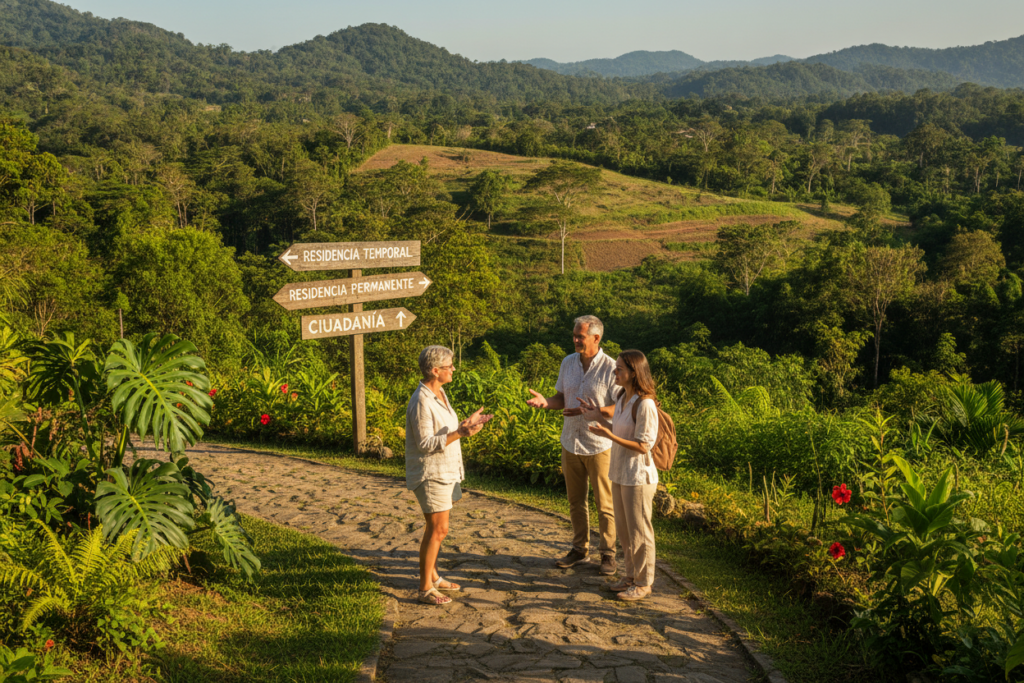
Concerns about residency and immigration are common among those looking to make a new life here. Many people have valid questions regarding the residency process, and we are here to provide clear answers.
Whether you worry about visa requirements or the timeline for approval, we offer the clarity needed to move forward with confidence. It’s important to understand the facts, as this knowledge helps you make informed decisions.
We also address common misconceptions about immigration, ensuring you have a realistic understanding of what to expect during your application. Our goal is to alleviate your stress by providing transparent information about the legal steps required for your stay.
By grasping the facts, you can protect your future and your ability to remain in this beautiful country.
Tips for a Smooth Transition to Life in Costa Rica
Transitioning to a new life in this beautiful country can be both exciting and challenging. Understanding local customs is key to feeling at home. We encourage you to prioritize your personal safety at all times.
Take the time to learn about the “Pura Vida” lifestyle. This approach emphasizes a calm and joyful way of living. It’s about enjoying each moment and embracing the local culture.
Staying aware of your surroundings is essential. Following local safety practices will help you feel secure as you settle into your new home. We provide practical tips to help you adapt to the local culture.
By respecting local traditions and staying informed, you can enjoy a peaceful and fulfilling life in this beautiful country.
Staying Updated on Immigration Policies and Changes
Staying informed about changes in immigration regulations is crucial for maintaining your legal status while living here. Immigration policies can shift, requiring constant vigilance for applicants.
We monitor changes in government regulations to ensure that your residency strategy remains effective over time. Being proactive about these updates helps you avoid potential issues and ensures compliance with the law.
Our commitment to providing current information allows you to focus on your life in the country without worrying about unexpected policy shifts. We encourage you to reach out to us whenever you have questions about how new regulations might affect your specific situation.
Personalizing Your Residency Strategy with Expert Insights
Crafting a personalized residency plan is essential for achieving your dreams in this vibrant nation. Our team understands that each individual’s journey is unique, shaped by personal backgrounds and long-term aspirations.
Johanna Alvarez, our CRIE immigration expert, is here to provide the personalized guidance you need. She will help you navigate your specific application and ensure that every detail aligns with your goals.
We analyze your situation to create a tailored plan that maximizes your chances of a successful residency outcome. Our dedicated team is committed to providing the professional support necessary to make your move to the country a reality.
By working with an expert, you gain the confidence that your residency strategy is built on a solid foundation of knowledge and experience. For more insights on residency options, feel free to explore our retirement tours.
Maximizing Your Volunteer Impact in Costa Rica
Choosing the right volunteer program can greatly enhance your experience in this vibrant country. It’s essential to select initiatives that address genuine needs identified by the local community. This ensures that your contributions are meaningful and effective.
We support your desire to contribute positively, helping you find opportunities that align with your skills and the conservation goals of the country. Engaging in well-structured volunteer programs leads to lasting and positive change for those you serve.
Our guidance helps you navigate the ethical considerations of volunteering, ensuring that your work is both respectful and impactful. By focusing on high-impact activities, you can make a significant difference while enjoying your time living in this beautiful nation.
Planning Your Move: Essential Considerations for Families and Individuals

Transitioning to life in a new country requires thoughtful consideration, particularly for families. Proper documentation is essential for those planning a move to Costa Rica.
We assist you in documenting your unique situation, ensuring that all necessary paperwork is prepared for your residency application. This preparation is vital for a smooth transition.
Thinking ahead about housing, healthcare, and daily life will help you adjust more easily to your new environment. Our team provides the support you need to manage these essential tasks.
By preparing thoroughly, you can ensure that your family’s transition to life in the country is successful and stress-free.
Your Next Step: Connect with CRIE for Personalized Guidance and Pricing
Connecting with experts can significantly ease your transition into a fulfilling life in this enchanting land. Your next step toward residency in this vibrant country is to reach out to our team for personalized guidance and transparent pricing information.
Whether you are a volunteer looking to extend your stay or a family planning a permanent move, we are here to help you succeed. Our experienced professionals are ready to assist you every step of the way.
Contact us via WhatsApp at +506 8373 2085 or email [email protected] to begin your journey. You can also visit our website at crie.cr to learn more about how we can support your residency goals and immigration needs.
We look forward to helping you navigate the process and making your dream of living in this beautiful country a reality.
FAQ
What types of volunteer programs are available in Costa Rica?
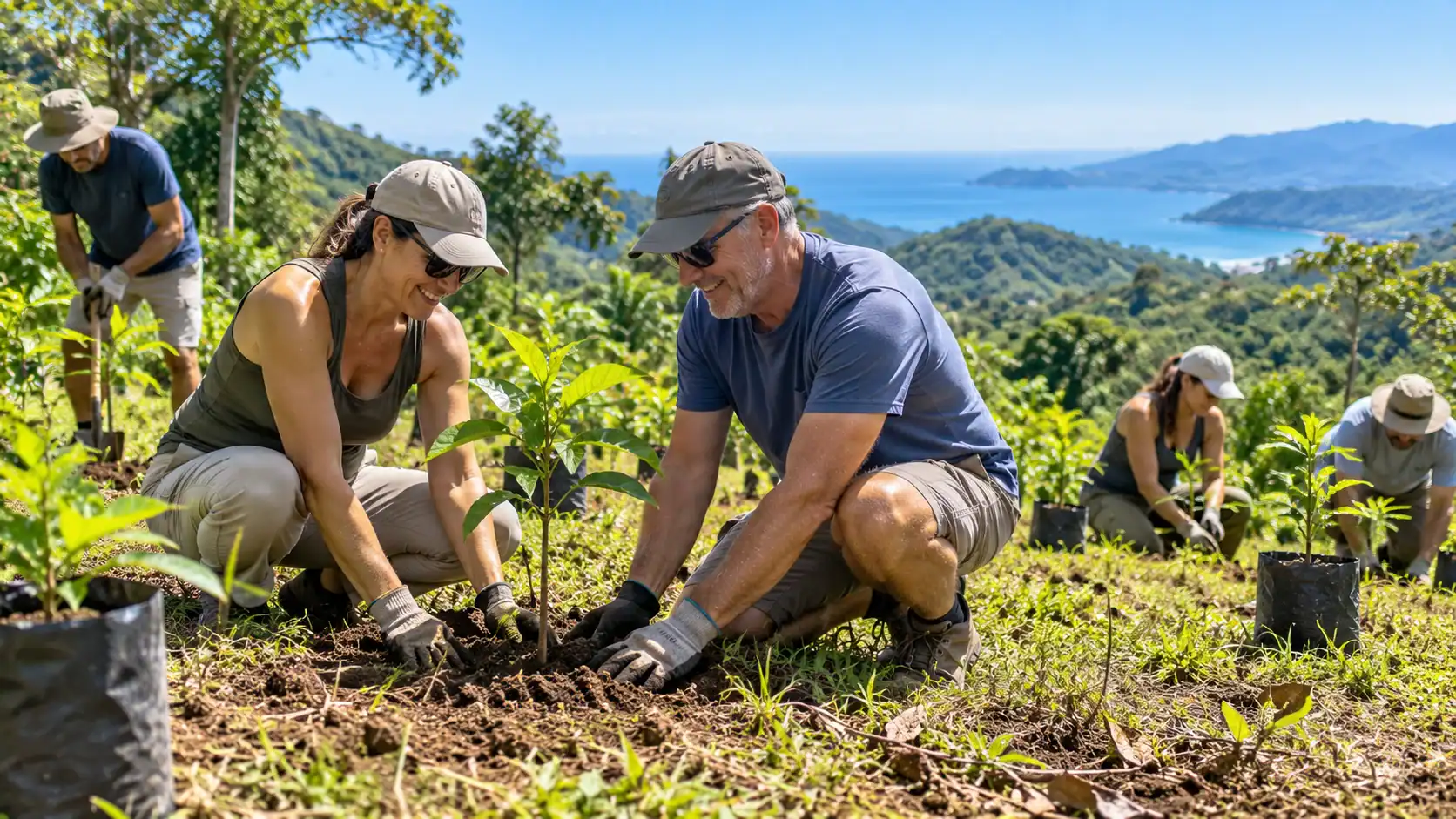
We offer a variety of programs, including conservation projects, community development, and education initiatives. Each program allows us to engage with local communities and make a positive impact.
How long can we stay in Costa Rica while volunteering?
The duration of our stay can vary based on the specific program and residency status. Many volunteers choose to stay for a few weeks to several months, depending on their availability and commitment.
Do we need a visa to volunteer in Costa Rica?
Yes, we typically need a visa for longer stays. It’s essential to check the specific requirements based on our nationality and the length of our volunteer work.
What is the process for applying for residency in Costa Rica?
The residency application process involves gathering necessary documents, submitting them to the immigration office, and waiting for approval. We can guide you through each step to ensure a smooth experience.
Are there any safety concerns we should be aware of while volunteering?
While Costa Rica is generally safe, it’s always wise to stay informed about local conditions. We encourage volunteers to follow safety guidelines and stay connected with our team for support.
How can we maximize our impact while volunteering?
We can maximize our impact by engaging fully in our projects, building relationships with local communities, and sharing our skills and experiences. Every small effort contributes to a larger positive change.
Can families volunteer together in Costa Rica?
Absolutely! We welcome families to join our programs. Volunteering together can be a rewarding experience that strengthens family bonds while making a difference in the community.
What should we pack for our volunteering trip?
We recommend packing lightweight clothing, sturdy shoes, personal items, and any specific gear needed for our volunteer project. Don’t forget essentials like sunscreen and insect repellent!
How do we stay updated on immigration policies?
We provide regular updates on immigration policies and changes through our website and newsletters. Staying informed will help us navigate the residency process effectively.
What support does CRIE offer during the residency application process?
Our team offers personalized guidance throughout the residency application process, helping us with paperwork, understanding regulations, and answering any questions that arise.