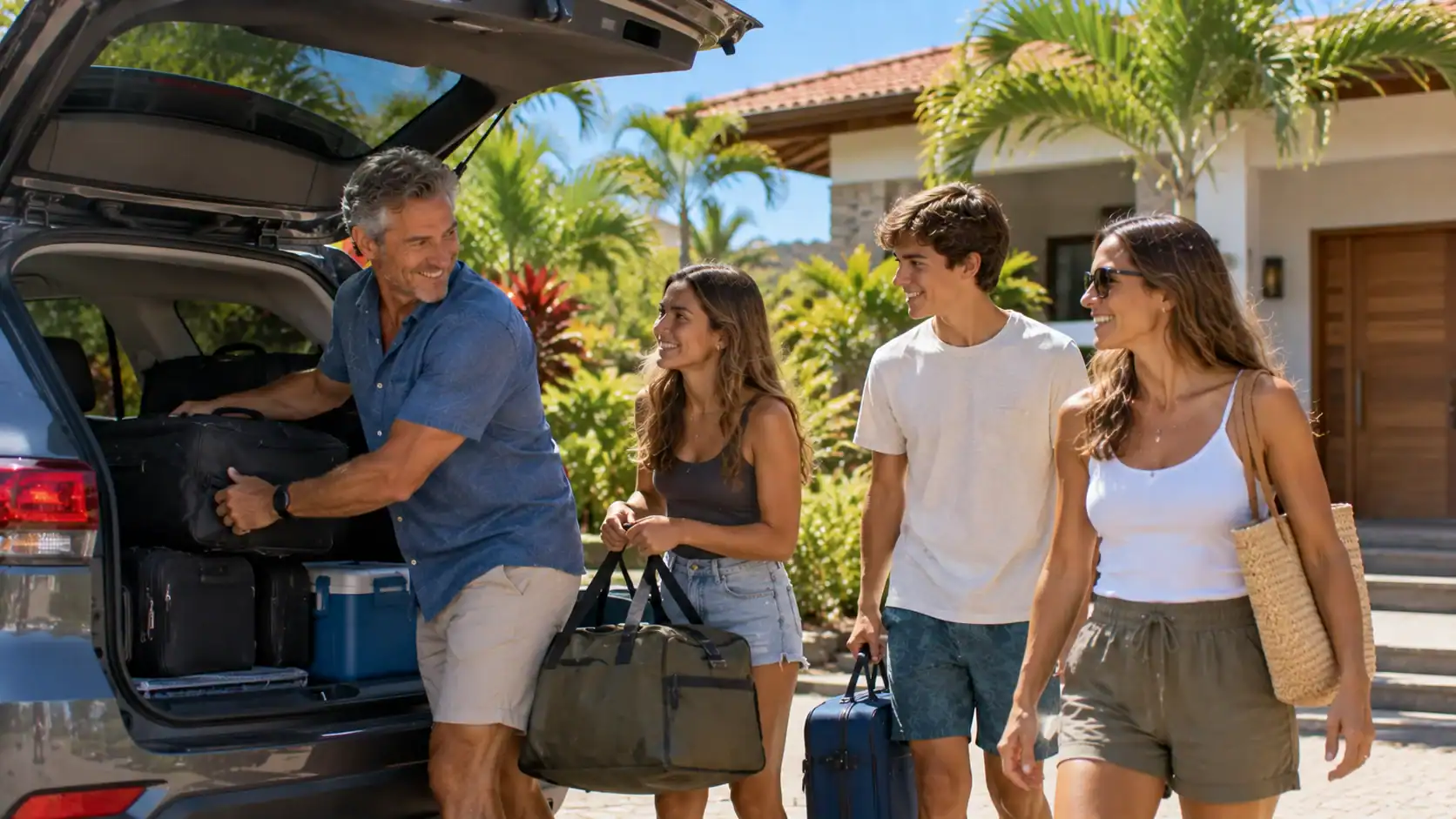
Relocating your blended family requires careful planning. This beautiful nation ranks highly as a preferred global destination. Its welcoming culture and stable environment make it a top choice for many.
We’ll guide you through how young dependents can join your application. They are included as dependents under your primary immigration program. This pathway helps keep your family unit together.
Documenting the legal relationship is absolutely critical for approval. Authorities need clear proof of your family ties. Proper paperwork forms the foundation of a successful case.
The journey typically takes 9 to 16 months from start to finish. We position ourselves as your expert partner through this complex system. Our role is to provide transparent, practical support every step of the way.
Starting preparation from your home country is essential. Gathering apostilled and translated documents cannot be rushed. Having everything ready before you arrive saves significant time and stress.
This country’s family-friendly policies are a major draw. Expats report high satisfaction with the quality of life and community. It’s an attractive place to begin a new chapter together.
Understanding Costa Rica Residency for Stepchildren

Eligibility for bringing stepchildren hinges on the primary applicant meeting specific financial and legal benchmarks. You must qualify under one of three primary categories.
Who Qualifies and Key Eligibility Criteria (Pensionado, Rentista, Inversionista)
The Pensionado (Pensionado) category requires a lifetime pension of at least US$1,000 per month. The Rentista (Rentista) path demands proof of US$2,500 in passive monthly income for two years.
For the Inversionista (Inversionista) route, a minimum investment of US$150,000 in local real estate or a business is needed. This property must be in your personal name, not a corporation’s.
We clarify that Digital Nomad status is not a residency category. It does not count toward permanent residency or citizenship goals.
Stepchildren aged 0-18 qualify automatically. Those 18-25 must be economically dependent and actively studying. Individuals over 25 may qualify only with a documented disability.
Legal marriage to the child’s biological parent is a non-negotiable requirement. Common law partnerships are not recognized for these purposes.
Overview of Stepchild Residency Benefits for Families
Once approved, dependents gain access to the national healthcare system (CAJA). They can enroll in local schools and universities without issue.
This status provides legal authorization to stay, eliminating tourist visa runs. It also creates a clear pathway to permanent residency after maintaining temporary status.
Temporary residency typically lasts for three years. Your stepchildren’s dependent status continues as long as they meet the age and dependency criteria.
Step-by-Step Process for Residency Preparation

The most critical phase of your journey begins in your home country with document collection. We cannot stress this enough—starting early from abroad is the key to avoiding stressful delays.
Pre-Arrival Document Checklist and Apostille Requirements
Your checklist includes apostilled background checks, birth certificates, and marriage records. An apostille is an international stamp that validates your paperwork for use in Costa Rica.
Each vital record must also be translated into Spanish by an official translator. Background checks and police clearances cannot be older than six months when you submit.
Timeline Milestones from Start to Submission
Months one and two are for gathering and apostilling your documents. The next month should be dedicated to completing the official Spanish translations.
Plan to arrive in Costa Rica on a valid tourist visa by month three or four. You must submit your complete application before that visa expires.
Always verify the latest visa requirements for your nationality at migracion.go.cr. The entire process, from preparation to approval, typically spans many months.
Navigating Qualification Requirements and Avoiding Common Pitfalls
Avoiding pitfalls in the qualification stage can save months of delays and unnecessary stress. We see many applicants trip over the same hurdles.
Identifying and Avoiding Documentation Mistakes
A critical error is submitting after your tourist visa expires. This renders your entire application inadmissible. Plan to arrive with at least 60 days left on your 90-day stamp.
All documents, like background checks, have a six-month validity. Expired paperwork causes immediate rejection. Proof of legal marriage to the biological parent is non-negotiable.
Common law partnerships do not qualify. Translations must be done by an authorized professional. Informal online services will not meet legal standards.
Tips on Meeting Financial and Legal Thresholds
For Pensionado, show pension statements proving at least US$1,000 monthly for life. Rentista applicants need bank records showing US$2,500 in passive income for 24 months.
The Inversionista route requires a personal investment of US$150,000. The property must be in your personal name at the National Registry. Corporate ownership does not satisfy this requirement.
For older dependents, provide proof of active study and economic dependency. Processing currently takes 12-16 months, despite a 90-day legal mandate. Ensure your residency for spouses and family applications are complete to avoid further delays.
Preparing Your Application: Essential Documents and Translations
We see incomplete paperwork as the top cause for delays. Getting it right from the start is crucial.
Comprehensive List of Required Documents for Stepchildren
For the young dependent, you’ll need an apostilled birth certificate naming both biological parents. Your apostilled marriage certificate to that parent is also mandatory.
If the child is over 18, a recent background check is required. Proof of ongoing study or dependency is needed for those aged 18 to 25. Don’t forget four passport photos.
As the primary applicant, your documents include an apostilled birth certificate and a background check under six months old. You must also provide proof of your pension, income, or investment.
Guidelines for Obtaining Apostilles and Accurate Spanish Translations
First, get original documents from authorities in your home country. Then, have them apostilled by the Secretary of State or equivalent office.
Every paper not in Spanish needs a full, literal translation by an authorized professional. The translator’s seal and credentials must be included.
Time this carefully. Background checks expire in six months. We recommend getting them last to maintain validity. Always verify the latest list at migracion.go.cr.
Understanding Timelines and How to Expedite the Process
Setting realistic expectations for the timeline is a cornerstone of a smooth immigration journey. We provide clear phases to help you plan.
Estimated Processing Times and Key Deadlines
The law mandates a 90-day resolution, but the current administrative reality is different. Families should plan for a processing time of 12 to 14 months.
Your most critical deadline is your tourist visa expiration. You must submit the complete application before this 90-day period ends.
Strategies to Prevent Delays and Maintain Application Validity
The best strategy is a flawless first submission. Ensure all documents are valid, translated by an authorized professional, and submitted together.
Once filed, you can stay in the country legally during analysis. Border runs are not required for your stay, but you need a valid entry stamp if you plan to drive.
Officially expediting the process isn’t possible. A perfect application is the fastest path. After three years of temporary residency, you can pursue permanent residency. Patience is required, but proper preparation defines success.
Final Steps and Next Moves on Your Residency Journey
With the groundwork laid, your focus now shifts to finalizing the process and planning ahead. You’ve learned how your family can secure legal status through various financial pathways.
The foundation is proper document preparation. Ensure all papers are apostilled and translated before arrival.
Your immediate next step is to gather these items or have them reviewed by experts. Professional guidance is invaluable for navigating this complex system smoothly.
After approval, temporary status lasts three years before you can apply for permanent residency. This pathway offers long-term stability.
Ready to move forward? Contact CRIE for expert support through every phase. WhatsApp: +506 8706 3888 | Email: info@crie.cr. Verify current requirements at migracion.go.cr.
FAQ
What are the main eligibility categories for a stepchild to obtain permanent residency?
A stepchild typically qualifies under a parent’s primary application in categories like Pensionado, Rentista, or Inversionista. The key is proving legal dependency and providing proper documentation, such as a birth certificate and marriage certificate of the biological parent to the sponsoring spouse. We help families navigate these specific requirements to build a strong case.
What are the primary benefits of securing this status for my family?
Securing this status provides long-term stability. It allows your stepchild to live, study, and access services here without the need for constant visa renewals. It’s a foundational step toward potential future citizenship, offering your entire family peace of mind and a unified legal standing in the country.
How long does the entire application process usually take?
A> The timeline varies, but you should generally plan for several months from document preparation to submission. Government processing itself can take additional months. We set realistic expectations upfront—while some steps can be efficient, bureaucratic review periods are a standard part of the immigration process that we manage for you.
What is the most common documentation mistake you see in these cases?
A> A frequent error involves incomplete or non-apostilled documents from the home country. Every vital record, like a birth certificate or marriage license, often requires an apostille and a certified Spanish translation. Missing this step is a major cause for delays or rejection, which we work meticulously to prevent.
Can you explain the financial requirement for the Rentista category for a family?
A> Certainly. For the Rentista visa, the main applicant must demonstrate a guaranteed stable income of at least ,500 per month for two years from a source like a pension or investment. When including a spouse and children, this amount increases. We provide clear calculations to ensure your application meets the exact threshold set by immigration authorities.
What specific documents are needed for my stepchild’s application?
A> You’ll need your stepchild’s original birth certificate, your marriage certificate to their biological parent, and passports for all involved. All foreign documents require an apostille and a professional Spanish translation. We provide a tailored checklist to ensure you gather every necessary piece from the civil registry and other entities.
Are there any strategies to help prevent delays in the process?
A> Yes, proactive preparation is key. We recommend starting document apostille and translation early, as these steps can take weeks. Ensuring all forms are perfectly completed and financial proofs are crystal clear from the outset prevents requests for additional information, which are a common source of slowdowns.
What should we do after submitting the application to the immigration department?
A> After submission, the file enters a review queue. We monitor its status and handle any follow-up requests from officials. During this period, you must maintain your legal status in the country. We guide you through this waiting phase and prepare you for the next steps, like obtaining your DIMEX card upon approval.
Article by Glenn Tellier (Founder of CRIE and Grupo Gap)
Don't wait, contact us right now!
Call or WhatsApp Costa Rica +506 8373 2085 or +506 8706 3888
Call USA/Canada +1 305-906-6784