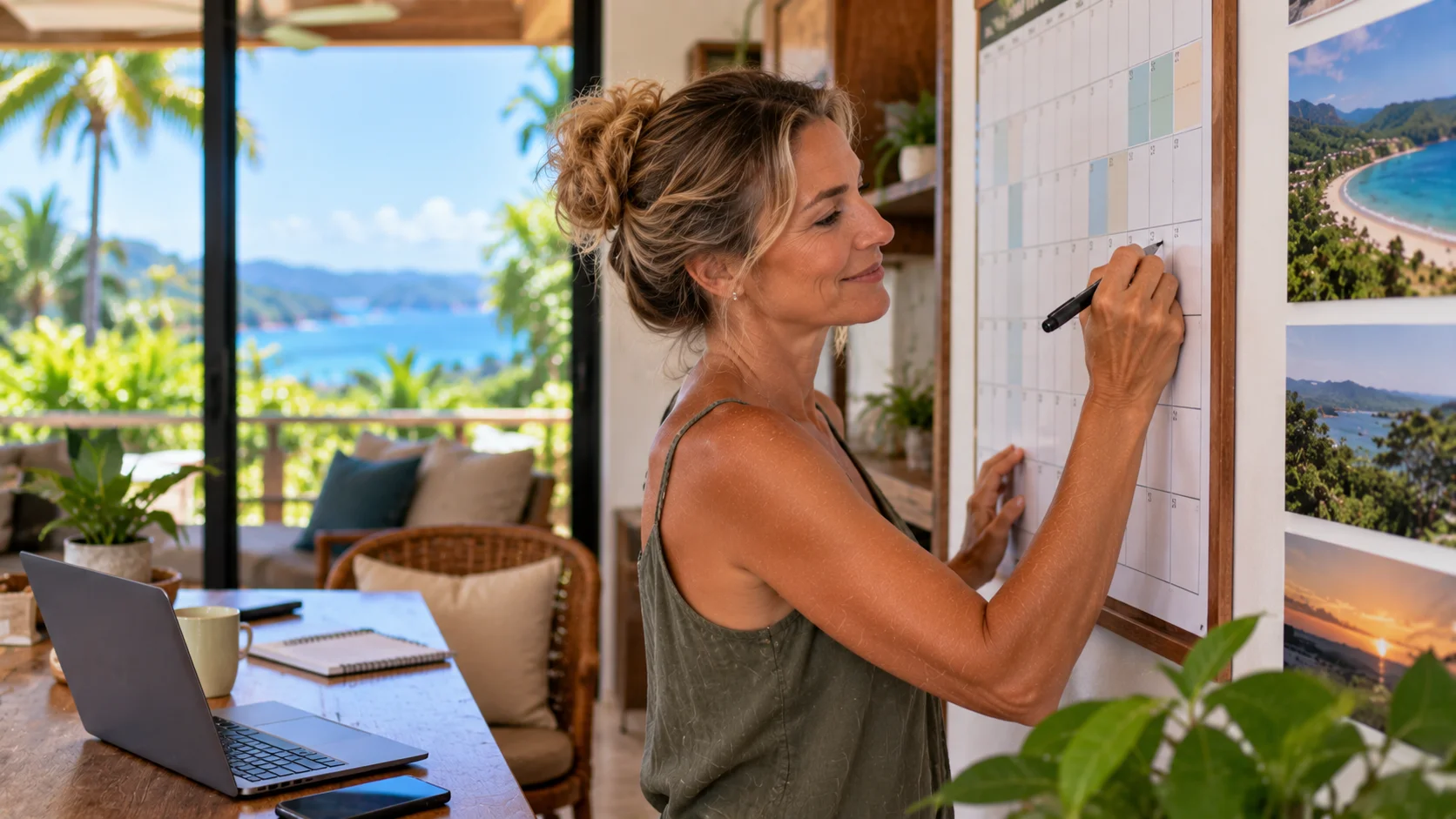
Moving to a new country is an exciting journey. However, the residency process can be complex. Understanding the timeline is essential for anyone planning to make Costa Rica their new home.

In this guide, we aim to simplify the steps involved in securing your legal status. We want to ensure that every applicant understands the requirements needed for approval. By following our structured steps, you can avoid common pitfalls and keep your application on track.

Our goal is to help you navigate this important transition smoothly. Whether you’re looking for temporary or permanent residency, knowing the process will empower you to make informed decisions. Let’s embark on this journey together!

Understanding the Costa Rican Immigration Landscape

Transitioning to a new environment can be both thrilling and daunting. With almost 70,000 Americans calling this beautiful country home, the appeal of Costa Rica continues to grow. The population has increased by about 14 percent annually since 2020, reflecting its attractiveness as a destination.

For over 20 years, we have dedicated ourselves to helping individuals and families navigate the complexities of residency and immigration. Our extensive experience allows us to guide clients through the intricacies of the legal landscape. We ensure that every applicant understands the requirements for becoming a permanent part of the Costa Rican community.

The Costa Rican immigration system is designed to manage the influx of residents while maintaining political stability and quality healthcare. Our mission is to provide practical guidance, ensuring that your journey to residency is as smooth as possible.

Exploring the Different Residency Categories

Starting fresh in a foreign land can open doors to exciting possibilities. Understanding the various residency options is crucial for a smooth transition. Each category caters to different financial situations and goals.

The Pensionado program requires proof of a stable monthly income of at least $1,000 USD from a recognized source. This option is ideal for retirees seeking a peaceful life.

For those with a higher income, the Rentista category demands a stable monthly income of at least $2,500 USD or a $60,000 USD bank deposit. This choice is perfect for individuals looking for more flexibility.

Investors might consider the Inversionista program, which necessitates a minimum investment of $150,000 USD in approved projects. This option is great for those looking to establish a business or purchase property.

Lastly, the Digital Nomad visa is designed for remote workers. Applicants must prove a stable monthly income of at least $3,000 USD to work for foreign companies.

Selecting the right residency category depends on your financial situation, age, and long-term aspirations for living in the country.

Key Requirements and Documentation Essentials

Embracing a new chapter in a different country can be both exhilarating and challenging. To ensure a smooth transition, understanding the key requirements for your application is crucial. Collecting and authenticating your documents is the first step in this process.

Collecting and Authenticating Your Documents

All foreign documents, such as birth certificates and criminal background checks, must be issued within the last six months. Additionally, every document needs to be properly apostilled or legalized by the corresponding Costa Rican consulate in your home region. Official translations into Spanish are mandatory for all documents not originally issued in Spanish.

Avoiding Common Documentation Pitfalls

Common pitfalls include using expired background checks or failing to authenticate marriage certificates before submitting the application. We recommend creating a detailed checklist to ensure every document meets the strict requirements set by immigration authorities.

costa-rica-residency-timeline: Step-by-Step Process

A vibrant and informative illustration of the "Costa Rica Residency Application Process," showcasing a step-by-step timeline in a photorealistic style. In the foreground, a diverse group of casually dressed applicants are engaged in various stages of the process, such as filling out forms, consulting with an advisor, and gathering documents. In the middle ground, a desk with Costa Rican residency application forms, a laptop displaying a checklist, and a small stack of important documents symbolizing organization. The background features a scenic view of Costa Rica's lush greenery, possibly the iconic Arenal Volcano or a serene beach, under natural sunlight that casts soft shadows, enhancing the atmosphere of hope and opportunity. The composition is warm and inviting, creating an inspirational mood for prospective residents.

The pathway to residency is filled with essential steps that must be followed for a successful transition. The formal application process begins with submitting your documents to the Dirección General de Migración y Extranjería for review.

Once your application is filed, you will receive an expediente number. This number allows you to track the status of your request, ensuring you stay informed throughout the process.

Realistic Timeline Estimates for Each Residency Category

Processing times for residency applications typically range from 6 to 12 months. This duration depends on the specific category you choose and the volume of applications being processed.

To avoid unnecessary delays, it’s crucial to follow all steps precisely. We assist you in monitoring your application status and handling any follow-up requests, ensuring your pathway remains clear and efficient.

Scheduling and Submission: Navigating the Application Process

Starting a new life in a foreign land involves navigating a series of important steps. One of the first tasks is to schedule your appointment at the immigration office. It’s advisable to book this one to two weeks in advance, as slots fill up quickly.

Under Resolution DJUR-0045-02-2026, designated Banco de Costa Rica service points now operate as full-service immigration hubs. These hubs can issue physical DIMEX cards on the same day, significantly reducing the previous backlog.

During your appointment, you will submit biometric data, including fingerprints and photos, which are essential for completing your application. Remember to bring all original documents and copies to ensure a smooth submission experience.

Understanding Processing Times and Waiting Periods

Understanding the waiting periods for residency applications can greatly influence your planning. The immigration department recently faced a significant backlog of 38,000 pending applications. This situation has prompted government intervention to enhance efficiency in processing times.

Typically, processing times for residency approvals can vary significantly, often taking between 7 to 10 months depending on current volumes. During this review phase, applicants are legally permitted to stay in Costa Rica with their receipt. This allows you to continue your life while waiting for your approval.

What to Expect During the Review Phase

As your application is reviewed, it’s essential to stay informed. If you need to leave the country during this waiting period, be sure to obtain an exit permit. This step is crucial to avoid canceling your application.

Managing Your Stay While Waiting for Approval

We understand that waiting can be stressful. However, knowing your rights as a residency applicant can ease some of that anxiety. We recommend keeping all your documents organized and ready for any potential follow-ups from the immigration authorities.

Cost Considerations and Budget Planning for Residency

Budgeting for a new life abroad is essential for a smooth transition. Understanding the costs associated with your residency application will help you prepare effectively.

Official government fees for residency applications generally include a $50 filing fee and a $100 approval fee for successful applicants. Additionally, the cost for DIMEX card issuance is approximately $123 for adults and $103 for minors, payable at designated bank locations.

Applicants should also anticipate additional expenses, such as attorney fees, document shipping, and official translations of personal records. We advise clients to budget between $5,000 and $6,000 USD to cover the complete residency process and any unexpected costs.

Moreover, monthly premiums for the CAJA healthcare system range from $60 to $300 USD, depending on your reported income level. Proper financial planning can alleviate stress and ensure a smoother transition to your new life.

Maintaining Your Residency: Annual Requirements and Renewals

Understanding the obligations tied to your residency status is crucial for a smooth life abroad. Once approved, you must maintain your residency by renewing your DIMEX card before its expiration date, typically every two years.

Enrollment and regular payments into the Caja Costarricense de Seguro Social are mandatory for all legal residents. This ensures you have access to essential healthcare services. Additionally, residents are required to visit the country at least once a year to maintain their legal status and benefits.

Failure to stay current with CAJA payments or DIMEX renewals can lead to complications with your residency status. To navigate this process smoothly, we recommend consulting with an attorney who can assist with renewals and ensure compliance with local regulations.

Legal Rights and Responsibilities as a Costa Rican Resident

Living in a new country brings both rights and responsibilities that shape your experience. As a resident of Costa Rica, you gain access to various benefits that enhance your quality of life.

Temporary residents enjoy the ability to live long-term, open bank accounts, and sign legal contracts. These privileges allow you to integrate into the community effectively.

Enjoying Your Residency Benefits

Pensionados and Rentistas, however, face restrictions on employment. They cannot work as employees but can own businesses and earn investment income. This distinction is crucial for understanding your financial options.

Understanding Work Restrictions and Other Limitations

After three years of temporary status, you can apply for permanent residency. This transition removes many work restrictions and simplifies your legal standing. As a resident, you also have the same property ownership rights as Costa Rican citizens, including access to local pricing for national parks.

While you enjoy many rights, remember that voting in national elections is reserved for those who obtain full citizenship. Understanding these aspects of your status will help you navigate life in Costa Rica more smoothly.

Pathways to Permanent Residency and Citizenship

Achieving permanent residency is a goal that many newcomers aspire to reach. After maintaining temporary residency for at least three years, you become eligible to apply for permanent residency in this beautiful country. This transition simplifies your legal status and reduces the need for frequent renewals associated with temporary categories.

Once you have established residency for five or seven years, depending on your nationality, you can request citizenship. This process requires passing a Spanish proficiency test and a civics exam to demonstrate your integration into the local culture.

We assist clients in tracking their time in the country to ensure they meet the eligibility requirements for permanent status. This support helps you stay informed and prepared for the next steps in your residency journey.

Tax Implications and Financial Reporting for New Residents

Navigating the financial landscape in a new country requires careful attention to tax obligations. Costa Rica operates under a territorial tax system. This means only income earned within the country is subject to local taxation.

Additionally, a sales tax of 13 percent applies to most purchases. Property tax rates remain low at approximately 0.25 percent. It’s important to note that U.S. citizens must continue to file tax returns with the IRS, regardless of their residency status in Costa Rica.

Foreign bank accounts exceeding $10,000 USD must be reported to comply with international financial transparency standards, such as FATCA. To better understand how your specific financial situation interacts with local laws, we recommend consulting with a cross-border tax advisor.

Common Pitfalls and How to Overcome Them

A photorealistic scene depicting the common pitfalls in the residency process in Costa Rica. In the foreground, a diverse group of individuals, casually dressed, are engaged in discussions, looking concerned while reviewing documents at an outdoor café table surrounded by lush tropical plants. In the middle, a subtle depiction of a checklist with ticked and crossed items, hinting at common mistakes like delayed paperwork and misunderstood requirements. The background features vibrant Costa Rican landscape, showing iconic elements like palm trees, mountains, and a clear blue sky, enhancing the sense of a friendly and inviting atmosphere. Soft natural lighting emphasizes the warmth of the environment, creating a mood of attentive focus and cautious optimism, captured from a slightly elevated angle to fully encompass the scene's dynamics.

Navigating the residency process can be a challenging experience for many newcomers. Many applicants encounter delays due to inconsistent application of rules by immigration officials or incomplete documentation in their files.

Inadequate proof of income or using joint bank accounts without proper documentation are common reasons for application denials. Staying informed about the current status of your file is key to navigating the challenges of the residency process.

Avoiding Incomplete Documentation and Income Verification Issues

To avoid issues, ensure all documents are complete and correctly verified. Working with experienced advisors can help you ensure your documentation is perfect, which is vital for a successful application.

Strategies to Address Processing Delays

Budget constraints within the immigration department have occasionally slowed down the approval of residency files for many applicants. Understanding these factors can help you plan accordingly and reduce frustration during the waiting period.

Real-World Insights and Practical Challenges

Navigating the intricacies of immigration can present unique challenges. Our experience at CRIE, spanning over 20 years, has shown us that preparation is key. Successful applicants pay meticulous attention to their documentation. This attention to detail often makes the difference between approval and denial.

Even seasoned travelers find value in professional guidance. The complexities of the immigration system can be overwhelming. Patience and proactive communication with immigration authorities are essential lessons we’ve learned over the years.

To enhance your residency journey, we recommend understanding potential hurdles. This knowledge will help you prepare your investment and income proof to meet the standards set by the authorities. For further information on traveling during the residency process, visit this link.

Embarking on Your Costa Rican Residency Journey

Taking the leap to establish your life in a foreign land is a significant step filled with opportunities. Securing your legal status is essential for fully embracing the Pura Vida lifestyle after your many years of planning.

We are dedicated to helping you achieve your goal of permanent residency, allowing you to enjoy your new life with peace of mind. Our team is prepared to offer personalized guidance tailored to your family’s unique situation and immigration history.

Every case depends on your nationality, family situation, and the specific requirements of the residency category you choose to pursue. For pricing and next steps, please reach out to our expert, Johanna Alvarez, at CRIE via WhatsApp at +506 8706 3888 or email info@crie.cr. You can also visit our website at crie.cr to learn more about how we can assist you throughout the entire residency process.

FAQ

What are the main residency options available in Costa Rica?

The primary residency options include Pensionado, Rentista, Inversionista, and Digital Nomad categories. Each option caters to different financial situations and lifestyle choices.

How long does the residency application process take?

The timeline can vary based on the residency category, but applicants should expect anywhere from a few months to over a year for processing and approval.

What documents are required for the residency application?

Essential documents typically include proof of income, background checks, and identity verification. Each residency category may have specific documentation requirements.

Can we work in Costa Rica with temporary residency?

Work permissions depend on the residency category. For example, Rentista and Inversionista residents may have different work restrictions compared to Pensionados.

What are the costs associated with applying for residency?

Costs include government fees, legal fees, and potential expenses for document authentication. It’s important to budget for these expenses to avoid surprises.

How can we maintain our residency status once approved?

Maintaining residency requires compliance with annual requirements, including DIMEX card renewals and contributions to CAJA, the national health insurance system.

What are the tax implications for new residents in Costa Rica?

New residents must understand their tax obligations, which may include income tax on Costa Rican-sourced income and reporting requirements.

What should we do if our application is delayed?

If delays occur, it’s advisable to stay in contact with the immigration office and ensure all documentation is complete and accurate to avoid further issues.

Is it possible to transition from temporary to permanent residency?

Yes, transitioning is possible. After meeting specific requirements, such as residing in the country for a designated period, one can apply for permanent residency.

What are common pitfalls in the residency application process?

Common pitfalls include incomplete documentation, failure to meet income requirements, and misunderstanding residency category criteria. Thorough preparation can help avoid these issues.

Article by Glenn Tellier (Founder of CRIE and Grupo Gap)

Don't wait, contact us right now!
Call or WhatsApp Costa Rica +506 8373 2085 or +506 8706 3888
Call USA/Canada +1 305-906-6784

See If You Qualify For Residency Today!