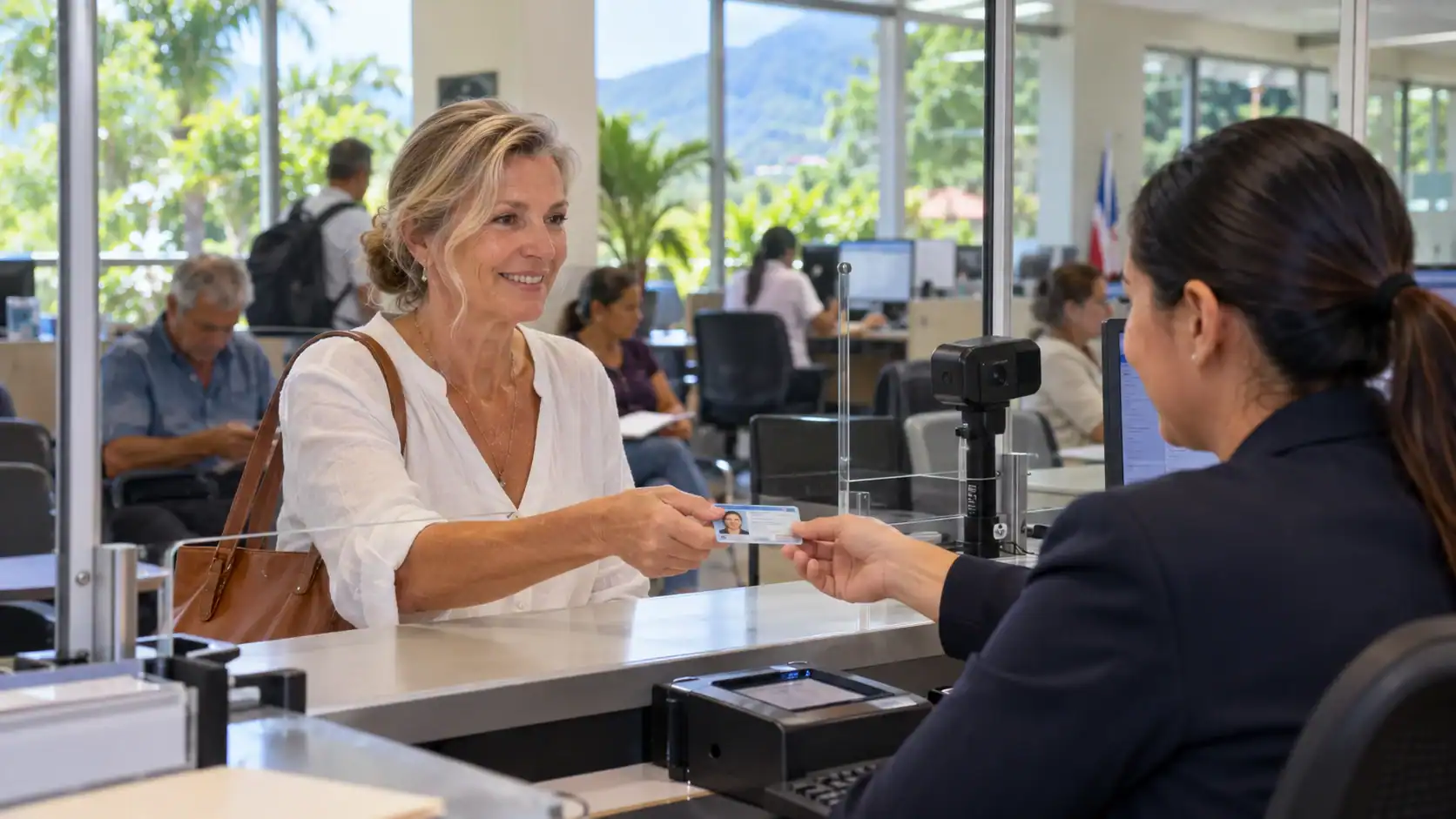
Understanding the implications of an expired residency is crucial for anyone living in Costa Rica. The DIMEX card, your official residency identification, plays a vital role in maintaining your legal status. Failing to renew this card can lead to serious complications.
For over 20 years, CRIE has been assisting individuals and families with their immigration needs. We strive to provide clear and practical guidance to navigate the complexities of the residency renewal process. If your card is nearing its expiration date, it’s essential to take the necessary steps to avoid legal issues.
Each situation is unique, influenced by factors such as nationality and family circumstances. Therefore, personalized guidance is recommended to ensure you meet your specific needs. This guide will outline the steps to take if your DIMEX card has expired or is about to expire.
Understanding Costa Rica Residency and DIMEX
Grasping the nuances of residency in Costa Rica can significantly impact your stay. The DIMEX card, or Documento de Identidad Migratorio para Extranjeros, is essential for all legal residents. It serves as your official identification, issued by the Dirección General de Migración y Extranjería.
Residency categories, such as Pensionado, Rentista, and Inversionista, come with specific requirements. Understanding your residency category is the first step in the renewal process. Each category has different rules that you must follow to maintain your legal status.
Your DIMEX card is more than just an ID; it proves your legal standing. It is necessary for opening bank accounts and signing contracts. Staying compliant with local immigration laws is crucial, as it ensures you avoid potential issues with your residency.
The Renewal Process for Your Residency Card
Initiating the renewal of your residency card is a vital step for maintaining your legal status. The renewal process can begin up to 90 days before the expiration date on your DIMEX card. Starting early can help you avoid unnecessary stress and complications.
For most residents under the age of 65, scheduling an appointment is a mandatory step. This ensures you have a dedicated time slot for processing your renewal. During your appointment, the authorities will verify your current status and confirm that all your personal information is accurate.
If you are 65 or older, you may be exempt from needing an appointment, which allows for a more flexible approach to your renewal. Regardless of your age, it’s essential to keep an eye on your card’s expiration date. Proper planning helps streamline the experience and reduces the likelihood of delays.
Critical Documents and Requirements
Collecting the necessary documents is essential for a smooth residency renewal process. Having everything in order can save you time and reduce stress. Below is a checklist of the essential documentation you will need.
Essential Documentation Checklist
- Your current passport, which must be in readable and undamaged condition.
- A birth certificate that clearly lists your parents’ names as they appear on the original document.
- Any additional documents, such as a marriage certificate, must meet the standards set by immigration authorities.
Tips for Document Preparation
We suggest creating a checklist of all necessary documents to ensure nothing is overlooked before your appointment. Providing accurate information regarding your parents’ names and your own birth details is fundamental for processing your residency.
Proper preparation of every document significantly reduces the risk of administrative errors that could complicate your legal standing in the country. For more detailed information on requirements, visit this link.
How to Handle an Expired Residency: Essential Steps
Taking prompt action after your residency card expires is essential for maintaining your legal status. If your residency has expired, you must act quickly, especially if you are within the three-month grace period. This time frame allows for a smoother renewal process.
For those who have missed the deadline by more than three months, a formal justification affidavit is required. This document explains the reasons for the delay in your renewal. The process for handling an expired card involves visiting the DGME offices in Costa Rica to submit your application and supporting evidence.
We advise against waiting until the last minute, as the renewal process becomes significantly more complex once your card has expired. Securing an appointment as soon as you realize your status has lapsed is the most effective way to minimize the impact on your life.
Understanding the specific requirements for an expired DIMEX will help you navigate the necessary steps to regain your full legal standing.
what-happens-if-my-costa-rica-residency-expires-our-expert-help
Understanding your options for residency renewal can safeguard your legal standing in Costa Rica. If you let your residency lapse, it may lead to serious consequences. This includes difficulties accessing banking services or signing contracts.
To avoid these issues, we recommend exploring your renewal options early. Being proactive ensures that you maintain your legal residency status, which is crucial for long-term stability in the country.
Failing to keep a valid DIMEX card can complicate your daily life. It can hinder your ability to prove your identity for official purposes. By managing your renewal effectively, you protect your rights and enjoy a smoother experience living in Costa Rica.
Navigating the System: Appointments and Processes

The appointment process for renewing your residency card is a key aspect of maintaining your legal status. Booking your appointment through official channels, such as Correos de Costa Rica or the BCR, is essential. You can reach the appointment system by calling 1311 from a Kolbi phone, which is the standard method for those in the country.
On the day of your appointment, aim to arrive at either Correos de Costa Rica or the bank branch at least 10 minutes early. This gives you time to prepare and reduces stress. It’s also advisable to communicate in Costa Rican Spanish, as staff may not assist in English.
We recommend having all your paperwork organized before your appointment. Being prepared helps ensure the process goes smoothly and that your DIMEX is processed correctly. For more information on renewal fees, visit this link.
Challenges with Document Verification and Translation
Navigating the document verification process can be a significant hurdle for those seeking residency in Costa Rica. One of the most common challenges is ensuring that all your documents are correctly translated by a certified Costa Rican translator. This is crucial for legal validity.
To avoid delays, careful attention to detail is necessary. Even minor errors in your paperwork can lead to the rejection of your application. We recommend verifying that all your documents meet the current standards required by immigration authorities in Costa Rica.
Relying on unofficial translations or incomplete files is a frequent pitfall that often results in significant delays. Working with a professional who understands local requirements can help you navigate these challenges effectively.
Proper document verification is a cornerstone of a successful application. It helps you avoid the frustration of having to repeat the entire process.
Considerations for Different Residency Categories
Each residency category has its own set of rules that can impact your life in Costa Rica. Understanding these distinctions is essential for maintaining your legal status. Whether you hold temporary or permanent residency, the requirements differ significantly.
For those applying through a spouse, providing a valid marriage certificate is crucial. This document proves that your relationship is current and recognized by immigration authorities.
Temporary vs. Permanent Residency Nuances
Permanent residency offers broader flexibility compared to temporary categories. However, it still requires adherence to specific regulations. We assist you in understanding the nuances of your residency category, ensuring that your life in Costa Rica remains stable and legally compliant.
For couples married in Costa Rica, proving your status can be simpler than for those needing to apostille a foreign marriage certificate. Every residency category has unique requirements, and we are here to help you manage the specific needs of your family and your life in Costa Rica.
Practical Tips for a Smooth Renewal Experience

To ensure a seamless renewal experience, it’s essential to manage your timelines effectively. Begin by checking your CAJA status and preparing your proof of income well before your appointment date. This proactive approach will save you time and reduce stress.
During the renewal process, you must provide a document showing your parents’ names and your birth details. These are standard requirements for every DIMEX card renewal. Additionally, when visiting the offices of Correos de Costa Rica or the BCR, ensure you have your passport and the correct amount of cash for fees.
Maintaining CAJA compliance is non-negotiable for your legal residency. You must provide proof of your most recent payment to qualify for renewal. We also suggest keeping your address and contact information updated in the immigration system. This ensures you receive all necessary notifications on time.
By following these practical tips, you can ensure that your DIMEX card renewal is a smooth process. This will allow you to continue your life in Costa Rica without unnecessary interruptions.
Wrapping Up: Next Steps and Personalized Guidance
Navigating the complexities of residency renewal is essential for a hassle-free life in Costa Rica. Being well-prepared and informed about your options can make this process manageable.
Every case is unique, influenced by factors like nationality, family situation, and immigration history. We encourage you to take action early to secure your legal status and ensure your life in the country continues smoothly.
For personalized guidance and current pricing, please contact Johanna Alvarez, our CRIE immigration expert, via WhatsApp at +506 8706 3888. You can also reach us at info@crie.cr or visit our website at crie.cr to learn more about how we can assist you.
FAQ
What should we do if our residency card has expired?
How long does the renewal process typically take?
What documents do we need for the renewal application?
Can we continue to live in Costa Rica while our renewal is being processed?
What happens if we fail to renew our residency on time?
Are there any specific requirements for different residency categories?
How can we ensure our documents are properly prepared for submission?
What should we expect during our appointment for renewal?
What is a justification affidavit, and when do we need to submit one?
How can we manage our renewal timelines effectively?
Article by Glenn Tellier (Founder of CRIE and Grupo Gap)
Don't wait, contact us right now!
Call or WhatsApp Costa Rica +506 8373 2085 or +506 8706 3888
Call USA/Canada +1 305-906-6784