
Many Americans are choosing to relocate to this beautiful country for its stunning landscapes and vibrant culture. With a tropical climate and a high quality of life, it’s no wonder that so many find themselves drawn to this destination. Over 120,000 U.S. citizens currently call this place home, creating a welcoming community for newcomers.
Each year, around 1.5 million tourists explore the area, often scouting for their future homes. The allure of the Pura Vida lifestyle is strong, and we understand that making such a significant move requires careful planning. However, the support network here is well-established, making the transition smoother for those who take the leap.
In this guide, we aim to provide valuable insights and tips to help you navigate the complexities of moving abroad while staying connected to your roots. Whether you’re considering a temporary visit or a permanent stay, we’re here to assist you every step of the way.
Understanding Costa Rica as a Retirement Destination
This vibrant nation captivates many with its rich culture and breathtaking landscapes. The essence of life here is embodied in the Pura Vida lifestyle, which promotes a relaxed and positive approach to daily existence. This way of living resonates deeply with newcomers, offering a refreshing change from the hustle and bustle of their previous environments.
With over 600 miles of stunning coastline and diverse ecosystems, this locale is a haven for nature lovers. Retirees can enjoy activities like hiking, birdwatching, and exploring national parks filled with unique wildlife. You might even spot sloths, monkeys, and jaguars, showcasing the incredible biodiversity that this region has to offer.
The local community is known for its warm hospitality. Ticos often greet newcomers with the Pura Vida phrase, fostering a sense of belonging. Embracing this slower pace of life is often cited as a primary reason for feeling more vibrant and fulfilled after making the move.
Navigating Residency and Immigration with CRIE’s Expertise
The allure of this Central American gem continues to attract individuals and families seeking a fresh start. For over 20 years, we have been dedicated to assisting those looking to establish legal residency in this beautiful nation. Our expertise ensures that you receive tailored support throughout the application process.
Understanding the requirements set by the government is crucial. Each residency category has specific documentation and financial criteria that must be met. We guide you through the various visa options, helping you determine which path aligns best with your family situation and long-term goals.
With our extensive experience, you can avoid common pitfalls. We ensure your paperwork is handled with the necessary precision, allowing you to focus on embracing your new life. Trust in our knowledge to navigate the complexities of residency and immigration.
Retiring in Costa Rica from the United States: Key Considerations
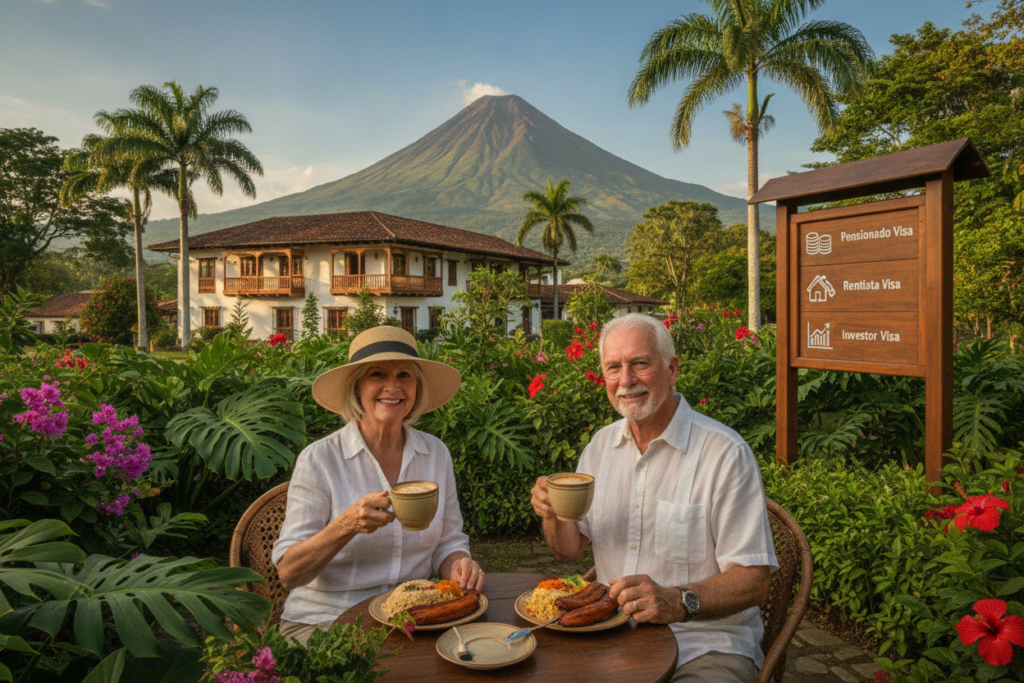
A growing number of expats are discovering the unique opportunities available in this tropical paradise. Understanding visa options is essential for a smooth transition. Each visa type has specific income requirements that you must meet.
The Pensionado visa is ideal for those with a stable monthly income of at least $1,000 from a pension or Social Security. This option allows retirees to enjoy a comfortable lifestyle.
DGME requires documentation issued by a competent authority showing stable and permanent income of at least US$2,500 per month for at least two years. If the income comes from abroad, the supporting documentation must be legalized and authenticated, or apostilled, by the corresponding authorities. Investors may also explore the Inversionista visa, which necessitates a minimum investment of $150,000 in real estate or a business.
Financial planning is critical. Your retirement income must be verified through official documentation to satisfy immigration authorities. We recommend reviewing your specific financial situation to ensure you meet the income thresholds required for your chosen residency visa.
Lifestyle and Community Insights for U.S. Expats
Expats are increasingly finding their place within vibrant communities across this beautiful country. Many retirees discover that settling into established areas like Tamarindo, Santa Ana, or the Central Valley simplifies their transition. These locations offer robust support networks where newcomers can connect with others who share similar interests.
Adapting to local culture is crucial for a fulfilling experience. Learning Spanish is highly recommended, as it fosters deeper connections with the friendly Tico population. Engaging with neighbors can lead to meaningful friendships and a richer understanding of daily life.
Volunteering is another excellent way to integrate into your new community. Many retirees contribute by helping protect sea turtles or supporting local schools. By actively participating in local life, you will find that your experience becomes significantly more rewarding and socially fulfilling.
For more insights on this journey, check out the benefits of relocating to Costa.
Understanding Healthcare Options in Costa Rica
Access to quality healthcare is a crucial factor for many considering a move to this tropical paradise. Once you become a legal resident, you must enroll in the Caja, the public healthcare system. This system provides comprehensive coverage for various medical needs.
Many retirees find this system affordable and beneficial. However, many expats choose to supplement public care with private insurance for quicker access to specialists.
Private hospitals, such as Hospital CIMA in Escazú and Hospital Clínica Bíblica in San José, offer world-class medical care. These facilities often provide high-quality services at lower costs than in the U.S. With many doctors trained abroad, you can expect a high standard of care in private clinics.
Budgeting for Your Costa Rican Retirement
Budgeting is a crucial step for anyone planning to settle in this enchanting locale. Many retirees find that living comfortably requires a monthly budget between $2,000 and $3,500. This range largely depends on individual lifestyle choices.
Your total cost of living can vary significantly. Choosing to reside in a bustling tourist area will likely lead to higher expenses compared to a quieter rural village. By shopping at local ferias for fresh produce, you can lower your grocery costs considerably.
Renting a home is another significant part of your budget. Prices can range from $500 for modest accommodations to $5,000 for luxury options. We recommend tracking your spending for the first few months to align your budget with your new daily life.
For more detailed insights, check out the requirements to retire here.
Navigating Banking, Taxes, and Financial Services
Understanding the banking landscape is essential for a successful transition to life abroad. Opening a costa rican bank account is a necessary step for residency. However, it requires providing extensive documentation to comply with strict anti-money laundering regulations.
One significant advantage is the territorial tax system. This means your foreign-sourced retirement income is generally not subject to local income tax. However, it’s important to remember that you must still fulfill your U.S. tax obligations. The IRS requires citizens to report worldwide income regardless of where they live.
When selecting a rican bank, ensure they understand the needs of expats. This can help facilitate your monthly income transfers effectively. Maintaining a compliant bank account is crucial for managing your finances and paying your monthly Caja contributions on time.
Real Estate and Property Ownership Insights
Exploring property options is essential for those considering a new life in this stunning locale. Foreigners can generally own titled property, although special rules apply to the Maritime Zone and other restricted areas. This makes it crucial to understand the local laws before making any investment.
Most buyers should budget between $150,000 and $250,000 for a property that meets North American standards. Investing in real estate is a common goal for many retirees, but thorough research is necessary to ensure compliance with property laws.
Here are some key points to consider:
- While you can own titled property, always verify the status of the land, especially if it is located within the restricted Maritime Zone.
- Popular areas for real estate include the Gold Coast and the Central Valley, where property values have remained stable over the years.
- We recommend working with a reputable agent to ensure your property transaction is secure and all legal titles are properly registered.
- Whether you are looking for a beach condo or a mountain home, the real estate market offers diverse options for every budget.
For more information on residency and property ownership, check out residency document validity rules.
Practical Tips for a Smooth Transition
Embarking on a new adventure in a foreign land requires careful planning and adaptability. We recommend preparing your documentation early to meet all government requirements without unnecessary delays. This preparation is essential for a smooth residency application process.
You will need to translate and apostille your birth certificates and background checks into Spanish. This process takes time and careful attention, so starting early is beneficial.
Preparing Documentation and Meeting Requirements
Cultural adaptation is a journey. Many retirees find that adopting a mañana mindset helps them navigate the local pace of life. Embracing this attitude can ease the transition and enhance your experience.
Cultural Adaptation and Lifestyle Adjustments
During the rainy season, adjusting your daily routine is essential. Many expats find that using a dehumidifier helps maintain comfort in their homes. This time of year is also a great opportunity to enjoy the lush greenery that comes with the rains.
Planning your move well in advance allows you to focus on the exciting aspects of starting your new life in this beautiful country.
Embracing Your New Life in Costa Rica
With its inviting atmosphere and diverse landscapes, this region continues to be a top choice for those looking to start anew. Many find that living here offers a unique blend of beautiful beaches, a supportive community, and a high standard of living.
Whether you prefer the mountains or the coast, numerous options await to help you build the retirement life you have always envisioned. As one of the most popular countries for expats, this locale provides a welcoming environment for those ready to embrace a new way of living.
Once you become a legal resident, you can fully immerse yourself in the local culture and enjoy the long-term benefits of your move. For personalized guidance on your residency options and current pricing, please contact our immigration expert Johanna Alvarez at WhatsApp +506 8373 2085, email info@crie.cr, or visit crie.cr.
FAQ
What are the main benefits of retiring in Costa Rica?
We enjoy a lower cost of living, stunning natural beauty, and a welcoming culture. The Pura Vida lifestyle promotes relaxation and community, making it an attractive option for many.
How do we obtain residency in Costa Rica?
We can apply for residency through various visa options, including the Pensionado and Rentista programs. Each has specific requirements, but with proper guidance, the process can be manageable.
What healthcare options are available for expats?
We have access to both public and private healthcare services. The public system is affordable, while private care offers quicker access and more personalized service.
How can we manage our finances while living abroad?
Opening a local bank account is essential for managing our monthly income. We should also understand the tax implications of living in a new country to avoid any surprises.
What is the cost of living like in Costa Rica?
The cost of living varies by region, but many find it significantly lower than in the U.S. Housing, groceries, and healthcare can be quite affordable, depending on our lifestyle choices.
Are there established expat communities in Costa Rica?
Yes, we can find vibrant expat communities in various regions. These communities offer support and resources, making it easier to adapt to our new environment.
What should we know about real estate and property ownership?
We can purchase property in Costa Rica without restrictions. However, it’s important to work with a reputable real estate agent to navigate the local market effectively.
How do we prepare for cultural adaptation?
Embracing local customs and learning Spanish can greatly enhance our experience. We should also be open to new ways of life, which can enrich our time in this beautiful country.
Rentista financial requirement verified on 6 September 2026 against DGME: Regularización Migratoria — Residencia Temporal — Rentista y sus Dependientes.