
Understanding residency fraud is crucial for anyone considering a move to Costa Rica. This term refers to the intentional misrepresentation of one’s domicile to gain legal status or benefits. Misleading authorities can lead to severe consequences for individuals seeking citizenship or residency.
We aim to shed light on the complex residency fraud issues that may arise when false information is provided. It is essential to navigate the immigration process with honesty to ensure your residency status remains secure.
By focusing on transparency, we help you avoid common pitfalls associated with fraud. Protecting your legal standing is vital, as dishonesty can jeopardize your ability to live and work abroad. Accurate record-keeping is the first step toward establishing a legitimate residency status.
We are here to guide you through these complexities, ensuring your transition to a new life in Costa Rica is built on a foundation of truth.
Understanding Residency Fraud in Costa Rica
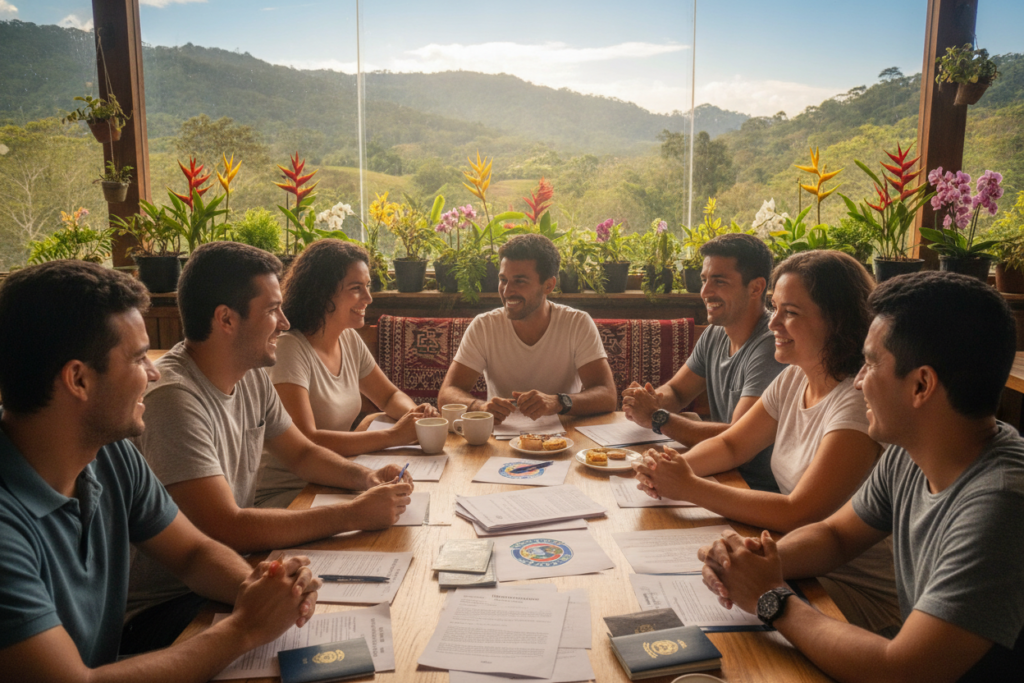
In a Costa Rica immigration context, fraud can involve submitting false, altered, or misleading information or documents in a residency file. The consequences depend on the facts and the procedure, so an applicant should not assume that a document issue can be solved by changing a record or giving an informal explanation.
Use original records from the issuing authority, disclose relevant information accurately, and address name, date, or civil-record inconsistencies through the appropriate official process before filing.
DGME determines how it will handle a particular file. For a current procedure or notice, follow the authority’s written instructions and obtain case-specific advice when necessary.
Recognizing Document and Information Risks
Common risks include altered records, inconsistent names or dates, and statements that do not match the supporting documents. These issues can lead to requests for clarification, delays, or other consequences under the applicable procedure.
Before filing, compare identity records, civil certificates, translations, and supporting evidence. If a document contains an error, resolve it through the issuer or the relevant authority rather than editing it yourself.
Keep copies of filings and official notices. They help you respond accurately if DGME requests additional information.
Navigating the Residency and Immigration Process

Navigating the residency and immigration process in Costa Rica requires careful attention to detail. Our experience at CRIE spans over 20 years, helping individuals and families with their residency applications. We understand the complexities involved and provide reliable guidance throughout the entire process.
Costa Rica residency applications should be accurate and supported by authentic records. We help clients organize their documents and identify inconsistencies before filing, while DGME evaluates each case.
When questions arise, review the official procedure for your category and keep copies of the records you submit. Clear, consistent documentation helps avoid preventable requests for clarification.
For more information on traveling during the residency process, visit this resource.
Legal and Practical Implications of Fraud in Residency Cases
False or altered information can affect a residency application and may lead to requests for clarification, delays, or other action under the applicable procedure. The outcome depends on the circumstances and on DGME’s evaluation of the file.
Submit documents exactly as issued, use official translations when required, and explain genuine discrepancies with supporting records. Do not alter a document to make it appear consistent.
If you receive an official request or notice, respond through the indicated channel and seek qualified, case-specific advice when appropriate.
Moving Forward with Trust and Informed Decisions
Embarking on your residency journey in Costa Rica requires a commitment to transparency and informed choices. Each case is unique, influenced by factors like nationality, family situation, and documentation. Personalized guidance is crucial for navigating these complexities.
For accurate pricing and to discuss your next steps, please speak with Johanna Alvarez, our dedicated CRIE immigration expert. You can reach out via WhatsApp at +506 8373 2085, email us at info@crie.cr, or visit our website at crie.cr for more information.
We are committed to helping you navigate your residency path with the information and resources necessary to make confident, informed decisions.

FAQ
What is residency fraud?
Residency fraud involves providing false information or documentation to gain residency status in a country. This can include using fake addresses, documents, or identities to mislead authorities.
How can we detect residency fraud?
Detecting residency fraud typically involves thorough investigations, verification of documents, and monitoring of applications. We look for inconsistencies in information, such as discrepancies in residency addresses or utility records.
What are the consequences of residency fraud?
The consequences can be severe, including legal penalties, loss of residency status, and potential deportation. It can also damage our reputation and trust within the community.
What documents are needed for residency applications?
Required documents depend on the residency category and the current DGME procedure. Identity records, civil documents, financial evidence, and translations may be relevant depending on the application.
How does the verification process work?
DGME may review the documents and information submitted for the category. Keep complete copies and respond accurately if the authority asks for clarification or additional material.
What should we do if we suspect residency fraud?
If we suspect residency fraud, it is crucial to report it to the appropriate authorities. They can conduct investigations and take necessary actions to address the issue.
Are there resources available for understanding residency laws?
Yes, various resources are available, including government websites, legal aid organizations, and community groups that provide information on residency laws and processes.