Your journey to legal residency in Costa Rica begins with a critical step—preparing your documents correctly. This process must start in your home country, long before you arrive. We focus exclusively on the CRIE pathways to residency, which lead to permanent status and eventual citizenship.

Costa Rica joined the Hague Convention in 2011. This means documents from member countries like the United States need an apostille stamp, not full diplomatic legalization. For non-member countries, a different consular legalization process is required.

Improper document preparation is a top reason for application delays or rejection. We provide step-by-step guidance to help you avoid costly mistakes. Our information is verified with official sources like the Costa Rican immigration authority.

We are here to guide you through this maze with realistic expectations. Start your document authentication now—waiting until you arrive creates unnecessary stress. For direct guidance, contact us: WhatsApp +506 8706 3888 | info@crie.cr.

Navigating the Document Apostille and Legalization Process

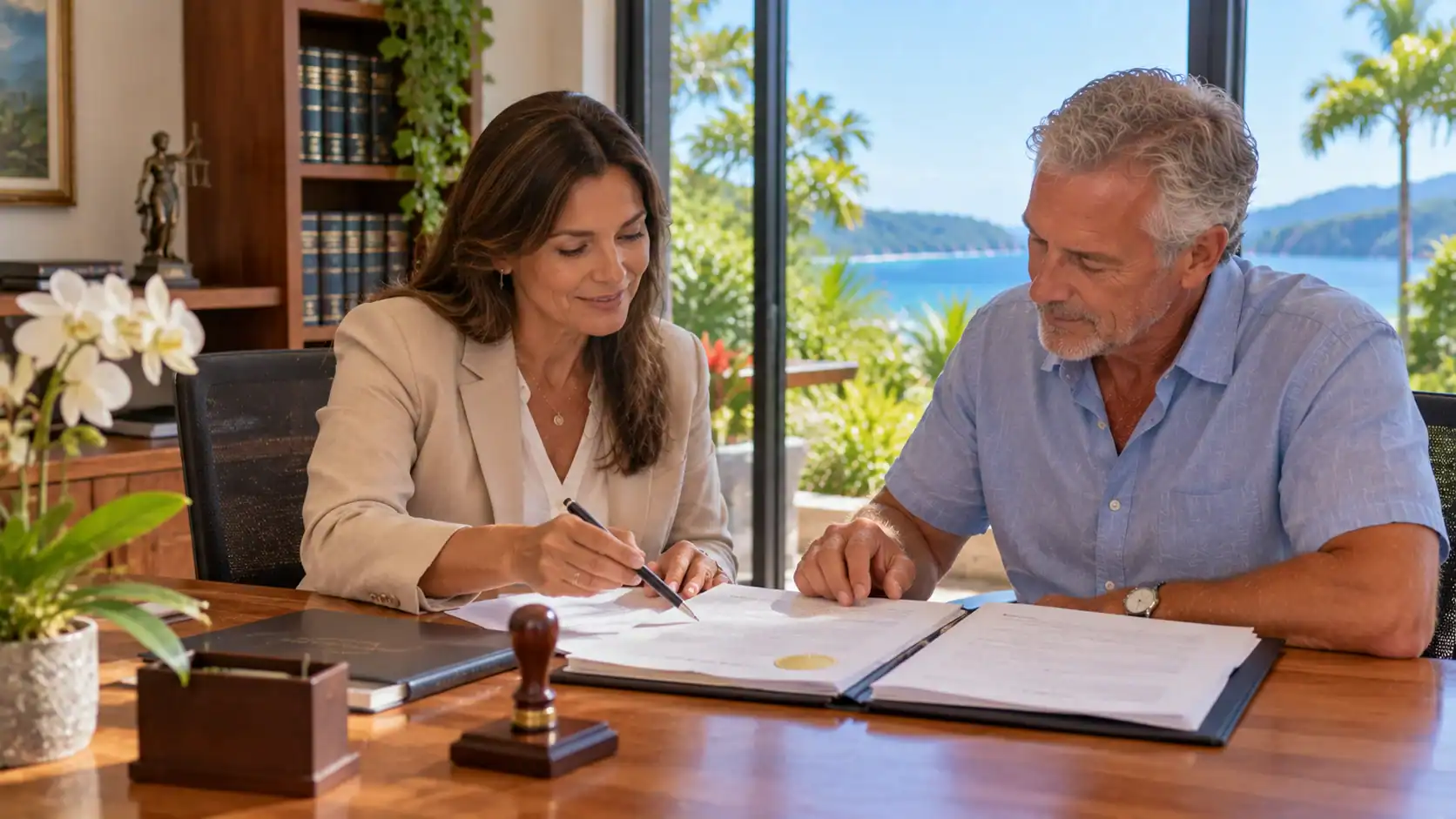
A professional office setting showcasing the document apostille process in Costa Rica. In the foreground, a friendly Caucasian woman dressed in a button-down shirt carefully reviews a stack of international documents, with an official apostille certificate prominently displayed. In the middle ground, a Caucasian man in a polo shirt discusses the process with her, using a laptop to provide information. Behind them, a large window reveals a scenic view of Costa Rica’s verdant landscape, with soft, natural lighting filtering through, creating a warm ambiance. On a desk, the brand name “Pura Vida Costa Rica” is visible on a business card holder, adding a touch of local identity. The atmosphere is focused and professional, emphasizing clarity and organization in the document legalization process.

The authentication of your personal documents forms the bedrock of any successful residency application. A clear roadmap here saves months of frustration. The fundamental rule is this: if your country is a Hague Convention member, your papers need an apostille stamp from the issuing authority back home.

Understanding the Role of the Costa Rican Consulate

Many applicants are confused about what a consulate can do. For U.S. documents, the Costa Rican consulate or U.S. Embassy cannot issue an apostille. That certification must come from your U.S. state’s Secretary of State or the U.S. Department of State.

The consulate’s role is specific. It provides services like consular inscription—registering your presence with the embassy. This step is required for residency and costs $50 per notarial seal. Always verify current requirements at official sources like migracion.go.cr.

Key Steps in Document Certification

The certification process has a logical order. First, obtain original documents from the issuing authorities. Next, send them to the correct state or federal office for the apostille stamp.

If your papers are not in Spanish, a certified translation is needed. Finally, complete any required embassy registration. We strongly advise finishing all authentication before you travel. For detailed guidance on consular legalization services, our resource page breaks it down further.

Step-by-Step Guide for CRIE Residency Preparation

A focused, informative scene illustrating the "Step-by-Step Guide for CRIE Residency Preparation" in Costa Rica. In the foreground, a diverse group of three professionals, dressed in business casual attire (polo shirts and button-downs), collaborates over documents on a wooden table. The middle ground features a large, beautifully designed poster with the words "Pura Vida Costa Rica" and a checklist of key residency preparation steps, such as "Gather Documents," "Apostille Procedures," and "Submit Application." In the background, a warm and inviting office environment with Costa Rican-themed decor, including tropical plants and a view of a serene garden. Soft, natural lighting spills in through large windows, creating an uplifting, professional atmosphere. Use a standard lens to capture a clear, detailed image that draws viewers into the preparation process.

A clear understanding of the qualification criteria prevents wasted effort on documents for a residency category you don’t qualify for. The CRIE pathways—Pensionado, Rentista, and Inversionista—each have specific financial thresholds.

Who Qualifies for Residency?

Pensionado requires proof of a US$1,000+ monthly pension. Rentista needs a US$2,500 monthly guaranteed income for two years. Inversionista demands a minimum US$150,000 investment in approved assets.

A critical rule for Inversionista: the investment property must be titled in your personal name, not a corporation. The Digital Nomad visa does not count toward residency.

Preparing Your Documents: Apostilles and Translations

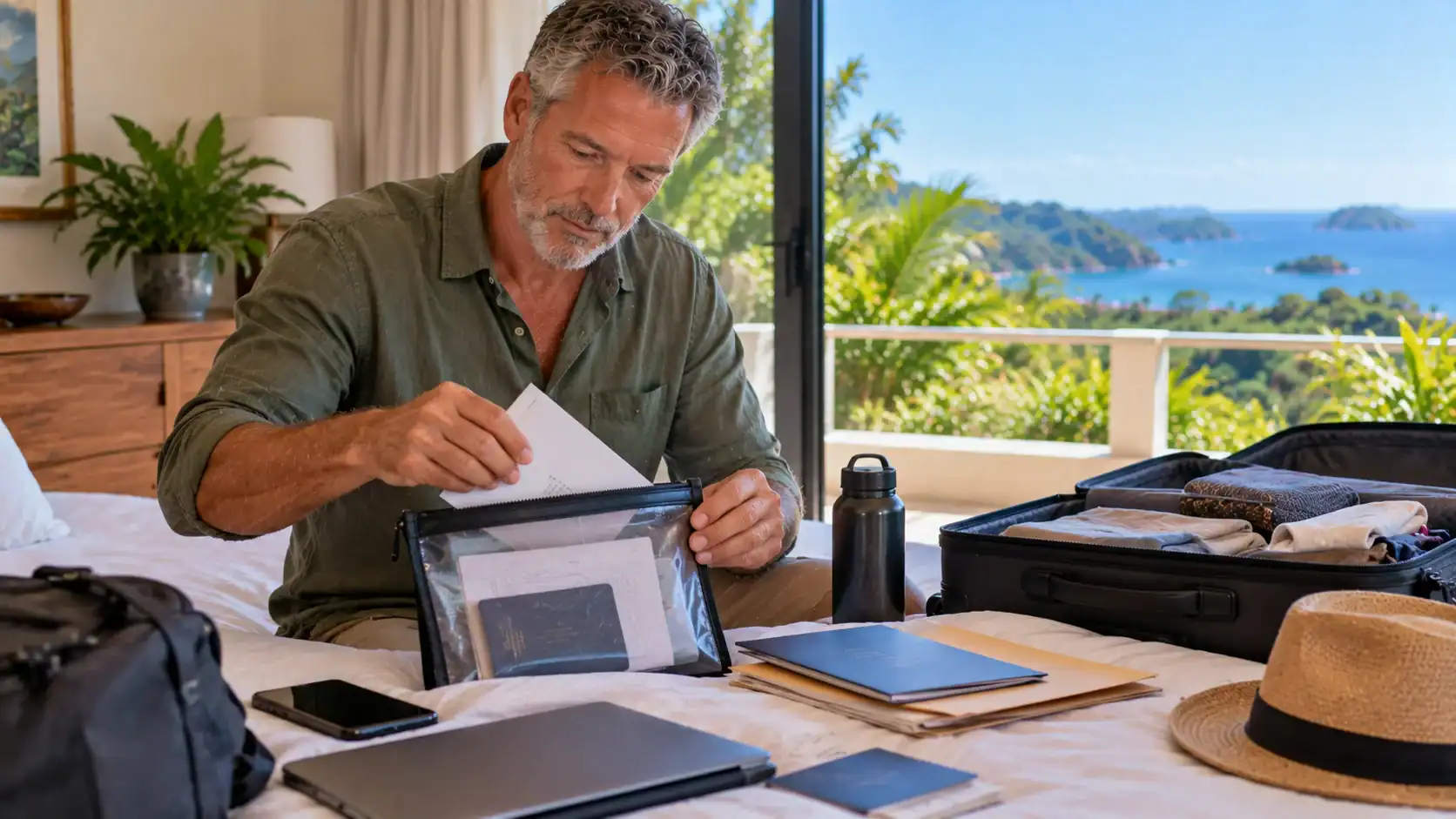
Follow this sequence. First, obtain original documents like birth certificates and police checks. Next, get each one apostilled in your home country.

On average, this apostille service takes up to 14 days. Finally, any non-Spanish document requires a certified translation by a sworn translator. Complete these steps before you travel.

Timelines, Deadlines, and Document Readiness

The entire process typically takes 2-3 months minimum. FBI checks can take 4-6 weeks. Gathering financial proof requires another 2-4 weeks.

We emphasize starting early from home. Always verify the latest requirements at migracion.go.cr. For tailored guidance, consult CRIE specialists.

Exploring Costa Rican Residency Pathways: Pensionado (Pensionado), Rentista (Rentista), and Inversionista (Investor)

Costa Rica offers distinct residency categories, each with precise financial criteria that must be met with authenticated documentation. Choosing the correct pathway is crucial, as it dictates the content of your application and your access to permanent status.

Citizens from member countries of the Hague Convention can use apostilles to prove their qualifications to the Costa Rican government.

Pensionado: US$1,000+ Monthly Pension Requirements

The Pensionado category is for retirees with a lifetime pension of at least US$1,000 per month. This income must come from a government or qualified private source.

You must provide apostilled award letters and recent statements. The country’s immigration authorities verify this income directly.

Rentista and Inversionista Income and Investment Thresholds

Rentista residency requires proof of US$2,500 in guaranteed monthly income for two years. This access is for individuals with stable investment income.

The Inversionista pathway demands a minimum US$150,000 investment. If using real estate, the property must be titled in your personal name, not a corporation.

Remember, the Digital Nomad visa is a separate category. It does not count toward residency or citizenship.

Avoiding Common Mistakes in Your Residency Document Process

The path to Costa Rican residency is often blocked not by complex rules, but by preventable mistakes with paperwork. These errors cause costly delays. We see them repeatedly in the document legalization process.

Pitfalls to Watch Out For in Document Preparation

The most frequent error is submitting photocopies. Immigration authorities require original documents with the apostille stamp. Digital scans will be rejected outright.

Document condition is critical. Papers must be pristine with clear stamps. Laminated documents, like a birth certificate, cannot receive an apostille.

Translation errors are another major issue. You must use an authorized sworn translator. Their work then needs notarization to be valid.

Timing mistakes are costly. Background checks and apostilles have validity periods. Getting them too early risks expiration before submission.

For financial proof, each category has specific needs. Pensionado statements must show the monthly amount clearly. Rentista applicants need proof of guaranteed income.

Inversionista applicants often err with corporate ownership. The investment property title must be in your personal name. Properties held in a sociedad do not qualify.

How to Ensure a Smooth Submission at Migracion.go.cr

Your first step is always to verify the latest requirements. The official source for this information is migracion.go.cr. Regulations and thresholds can change.

This verification is your personal responsibility. While we provide current guidance, you must request the most up-to-date details. This prevents submission of incorrect documents.

For example, if you encounter unclear requirements, contact CRIE specialists. We can provide clarity for your specific situation. Reach us at info@crie.cr or WhatsApp +506 8706 3888.

Getting Foreign Documents Apostilled or Legalized by Costa Rica Consulate

The consulate serves a specific, limited function in the broader document legalization journey for residency. For Hague Convention countries like the United States, you need an apostille, not consular legalization. This certification comes from state or federal authorities back home.

Step-by-Step Procedures at the Consulate

Your birth or marriage certificates get apostilled by the Secretary of State where they were issued. The U.S. Embassy does not provide this service.

The consulate’s role is for services like consular inscription. This embassy registration is required for residency and costs $50 per notarial seal. They also notarize affidavits and powers of attorney.

Tips for a Streamlined Legalization Process

Order multiple certified copies of vital records. Use expedited apostille services when possible to reduce the typical 14-day wait.

Always verify the latest requirements at the official source, migracion.go.cr. For documents from non-Hague countries, full consular legalization is needed—a more complex process.

Final Thoughts and Next Steps for a Successful Residency Journey

The final step in understanding Costa Rican residency is transforming knowledge into action with a clear, personalized plan. Your success hinges on starting the document authentication process in your home country. For citizens of Hague Convention member nations, this means obtaining apostilles.

Begin by creating a complete inventory of required records. Always verify the latest requirements at the official migracion.go.cr website. Remember, proper preparation typically requires a 2-4 month timeline.

Navigating this process demands attention to detail. Our team provides personalized guidance to help you avoid common pitfalls. For additional support services, explore our dedicated resources.

Ready to move forward? Contact us to develop your realistic action plan: WhatsApp +506 8706 3888 or email info@crie.cr.

FAQ

What is the difference between an apostille and consular legalization?

An apostille is a simplified certification for documents used between countries that are members of the Hague Apostille Convention, like the United States and Costa Rica. If a country is not a member of the Convention, its documents must go through a more complex process called consular legalization at the Costa Rican embassy or consulate.

Can I submit my documents to Costa Rican authorities without an apostille?

No, you cannot. For residency, marriage, or other official processes, any foreign-issued document—like a birth certificate, marriage certificate, or police record—must have a valid apostille or be legalized by the Costa Rican consulate. This step verifies the signature and seal for the authorities here.

How long does it take to get an apostille on a U.S. document?

The timeline varies by state. Getting an apostille from your Secretary of State’s office can take from a few days to several weeks. We always advise building extra time into your plan for this critical step to avoid delays in your residency application at Migración.

Do all my documents need to be translated into Spanish?

Yes. After your documents are apostilled or legalized, any document that is not originally in Spanish must be translated by an official translator who is certified by the Costa Rican Colegio de Traductores. This translation is then submitted alongside the authenticated original.

What is the most common mistake people make with document preparation?

A frequent error is not checking the specific requirements for each document type. For example, some states require a certified copy of a birth certificate issued within the last six months for an apostille. Using an old copy from your records can cause a rejection and set your timeline back significantly.

Can the Costa Rican consulate in the U.S. apostille my American documents?

No, they cannot. The consulate’s role is for legalization of documents from non-Hague countries. For U.S. documents, the apostille must be obtained from the competent authority in the state where the document was issued, such as the Secretary of State’s office, before it is presented in Costa Rica.

What are the financial requirements for a Rentista residency visa?

The Rentista visa requires proof of a guaranteed income of at least ,500 per month for two years, deposited into a Costa Rican bank. This is different from the Pensionado, which requires a lifetime pension, or the Inversionista, which requires a 0,000 minimum investment in property or business.


Article by Glenn Tellier (Founder of CRIE and Grupo Gap)

Don't wait, contact us right now!
Call or WhatsApp Costa Rica +506 8373 2085 or +506 8706 3888
Call USA/Canada +1 305-906-6784

See If You Qualify For Residency Today!