
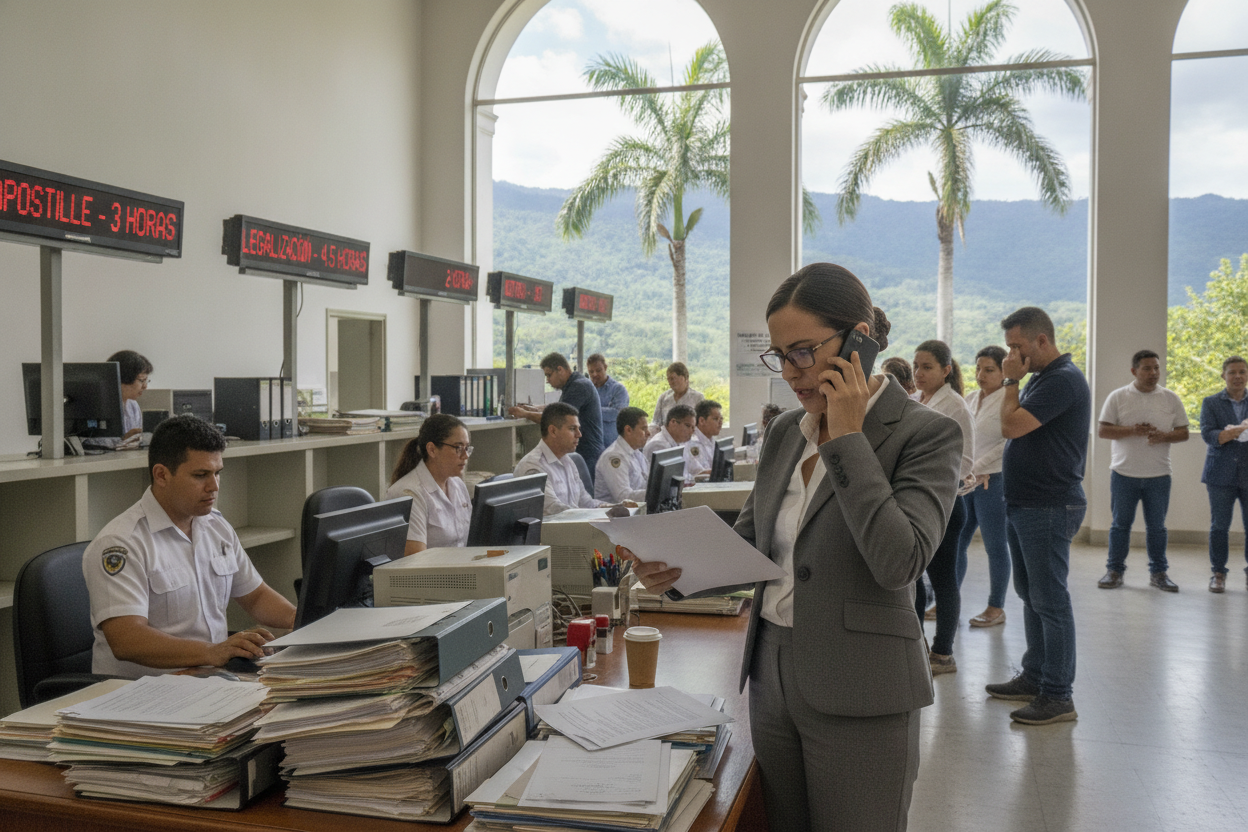
Moving to a new country can be exciting yet challenging. One critical step in this process is obtaining the necessary apostilles for your documents. In Costa Rica, understanding the apostille process is essential for a smooth transition.
As a member of the Hague Apostille Convention, Costa Rica simplifies the use of foreign documents. This means that an apostille serves as an official stamp that validates documents like marriage and birth certificates for use in another country. Proper preparation is key to avoiding long delays.
For over 20 years, we at CRIE have guided families through the residency process. We know that timely processing of apostille documents is crucial. If not handled correctly, you may face months of waiting for your residency application to proceed.
We recommend checking with your Secretary of State office to ensure that your apostille services are managed by the right authorities. With careful planning, you can avoid common pitfalls and ensure a smoother journey to your new life in Costa Rica.
Understanding Apostille Delays in Costa Rica
Embarking on a journey to a new nation brings both excitement and obstacles. One crucial aspect to understand is the apostille process, which has become essential since the Hague Convention took effect in Costa Rica in 2011. An apostille validates foreign documents for use in the country, making it vital for anyone looking to settle here.
However, delays can occur. A common issue arises when a document issued in your home country does not match the name on your passport or residency application. This mismatch can lead to significant hold-ups.
Moreover, if you submit a birth or death certificate, ensure that the signature of the issuing authority is clear. Having extra copies can also help expedite the process. Understanding the specific procedures and costs associated with your documents is crucial to avoid unnecessary delays.
Many applicants overlook whether their marriage certificate or other vital records meet the Hague Apostille Convention requirements. Proper certification is essential, as even minor errors can lead to months of delays. To navigate these complexities, we recommend using professional apostille services to ensure your paperwork is flawless.
How to Streamline Your Document Authentication Process
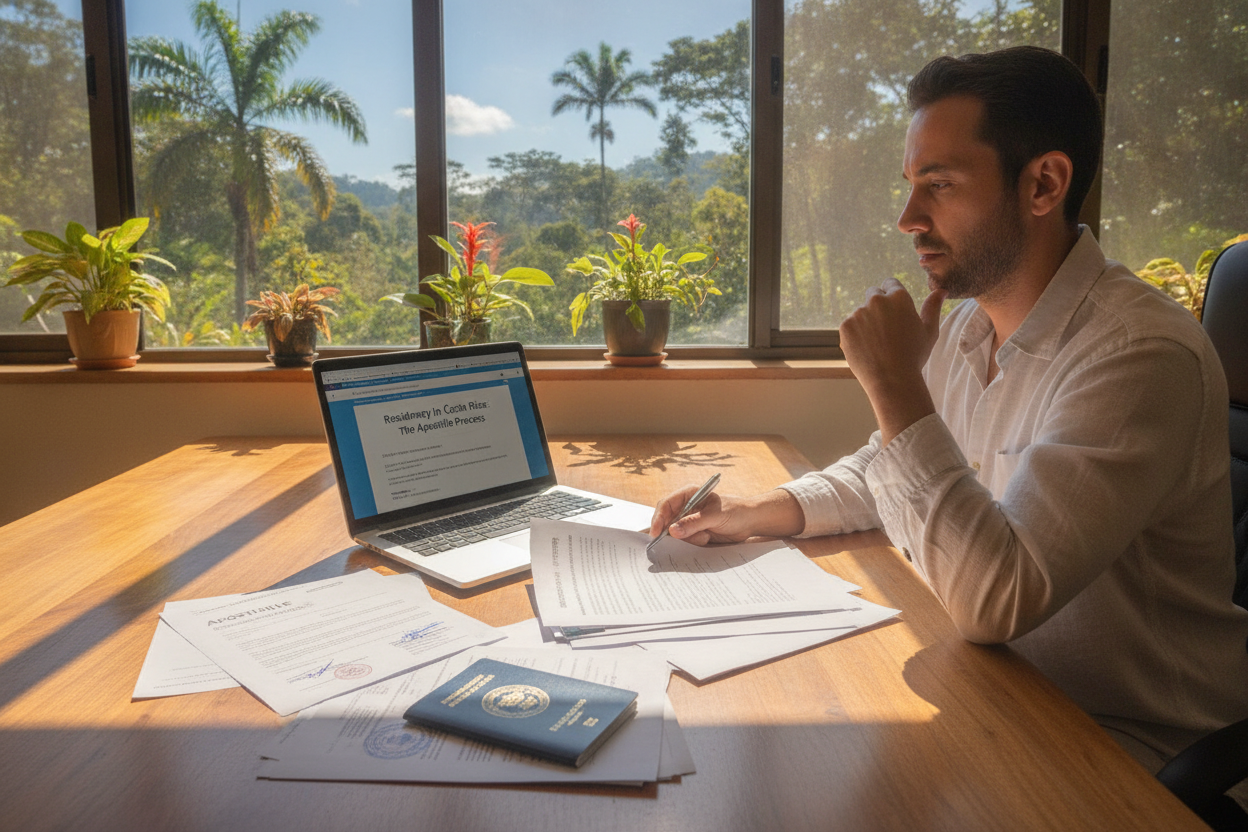
Adapting to life in a new nation can present its own set of hurdles and rewards. To make your transition smoother, it’s essential to follow the steps of the apostille process carefully. This often begins with notarization at the U.S. Embassy, which incurs a fee of $50 USD per notary seal.
When preparing your documents for Costa Rica, ensure that every birth certificate or death certificate is current and matches your legal name exactly. We advise verifying the specific requirements for each document, as the procedure for a marriage certificate may differ from other legal papers.
Aligning your document certification with your residency needs is crucial. This ensures that your application is complete before you arrive in Costa Rica. Always keep extra copies of your documents, as the authorities may require them during the final stages of your residency application.
If you are working with a Secretary of State office, confirm that they understand the specific needs for foreign documents to be used in Costa Rica. Our team suggests reviewing your apostille services provider to ensure they have experience with the specific demands of the Costa Rica government.
Navigating Residency Challenges Through Proper Document Certification
Settling into a new environment can be both thrilling and daunting. One of the most critical steps in your residency application is ensuring that your documents are accurately certified. The authorities in Costa Rica are very strict about document validity, and any errors can lead to significant delays.
To navigate this process smoothly, here are some practical steps for residency applicants:
- Ensure that every marriage certificate and birth certificate packet is complete. Missing even a single document can halt your entire residency process.
- If you need to apostille a Costa Rican civil document, visit the Ministry of Foreign Affairs located at avenue 7-9, street 11-13 in San Jose.
- Pay close attention to the cost and timing of your apostille services to keep your documents valid throughout your application.
- Keep your original documents and certified copies in a safe place, as you will need them for various official appointments.
- Verify all document requirements early to prevent costly and time-consuming corrections later.
By ensuring your paperwork is perfect, you can confidently navigate the residency challenges and focus on your new life in Costa Rica. For more information on document requirements, visit this link.
Wrapping Up and Next Steps for a Smooth Residency Journey
Transitioning to a new chapter in life can bring both excitement and uncertainty. At CRIE, we have guided individuals and families through the residency process in Costa Rica for over 20 years. Our experience ensures you receive the support you need for a seamless transition.
Every case is unique, depending on your nationality, family situation, and documents. Personalized advice is essential to navigate these complexities effectively. For accurate pricing and to discuss your next steps, please connect with our immigration expert, Johanna Alvarez.
You can reach us via WhatsApp at +506 8373 2085, email us at info@crie.cr, or visit our website at crie.cr for more information. We are here to help you prepare your documents so you can focus on your future in Costa Rica.
FAQ
What is an apostille and why is it important?
An apostille is a form of authentication for documents that is recognized internationally. It certifies the origin of a public document, making it valid in countries that are part of the Hague Apostille Convention. This is crucial for ensuring that documents like marriage and birth certificates are accepted abroad.
What are the common causes of delays in the apostille process?
Delays can occur due to incomplete documentation, errors in the application, or high volumes of requests at the issuing authority. Additionally, processing times can vary depending on the specific requirements of the document and the efficiency of the local government office.
How can we streamline our document authentication process?
To streamline the apostille process, we should ensure all documents are complete and accurate before submission. Following the specific guidelines provided by the issuing authority and preparing all necessary copies can significantly reduce processing time.
What tips can help us avoid unnecessary apostille delays?
We can avoid delays by double-checking our documents for accuracy, ensuring that all required signatures are present, and submitting our applications during off-peak times. Additionally, using reputable apostille services can help expedite the process.
How does document certification align with residency needs in Costa Rica?
Proper document certification is essential for residency applications in Costa Rica. Ensuring that all required documents are apostilled and accurately reflect our status can facilitate a smoother application process and reduce the likelihood of delays.
What practical steps should residency applicants take regarding document certification?
Residency applicants should gather all necessary documents, ensure they are apostilled, and consult with local authorities or legal experts to understand specific requirements. This preparation can make the residency process more efficient and less stressful.