
Gardening in Costa Rica starts with understanding the space around your home. A sunny terrace, a few herb pots or a small vegetable bed can be a sensible first project. You do not need to recreate a large landscaped property to enjoy growing something yourself.
This guide focuses on choosing a site, managing rain and drainage, and starting a manageable home garden. The recommendations draw on Costa Rican public agriculture and university resources, with links beside the relevant advice.
Understand your local climate before buying plants
Costa Rica has regional climates rather than one planting calendar. The Pacific side has more distinct wet and dry seasons; the Caribbean does not have the same clearly defined dry season. Elevation, mountains and exposure also matter. The Costa Rica Tourism Board’s climate guide explains these differences.
Before choosing plants, note when your garden receives sun and what happens after a downpour. Ask a nearby nursery which varieties suit your elevation and the conditions you have observed. A plant that thrives at a neighbour’s house is a more useful starting point than a photograph from a different climate.
Choose a practical place for a small garden
The agriculture ministry’s Turrialba extension guide recommends a sunny location, a nearby water supply and soil that drains. It also suggests beds about 1.2 metres wide so you can reach their centres from either side without stepping on the growing area. Treat that as a useful layout example and adjust it to your own reach and available space. See MAG’s home-garden guide (Spanish PDF).
- Small patio or terrace: begin with a few containers that you can easily reach and care for.
- Garden bed: leave room to walk around it and reach every plant.
- Rental home: check with the owner before digging beds or installing permanent structures.
Start with plants you will actually use
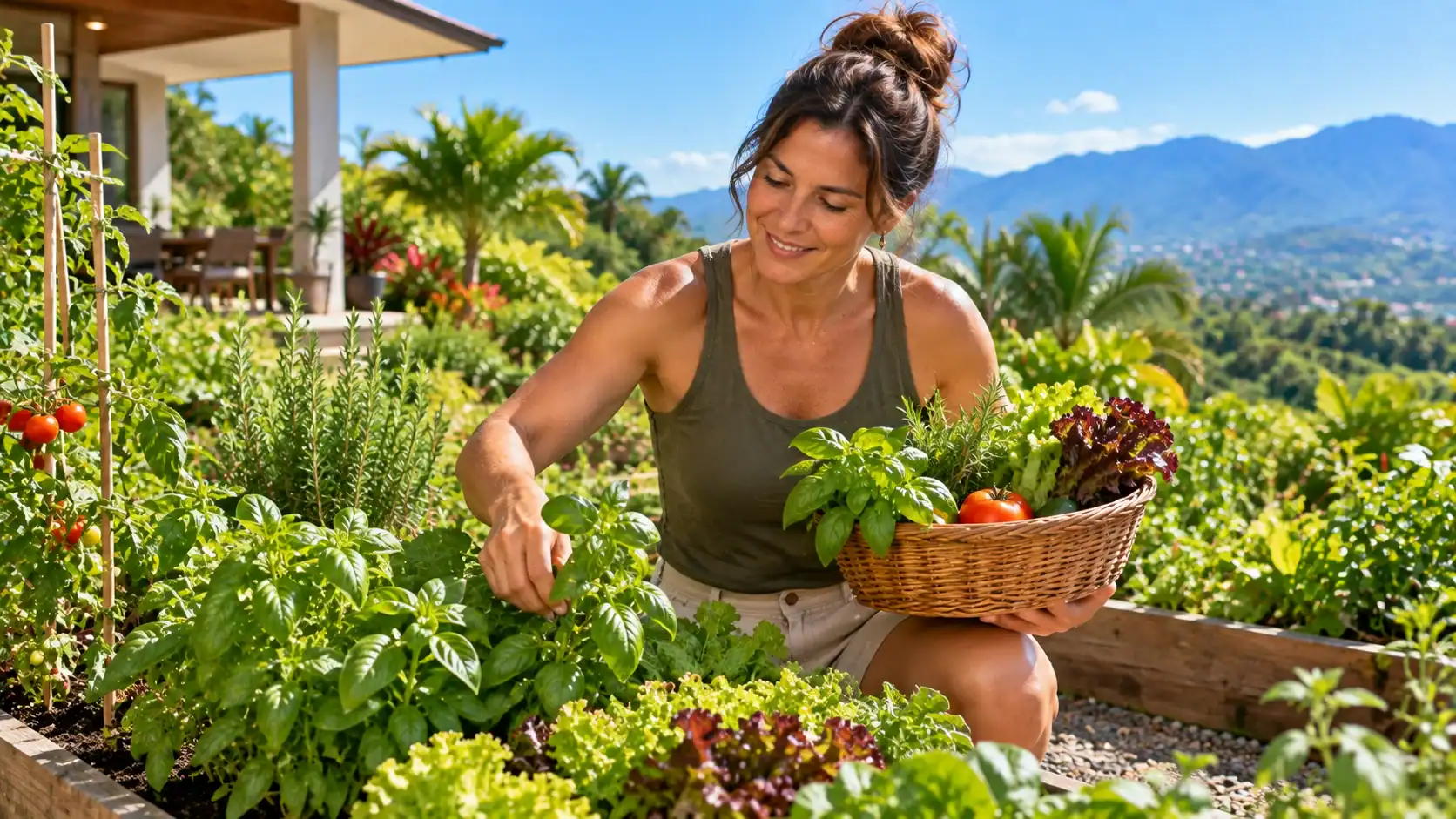
UCR’s home-gardening guidance suggests lettuce, cilantro, celery and chives as starter crops. These are options to discuss with a local grower, rather than a guarantee that every variety will suit every Costa Rican location. Choose a small selection you enjoy eating and learn how it performs before expanding.
UCR also explains that containers need drainage holes and access to sunlight. Small spaces can accommodate vertical or container gardens. Transplanting early in the morning or later in the day helps plants adjust. Its urban gardening article provides further guidance in Spanish.
Considering ornamental plants too?
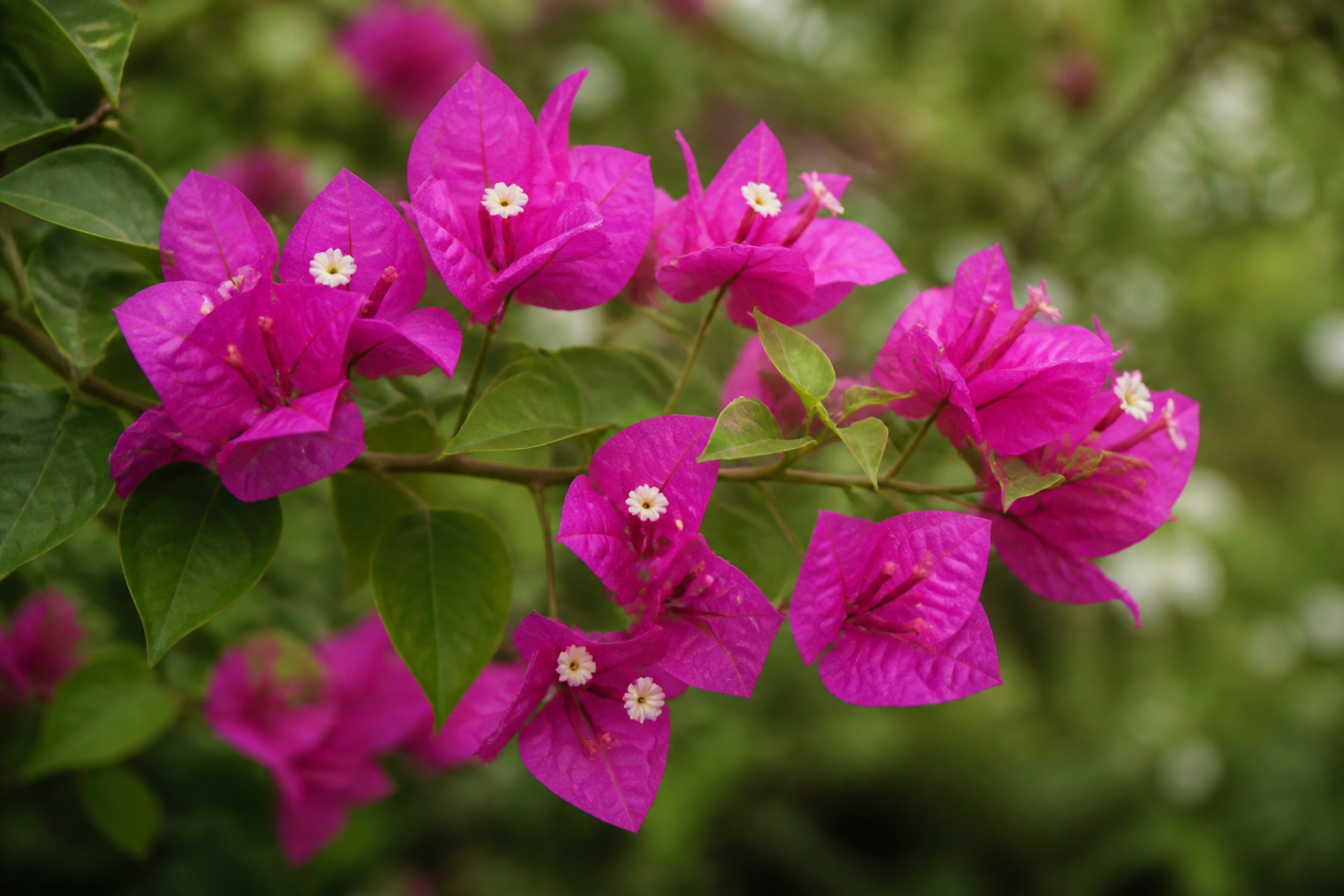
If flowers are part of your plan, our Costa Rica flowers guide introduces plants such as veranera. Ask a local nursery about mature size, light, drainage and maintenance before selecting a variety for your space. An attractive picture is a starting point for questions, not proof that a plant suits your garden.
Plan for water, weeds and healthy soil
Check the garden regularly instead of assuming tropical rain will take care of it. Keep a simple record of watering, heavy rain and changes in the plants. If water sits in a container or bed, address the drainage before adding more plants.
MAG recommends covering exposed soil to help manage weeds and recording which crops occupy each bed so you can rotate them in the next cycle. Keep your layout simple enough that routine maintenance remains comfortable.
Composting is another option. UCR’s explanation describes a process supported by microorganisms, with air, water and a mix of organic materials, including dry garden material. Follow instructions for the particular composting system you choose. Read UCR’s introduction to home composting.
Notice problems while they are still small
UCR recommends inspecting plants, removing affected material when appropriate, and growing a varied selection rather than relying on one crop. Photograph unfamiliar damage and ask a knowledgeable nursery or agricultural adviser to identify the cause before choosing a treatment.
A simple first-month plan
- Observe: record sunlight, rainfall exposure and access to water.
- Choose: select one small bed or a few containers, then buy a limited number of locally suitable plants.
- Record: note the planting date, variety and any care instructions.
- Review: look at what is thriving, what needs attention and how much maintenance you enjoy before spending more.
If gardening is part of your plans for life here, use it as one of the practical questions when choosing a home: outdoor space, access to water and time for maintenance all deserve consideration. Our guide to retiring in Costa Rica looks at other everyday lifestyle choices.
Sources reviewed September 6, 2026. This guide uses established gardening resources; plant suitability depends on your specific location and growing conditions.
Are there bamboo “trees” in Costa Rica?
Yes, bamboo grows in Costa Rica, but botanically bamboo belongs to the grass family rather than being a true tree. The country has native bamboos as well as introduced species. Their tall woody stems can look tree-like, which explains the everyday expression “bamboo tree.”
UCR’s CIGRAS research descriptions identify native Guadua species including Guadua amplexifolia, G. paniculata and G. macclurei; the last is native to Costa Rica and Nicaragua. By contrast, the university botanical garden describes Dendrocalamus asper, giant bamboo, as originating in Southeast Asia. Seeing a bamboo growing locally does not establish that it is native.
Choose the species before choosing the planting spot
Ask a nursery for the scientific name, mature height, expected clump or running spread and management needs. Evaluate space beside walls, drains, overhead wires and neighbouring property. A plant that looks modest in a pot can create a very different maintenance job when mature. For a small garden, select the plant for the available space instead of relying on repeated cutting to keep a giant species small.
Buy legally propagated nursery stock rather than taking plants from forest or protected land. If you want bamboo for construction, decorative planting and structural material are different decisions: identification, maturity, treatment and engineering suitability matter. UCR’s bamboo propagation work is evidence of species research, not an approval for an untested structural design.
Bamboo sources reviewed on 8 September 2026.
Thinking of moving to Costa Rica?
Get a free residency assessment. Tell Johanna, our immigration expert, about your situation, and she will tell you which residency fits you and what you need.
WhatsApp Johanna: +506 8373 2085Free assessment
Or email info@crie.cr