
Retiring in Costa Rica appeals to many people for a simple reason: daily life can feel more connected to nature, community, and a comfortable routine. The country is not one experience for everyone, though. A good move begins with realistic expectations and time spent getting to know the places that fit your own priorities.
1. A lifestyle shaped by the outdoors
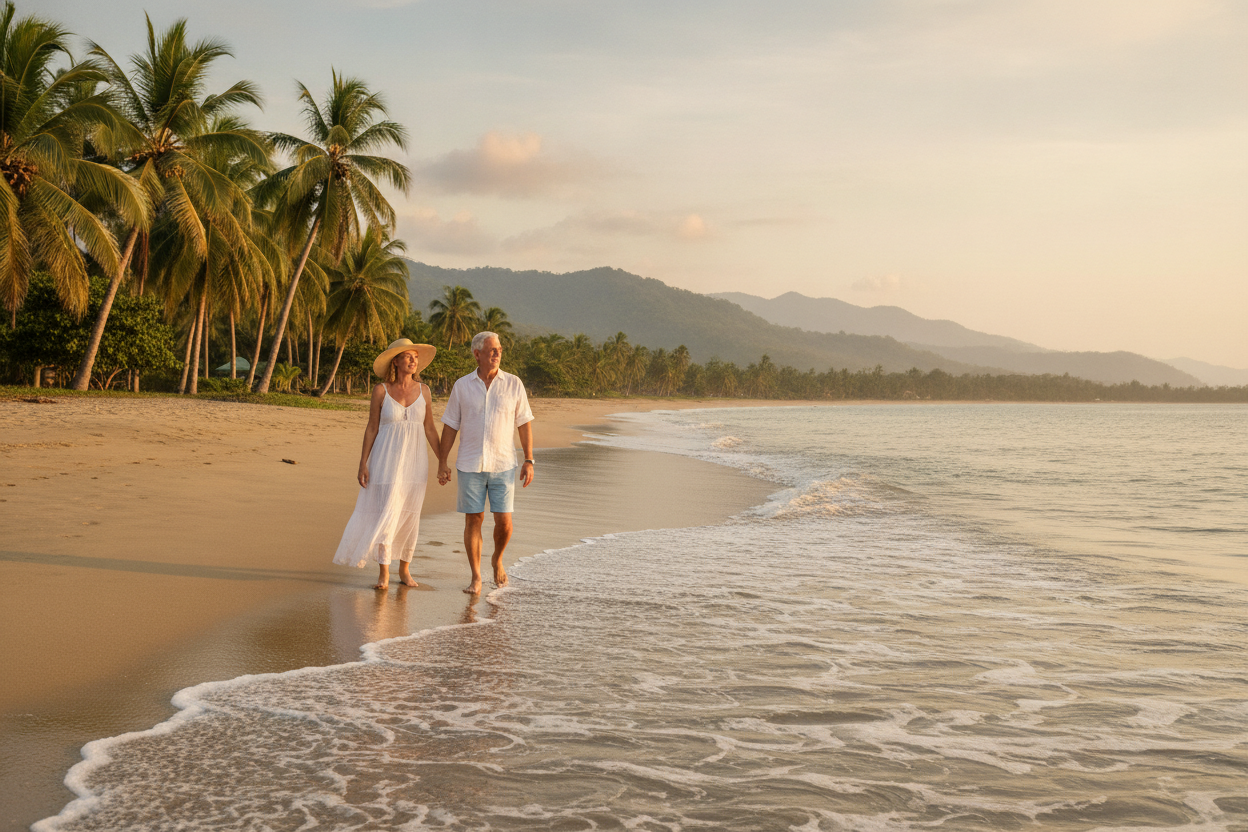
Many communities make it easy to spend time outside. Beaches, mountains, forests, parks, and neighborhood cafés can all become part of an ordinary week rather than a special trip. The climate and landscape vary greatly by region, so it is worth visiting in more than one season before choosing a home base.
2. A slower, more personal rhythm
People often come to Costa Rica looking for a less hurried pace. In many towns, errands, meals, and conversations take a little more time. That can be a welcome change, but it also takes patience. A successful transition usually means allowing room for different routines instead of expecting everything to work exactly as it did before.
3. Many ways to make a home
Costa Rica offers very different settings. Some people prefer a walkable Central Valley neighborhood. Others feel most at home near the coast, in a smaller mountain town, or in a more rural area. Each location has its own weather, road conditions, services, and sense of community. A short visit is useful; a longer stay in the area you are considering is even better.
4. Opportunities to build community

Newcomers can meet people through neighbors, classes, volunteer activities, hobbies, local events, and shared interests. It is healthy to build connections with both longtime residents and other newcomers. Listening, learning local customs, and showing up consistently go a long way.
5. Spanish can deepen everyday life
You do not need to be perfect before you arrive, but a willingness to learn Spanish can make daily interactions easier and more rewarding. Start with the phrases you will use often: greetings, directions, appointments, shopping, and polite questions. Progress comes from regular practice, not from getting every word right.
6. Travel can feel close at hand
Living in Costa Rica can make weekend exploration part of the routine. One region may offer cool air and mountain views while another has a warmer coastal feel. Conditions can change with weather, traffic, and roadwork, so plan trips with flexibility and avoid assuming that a map estimate will match the day.
7. Local food can become part of your routine
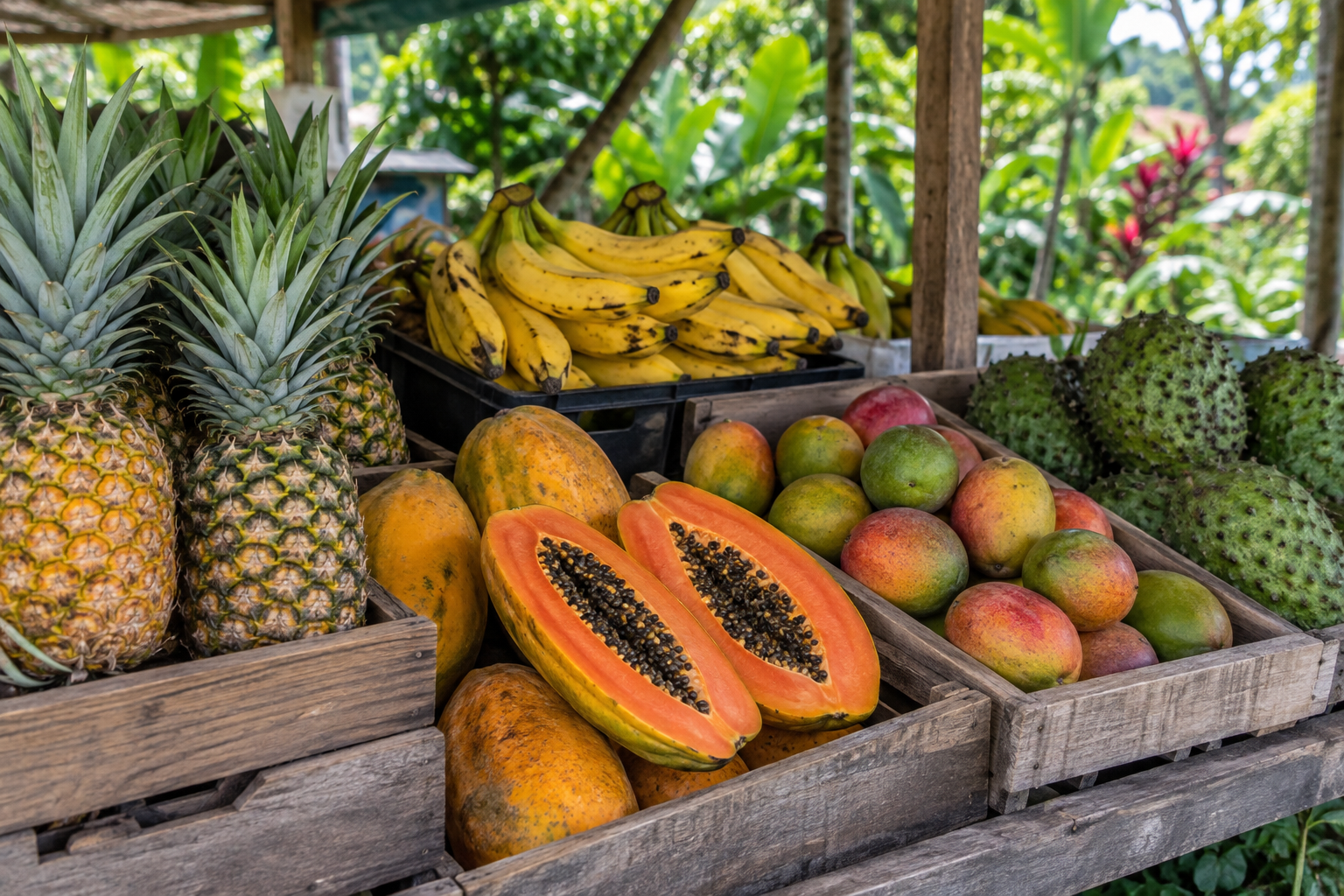
Farmers’ markets and roadside produce stands offer a way to explore seasonal ingredients and meet local vendors. Cooking with unfamiliar fruit and vegetables can turn a weekly shopping trip into something enjoyable. The Costa Rican Tourism Board’s food guide describes the regional ingredients and markets that make this part of everyday life worth exploring.
8. You can compare different climates
A tropical country does not have the same weather everywhere. Elevation, coastlines and regional rainfall create different living conditions. This gives retirees choices, but it also makes a trial stay useful: compare heat, humidity and rain in the specific community you are considering. Use the official regional climate guide as a starting point.
9. Retirement can leave room for new interests
Photography, birdwatching, home gardening, language classes and local cultural activities can help shape a satisfying week. Choose interests you enjoy and look for accessible opportunities near your prospective home. A place that supports your everyday hobbies may be a better fit than one that only looks appealing in holiday photos.
10. You can design a routine around your priorities
A move offers a chance to reconsider how you want to spend your time. That might mean more meals with friends, a smaller home to maintain, or a neighborhood where the activities you enjoy are close by. Treat these as personal goals rather than benefits that happen automatically. Test your planned routine during an extended visit before making a long-term commitment.
What makes a move work well
The best retirement move is not about finding a perfect place. It is about choosing a place that matches your habits, budget, comfort with change, and preferred level of activity. Take time to visit, ask practical questions, and learn how an area feels on an ordinary weekday.
Questions to ask yourself
- Do I want a busy neighborhood, a smaller town, or a quieter rural setting?
- How important are walkability, weather, and access to everyday services?
- How much time do I want to spend driving?
- What type of community would help me feel at home?
- Have I spent enough time in the area during normal daily life?
Frequently asked questions
Is Costa Rica the same everywhere?
No. Conditions and lifestyle can differ significantly from one region to another. Visit the specific places you are considering rather than relying only on photos or general descriptions.
Should I learn Spanish before moving?
Learning some practical Spanish is a helpful starting point. Continuing to practice after arrival can make everyday life more comfortable.
What is the best first step?
Clarify what matters most to you, then spend time in a few possible communities with an open mind and a realistic schedule.
Plan the practical side of retirement
Compare housing, transport, healthcare arrangements and recurring expenses for your own circumstances. Residency eligibility is a separate part of the decision. Start with CRIE’s Pensionado residency guide and verify the applicable requirements with DGME’s official residency information.
Explore the move thoughtfully
CRIE can help you think through the practical side of settling into Costa Rica and connecting your plans to the right next steps. Contact CRIE to start a conversation, or explore more ideas about living in Costa Rica.
Editorial and image review: 6 September 2026. Climate and food references: Costa Rican Tourism Board. These lifestyle considerations are not guarantees of suitability or savings.
Thinking of moving to Costa Rica?
Get a free residency assessment. Tell Johanna, our immigration expert, about your situation, and she will tell you which residency fits you and what you need.
WhatsApp Johanna: +506 8373 2085Free assessment
Or email info@crie.cr