

Dreaming of trading the daily hustle for a peaceful life in paradise? You’re not alone. More than 120,000 US citizens have already made Costa Rica their retirement home.
They are drawn by the famous pura vida lifestyle and vibrant expat communities. The cost of living here is significantly lower too—about 34% less than in the United States when you include rent.
We are CRIE, your exclusive guide for Costa Rica residency and immigration. This guide focuses solely on helping you understand and navigate the legal process. We provide clear, step-by-step information to prepare your application correctly.
You will learn who qualifies for residency and the exact requirements to meet. We cover the documents you need to gather, including apostilles and translations. Realistic timelines and common pitfalls are also explained.
Our approach is professional and transparent. We walk alongside you as experienced guides, offering honest facts from official sources. Retiring here is achievable with proper planning, but it requires patience and meticulous preparation.
Ready to start your journey? Reach out to us via WhatsApp at +506 8706 3888 or email info@crie.cr when you have your documents ready and questions prepared.
Why Choose Costa Rica for Retirement with CRIE?
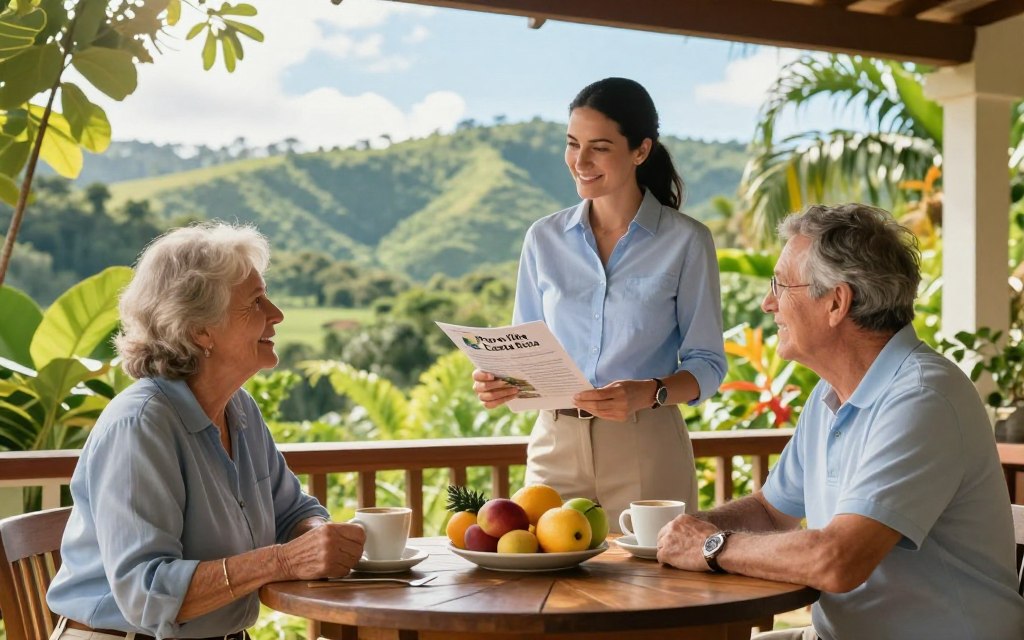
The allure of Costa Rica for retirees extends beyond its postcard-perfect scenery. This country has been a stable democracy without a standing army since 1949. It ranks among the safest nations in Latin America, offering profound peace of mind.
Your retirement income stretches further here. The overall cost of living is about 34% lower than in the United States when rent is included. The universal healthcare system, CAJA, provides quality coverage for a fraction of U.S. costs.
Retirees typically contribute just 7-11% of their reported income. This makes managing long-term health needs far more affordable and predictable.
The natural environment is a core part of the lifestyle. Over 30 national parks, pristine beaches, and rainforests define daily life. This access to nature fosters the famous pura vida spirit of community and well-being.
These compelling benefits, however, are fully accessible only with legal residency. To enroll in CAJA, open a bank account, or settle into expat communities, you must navigate immigration successfully. We provide the clear guidance needed to unlock this life through proper legal status.
Understanding Costa Rica Residency and Immigration (Residencia/Immigración)

Navigating the legal framework for living in Costa Rica begins with understanding two key terms. You will encounter the official Spanish categories: Residencia (Residency) and Immigración (Immigration). These form the basis of all applications with local authorities.
The primary pathway for retirees is temporary residency, known as Residencia Temporal. Specific visa options like Pensionado fall under this category. They require renewal every two years.
After maintaining this status for at least three years—and spending 183 days per year in the country—you may apply for permanent residency. This is a significant milestone offering greater stability.
Residency is distinct from citizenship. It grants the legal right to live, work, and access services. After seven years of continuous residency, you can apply for Costa Rican citizenship. Dual citizenship is permitted for many foreign citizens.
We focus exclusively on guiding you through the residency and immigration process. The requirements are verified at migracion.go.cr. With proper preparation, it is entirely navigable.
Step-by-Step Guide to Qualify for Residency
Your journey to residency begins with a clear understanding of who is eligible and what proof is required. We break down the process into manageable steps.
Who Qualifies and What Are the Requirements?
Costa Rican residency is open to foreign citizens who can prove stable financial means. There is no upper age limit, but retirees typically pursue specific visas.
The primary pathways are the Pensionado, Rentista, and Inversionista visas. Each has strict financial thresholds.
The Pensionado visa requires a guaranteed lifetime pension of at least $1,000 per month. The Rentista visa demands proof of $2,500 in monthly income for two years. The Inversionista visa needs a minimum $150,000 investment in local assets.
Preparing Your Supporting Documents
Gathering your paperwork before arrival is critical for success. Starting this process from home avoids major delays.
You will need income statements, bank records, birth certificates, and police checks. All documents from outside Costa Rica require an apostille and a certified Spanish translation.
Note that the Digital Nomad visa does not lead to permanent residency. Retirees seeking long-term status should focus on the three main visa options.
Preparing Your Documents: Apostilles and Translations
Many applications face delays due to one common issue: incomplete or improperly prepared documents. This step is the most critical in your residency process. Errors here are the primary cause for rejections.
Key documents require an Apostille Certificate. This official authentication from your home country verifies legitimacy for international use. It applies to birth certificates, marriage records, and police background checks.
You must obtain these apostilles before arriving in Costa Rica. The process cannot be completed from within the country. Starting 3-6 months before your move is essential.
Essential Document Checklist
Gather these items for your application. You need a valid passport and apostilled birth certificate. Include an apostilled marriage certificate if applicable.
Obtain an apostilled police background check. This can take from five days to three months. Also prepare proof of income or pension, bank statements, and health insurance proof.
Every document must have a certified Spanish translation. Use a translator recognized by Costa Rica’s Ministry of Foreign Affairs. Incomplete paperwork is a frequent mistake we help you avoid.
Contact us for guidance on your specific visa requirements. Verify the latest official criteria before submission to ensure success.
Exploring the Benefits of Retiring to Costa Rica with CRIE Experts
Securing legal residency is the key that unlocks the full potential of your retirement in Costa Rica. Without it, you remain a tourist with limited rights and constant visa runs.
Proper status transforms your dream into a stable, long-term reality. It grants you the legal right to purchase property in your name and open a local bank account.
You gain enrollment in the CAJA universal healthcare system. This provides quality coverage at a predictable cost, typically just 7-11% of your reported income.
Financial advantages are significant. Property tax rates for residents are a low 0.25% annually. Managing your pension or Social Security becomes simpler with a Costa Rican bank account.
We guide you through every step to achieve this status. Our expertise ensures you navigate the process correctly, avoiding common pitfalls that delay applications.
You can then fully embrace the pura vida lifestyle and integrate into welcoming expat communities. Contact us via WhatsApp at +506 8706 3888 or email info@crie.cr to begin.
Visa Options: Pensionado (Pensionado), Rentista, and Inversionista (Inversionista)
Costa Rica offers three distinct visa pathways tailored to the financial situations of retirees. Each option serves a different profile and long-term goal. Understanding these choices is essential for a successful application.
Overview of Each Visa Path
The Pensionado (Pensionado) visa is the most popular choice for traditional retirees. It requires a guaranteed lifetime pension, Social Security, or annuity of at least US$1,000 per month.
The Rentista (Rentista) visa suits those with substantial passive income. This includes rental earnings, dividends, or interest. Applicants must prove a stable monthly income of US$2,500 for two consecutive years.
The Inversionista (Inversionista) visa is for retirees who wish to invest locally. It demands a minimum investment of US$150,000 in real estate or a business.
Specific Eligibility Criteria
For the Pensionado, income must come from a verifiable source like the U.S. Social Security Administration. Funds must be deposited into a local bank account each month.
The Rentista requires proof that the income is passive and guaranteed. The full amount must be transferred to Costa Rica.
Critical for the Inversionista: the investment property must be titled in the applicant’s personal name. Holdings through a corporation or trust do not qualify.
We must clarify a common misconception. The Digital Nomad visa requires US$3,000 monthly income but does not lead to residency. It is a temporary permit that does not count toward permanent status or citizenship.
Retirees should evaluate their finances carefully. Consulting with us early ensures you select the correct visa path from the start.
Meeting Financial Thresholds: Income and Investment Criteria
Your application’s success hinges on proving you meet specific income or investment thresholds. Costa Rican authorities enforce these rules strictly to ensure financial stability.
Pensionado: US$1,000+/month
The Pensionado visa requires a guaranteed lifetime income of at least $1,000 per month. A U.S. Social Security pension is the most common source for American retirees.
You must provide an apostilled benefits letter. This monthly income must be deposited directly into a local bank account. This is a mandatory condition for maintaining your status.
Rentista and Inversionista Requirements
The Rentista path demands proof of $2,500 per month for two years. This can come from rentals, dividends, or other passive income.
Applicants often use a lump-sum deposit structured for monthly disbursements. The Inversionista visa requires a $150,000 minimum investment in Costa Rica.
For real estate, the property title must be in your personal name. Ownership through a corporation or trust will cause a denial.
We help you structure your finances correctly. Understanding these details is key for a smooth transition when retiring in Costa Rica.
Timelines and Expectations for Residency Processing
Understanding the timeline for residency approval is crucial for planning your move. We set realistic, transparent expectations for all retirees.
The process in Costa Rica is thorough. Typical processing times range from 9 to 24 months from submission to approval.
These timelines vary based on government backlog and your specific visa category. The completeness of your application is a major factor.
Delays are common. Incomplete paperwork or incorrect translations can add months. Patience is essential.
After approval, temporary residency must be renewed every two years. Spending 183 days per year in the country for three years qualifies you for permanent status.
Starting document preparation 6-12 months before your move is wise. Working with us significantly reduces the risk of delays.
There are no guarantees on processing times. Meticulous preparation and our expert support maximize your chances for a smooth approval.
Common Pitfalls and Mistakes to Avoid
The path to residency in Costa Rica is often derailed by a handful of predictable, yet costly, oversights. We see the same errors cause significant delays for hopeful retirees every year.
The most frequent mistake involves submitting incomplete paperwork. Missing apostilles or uncertified Spanish translations will result in an automatic rejection. You must obtain these document validations in your home country before you arrive.
Another common error is not opening a local bank account early. This process can take weeks due to financial regulations. Having it ready streamlines your final visa requirements.
Many applicants misunderstand the residency categories. Temporary status requires renewal every two years. Only after three years can you apply for permanent residency.
It is also a mistake to believe the Digital Nomad visa leads to long-term status. It does not count toward permanent residency or citizenship. Retirees must focus on the Pensionado, Rentista, or Inversionista paths.
Finally, not budgeting for the 9-24 month process and its associated costs can strain your plans. We help you navigate every requirement to avoid these pitfalls efficiently.
Starting Your Process from Home: Document Readiness
The most strategic move you can make for a smooth transition is to begin your residency paperwork while still in your home country. This proactive approach is the single most important piece of advice we give to future retirees.
Your first step is to gather all required documents. You will need your passport, birth certificate, and marriage certificate if applicable. Also collect proof of income, bank statements, and a police background check.
Obtaining apostilles is a time-sensitive task. Birth and marriage certificates need state-level authentication. FBI or state background checks require a federal apostille and can take from five days to three months.
Every document must have a certified Spanish translation. Use a translator recognized by Costa Rican authorities. Arranging this from home avoids major delays later.
Arriving in Costa Rica with a complete, apostilled, and translated package lets you move quickly. Incomplete paperwork leads to frustration and extra costs.
We encourage you to contact us early in your planning. Open communication allows for personalized guidance on your specific requirements. This preparation is the key to a successful application for your new life.
Navigating Legal, Tax, and Healthcare Considerations
A stable retirement in Costa Rica requires careful planning around legal, tax, and healthcare systems. Understanding these areas ensures long-term security and peace of mind.
Understanding Residency vs Citizenship
Legal residency grants you the right to live, work, and access services. Citizenship is a separate status available after seven years of continuous residency.
It requires spending at least 183 days per year in the country. Citizenship provides a Costa Rican passport and voting rights. Dual citizenship is permitted for US citizens.
Healthcare System and Cost of Living Insights
Costa Rica operates a territorial tax system. Only income earned within the country is subject to local taxes.
Your US Social Security, pension, and investment income are not taxed here. US citizens must still file annual federal returns.
Enrollment in the public healthcare system, CAJA, costs 7-11% of your reported monthly income. It provides comprehensive medical care and services.
Many retirees add private insurance for faster access. Local plans through INS or international options are available.
The overall cost of living is about 34% lower than in the United States. A typical monthly budget for retirees ranges from $2,000 to $3,500.
We can connect you with trusted local accountants and insurance brokers. This helps optimize your financial plan for a smooth transition.
Integrating into Costa Rican Lifestyle: Real Estate and Community Insights
Finding your place in Costa Rica involves more than just securing residency. It’s about choosing a home and a community that fits your vision to retire to Costa Rica.
We advise most people retiring in Costa Rica to rent for a year first. This allows you to explore different regions and communities before buying a home.
The real estate market offers wide variety. Coastal areas like Tamarindo or Manuel Antonio have properties from $350,000 to over $700,000. Inland towns and the Central Valley provide more affordable options, often between $150,000 and $300,000.
Foreigners can own property outright in their personal name. For an Inversionista visa, the title must be in your name, not a corporation. Beachfront land has specific rules retirees must note.
Connecting with established expat communities in Costa Rica eases your cultural transition. These groups offer vital social support and local advice.
Adapting to the pura vida lifestyle means embracing a slower pace. It values relationships and well-being over hustle. Popular areas include the Central Valley for city access, Guanacaste for beaches, and Arenal for nature.
Property taxes are a low 0.25% annually. To see these communities firsthand, consider joining one of our Costa Rica retirement tours.
How to Open a Costa Rican Bank Account and Manage Finances
A Costa Rican bank account is not just a convenience; it’s a legal requirement for maintaining residency status. For retirees, your verified monthly income—from a pension or Social Security—must be deposited into a local account. This proves financial stability to immigration authorities.
We strongly advise opening an account early, even while you are a tourist. This proactive step streamlines your residency application later. Banks in Costa Rica operate under strict anti-money laundering (AML) regulations. The process involves thorough documentation and can take from several days to weeks.
Required Documentation and Procedures
You must visit a bank in person with all required documents. Typical requirements include a valid passport and proof of address in Costa Rica. Banks also need proof of your income source, like bank statements or a benefits letter.
Some institutions request a reference letter from your home country bank. A personal reference from a local resident or attorney can also help. Complete the application forms, which are often in Spanish, and undergo a compliance review.
Processing times vary based on the bank and your specific case. Having your account ready before residency approval allows immediate income deposits. This ensures compliance and avoids delays in accessing your funds.
We can guide you through this process, helping retirees navigating the system for a smoother transition.
CRIE’s Expert Guidance and Resources (crie.cr & migracion.go.cr)
CRIE provides the exclusive expertise needed to navigate Costa Rica’s residency requirements with confidence. Our specialized services focus solely on residency and immigration. We simplify this complex process for retirees with transparent, step-by-step guidance.
We begin with a personalized consultation. This helps determine the right visa options for your financial situation. Our team then supports you in preparing and organizing all required documents.
We manage the full application process from submission to approval. This includes tracking your status and guiding you through final steps like CAJA enrollment. We also connect you with trusted local attorneys, accountants, and bankers.
For detailed information on our services, visit crie.cr. Always verify the latest official requirements at migracion.go.cr. Ready to begin retiring in Costa Rica? Contact us via WhatsApp at +506 8706 3888 or email info@crie.cr. We are here to help you secure your visa for foreigners and turn your dream into reality.
Your Journey Ahead in Costa Rica: Embrace a New Lifestyle
With the steps for residency understood, you stand at the threshold of a rewarding retirement in one of the world’s most welcoming countries. You now know the visa options, financial requirements, and document preparation needed. This process unlocks a stable life in a nation celebrated for its natural beauty and pura vida spirit.
Over 120,000 U.S. retirees already enjoy this lifestyle. They benefit from affordable living, quality healthcare, and vibrant expat communities. Legal residency grants you full access to these advantages for years to come.
Your new chapter awaits. Begin gathering your documents today. Contact us via WhatsApp at +506 8706 3888 or email info@crie.cr for personalized guidance. We are here to ensure your transition is smooth and successful.
FAQ
What are the main residency visa options for retiring in Costa Rica?
FAQ
What are the main residency visa options for retiring in Costa Rica?
The primary paths are the Pensionado, Rentista, and Inversionista visas. The Pensionado visa requires a guaranteed lifetime pension of at least US
FAQ
What are the main residency visa options for retiring in Costa Rica?
The primary paths are the Pensionado, Rentista, and Inversionista visas. The Pensionado visa requires a guaranteed lifetime pension of at least US$1,000 per month. The Rentista visa is based on a stable, verifiable income of at least US$2,500 per month for two years. The Inversionista visa requires a minimum investment of US$150,000 in Costa Rican real estate, business, or other approved assets.
How does the cost of living in Costa Rica compare for retirees?
The cost of living is often lower than in North America or Europe, but it varies by lifestyle and location. While housing, local food, and domestic services can be affordable, imported goods and certain utilities may cost more. A realistic monthly budget for a comfortable retirement lifestyle, including private medical insurance, often starts around $2,000 to $3,000 for a couple.
Can I use my U.S. Social Security income to qualify for residency?
Yes, absolutely. U.S. Social Security benefits are a common and perfectly acceptable source of income to qualify for the Pensionado visa, provided your monthly benefit meets or exceeds the $1,000 minimum requirement. You will need official documentation from the Social Security Administration as proof.
What is the timeline for obtaining residency, and how long must I stay in the country?
A> The entire process, from document preparation to provisional residency card issuance, typically takes 6 to 9 months. Once approved, you must make a brief entry into Costa Rica at least once per year to maintain your status. Full permanent residency applications can be filed after three years under the temporary visa.
What are the most common mistakes people make during the residency application?
Common pitfalls include submitting documents without proper apostilles or certified translations, providing insufficient proof of income, underestimating the timeline and associated legal fees, and not planning for the mandatory in-country steps. Working with experts like CRIE helps you avoid these costly errors.
How does the healthcare system work for foreign retirees?
Costa Rica has both a public (Caja) and a private healthcare system. Many retirees opt for private international insurance for immediate access to a wide network of bilingual doctors and modern hospitals. You can also enroll in the public system, which offers comprehensive coverage at a low monthly cost, though wait times for non-emergency care can be longer.
Do I need to pay taxes in Costa Rica as a retiree?
Costa Rica taxes residents on their worldwide income. However, it offers significant benefits for retirees, including exemptions on foreign-sourced pension income for the first ten years under certain conditions. You are not taxed on your worldwide assets, only on income. We strongly advise consulting with a local tax professional to understand your specific liabilities.
Is it difficult to open a Costa Rican bank account?
Opening a local bank account is a straightforward but documented process. You will typically need your passport, proof of residency status (or a tourist visa if applying pre-residency), a proof of address from Costa Rica, and sometimes a reference letter from your home bank. Requirements can vary slightly between banks, so we guide our clients through the specific procedures.
What ongoing obligations do I have after getting residency?
Key obligations include filing an annual declaration of your continued income to Migración to keep your visa valid, making your annual entry into the country, and filing annual tax returns if you have Costa Rican-sourced income. Staying informed about any changes in immigration law is also crucial.
Why should I work with CRIE instead of handling the process myself?
Navigating Costa Rican immigration law is complex, and errors can lead to delays, rejections, or extra costs. At CRIE, we provide expert guidance, manage document authentication and translation, ensure your application is complete and compliant, and act as your legal liaison with authorities. Our goal is to simplify the process, saving you time, stress, and money while maximizing your chance of a smooth approval.
,000 per month. The Rentista visa is based on a stable, verifiable income of at least US,500 per month for two years. The Inversionista visa requires a minimum investment of US0,000 in Costa Rican real estate, business, or other approved assets.
How does the cost of living in Costa Rica compare for retirees?
The cost of living is often lower than in North America or Europe, but it varies by lifestyle and location. While housing, local food, and domestic services can be affordable, imported goods and certain utilities may cost more. A realistic monthly budget for a comfortable retirement lifestyle, including private medical insurance, often starts around ,000 to ,000 for a couple.
Can I use my U.S. Social Security income to qualify for residency?
Yes, absolutely. U.S. Social Security benefits are a common and perfectly acceptable source of income to qualify for the Pensionado visa, provided your monthly benefit meets or exceeds the
FAQ
What are the main residency visa options for retiring in Costa Rica?
The primary paths are the Pensionado, Rentista, and Inversionista visas. The Pensionado visa requires a guaranteed lifetime pension of at least US$1,000 per month. The Rentista visa is based on a stable, verifiable income of at least US$2,500 per month for two years. The Inversionista visa requires a minimum investment of US$150,000 in Costa Rican real estate, business, or other approved assets.
How does the cost of living in Costa Rica compare for retirees?
The cost of living is often lower than in North America or Europe, but it varies by lifestyle and location. While housing, local food, and domestic services can be affordable, imported goods and certain utilities may cost more. A realistic monthly budget for a comfortable retirement lifestyle, including private medical insurance, often starts around $2,000 to $3,000 for a couple.
Can I use my U.S. Social Security income to qualify for residency?
Yes, absolutely. U.S. Social Security benefits are a common and perfectly acceptable source of income to qualify for the Pensionado visa, provided your monthly benefit meets or exceeds the $1,000 minimum requirement. You will need official documentation from the Social Security Administration as proof.
What is the timeline for obtaining residency, and how long must I stay in the country?
A> The entire process, from document preparation to provisional residency card issuance, typically takes 6 to 9 months. Once approved, you must make a brief entry into Costa Rica at least once per year to maintain your status. Full permanent residency applications can be filed after three years under the temporary visa.
What are the most common mistakes people make during the residency application?
Common pitfalls include submitting documents without proper apostilles or certified translations, providing insufficient proof of income, underestimating the timeline and associated legal fees, and not planning for the mandatory in-country steps. Working with experts like CRIE helps you avoid these costly errors.
How does the healthcare system work for foreign retirees?
Costa Rica has both a public (Caja) and a private healthcare system. Many retirees opt for private international insurance for immediate access to a wide network of bilingual doctors and modern hospitals. You can also enroll in the public system, which offers comprehensive coverage at a low monthly cost, though wait times for non-emergency care can be longer.
Do I need to pay taxes in Costa Rica as a retiree?
Costa Rica taxes residents on their worldwide income. However, it offers significant benefits for retirees, including exemptions on foreign-sourced pension income for the first ten years under certain conditions. You are not taxed on your worldwide assets, only on income. We strongly advise consulting with a local tax professional to understand your specific liabilities.
Is it difficult to open a Costa Rican bank account?
Opening a local bank account is a straightforward but documented process. You will typically need your passport, proof of residency status (or a tourist visa if applying pre-residency), a proof of address from Costa Rica, and sometimes a reference letter from your home bank. Requirements can vary slightly between banks, so we guide our clients through the specific procedures.
What ongoing obligations do I have after getting residency?
Key obligations include filing an annual declaration of your continued income to Migración to keep your visa valid, making your annual entry into the country, and filing annual tax returns if you have Costa Rican-sourced income. Staying informed about any changes in immigration law is also crucial.
Why should I work with CRIE instead of handling the process myself?
Navigating Costa Rican immigration law is complex, and errors can lead to delays, rejections, or extra costs. At CRIE, we provide expert guidance, manage document authentication and translation, ensure your application is complete and compliant, and act as your legal liaison with authorities. Our goal is to simplify the process, saving you time, stress, and money while maximizing your chance of a smooth approval.
,000 minimum requirement. You will need official documentation from the Social Security Administration as proof.
What is the timeline for obtaining residency, and how long must I stay in the country?
A> The entire process, from document preparation to provisional residency card issuance, typically takes 6 to 9 months. Once approved, you must make a brief entry into Costa Rica at least once per year to maintain your status. Full permanent residency applications can be filed after three years under the temporary visa.
What are the most common mistakes people make during the residency application?
Common pitfalls include submitting documents without proper apostilles or certified translations, providing insufficient proof of income, underestimating the timeline and associated legal fees, and not planning for the mandatory in-country steps. Working with experts like CRIE helps you avoid these costly errors.
How does the healthcare system work for foreign retirees?
Costa Rica has both a public (Caja) and a private healthcare system. Many retirees opt for private international insurance for immediate access to a wide network of bilingual doctors and modern hospitals. You can also enroll in the public system, which offers comprehensive coverage at a low monthly cost, though wait times for non-emergency care can be longer.
Do I need to pay taxes in Costa Rica as a retiree?
Costa Rica taxes residents on their worldwide income. However, it offers significant benefits for retirees, including exemptions on foreign-sourced pension income for the first ten years under certain conditions. You are not taxed on your worldwide assets, only on income. We strongly advise consulting with a local tax professional to understand your specific liabilities.
Is it difficult to open a Costa Rican bank account?
Opening a local bank account is a straightforward but documented process. You will typically need your passport, proof of residency status (or a tourist visa if applying pre-residency), a proof of address from Costa Rica, and sometimes a reference letter from your home bank. Requirements can vary slightly between banks, so we guide our clients through the specific procedures.
What ongoing obligations do I have after getting residency?
Key obligations include filing an annual declaration of your continued income to Migración to keep your visa valid, making your annual entry into the country, and filing annual tax returns if you have Costa Rican-sourced income. Staying informed about any changes in immigration law is also crucial.
Why should I work with CRIE instead of handling the process myself?
Navigating Costa Rican immigration law is complex, and errors can lead to delays, rejections, or extra costs. At CRIE, we provide expert guidance, manage document authentication and translation, ensure your application is complete and compliant, and act as your legal liaison with authorities. Our goal is to simplify the process, saving you time, stress, and money while maximizing your chance of a smooth approval.
FAQ
What are the main residency visa options for retiring in Costa Rica?
The primary paths are the Pensionado, Rentista, and Inversionista visas. The Pensionado visa requires a guaranteed lifetime pension of at least US
FAQ
What are the main residency visa options for retiring in Costa Rica?
The primary paths are the Pensionado, Rentista, and Inversionista visas. The Pensionado visa requires a guaranteed lifetime pension of at least US$1,000 per month. The Rentista visa is based on a stable, verifiable income of at least US$2,500 per month for two years. The Inversionista visa requires a minimum investment of US$150,000 in Costa Rican real estate, business, or other approved assets.
How does the cost of living in Costa Rica compare for retirees?
The cost of living is often lower than in North America or Europe, but it varies by lifestyle and location. While housing, local food, and domestic services can be affordable, imported goods and certain utilities may cost more. A realistic monthly budget for a comfortable retirement lifestyle, including private medical insurance, often starts around $2,000 to $3,000 for a couple.
Can I use my U.S. Social Security income to qualify for residency?
Yes, absolutely. U.S. Social Security benefits are a common and perfectly acceptable source of income to qualify for the Pensionado visa, provided your monthly benefit meets or exceeds the $1,000 minimum requirement. You will need official documentation from the Social Security Administration as proof.
What is the timeline for obtaining residency, and how long must I stay in the country?
A> The entire process, from document preparation to provisional residency card issuance, typically takes 6 to 9 months. Once approved, you must make a brief entry into Costa Rica at least once per year to maintain your status. Full permanent residency applications can be filed after three years under the temporary visa.
What are the most common mistakes people make during the residency application?
Common pitfalls include submitting documents without proper apostilles or certified translations, providing insufficient proof of income, underestimating the timeline and associated legal fees, and not planning for the mandatory in-country steps. Working with experts like CRIE helps you avoid these costly errors.
How does the healthcare system work for foreign retirees?
Costa Rica has both a public (Caja) and a private healthcare system. Many retirees opt for private international insurance for immediate access to a wide network of bilingual doctors and modern hospitals. You can also enroll in the public system, which offers comprehensive coverage at a low monthly cost, though wait times for non-emergency care can be longer.
Do I need to pay taxes in Costa Rica as a retiree?
Costa Rica taxes residents on their worldwide income. However, it offers significant benefits for retirees, including exemptions on foreign-sourced pension income for the first ten years under certain conditions. You are not taxed on your worldwide assets, only on income. We strongly advise consulting with a local tax professional to understand your specific liabilities.
Is it difficult to open a Costa Rican bank account?
Opening a local bank account is a straightforward but documented process. You will typically need your passport, proof of residency status (or a tourist visa if applying pre-residency), a proof of address from Costa Rica, and sometimes a reference letter from your home bank. Requirements can vary slightly between banks, so we guide our clients through the specific procedures.
What ongoing obligations do I have after getting residency?
Key obligations include filing an annual declaration of your continued income to Migración to keep your visa valid, making your annual entry into the country, and filing annual tax returns if you have Costa Rican-sourced income. Staying informed about any changes in immigration law is also crucial.
Why should I work with CRIE instead of handling the process myself?
Navigating Costa Rican immigration law is complex, and errors can lead to delays, rejections, or extra costs. At CRIE, we provide expert guidance, manage document authentication and translation, ensure your application is complete and compliant, and act as your legal liaison with authorities. Our goal is to simplify the process, saving you time, stress, and money while maximizing your chance of a smooth approval.
,000 per month. The Rentista visa is based on a stable, verifiable income of at least US,500 per month for two years. The Inversionista visa requires a minimum investment of US0,000 in Costa Rican real estate, business, or other approved assets.
How does the cost of living in Costa Rica compare for retirees?
The cost of living is often lower than in North America or Europe, but it varies by lifestyle and location. While housing, local food, and domestic services can be affordable, imported goods and certain utilities may cost more. A realistic monthly budget for a comfortable retirement lifestyle, including private medical insurance, often starts around ,000 to ,000 for a couple.
Can I use my U.S. Social Security income to qualify for residency?
Yes, absolutely. U.S. Social Security benefits are a common and perfectly acceptable source of income to qualify for the Pensionado visa, provided your monthly benefit meets or exceeds the
FAQ
What are the main residency visa options for retiring in Costa Rica?
The primary paths are the Pensionado, Rentista, and Inversionista visas. The Pensionado visa requires a guaranteed lifetime pension of at least US$1,000 per month. The Rentista visa is based on a stable, verifiable income of at least US$2,500 per month for two years. The Inversionista visa requires a minimum investment of US$150,000 in Costa Rican real estate, business, or other approved assets.
How does the cost of living in Costa Rica compare for retirees?
The cost of living is often lower than in North America or Europe, but it varies by lifestyle and location. While housing, local food, and domestic services can be affordable, imported goods and certain utilities may cost more. A realistic monthly budget for a comfortable retirement lifestyle, including private medical insurance, often starts around $2,000 to $3,000 for a couple.
Can I use my U.S. Social Security income to qualify for residency?
Yes, absolutely. U.S. Social Security benefits are a common and perfectly acceptable source of income to qualify for the Pensionado visa, provided your monthly benefit meets or exceeds the $1,000 minimum requirement. You will need official documentation from the Social Security Administration as proof.
What is the timeline for obtaining residency, and how long must I stay in the country?
A> The entire process, from document preparation to provisional residency card issuance, typically takes 6 to 9 months. Once approved, you must make a brief entry into Costa Rica at least once per year to maintain your status. Full permanent residency applications can be filed after three years under the temporary visa.
What are the most common mistakes people make during the residency application?
Common pitfalls include submitting documents without proper apostilles or certified translations, providing insufficient proof of income, underestimating the timeline and associated legal fees, and not planning for the mandatory in-country steps. Working with experts like CRIE helps you avoid these costly errors.
How does the healthcare system work for foreign retirees?
Costa Rica has both a public (Caja) and a private healthcare system. Many retirees opt for private international insurance for immediate access to a wide network of bilingual doctors and modern hospitals. You can also enroll in the public system, which offers comprehensive coverage at a low monthly cost, though wait times for non-emergency care can be longer.
Do I need to pay taxes in Costa Rica as a retiree?
Costa Rica taxes residents on their worldwide income. However, it offers significant benefits for retirees, including exemptions on foreign-sourced pension income for the first ten years under certain conditions. You are not taxed on your worldwide assets, only on income. We strongly advise consulting with a local tax professional to understand your specific liabilities.
Is it difficult to open a Costa Rican bank account?
Opening a local bank account is a straightforward but documented process. You will typically need your passport, proof of residency status (or a tourist visa if applying pre-residency), a proof of address from Costa Rica, and sometimes a reference letter from your home bank. Requirements can vary slightly between banks, so we guide our clients through the specific procedures.
What ongoing obligations do I have after getting residency?
Key obligations include filing an annual declaration of your continued income to Migración to keep your visa valid, making your annual entry into the country, and filing annual tax returns if you have Costa Rican-sourced income. Staying informed about any changes in immigration law is also crucial.
Why should I work with CRIE instead of handling the process myself?
Navigating Costa Rican immigration law is complex, and errors can lead to delays, rejections, or extra costs. At CRIE, we provide expert guidance, manage document authentication and translation, ensure your application is complete and compliant, and act as your legal liaison with authorities. Our goal is to simplify the process, saving you time, stress, and money while maximizing your chance of a smooth approval.
,000 minimum requirement. You will need official documentation from the Social Security Administration as proof.
What is the timeline for obtaining residency, and how long must I stay in the country?
A> The entire process, from document preparation to provisional residency card issuance, typically takes 6 to 9 months. Once approved, you must make a brief entry into Costa Rica at least once per year to maintain your status. Full permanent residency applications can be filed after three years under the temporary visa.
What are the most common mistakes people make during the residency application?
Common pitfalls include submitting documents without proper apostilles or certified translations, providing insufficient proof of income, underestimating the timeline and associated legal fees, and not planning for the mandatory in-country steps. Working with experts like CRIE helps you avoid these costly errors.
How does the healthcare system work for foreign retirees?
Costa Rica has both a public (Caja) and a private healthcare system. Many retirees opt for private international insurance for immediate access to a wide network of bilingual doctors and modern hospitals. You can also enroll in the public system, which offers comprehensive coverage at a low monthly cost, though wait times for non-emergency care can be longer.
Do I need to pay taxes in Costa Rica as a retiree?
Costa Rica taxes residents on their worldwide income. However, it offers significant benefits for retirees, including exemptions on foreign-sourced pension income for the first ten years under certain conditions. You are not taxed on your worldwide assets, only on income. We strongly advise consulting with a local tax professional to understand your specific liabilities.
Is it difficult to open a Costa Rican bank account?
Opening a local bank account is a straightforward but documented process. You will typically need your passport, proof of residency status (or a tourist visa if applying pre-residency), a proof of address from Costa Rica, and sometimes a reference letter from your home bank. Requirements can vary slightly between banks, so we guide our clients through the specific procedures.
What ongoing obligations do I have after getting residency?
Key obligations include filing an annual declaration of your continued income to Migración to keep your visa valid, making your annual entry into the country, and filing annual tax returns if you have Costa Rican-sourced income. Staying informed about any changes in immigration law is also crucial.
Why should I work with CRIE instead of handling the process myself?
Navigating Costa Rican immigration law is complex, and errors can lead to delays, rejections, or extra costs. At CRIE, we provide expert guidance, manage document authentication and translation, ensure your application is complete and compliant, and act as your legal liaison with authorities. Our goal is to simplify the process, saving you time, stress, and money while maximizing your chance of a smooth approval.
How does the cost of living in Costa Rica compare for retirees?
Can I use my U.S. Social Security income to qualify for residency?
FAQ
What are the main residency visa options for retiring in Costa Rica?
The primary paths are the Pensionado, Rentista, and Inversionista visas. The Pensionado visa requires a guaranteed lifetime pension of at least US
FAQ
What are the main residency visa options for retiring in Costa Rica?
The primary paths are the Pensionado, Rentista, and Inversionista visas. The Pensionado visa requires a guaranteed lifetime pension of at least US$1,000 per month. The Rentista visa is based on a stable, verifiable income of at least US$2,500 per month for two years. The Inversionista visa requires a minimum investment of US$150,000 in Costa Rican real estate, business, or other approved assets.
How does the cost of living in Costa Rica compare for retirees?
The cost of living is often lower than in North America or Europe, but it varies by lifestyle and location. While housing, local food, and domestic services can be affordable, imported goods and certain utilities may cost more. A realistic monthly budget for a comfortable retirement lifestyle, including private medical insurance, often starts around $2,000 to $3,000 for a couple.
Can I use my U.S. Social Security income to qualify for residency?
Yes, absolutely. U.S. Social Security benefits are a common and perfectly acceptable source of income to qualify for the Pensionado visa, provided your monthly benefit meets or exceeds the $1,000 minimum requirement. You will need official documentation from the Social Security Administration as proof.
What is the timeline for obtaining residency, and how long must I stay in the country?
A> The entire process, from document preparation to provisional residency card issuance, typically takes 6 to 9 months. Once approved, you must make a brief entry into Costa Rica at least once per year to maintain your status. Full permanent residency applications can be filed after three years under the temporary visa.
What are the most common mistakes people make during the residency application?
Common pitfalls include submitting documents without proper apostilles or certified translations, providing insufficient proof of income, underestimating the timeline and associated legal fees, and not planning for the mandatory in-country steps. Working with experts like CRIE helps you avoid these costly errors.
How does the healthcare system work for foreign retirees?
Costa Rica has both a public (Caja) and a private healthcare system. Many retirees opt for private international insurance for immediate access to a wide network of bilingual doctors and modern hospitals. You can also enroll in the public system, which offers comprehensive coverage at a low monthly cost, though wait times for non-emergency care can be longer.
Do I need to pay taxes in Costa Rica as a retiree?
Costa Rica taxes residents on their worldwide income. However, it offers significant benefits for retirees, including exemptions on foreign-sourced pension income for the first ten years under certain conditions. You are not taxed on your worldwide assets, only on income. We strongly advise consulting with a local tax professional to understand your specific liabilities.
Is it difficult to open a Costa Rican bank account?
Opening a local bank account is a straightforward but documented process. You will typically need your passport, proof of residency status (or a tourist visa if applying pre-residency), a proof of address from Costa Rica, and sometimes a reference letter from your home bank. Requirements can vary slightly between banks, so we guide our clients through the specific procedures.
What ongoing obligations do I have after getting residency?
Key obligations include filing an annual declaration of your continued income to Migración to keep your visa valid, making your annual entry into the country, and filing annual tax returns if you have Costa Rican-sourced income. Staying informed about any changes in immigration law is also crucial.
Why should I work with CRIE instead of handling the process myself?
Navigating Costa Rican immigration law is complex, and errors can lead to delays, rejections, or extra costs. At CRIE, we provide expert guidance, manage document authentication and translation, ensure your application is complete and compliant, and act as your legal liaison with authorities. Our goal is to simplify the process, saving you time, stress, and money while maximizing your chance of a smooth approval.
,000 per month. The Rentista visa is based on a stable, verifiable income of at least US,500 per month for two years. The Inversionista visa requires a minimum investment of US0,000 in Costa Rican real estate, business, or other approved assets.
How does the cost of living in Costa Rica compare for retirees?
The cost of living is often lower than in North America or Europe, but it varies by lifestyle and location. While housing, local food, and domestic services can be affordable, imported goods and certain utilities may cost more. A realistic monthly budget for a comfortable retirement lifestyle, including private medical insurance, often starts around ,000 to ,000 for a couple.
Can I use my U.S. Social Security income to qualify for residency?
Yes, absolutely. U.S. Social Security benefits are a common and perfectly acceptable source of income to qualify for the Pensionado visa, provided your monthly benefit meets or exceeds the
FAQ
What are the main residency visa options for retiring in Costa Rica?
The primary paths are the Pensionado, Rentista, and Inversionista visas. The Pensionado visa requires a guaranteed lifetime pension of at least US$1,000 per month. The Rentista visa is based on a stable, verifiable income of at least US$2,500 per month for two years. The Inversionista visa requires a minimum investment of US$150,000 in Costa Rican real estate, business, or other approved assets.
How does the cost of living in Costa Rica compare for retirees?
The cost of living is often lower than in North America or Europe, but it varies by lifestyle and location. While housing, local food, and domestic services can be affordable, imported goods and certain utilities may cost more. A realistic monthly budget for a comfortable retirement lifestyle, including private medical insurance, often starts around $2,000 to $3,000 for a couple.
Can I use my U.S. Social Security income to qualify for residency?
Yes, absolutely. U.S. Social Security benefits are a common and perfectly acceptable source of income to qualify for the Pensionado visa, provided your monthly benefit meets or exceeds the $1,000 minimum requirement. You will need official documentation from the Social Security Administration as proof.
What is the timeline for obtaining residency, and how long must I stay in the country?
A> The entire process, from document preparation to provisional residency card issuance, typically takes 6 to 9 months. Once approved, you must make a brief entry into Costa Rica at least once per year to maintain your status. Full permanent residency applications can be filed after three years under the temporary visa.
What are the most common mistakes people make during the residency application?
Common pitfalls include submitting documents without proper apostilles or certified translations, providing insufficient proof of income, underestimating the timeline and associated legal fees, and not planning for the mandatory in-country steps. Working with experts like CRIE helps you avoid these costly errors.
How does the healthcare system work for foreign retirees?
Costa Rica has both a public (Caja) and a private healthcare system. Many retirees opt for private international insurance for immediate access to a wide network of bilingual doctors and modern hospitals. You can also enroll in the public system, which offers comprehensive coverage at a low monthly cost, though wait times for non-emergency care can be longer.
Do I need to pay taxes in Costa Rica as a retiree?
Costa Rica taxes residents on their worldwide income. However, it offers significant benefits for retirees, including exemptions on foreign-sourced pension income for the first ten years under certain conditions. You are not taxed on your worldwide assets, only on income. We strongly advise consulting with a local tax professional to understand your specific liabilities.
Is it difficult to open a Costa Rican bank account?
Opening a local bank account is a straightforward but documented process. You will typically need your passport, proof of residency status (or a tourist visa if applying pre-residency), a proof of address from Costa Rica, and sometimes a reference letter from your home bank. Requirements can vary slightly between banks, so we guide our clients through the specific procedures.
What ongoing obligations do I have after getting residency?
Key obligations include filing an annual declaration of your continued income to Migración to keep your visa valid, making your annual entry into the country, and filing annual tax returns if you have Costa Rican-sourced income. Staying informed about any changes in immigration law is also crucial.
Why should I work with CRIE instead of handling the process myself?
Navigating Costa Rican immigration law is complex, and errors can lead to delays, rejections, or extra costs. At CRIE, we provide expert guidance, manage document authentication and translation, ensure your application is complete and compliant, and act as your legal liaison with authorities. Our goal is to simplify the process, saving you time, stress, and money while maximizing your chance of a smooth approval.
,000 minimum requirement. You will need official documentation from the Social Security Administration as proof.
What is the timeline for obtaining residency, and how long must I stay in the country?
A> The entire process, from document preparation to provisional residency card issuance, typically takes 6 to 9 months. Once approved, you must make a brief entry into Costa Rica at least once per year to maintain your status. Full permanent residency applications can be filed after three years under the temporary visa.
What are the most common mistakes people make during the residency application?
Common pitfalls include submitting documents without proper apostilles or certified translations, providing insufficient proof of income, underestimating the timeline and associated legal fees, and not planning for the mandatory in-country steps. Working with experts like CRIE helps you avoid these costly errors.
How does the healthcare system work for foreign retirees?
Costa Rica has both a public (Caja) and a private healthcare system. Many retirees opt for private international insurance for immediate access to a wide network of bilingual doctors and modern hospitals. You can also enroll in the public system, which offers comprehensive coverage at a low monthly cost, though wait times for non-emergency care can be longer.
Do I need to pay taxes in Costa Rica as a retiree?
Costa Rica taxes residents on their worldwide income. However, it offers significant benefits for retirees, including exemptions on foreign-sourced pension income for the first ten years under certain conditions. You are not taxed on your worldwide assets, only on income. We strongly advise consulting with a local tax professional to understand your specific liabilities.
Is it difficult to open a Costa Rican bank account?
Opening a local bank account is a straightforward but documented process. You will typically need your passport, proof of residency status (or a tourist visa if applying pre-residency), a proof of address from Costa Rica, and sometimes a reference letter from your home bank. Requirements can vary slightly between banks, so we guide our clients through the specific procedures.
What ongoing obligations do I have after getting residency?
Key obligations include filing an annual declaration of your continued income to Migración to keep your visa valid, making your annual entry into the country, and filing annual tax returns if you have Costa Rican-sourced income. Staying informed about any changes in immigration law is also crucial.
Why should I work with CRIE instead of handling the process myself?
Navigating Costa Rican immigration law is complex, and errors can lead to delays, rejections, or extra costs. At CRIE, we provide expert guidance, manage document authentication and translation, ensure your application is complete and compliant, and act as your legal liaison with authorities. Our goal is to simplify the process, saving you time, stress, and money while maximizing your chance of a smooth approval.
FAQ
What are the main residency visa options for retiring in Costa Rica?
The primary paths are the Pensionado, Rentista, and Inversionista visas. The Pensionado visa requires a guaranteed lifetime pension of at least US
FAQ
What are the main residency visa options for retiring in Costa Rica?
The primary paths are the Pensionado, Rentista, and Inversionista visas. The Pensionado visa requires a guaranteed lifetime pension of at least US$1,000 per month. The Rentista visa is based on a stable, verifiable income of at least US$2,500 per month for two years. The Inversionista visa requires a minimum investment of US$150,000 in Costa Rican real estate, business, or other approved assets.
How does the cost of living in Costa Rica compare for retirees?
The cost of living is often lower than in North America or Europe, but it varies by lifestyle and location. While housing, local food, and domestic services can be affordable, imported goods and certain utilities may cost more. A realistic monthly budget for a comfortable retirement lifestyle, including private medical insurance, often starts around $2,000 to $3,000 for a couple.
Can I use my U.S. Social Security income to qualify for residency?
Yes, absolutely. U.S. Social Security benefits are a common and perfectly acceptable source of income to qualify for the Pensionado visa, provided your monthly benefit meets or exceeds the $1,000 minimum requirement. You will need official documentation from the Social Security Administration as proof.
What is the timeline for obtaining residency, and how long must I stay in the country?
A> The entire process, from document preparation to provisional residency card issuance, typically takes 6 to 9 months. Once approved, you must make a brief entry into Costa Rica at least once per year to maintain your status. Full permanent residency applications can be filed after three years under the temporary visa.
What are the most common mistakes people make during the residency application?
Common pitfalls include submitting documents without proper apostilles or certified translations, providing insufficient proof of income, underestimating the timeline and associated legal fees, and not planning for the mandatory in-country steps. Working with experts like CRIE helps you avoid these costly errors.
How does the healthcare system work for foreign retirees?
Costa Rica has both a public (Caja) and a private healthcare system. Many retirees opt for private international insurance for immediate access to a wide network of bilingual doctors and modern hospitals. You can also enroll in the public system, which offers comprehensive coverage at a low monthly cost, though wait times for non-emergency care can be longer.
Do I need to pay taxes in Costa Rica as a retiree?
Costa Rica taxes residents on their worldwide income. However, it offers significant benefits for retirees, including exemptions on foreign-sourced pension income for the first ten years under certain conditions. You are not taxed on your worldwide assets, only on income. We strongly advise consulting with a local tax professional to understand your specific liabilities.
Is it difficult to open a Costa Rican bank account?
Opening a local bank account is a straightforward but documented process. You will typically need your passport, proof of residency status (or a tourist visa if applying pre-residency), a proof of address from Costa Rica, and sometimes a reference letter from your home bank. Requirements can vary slightly between banks, so we guide our clients through the specific procedures.
What ongoing obligations do I have after getting residency?
Key obligations include filing an annual declaration of your continued income to Migración to keep your visa valid, making your annual entry into the country, and filing annual tax returns if you have Costa Rican-sourced income. Staying informed about any changes in immigration law is also crucial.
Why should I work with CRIE instead of handling the process myself?
Navigating Costa Rican immigration law is complex, and errors can lead to delays, rejections, or extra costs. At CRIE, we provide expert guidance, manage document authentication and translation, ensure your application is complete and compliant, and act as your legal liaison with authorities. Our goal is to simplify the process, saving you time, stress, and money while maximizing your chance of a smooth approval.
,000 per month. The Rentista visa is based on a stable, verifiable income of at least US,500 per month for two years. The Inversionista visa requires a minimum investment of US0,000 in Costa Rican real estate, business, or other approved assets.
How does the cost of living in Costa Rica compare for retirees?
The cost of living is often lower than in North America or Europe, but it varies by lifestyle and location. While housing, local food, and domestic services can be affordable, imported goods and certain utilities may cost more. A realistic monthly budget for a comfortable retirement lifestyle, including private medical insurance, often starts around ,000 to ,000 for a couple.
Can I use my U.S. Social Security income to qualify for residency?
Yes, absolutely. U.S. Social Security benefits are a common and perfectly acceptable source of income to qualify for the Pensionado visa, provided your monthly benefit meets or exceeds the
FAQ
What are the main residency visa options for retiring in Costa Rica?
The primary paths are the Pensionado, Rentista, and Inversionista visas. The Pensionado visa requires a guaranteed lifetime pension of at least US$1,000 per month. The Rentista visa is based on a stable, verifiable income of at least US$2,500 per month for two years. The Inversionista visa requires a minimum investment of US$150,000 in Costa Rican real estate, business, or other approved assets.
How does the cost of living in Costa Rica compare for retirees?
The cost of living is often lower than in North America or Europe, but it varies by lifestyle and location. While housing, local food, and domestic services can be affordable, imported goods and certain utilities may cost more. A realistic monthly budget for a comfortable retirement lifestyle, including private medical insurance, often starts around $2,000 to $3,000 for a couple.
Can I use my U.S. Social Security income to qualify for residency?
Yes, absolutely. U.S. Social Security benefits are a common and perfectly acceptable source of income to qualify for the Pensionado visa, provided your monthly benefit meets or exceeds the $1,000 minimum requirement. You will need official documentation from the Social Security Administration as proof.
What is the timeline for obtaining residency, and how long must I stay in the country?
A> The entire process, from document preparation to provisional residency card issuance, typically takes 6 to 9 months. Once approved, you must make a brief entry into Costa Rica at least once per year to maintain your status. Full permanent residency applications can be filed after three years under the temporary visa.
What are the most common mistakes people make during the residency application?
Common pitfalls include submitting documents without proper apostilles or certified translations, providing insufficient proof of income, underestimating the timeline and associated legal fees, and not planning for the mandatory in-country steps. Working with experts like CRIE helps you avoid these costly errors.
How does the healthcare system work for foreign retirees?
Costa Rica has both a public (Caja) and a private healthcare system. Many retirees opt for private international insurance for immediate access to a wide network of bilingual doctors and modern hospitals. You can also enroll in the public system, which offers comprehensive coverage at a low monthly cost, though wait times for non-emergency care can be longer.
Do I need to pay taxes in Costa Rica as a retiree?
Costa Rica taxes residents on their worldwide income. However, it offers significant benefits for retirees, including exemptions on foreign-sourced pension income for the first ten years under certain conditions. You are not taxed on your worldwide assets, only on income. We strongly advise consulting with a local tax professional to understand your specific liabilities.
Is it difficult to open a Costa Rican bank account?
Opening a local bank account is a straightforward but documented process. You will typically need your passport, proof of residency status (or a tourist visa if applying pre-residency), a proof of address from Costa Rica, and sometimes a reference letter from your home bank. Requirements can vary slightly between banks, so we guide our clients through the specific procedures.
What ongoing obligations do I have after getting residency?
Key obligations include filing an annual declaration of your continued income to Migración to keep your visa valid, making your annual entry into the country, and filing annual tax returns if you have Costa Rican-sourced income. Staying informed about any changes in immigration law is also crucial.
Why should I work with CRIE instead of handling the process myself?
Navigating Costa Rican immigration law is complex, and errors can lead to delays, rejections, or extra costs. At CRIE, we provide expert guidance, manage document authentication and translation, ensure your application is complete and compliant, and act as your legal liaison with authorities. Our goal is to simplify the process, saving you time, stress, and money while maximizing your chance of a smooth approval.
,000 minimum requirement. You will need official documentation from the Social Security Administration as proof.
What is the timeline for obtaining residency, and how long must I stay in the country?
A> The entire process, from document preparation to provisional residency card issuance, typically takes 6 to 9 months. Once approved, you must make a brief entry into Costa Rica at least once per year to maintain your status. Full permanent residency applications can be filed after three years under the temporary visa.
What are the most common mistakes people make during the residency application?
Common pitfalls include submitting documents without proper apostilles or certified translations, providing insufficient proof of income, underestimating the timeline and associated legal fees, and not planning for the mandatory in-country steps. Working with experts like CRIE helps you avoid these costly errors.
How does the healthcare system work for foreign retirees?
Costa Rica has both a public (Caja) and a private healthcare system. Many retirees opt for private international insurance for immediate access to a wide network of bilingual doctors and modern hospitals. You can also enroll in the public system, which offers comprehensive coverage at a low monthly cost, though wait times for non-emergency care can be longer.
Do I need to pay taxes in Costa Rica as a retiree?
Costa Rica taxes residents on their worldwide income. However, it offers significant benefits for retirees, including exemptions on foreign-sourced pension income for the first ten years under certain conditions. You are not taxed on your worldwide assets, only on income. We strongly advise consulting with a local tax professional to understand your specific liabilities.
Is it difficult to open a Costa Rican bank account?
Opening a local bank account is a straightforward but documented process. You will typically need your passport, proof of residency status (or a tourist visa if applying pre-residency), a proof of address from Costa Rica, and sometimes a reference letter from your home bank. Requirements can vary slightly between banks, so we guide our clients through the specific procedures.
What ongoing obligations do I have after getting residency?
Key obligations include filing an annual declaration of your continued income to Migración to keep your visa valid, making your annual entry into the country, and filing annual tax returns if you have Costa Rican-sourced income. Staying informed about any changes in immigration law is also crucial.
Why should I work with CRIE instead of handling the process myself?
Navigating Costa Rican immigration law is complex, and errors can lead to delays, rejections, or extra costs. At CRIE, we provide expert guidance, manage document authentication and translation, ensure your application is complete and compliant, and act as your legal liaison with authorities. Our goal is to simplify the process, saving you time, stress, and money while maximizing your chance of a smooth approval.
What is the timeline for obtaining residency, and how long must I stay in the country?
What are the most common mistakes people make during the residency application?
How does the healthcare system work for foreign retirees?
Do I need to pay taxes in Costa Rica as a retiree?
Is it difficult to open a Costa Rican bank account?
What ongoing obligations do I have after getting residency?
Why should I work with CRIE instead of handling the process myself?
Article by Glenn Tellier (Founder of CRIE and Grupo Gap)
Don't wait, contact us right now!
Call or WhatsApp Costa Rica +506 8373 2085 or +506 8706 3888
Call USA/Canada +1 305-906-6784