
Costa Rica for Expats and Retirees
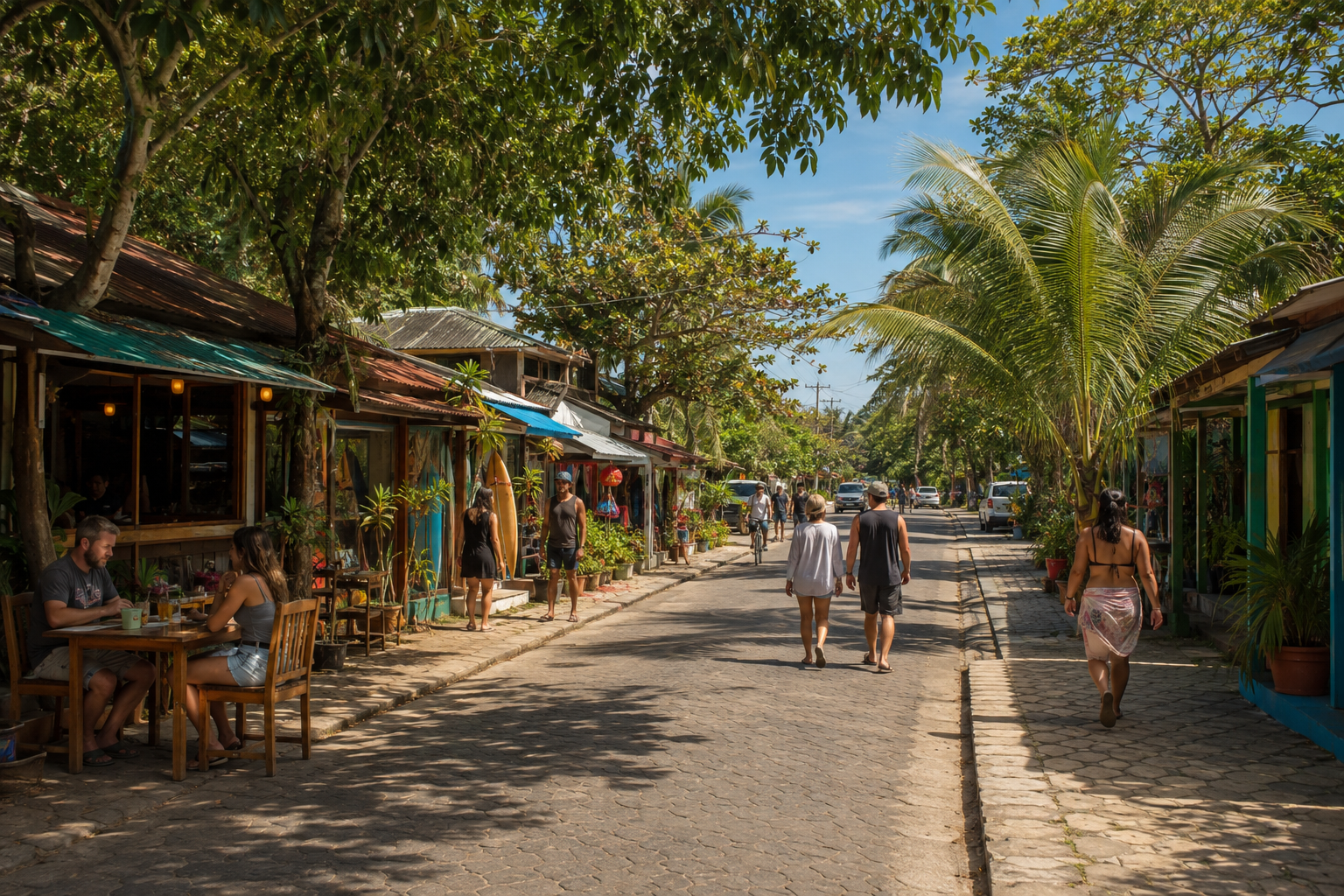
Costa Rica is one of the most popular places in the world for people who want a simpler lifestyle, warm weather, and a country that feels stable and welcoming. Many expats choose the Central Valley near San José because it is close to the international airport, private hospitals, shopping, and day-to-day services. Others prefer the beach areas for the lifestyle and scenery.
This page is a practical overview of what makes Costa Rica appealing and what you should understand before you move, especially the immigration and residency side of the decision. We’ll confirm eligibility on WhatsApp so you know which legal pathway fits your plans before you start collecting documents.
Costa Rica facts: geography, population and everyday life
Costa Rica lies between Nicaragua and Panama, with the Pacific Ocean on its west and the Caribbean Sea on its east. San José is the capital and lies in the Central Valley. The Costa Rican Tourism Institute’s country overview is a useful starting point for understanding the different regions.
The national currency is the colón. Even where a business accepts U.S. dollars, ask which exchange rate it uses and in which currency change will be returned. Build a living budget from actual local quotes, rather than assuming that tourist prices or an overseas currency conversion represent a household’s monthly costs.
INEC’s population and housing estimate for 2022, published in July 2023, puts the population at 5,044,197. This is a dated statistical estimate, not a September 2026 headcount. Check the reference year whenever comparing population figures.
A small nation with very different landscapes
A compact map can conceal substantial differences between places. The official tourism overview distinguishes the Central Valley, Guanacaste, Caribbean, Northern Plains and Pacific regions. Mountain slopes, dry forests, humid lowlands and coastal communities offer different experiences. Choose several places to compare rather than treating “Costa Rica” as one climate or one lifestyle.
For nature trips, consult our national parks and volcanoes guide. Check the relevant protected area’s current access rules before visiting. A beautiful photograph does not establish that a trail is open or that swimming is permitted.
Culture also extends beyond scenery. Explore the country’s history and Indigenous heritage, attend community activities and learn the Spanish you need for daily errands. “Pura vida” is widely associated with Costa Rican life, but it should not be used to promise that moving here removes ordinary financial, health or administrative responsibilities.
Country facts reviewed September 8, 2026. Statistical reference dates are shown explicitly.
Residency planning
- Costa Rica offers several legal residency categories that fit retirees, fixed-income applicants, and investors.
- Compare the Pensionado, Rentista, Investor and family-related routes using the current category requirements published by DGME. Eligibility depends on the specific route and supporting documents.
- Family ties can create additional residency options depending on your relationship and documentation.
- Digital Nomad is not residency and does not count toward permanent residency timelines.
- Most delays come from document timing, authentication, translations, and name consistency.
Who This Page Is For
- People considering a move to Costa Rica and wanting a realistic overview of daily life and legal residency options.
- Retirees deciding whether the Central Valley or a beach region fits their lifestyle.
- Families thinking about stability, healthcare access, and long-term planning.
- Remote workers who want to understand the difference between Digital Nomad status and true residency.
- Anyone who wants to avoid surprises and plan the move correctly from the beginning.
What People Love About Living in Costa Rica
Most long-term residents describe Costa Rica in practical terms, not hype. It is the combination of lifestyle, nature, and a country that feels organized enough for daily life. The details vary by region, but the themes below are consistent for most expats who settle here.
A stable, predictable place to build a life
People moving from high-stress environments often value how Costa Rica feels day to day. Many communities are calm, family-oriented, and centered around routine life instead of constant urgency. For long-term residents, stability is not a slogan, it is the ability to plan your year without worrying that everything will change overnight.
Real climate choices without changing countries
Costa Rica has distinct regions and microclimates. Some people want cooler mornings and spring-like weather in parts of the Central Valley. Others want year-round warmth near the coast. One of the most useful “move planning” steps is matching your preferred climate to a realistic daily-life location, not just a vacation town.
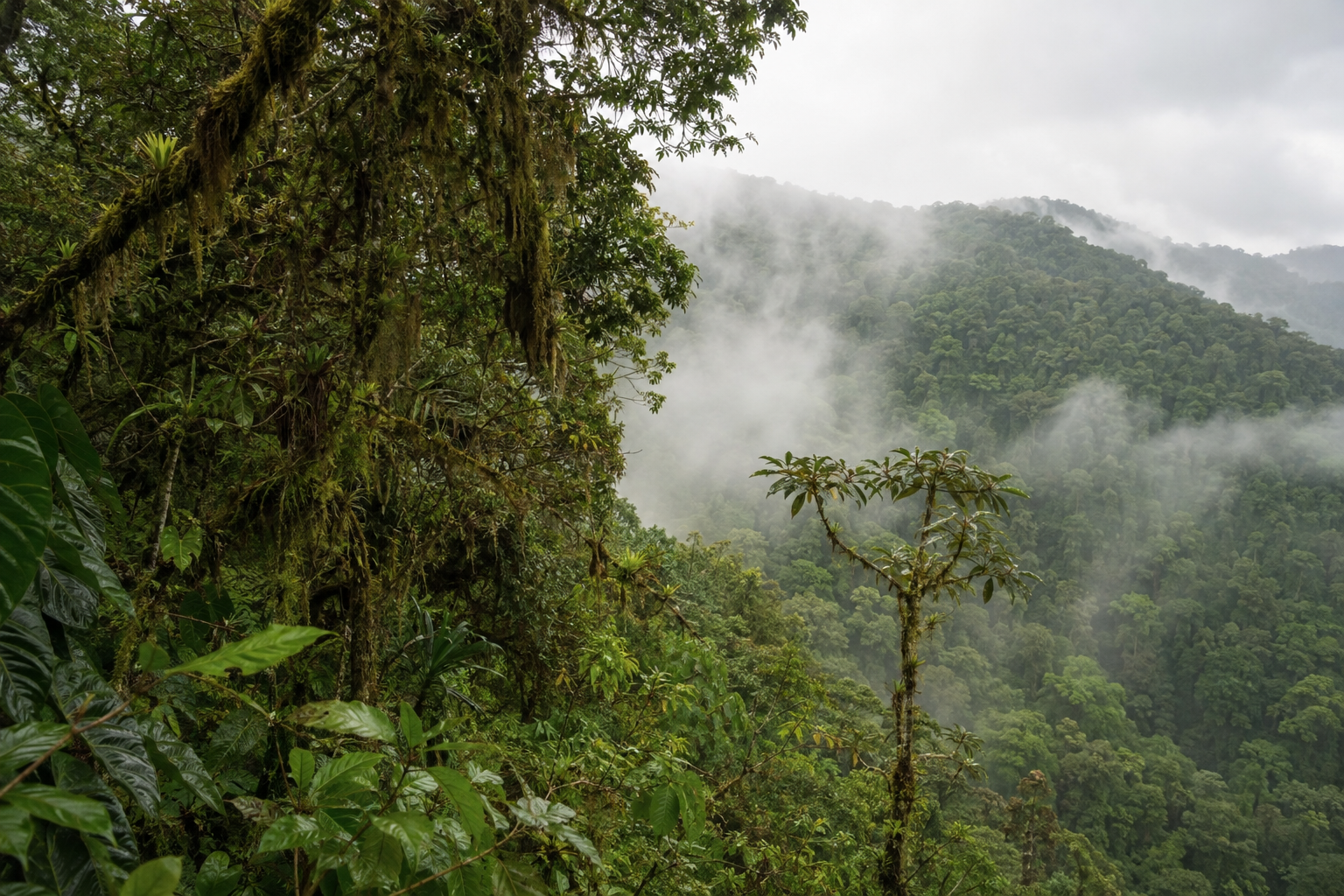
Nature is part of everyday life
Costa Rica is one of those places where nature feels close even when you live in a developed area. You can be near shopping, services, and private hospitals, and still feel like you are living in a greener world than you are used to.
A strong expat community in many regions
Many newcomers find it easier to settle because there are established expat communities across the country. The practical advantage is support: recommendations, referrals, and people who have already learned the local rhythm. It makes the move less isolating.
What to Think About Before You Move
The best moves to Costa Rica are planned like a project. People run into trouble when they only plan the lifestyle and postpone the legal and document side. These are the main “reality checks” we walk people through early.
Location first, lifestyle second
Costa Rica can feel small on a map, but travel times can be very different than people expect. Pick your location based on how you will actually live, not just what looks beautiful on Instagram. We typically recommend choosing based on airport access, medical access, climate, and daily errands first.
Residency is the long-term foundation
If you want to stay long-term, the smart move is getting the legal status right. Residency changes your stability and how easily you can manage life here. It also helps you avoid the stress of living on tourist status indefinitely.
Work rules are strict
Many people assume that living in Costa Rica means they can work here freely. Work rights depend on your category and status. If working locally is part of your plan, we should identify the correct path early.
Residency Options That Fit Most Expats
Most long-term expats start with one of the categories below. We confirm eligibility first, then we guide the document plan so you do not waste time ordering the wrong items too early.
Pensionado
- Best for: retirees with a lifetime pension.
- Threshold: US$1,000/month pension.
Rentista
- Best for: applicants with guaranteed foreign income.
- Threshold: US$2,500/month for two years (income-only).
Investor
- Best for: applicants with a qualifying investment in Costa Rica.
- Threshold: US$150,000 investment.
- Note: Investor property is generally expected to be in the applicant’s personal name. Corporate ownership may still work depending on structure and documentation.
Digital Nomad Visa
Digital Nomad is a useful long-stay option for remote workers, but it is not residency and does not count toward permanent residency timelines. If your long-term goal is residency, we will usually compare Digital Nomad to a true residency category and help you decide what fits best.
Quick Comparison
How CRIE Helps
Moving to Costa Rica is exciting, but immigration paperwork is where people lose time. CRIE keeps your process organized, category-correct, and document-complete so you avoid preventable delays.
What we do
- Confirm eligibility and recommend the best category based on your goals.
- Provide a clear document plan, including authentication and translation needs.
- Check name and identity consistency to reduce clarification requests.
- Guide the process in the correct sequence so your case stays trackable.
What you do
- Share your background, goals, and timeline.
- Collect foreign documents using our timing guidance.
- Provide category-specific proof (pension, income, investment, or family ties).
- Attend required appointments and respond promptly if a request is issued.
Frequently Asked Questions
Is Costa Rica a good place to retire?
For many retirees, yes. The key is choosing the right region for your climate preference and daily-life needs, then choosing the correct residency category so your legal status matches your long-term plan.
Do I need residency if I only visit part of the year?
Not always. Residency becomes most valuable when you want stability and fewer limitations while you are here. We can confirm whether it makes sense for your travel pattern.
Is the Digital Nomad Visa the same as residency?
No. Digital Nomad is not residency and does not count toward permanent residency timelines. If your goal is permanent residency, we will usually recommend a true residency category if you qualify.
Can I work in Costa Rica as a resident?
Work rights depend on your status. Many temporary residency categories do not allow local employment as an employee. Permanent residency typically provides broader work rights. If work is central to your plan, we should map the correct path early.
What is the biggest mistake people make when moving to Costa Rica?
Planning the lifestyle first and postponing the legal and document side until later. The smoothest moves start with category selection and document planning, then everything else becomes easier.
What is the first step if I am serious about moving?
Confirm which residency category fits your situation and what documents you should order first. That prevents wasted time and unnecessary rework.
Costa Rica vs Belize for retirement: compare your actual plan
Neither country is automatically the better retirement choice. Compare the legal route you qualify for, the town where you would live, access to your healthcare and a realistic household budget. A beachfront holiday in one country and a city rental in the other are not equivalent comparisons.
Start with the programme, not a headline income figure
The Belize Tourism Board’s Qualified Retirement Program (QRP) currently lists an age threshold of 40, qualifying outside retirement income of $2,000 monthly or $24,000 annually in an approved currency, a written undertaking to deposit the required amount in a Belize financial institution, security clearance and at least 30 consecutive days in Belize annually. Check the board’s exact currency, documentation, nationality and dependent provisions for your case.
For Costa Rica, use DGME’s category-specific requirements to establish the route that fits your pension, other income, investment or family circumstances. Do not transfer Belize’s QRP rules to a Costa Rican application. Programme eligibility and the income needed to live comfortably are separate calculations.
| Decision | What to compare in both countries |
|---|---|
| Legal status | Eligibility, documents, renewal, time-in-country conditions and the rights attached to the exact status. |
| Healthcare | The clinicians and facilities you would use, insurance acceptance, prescriptions, emergency transport and out-of-pocket costs. |
| Monthly budget | Comparable rent, utilities, food, transport, insurance, tax advice and trips to visit family. |
| Daily life | Language needs, social connections, climate, access to shops and the ability to manage errands independently. |
Test the place before committing
Spend an ordinary week in each shortlisted community. Try the grocery trip, appointment journey and return transport after dark. Ask for written rental and insurance quotes for the same household needs, and check seasonal access issues with local providers. Include a reserve for repairs, medical costs and changes in exchange rates.
If your aim includes permanent residence, citizenship, employment or running a business, obtain specific advice about those goals. A retirement programme should not be assumed to deliver all of them. Ask each authority which conditions would apply before buying property or shipping possessions.
For the Costa Rican side, our healthcare guide and moving checklist can help organize that comparison. CRIE can discuss Costa Rican immigration planning; Belize QRP decisions belong to the Belize authorities.
Comparison reviewed September 8, 2026. Belize programme details are attributed to BTB; no unverified Costa Rican eligibility amount or blanket “cheaper/safer” ranking is asserted.
Message CRIE on WhatsApp
If you are considering a move to Costa Rica, start with clarity. We’ll confirm eligibility on WhatsApp and tell you which category fits best before you start collecting documents.
WhatsApp: +506 8706 3888
Email: info@crie.cr
Professional Disclaimer
This page is provided for general informational purposes only. Immigration rules, internal criteria, and required documentation can change. Information on this page is based on, and checked against, Costa Rica’s official immigration authority (Migración/DGME): https://migracion.go.cr/.