
Many expats living in Costa Rica often wonder about the implications of overstaying their visa. This concern is valid, especially when considering future residency options. Upon entering the country, most travelers receive a 180-day tourist visa, allowing them to explore the beautiful landscapes and vibrant culture of Costa Rica.
However, understanding the immigration process is crucial. Your initial visa status plays a significant role in your ability to remain in the country legally. When you enter, immigration officers stamp your passport, indicating how long you can stay. If you exceed this period, it may complicate your residency process later on.
We have seen thousands of expats successfully navigate their 180-day visa before applying for formal residency. It’s essential to recognize that officials review your travel history and current visa status during any residency application. Thus, knowing how a simple overstay might impact your long-term plans is vital.
Understanding Costa Rica’s Immigration and Residency Landscape
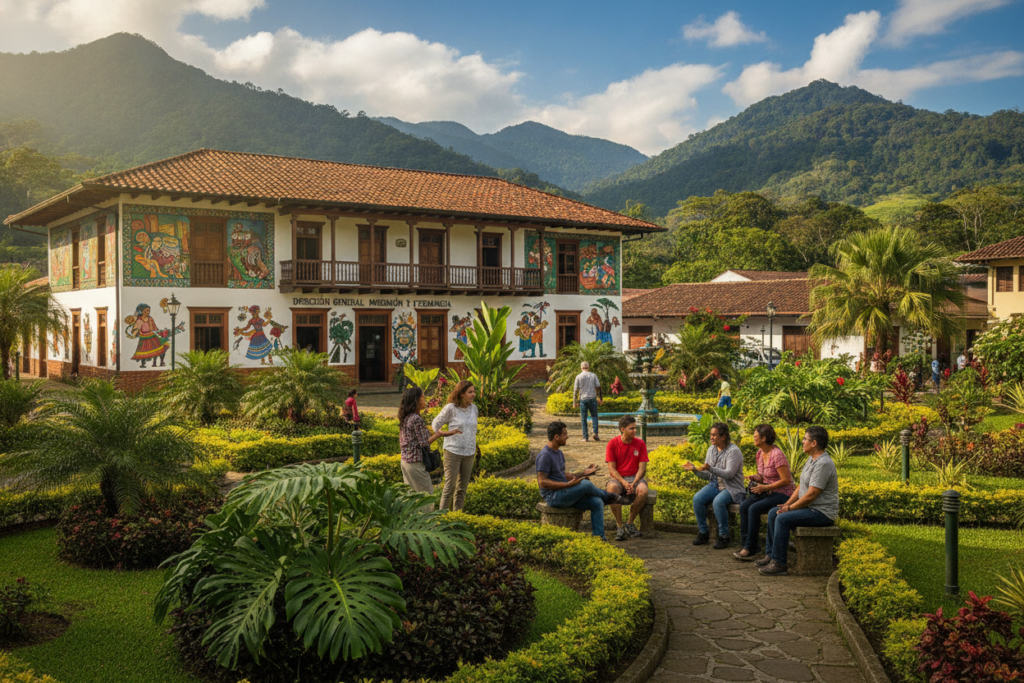
Expats must familiarize themselves with Costa Rica’s immigration rules to avoid potential issues. The immigration system here is governed by specific laws, including Article 33, Paragraph 3, which outlines when individuals must leave the country. This regulation is crucial for anyone planning to stay long-term.
Since late 2022, the introduction of the digital nomad visa has opened new pathways for many. This option allows people who previously relied on perpetual tourism to stay in Costa Rica legally. Immigration officers at border crossings have the authority to grant entry, and their decisions often depend on your visa category.
When you start the residency process, you transition from tourist status to a formal category recognized by the government. Gathering the correct documents is vital, as the immigration office requires proof of your background and financial stability. For more detailed guidance, check out our article on overstaying in Costa Rica.
Examining “does-overstay-affect-costa-rica-residency” and Immigration Implications
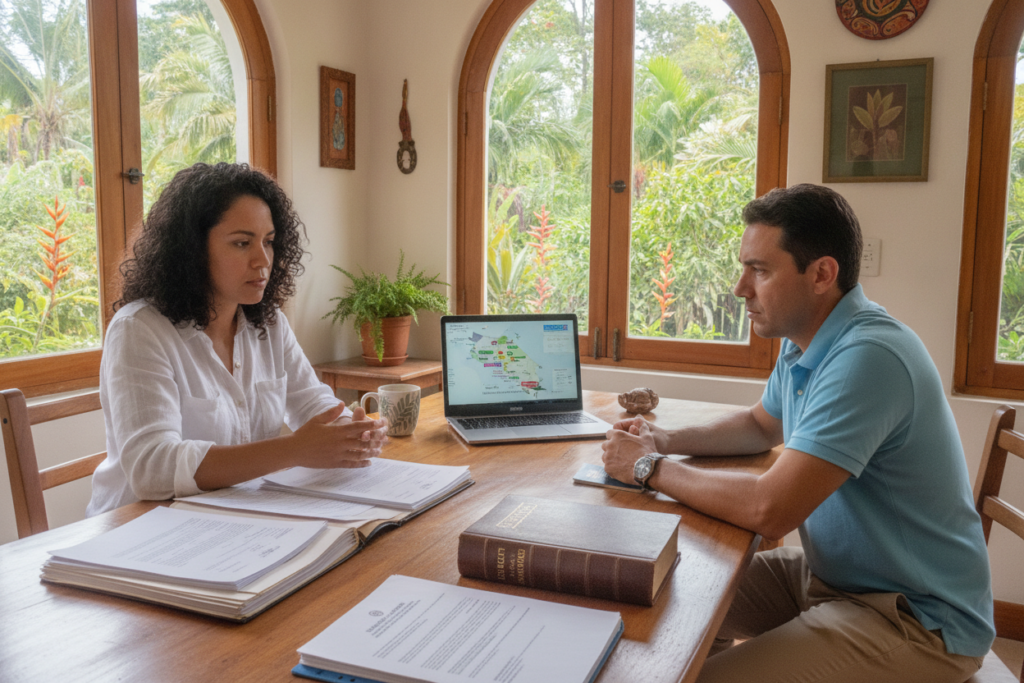
Understanding the legal ramifications of overstaying a visa in Costa Rica is essential for expats. If you overstay your authorised tourist stay, contact DGME promptly and do not rely on an informal estimate of the penalty. This can quickly add up, making it crucial to be aware of your stay duration.
The law also stipulates that an irregular stay can lead to a prohibition of entry for three times the duration of your overstay. This means that a simple lapse can complicate your future travel plans significantly.
When applying for residency, the “en tramite” status provides a legal bridge that allows you to remain while your application is being processed. However, we advise that any overstay may be viewed negatively by immigration officials during their review.
Essential Residency and Immigration Requirements in Costa Rica
Navigating the complexities of residency in Costa Rica requires understanding key immigration requirements. This knowledge is essential for expats who want to make the country their home.
To successfully navigate the residency process, you must provide comprehensive documentation. This includes a notarized copy of every page of your passport. Additionally, you need to show proof of at least $300 in available funds to demonstrate that you are not indigent.
The tourist visa requirements are strict. If you leave the country by air, be prepared to pay the $29 departure tax. For those traveling by land or sea, the tax typically ranges from $7 to $12.
Many people find that the border run process is a temporary solution. However, it does not replace the formal requirements for residency. If you overstay, contact DGME promptly and do not rely on an informal estimate of the penalty.
Every application must be complete. Missing documents can delay your status and force you to remain in a tourist category longer than intended. For more information on managing your residency process, check out our article on travel during the residency process.
Practical Solutions for Managing Overstay Challenges
Finding effective strategies to manage visa overstays is crucial for expats in Costa Rica. If you need more time, you can apply for a 60-day tourist visa extension by paying $100 into the designated Bank of Costa Rica account. This option provides a straightforward way to extend your stay legally.
Many expats choose to perform a border run, which involves leaving the country and returning to reset their tourist visa status. While you can technically return after just 10 minutes, remember that the 72-hour rule applies if you want to reset your duty-free customs exemption.
We advise that you never attempt to overstay, as the $100 fine per month can significantly impact your residency plans. Regularizing your status is the best way to avoid the stress of constant border travel and uncertainty with immigration officers.
Always ensure your documentation is in place before any border crossing, as officials may ask for proof of onward travel. If you are currently in the country, we can help you understand the steps to move from a tourist category to a formal residency status.
Final Steps and Personalized Guidance from CRIE
Understanding the nuances of Costa Rica’s residency process is vital for anyone looking to settle here. For over 20 years, CRIE has proudly assisted individuals and families with their residency and immigration needs. Each case is unique, influenced by nationality, family situation, and immigration history.
You don’t have to navigate these complex rules alone. Our experienced team is here to help you understand your options for a legal stay in this beautiful country. For personalized guidance and to discuss your next steps, please connect with our immigration expert, Johanna Alvarez.
Reach us via WhatsApp at +506 8373 2085, email us at info@crie.cr, or visit our website at crie.cr to learn more.

FAQ
What happens if we overstay our tourist visa in Costa Rica?
Overstaying a tourist visa can lead to fines and complications when applying for residency. It’s essential to address any overstay promptly to avoid further issues with immigration.
How can we extend our tourist visa in Costa Rica?
We can extend our tourist visa by applying for an extension at the immigration office or by leaving the country and re-entering. However, the rules can vary, so it’s best to check with the local authorities.
What are the residency options available for expats in Costa Rica?
Costa Rica offers several residency options, including temporary and permanent residency. Each category has its own requirements and processes, which we should review carefully.
What documents do we need to apply for residency in Costa Rica?
The required documents typically include a valid passport, proof of income, a background check, and additional forms specific to the residency category we are applying for.
How does overstaying affect our future residency applications?
Overstaying can negatively impact our residency application, as it may be viewed unfavorably by immigration officials. It’s crucial to maintain compliance with visa regulations to support our application.
What steps can we take if we are currently overstaying?
If we are overstaying, we should contact immigration authorities immediately to discuss our options. They may allow us to regularize our status or provide guidance on next steps.