Many individuals wonder if they must be in Costa Rica to begin their journey toward legal residency in this beautiful Central American country. At CRIE, we have spent over 20 years helping families navigate the complex immigration landscape.
While you can start gathering documents from abroad, the formal residency steps often require specific actions that our experienced team understands thoroughly. Knowing whether physical presence is necessary is crucial for planning your long-term move.
Our goal is to provide you with factual information to help you decide when to arrive in Costa Rica for your residency application. For more insights, visit this link.
Looking at all your options? Read our complete guide to Costa Rica residency, with every category compared.
Understanding the Costa Rica Residency Process
Exploring the residency categories in Costa Rica is crucial for making informed decisions about your future. The residency process offers several distinct options, such as the Pensionado, Rentista, and Inversionista programs. Each category caters to different financial situations and needs.
Choosing the right residency type is essential. Each category has specific requirements regarding income, investment, and the duration of your stay. By understanding these categories, you can align your choice with your long-term goals.
Residency matters greatly in Costa Rica. It provides a stable legal status in a country known for its happiness and environmental sustainability. By obtaining legal residency, you gain the security of living in a stable democracy that prioritizes social welfare.
Our team at CRIE is here to help you evaluate these options and guide you through the complexities of the residency process.
Starting Your Residency Process from Abroad
Starting your residency journey can begin even before you set foot in Costa Rica. This approach allows you to tackle the time-consuming task of gathering essential documents. Important items include birth certificates and criminal background checks.
One critical document is the FBI criminal background check, which can take up to sixteen weeks to process. Preparing this early is a smart move for anyone planning to move here. Additionally, all foreign documents must be apostilled in their country of origin. This step is much easier to manage before arriving in Costa Rica.
By preparing your documents early, you can avoid delays once you arrive. Having everything ready will streamline the process for your immigration attorney. We recommend consulting with us early to ensure your documents meet the strict requirements set by Costa Rican immigration authorities.
Navigating Legal and Document Requirements
The path to residency in Costa Rica begins with knowing the essential legal and document requirements. This process involves compiling a comprehensive list of documents necessary for your application. Key items include birth certificates and marriage licenses for all applicants.
Every document issued outside of Costa Rica must be apostilled by the appropriate authority in your home country. This step is crucial for local officials to recognize your documents. Once apostilled, all documents need to be translated into Spanish by a court-approved translator in Costa Rica.
Our team at CRIE is here to assist you in verifying that your documents meet local formalities. This guidance is vital for ensuring a speedy approval. Failing to follow these strict requirements can lead to significant delays in your residency journey.
Exploring Income Verification and Financial Contributions
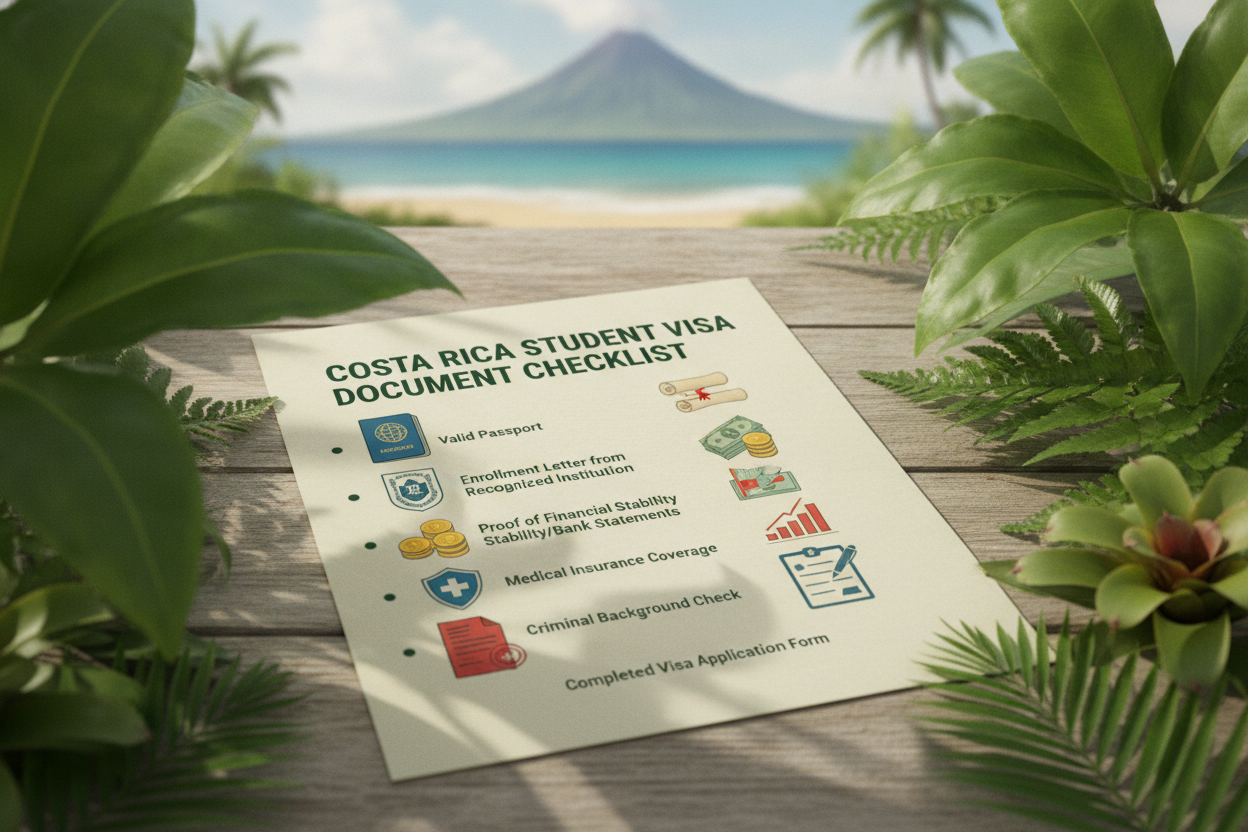
Understanding the financial requirements for residency in Costa Rica is essential for prospective applicants. Two primary categories focus on income verification: Pensionado and Rentista.
The Pensionado program requires applicants to demonstrate a lifetime pension income of at least $1,000 per month from a government or business retirement plan. This ensures that residents can support themselves without local employment.
For those without a pension, the Rentista category requires proof of at least $2,500 per month in stable, unearned income for a minimum of two years. These income requirements are strictly enforced by the Costa Rican immigration authorities.
We assist you in preparing the necessary income certification letters from your financial institutions to prove you meet these financial thresholds for your residency application. Maintaining these income levels is crucial, as you will need to provide documented evidence of deposits during your yearly residency renewal in Costa Rica.
Evaluating Investment Options for Inversionista Residency
Evaluating your investment choices is key to securing residency in Costa Rica. The Inversionista residency category is tailored for individuals looking to make a significant financial contribution to the local economy.
To qualify, you must invest a minimum of US$150,000 in tangible property, shares, or a business project that supports Costa Rica’s development. This investment not only benefits you but also fosters growth in the community.
It’s crucial to verify your investment. You cannot sell the asset without reinvesting if you wish to maintain your residency status. Our team at CRIE is here to help you structure your investment to meet the government’s criteria effectively.
Whether you’re purchasing a home or launching a business, understanding these investment thresholds is essential for a successful Inversionista residency application in Costa Rica.
Comparing Temporary and Permanent Residency Options
Navigating the differences between temporary and permanent residency in Costa Rica is essential for future applicants. Most foreigners begin their journey by obtaining temporary residency, which is granted for an initial period of three years.
After maintaining your temporary residency status for at least three years, you become eligible to petition for permanent residency in Costa Rica. While the term “permanent” suggests a final status, holders must renew their identification cards regularly to remain in good standing.
At CRIE, we explain the differences between these statuses. Understanding the long-term commitment required to seek permanent residency or even citizenship is crucial for anyone planning to make Costa Rica their long-term home.
CRIE’s 20+ Years of Expertise in Residency Services
For over two decades, we have guided countless individuals and families through the complexities of residency in Costa Rica. Our extensive experience means we understand the unique challenges that each applicant faces.
We pride ourselves on providing clear, factual guidance without a sales pitch. This approach ensures you have the information needed to make informed decisions about your residency journey.
Every case is unique, depending on factors like nationality, family situation, and immigration history. That’s why we offer tailored assistance to meet your specific needs.
Our team at CRIE focuses on practical, educational support. We are dedicated to helping you achieve your goal of living in Costa Rica by providing reliable and professional immigration services.
do-i-need-to-be-in-costa-rica-to-start-the-residency-process
A common question for many is whether physical presence in Costa Rica is required to initiate the residency journey. While you can begin gathering your documents from abroad, filing the application typically occurs once you are in the country.
Once your residency application is submitted, your status shifts from tourist to residency applicant. This change allows you to remain in Costa Rica during the processing period. However, moving here before your documents are ready is not advisable, as obtaining the necessary paperwork can take months.
We recommend coordinating with us to determine the best approach for retrieving your documents from your home country before arriving. By planning your arrival strategically, you can ensure that your residency journey proceeds smoothly once you are on the ground.
Preparing Your Application: Timing and Strategic Considerations
Effective planning is essential for a smooth residency application process in Costa Rica. Timing can make a significant difference in your journey toward legal residency.
Many documents, such as criminal background checks, are only valid for six months from the date they are issued. This means you must carefully plan when to obtain these documents to avoid expiration before filing your residency application.
Once your residency is approved, remember that you will need to undergo a renewal process yearly to maintain your legal status as a resident of Costa Rica. This annual renewal is crucial for ensuring that your residency status remains secure.
At CRIE, we help you track these important dates and requirements. Proper planning over the years will help you avoid the stress of last-minute document requests.
Understanding Local Legal Nuances and Social Security Requirements
Understanding the local legal landscape is vital for anyone seeking residency in Costa Rica. A key component of this journey involves compliance with the Caja Costarricense de Seguro Social, commonly referred to as CAJA.
All residents in Costa Rica are required to participate in the social security and medical benefits plan managed by CAJA. The amount you will pay is determined during an interview and is based on a percentage of your declared income in the country.
Compliance with CAJA is mandatory for maintaining your residency status. You will need to provide proof of your enrollment to ensure your legal standing. Our team at CRIE is here to help you navigate these local legal nuances.
By staying compliant with CAJA and other local laws, you protect your right to live and enjoy the benefits of being a resident in Costa Rica.
Tips for a Smooth Transition to Costa Rican Residency
As you embark on your residency journey in Costa Rica, there are key aspects to consider for a seamless transition. One of the first things to note is that once you become a resident, your foreign driver’s license is no longer valid for operating a vehicle.
You will need to obtain a Costa Rican driver’s license. To do this, visit the MOPT office with your residency ID card, passport, and a valid foreign license. Fortunately, there is no driving ability test required to exchange your foreign license for a local Costa Rican driver’s license.
New residents should also focus on securing their property and assets. It’s important to note that the U.S. Embassy cannot intervene in local legal or business disputes. At CRIE, we offer practical tips to help you settle into your new life in Costa Rica, ensuring your transition is as smooth and stress-free as possible.
Final Reflections and Next Steps in Your Residency Journey
Deciding to pursue residency in a new country is a major life choice that requires thorough preparation. We have discussed essential requirements, from income verification to document preparation, to help you understand what is involved in moving to Costa Rica.
Every case is unique, and your specific situation will dictate the best path forward for your residency application. For personalized guidance, pricing, and to discuss your next steps, please contact our immigration expert, Johanna Alvarez, at CRIE.
You can reach us via WhatsApp at +506 8373 2085, by email at info@crie.cr, or by visiting our website at crie.cr for more information. We look forward to helping you navigate your residency journey and welcoming you to your new home in beautiful Costa Rica.