
In late 2023, Costa Rica introduced a 180-day tourist visa for many nationalities. This move aims to enhance tourism and promote the Pura Vida lifestyle. However, understanding the legal landscape of living in this beautiful country is essential for foreign nationals.
This guide will help you navigate the complexities of the visa options available. We will clarify the differences between temporary tourist status and formal residency. Knowing these distinctions is crucial for anyone planning to spend an extended period in Costa Rica.
Our goal is to provide a comprehensive overview of the immigration process. We will discuss the requirements and documentation needed to maintain your legal status. Furthermore, we will examine the practical steps involved in transitioning from a short-term visitor to a long-term resident.
Understanding Costa Rica’s Visa Extension Process
Recently, Costa Rica launched a tourist visa granting a generous 180-day stay for visitors. This new policy is a significant improvement for many travelers. Citizens from over 60 countries can enjoy this extended period upon arrival at major airports, such as Aeropuerto Juan Santamaria.
If you wish to stay longer, it’s essential to understand the strict enforcement of the tourist visa period. Many travelers opt for a border run to reset their visa status. This involves exiting the country, often heading to nearby destinations like Panama or Nicaragua.
When planning your border crossing, ensure your passport is valid and ready for inspection. Requirements for re-entry typically include proof of onward travel, a standard procedure for all visitors. Remember, overstaying your visa can lead to serious consequences, including potential bans from returning.
Understanding the Residency Application Process in Costa Rica
For those considering a longer stay, it’s vital to explore the residency options Costa Rica offers. There are two primary types of residency: temporary and permanent. Each serves different needs and has unique requirements.
Applying for temporary residency is a formal process that involves submitting extensive documentation to the Dirección General de Migración y Extranjería. This includes options like the Pensionado Visa, which requires proof of a monthly income of at least $1,000 from a verified pension provider.
Another option is the Inversionista Visa, aimed at investors who commit at least $150,000 to qualifying projects. After maintaining temporary residency for three years, you may be eligible to apply for permanent residency, which grants broader rights within the country.
Each residency path demands careful preparation of legal documents to meet the strict standards set by the Costa Rican government. Understanding these requirements is crucial for a successful transition. For more insights on the benefits of residency, check out this resource.
Exploring Key Documentation and Eligibility Requirements
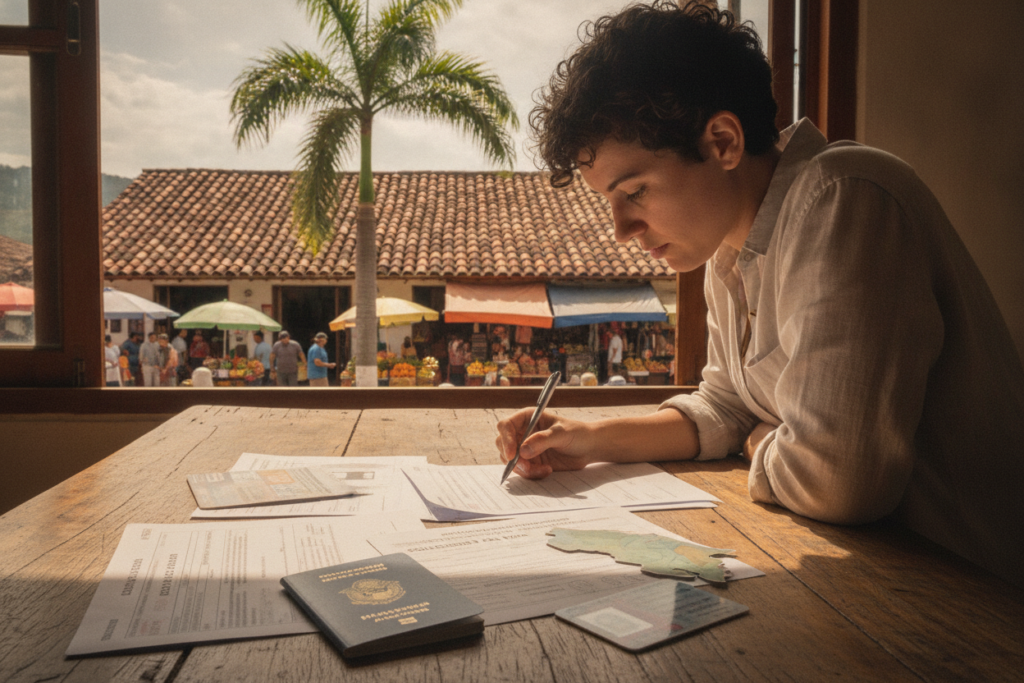
Understanding the necessary documentation is crucial for anyone looking to establish residency in this beautiful Central American country. There are several essential requirements that must be met to ensure a smooth application process.
First and foremost, you must provide a valid passport that remains current for at least six months beyond your intended date of entry into Costa Rica. This is a fundamental requirement for any foreign national.
Additionally, financial proof, such as bank statements, is necessary to demonstrate that you can support yourself without relying on local public funds. All official documents, including marriage certificates and criminal background checks, must be properly apostilled to be recognized by the immigration office.
It’s important to note that documents submitted for residency must typically be reissued within six months of the application date to be considered valid by authorities. Failure to provide complete documentation can significantly delay your process.
To navigate these requirements effectively, we recommend working with experts who can ensure every document meets the specific criteria required for a successful residency in this country. For more information on residency requirements, check out this resource.
Detailed Look at costa-rica-visa-extension-vs-residency-application
Navigating the immigration landscape in Costa Rica requires a clear understanding of visa and residency options. Choosing between a visa extension and a residency application depends on your long-term goals for living in this beautiful country.
A visa extension serves as a temporary solution for those who plan to stay for a limited time before returning home. This option allows you to enjoy the vibrant culture and stunning landscapes without a long-term commitment.
Conversely, a residency application provides a more stable legal status for those wishing to make Costa Rica their permanent home. It’s essential to analyze the legal implications of each pathway to determine which option aligns best with your personal and financial circumstances.
Practical considerations also vary. For instance, the ability to work or access local services differs significantly between a tourist visa and formal residency status. Understanding these differences can help you make an informed decision.
Benefits and Limitations of Each Option
When considering a stay in this vibrant country, understanding the benefits and limitations of visa and residency options is essential. Each pathway offers unique advantages that can greatly influence our experience.
The primary benefit of a tourist visa is the ease of entry. However, it limits our ability to work or establish long-term roots in this beautiful land.
On the other hand, residency provides legal stability and the right to live here permanently. The application process, though, requires time and effort.
One limitation of the tourist visa is the constant need to monitor our stay. This may involve performing border runs to maintain legal status.
Residency options offer a clear path to integration. This allows us to access local banking and services that are often restricted for tourists.
We weigh these pros and cons to ensure we understand the trade-offs involved in our decision to stay in this paradise.
Deciding the Best Option for Your Situation
Choosing the right immigration path in this beautiful country can significantly impact your experience. We need to consider several factors to make an informed decision about residency or visa options.
Your nationality plays a crucial role in determining which visa options are available to you upon arrival. Each country has different agreements with Costa Rica, affecting the length and type of stay.
Family circumstances, such as having children or a spouse, will influence the type of residency option that is most suitable for your household. For instance, some residency paths offer advantages for families.
Timing is essential, as the processing time for residency can take several months. This requires us to plan our stay in Costa Rica carefully to avoid any legal issues.
We encourage everyone to evaluate their long-term commitment to living in the country. This evaluation will help in deciding between a simple extension or a formal residency option.
Every individual case is unique. We suggest reviewing your specific situation with a professional to avoid common pitfalls in the immigration process.
Special Considerations for Digital Nomads and Investors
With the growth of the digital nomad lifestyle, Costa Rica has tailored its visa options to attract remote workers. The Digital Nomad Visa is an excellent choice for those earning a minimum monthly income of $3,000 from foreign sources. This program allows digital nomads to reside in Costa Rica for up to 12 months, with the possibility of extending their stay for an additional year.
For investors, the Inversionista program offers a pathway to temporary residency for those contributing at least $150,000 to the local economy. These visa options are designed to attract professionals and entrepreneurs eager to experience the Pura Vida lifestyle while working remotely.
Applicants must provide proof of health insurance and meet specific income thresholds to qualify for these specialized residency pathways. We provide guidance on how to navigate these specific categories to ensure your application reflects your professional and financial reality accurately. For more information, check out this resource.
Managing Families’ Immigration Needs
Families planning to relocate to this tropical paradise must carefully consider their immigration needs. Ensuring that all members have the necessary documentation is crucial for a smooth transition. This includes obtaining birth and marriage certificates, which must be properly apostilled.
Managing the immigration needs of a family requires careful coordination. We need to ensure that everyone maintains valid legal status throughout the process. Each family member may have different requirements based on their age and status.
To streamline the residency process, we offer tips on organizing your family’s paperwork. This preparation minimizes stress during your transition. Planning ahead for your family’s needs is the best way to ensure a successful move to this welcoming Central American country.
CRIE’s Role in Simplifying Costa Rica Immigration
For over two decades, individuals and families have turned to CRIE for assistance with their residency and immigration needs in this beautiful country. Our extensive experience helps clients navigate the complexities of the immigration system with ease.
We offer personalized support to ensure that your residency application receives the attention to detail required by local authorities. Our team focuses exclusively on residency and immigration services, providing the local insight needed to understand the nuances of the current legal environment.
Our approach is centered on delivering clear, factual information that empowers you to make informed decisions about your future. We are committed to helping you understand the immigration process so you can focus on enjoying your life and experiences in this vibrant locale.
To start your journey, consider assessing your residency options with our expert guidance. Visit this link for more information.
Tips for a Smooth Immigration Process and Timely Submissions
To ensure a successful residency journey, we must stay organized and meet all deadlines. This is crucial for managing the immigration process effectively.
Overstaying your visa can lead to serious consequences. Overstaying has consequences, so check your authorised stay and contact DGME before it ends. Understanding these fees is essential for planning your budget.
Tracking your days carefully will help avoid legal complications. Timely submissions of your documents are vital for maintaining your status. We recommend keeping a checklist to manage your paperwork efficiently.
By staying informed about the required timeframes and costs, we can navigate our residency journey smoothly. A proactive approach will ensure we meet all critical deadlines without stress.
Final Reflections on Your Costa Rican Immigration Journey
Embarking on a journey toward residency in this vibrant country is a transformative experience. It requires careful planning and a clear understanding of the legal requirements.
Whether you choose a visa extension or a formal residency, staying informed is crucial for a successful experience. Every case is unique, influenced by nationality, family situation, and immigration history.
We hope this guide has provided the clarity needed to navigate the immigration process with confidence. For personalized guidance and current pricing, please contact Johanna Alvarez at CRIE via WhatsApp at +506 8373 2085, email [email protected], or visit crie.cr.

FAQ
What is the validity period of a tourist visa in Costa Rica?
A tourist visa typically allows us to stay for up to three months. We can apply for an extension or leave the country and re-enter to reset our stay.
What documents do we need for a residency application?
For residency, we must provide a valid passport, proof of income, and other documentation like a background check and financial statements.
Can we work in Costa Rica on a tourist visa?
No, working on a tourist visa is not permitted. If we plan to work, we should consider applying for a residency status that allows employment.
How long does the residency application process take?
The residency application process can take several months, depending on our specific situation and the completeness of our documentation.
What are the benefits of obtaining permanent residency?
Permanent residency offers us the right to live and work in Costa Rica indefinitely, access to local services, and the ability to travel freely within Central America.
Are there any special considerations for digital nomads?
Yes, digital nomads may explore specific visa options that cater to remote workers, allowing them to stay in Costa Rica legally while working remotely for employers or clients abroad.
What fees are associated with the residency application?
Fees can vary based on the type of residency we apply for, but we should expect to pay for application processing, legal assistance, and other related costs.
How can we prove our financial stability for residency?
We can provide bank statements, proof of income, or employment contracts to demonstrate our financial stability and ability to support ourselves in Costa Rica.
What should we consider when applying for residency as a family?
We need to gather documentation for each family member, including passports, birth certificates, and proof of relationship, to ensure a smooth application process.
How can CRIE assist us with our immigration process?
CRIE offers personalized guidance, expert support, and local insights to help us navigate the complexities of immigration in Costa Rica effectively.