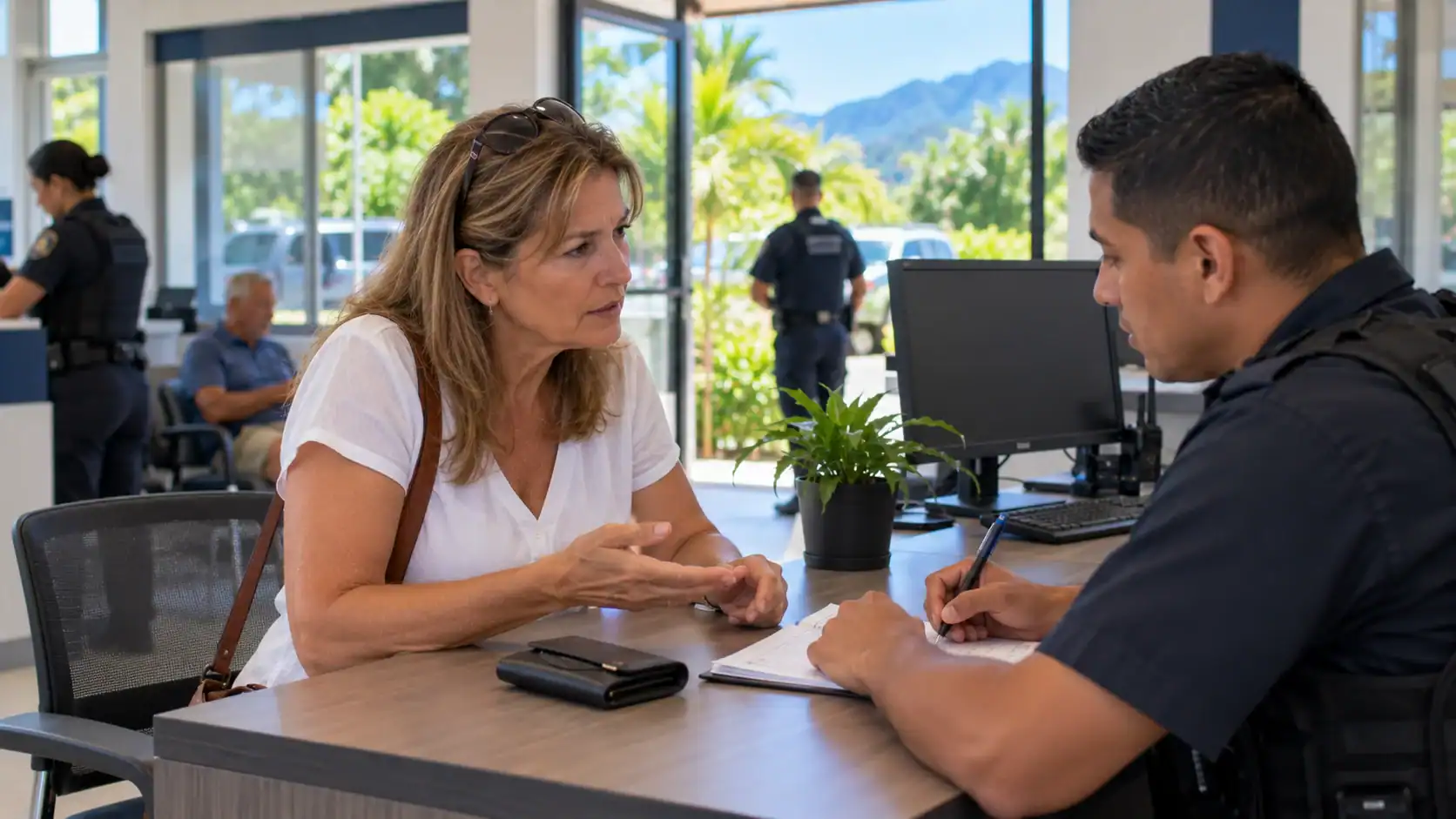
Your official residency identification is the key to your life here. For foreign residents, this document validates your legal standing and is distinct from a tourist visa or local citizen ID.
Over 90% of expatriates depend on it for daily essentials—from opening a bank account to accessing healthcare and driving legally. Losing this critical piece of plastic creates immediate and significant hurdles.
We understand the stress and confusion that follows. The path to a replacement involves specific steps, official appointments, and precise paperwork. Starting your preparation from home with the correct documents is the most crucial first move you can make.
This guide provides clear, step-by-step information based on current immigration procedures. We emphasize realism—processes can change, so always verify details with the official migration authority. Our role at CRIE is to be your knowledgeable guide through these complex systems.
Here, you’ll learn about qualifying residency categories, document preparation, the replacement process, common pitfalls, and how to maintain your legal status. For personalized support, you can contact our team via WhatsApp at +506 8706 3888 or at info@crie.cr.
Understanding the Importance of Your DIMEX Card

This small plastic card holds immense power over your ability to function legally and socially. We view it as your official Documento de Identidad Migratoria para Extranjeros—the physical proof of your legal residency status.
The Role of the DIMEX in Securing Residency
Your residency card validates your legal standing. It is fundamentally different from a tourist visa. This document unlocks essential services like enrollment in the CAJA healthcare system and legal employment authorization.
It also allows you to open bank accounts and conduct official transactions with government agencies. For daily life, this card is more crucial than your passport for activities like renting property or registering a vehicle.
Implications of a Lost Card on Daily Life
Misplacing this card creates immediate hurdles. You cannot prove your legal residency status during interactions with authorities. Accessing healthcare services becomes challenging.
Banking transactions and employment verification may face complications. Remember, your underlying residency status does not vanish. However, you need the physical replacement to access benefits and prove your standing.
Delays in replacing it can compound these daily disruptions. All residency categories require this card, regardless of type.
Who Qualifies for Costa Rican Residency? (Requisitos de Residencia)

The path to legal status begins with determining if you meet the specific requirements for one of several established categories. Knowing your category is crucial, as it dictates the proof you’ll need for any application, including a replacement.
Eligibility Criteria for Pensionado (Pensionado) and Rentista (Rentista)
The Pensionado category requires proof of a permanent pension exceeding US$1,000 per month. This is ideal for retirees with guaranteed income.
The Rentista category demands demonstrable income of US$2,500 per month for two years. Proof is typically shown through bank statements.
A common misconception involves the Digital Nomad visa. It is not a residency category and does not count toward permanent status. For those with qualifying income, Rentista is the closest option.
Investor (Inversionista) Requirements and Asset Ownership
The Inversionista category requires a minimum investment of US$150,000 in local assets, usually real estate. A critical rule: the property must be registered in the applicant’s personal name, not a corporation.
Other pathways exist, like the Vinculo category for spouses of citizens. All temporary categories can transition to permanent residency after three years of maintaining status.
The journey toward citizenship always starts with establishing and maintaining legal residency first.
Preparing Your Documents Before Arrival
Gathering the correct paperwork is your most critical task, and it starts at home. We cannot overstate this. A complete, authenticated file prevents delays and repeated visits to government offices.
Getting Apostilles, Official Translations, and Certifications
Your vital records need proper authentication. For U.S. documents, this means state-level apostilles for items like birth certificates. Federal apostilles are for FBI checks.
The process differs for Canadian papers. They require a stamp from Global Affairs, authentication at a consulate, and final approval at Casa Amarilla.
Remember, official translations must be done by authorized translators within the country. Budget for this step after you arrive.
Organizing Your Passport and Additional Required Papers
Your passport must be current and in perfect condition. Authorities reject any with water damage, tears, or illegible stamps. Inspect it carefully.
Specific proof is needed for your replacement application. This includes copies of your original residency approval and current CAJA enrollment.
You must also type your parents’ full names on a plain white sheet. Type your email address on a separate sheet. Handwritten versions are not accepted.
Print the informed consent form, but only sign it in front of the officer. Document preparation takes significant time. Authentication can span weeks. Start early.
Step-by-Step Process for Replacing Your Lost DIMEX Card
Moving forward with your replacement application means scheduling a mandatory appointment and submitting your file for verification. We’ll walk you through each phase of this official procedure.
Scheduling Your Appointment at Correos de Costa Rica or DGME
First, understand that duplicates for a lost identification are only processed at DGME immigration offices. You cannot use a bank branch or standard post office for this specific step.
To get an appointment date, you must call 1311. This number is only accessible from within the country using a Kolbi cell phone. Have a friend assist if you use a different carrier.
You must pay government fees to BCR account #242480-0. The amount is roughly $123, paid in local currency. Bring your payment receipt and about ₡7,910 in cash to your meeting.
Arrive at least ten minutes early. Late arrivals risk cancellation, forcing you to restart the scheduling process.
Verification Procedures and Collection of Your New Card
At your appointment, an officer will scan your documents. They will take your photo, capture fingerprints electronically, and have you sign digitally.
The immigration staff verifies your status in their system. They confirm your eligibility for a duplicate residency card. Incomplete paperwork halts everything.
After approval, allow about one month for production. Your new physical ID will be ready for pickup at the Correos de Costa Rica post office location you selected. You must collect it in person with your receipt.
You typically receive a temporary digital version with a QR code for use while waiting. We can track its status and notify you when it’s ready.
Costa Rica Lost DIMEX Card: Common Pitfalls and Mistakes to Avoid
The most frustrating part of replacing your residency ID isn’t the official procedure itself, but the avoidable errors that interrupt it. We see applicants lose weeks due to simple oversights. A reality-check: perfect preparation is your best defense.
How to Prevent Document Errors and Miscommunications
Name mismatches on payment receipts cause instant rejection. Ensure every spelling matches your passport exactly. Damaged or illegible travel documents will halt your application.
Precise Costa Rican Spanish is mandatory for technical immigration transactions. Phone apps fail here. Hire a qualified local translator, but maintain control. Verify each step against printed instructions.
Managing Timelines and Avoiding Delays
Renew your status within 90 days before expiration. If it lapses over three months, a lawyer’s affidavit is required. After one year, a new criminal background check is needed.
Delays compound quickly. A missed appointment or incomplete file can add months. Different offices may interpret rules slightly differently. Confirm specific requirements at your chosen venue.
Invest in proper preparation upfront. The old adage holds true: there’s never enough time to do it right the first time, but always enough to do it over.
Additional Guidance for Maintaining Legal Residency
Beyond the initial application, staying compliant with immigration rules is an ongoing responsibility. Replacing a misplaced identification is just one part of the picture.
Your legal status requires active management. This includes timely renewals, continuous healthcare enrollment, and proving you still meet your category’s requirements.
Ensuring Ongoing Eligibility and Renewal Processes
Renewal timelines vary. Temporary status often needs updates every one to two years for the first three years. You can apply starting 90 days before expiration.
We strongly recommend applying early. After maintaining temporary legal residency for three years, you become eligible for permanent residency.
This offers greater stability. You must prove ongoing eligibility. Pensionados show pension income. Rentistas demonstrate monthly funds. Inversionistas prove asset ownership.
Your CAJA enrollment must remain current. A lapsed payment can jeopardize your status, regardless of other proofs.
Staying Updated via migracion.go.cr and CRIE Resources
Policies and fees can change. Always check the official migracion.go.cr website for the latest updates from immigration authorities.
What was required last year may differ now. We at CRIE serve as your ongoing resource for guidance.
We help navigate renewals, category changes, and transitions to permanent residency. The path to citizenship begins with solid legal residency first.
For personalized support, visit crie.cr. Our team simplifies these complex processes for you.
Starting from Home: Preparing and Organizing Your Immigration Journey
A successful immigration journey begins with meticulous preparation long before you set foot in the country. We emphasize that your initial steps at home set the tone for the entire process. Organizing your paperwork remotely prevents frustrating delays later.
Gathering Necessary Documents Before Your Arrival in Costa Rica
Start with your passport, birth certificate, and marriage certificate if applicable. Secure a criminal background check from your home country. Each document requires proper apostilles or authentication.
Official translations must be done by authorized translators within Costa Rica. You can, however, prepare all source documents ahead of time. This organization significantly reduces your in-country timeline.
Leveraging Remote Guidance and Contacting CRIE for Support
Our team provides expert guidance even before you arrive. We review your document checklist and explain specific authentication requirements. This helps you avoid common mistakes that cost months.
We partner with you through each step, from document preparation to your final appointment. Our service is based on current procedures and extensive experience. You are never navigating this complex process alone.
Contact our team via WhatsApp at +506 8706 3888 or email info@crie.cr. Begin organizing your residency card replacement or legal immigration journey with experienced support today.
Final Thoughts and Next Steps for a Smooth Process
In conclusion, while replacing a misplaced ID presents hurdles, a methodical approach leads to a successful outcome. The process requires a specific office appointment, complete documents, and patience for about a month. Your new card will be ready for pickup at your chosen post office location.
Remember, maintaining your legal residency status is an ongoing duty. This includes timely renewals, continuous healthcare enrollment, and proving you meet your specific category’s requirements. Transitioning to permanent status is possible after three years.
For expert guidance through this or any immigration step, contact our team. Visit crie.cr for services and always verify current rules at migracion.go.cr.
FAQ
What is the first thing I should do if I lose my DIMEX card?
The immediate step is to file a police report (denuncia) at the nearest OIJ or Fuerza Pública station. This official document is required to prove the loss when you apply for a replacement and helps protect you from potential identity issues.
How do I schedule an appointment to get a replacement?
You must schedule a cita through the official Correos de Costa Rica website. Appointments are mandatory and can fill up quickly, so we advise booking as soon as you have your police report and other required papers ready. The system will assign you a specific date, time, and post office location.
What documents do I need to bring to my appointment?
You’ll need your original passport, the original police report for the lost card, and proof of your current legal status. This often includes a printed copy of your residency resolution. Always check the latest list on the immigration authority’s website before your scheduled visit.
How long does it take to receive the new card after my appointment?
Processing times can vary, but you should typically expect a wait of several weeks. The immigration team will verify your information and produce the new physical credential. You’ll be notified when it is ready for pickup at the designated post office.
Can I travel outside the country while waiting for my new DIMEX?
Traveling without your physical residency card is strongly discouraged. If you must travel, you should carry your passport and the police report, but be prepared for potential challenges with airlines or immigration officials when re-entering. We recommend consulting with your legal advisor before any international trip.
What are the most common mistakes people make during this process?
The biggest pitfalls are incomplete documentation and not securing the police report. Other frequent errors include missing the scheduled appointment or not bringing original documents. Delays often happen when proof of income or other supporting papers for your residency category are not in order.
How can I check on the status of my replacement application?
You can monitor your application status through the Dirección General de Migración y Extranjería’s online portal using your case number. For direct support, you can also contact the CRIE (Centro de Resolución de Inquietudes del Extranjero).
What should I do to prepare for this process before I even arrive in Costa Rica?
If you’re starting from abroad, gather and authenticate all core documents like birth certificates and marriage certificates with apostilles. Get official translations ready. Having this organized file before you land saves significant time and stress when dealing with any immigration procedure later, including card replacement.
Article by Glenn Tellier (Founder of CRIE and Grupo Gap)
Don't wait, contact us right now!
Call or WhatsApp Costa Rica +506 8373 2085 or +506 8706 3888
Call USA/Canada +1 305-906-6784