
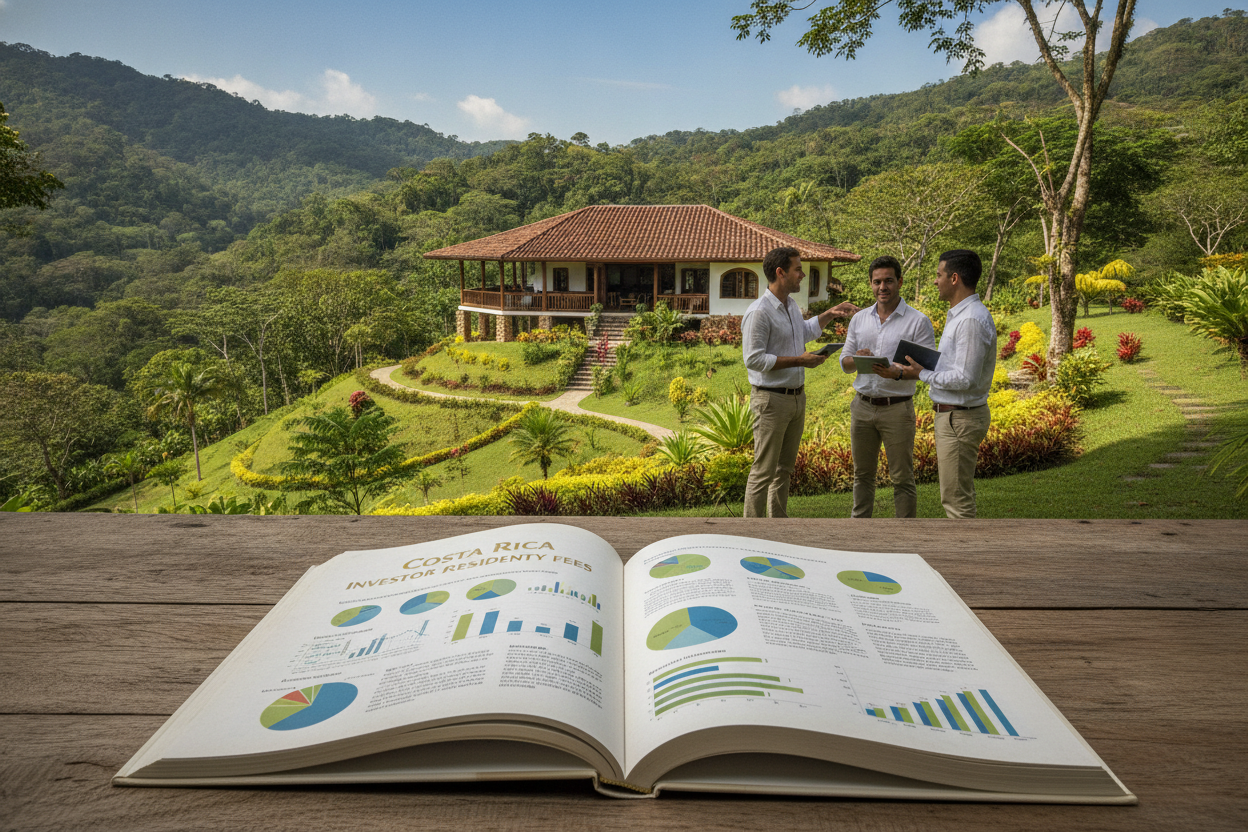
Understanding the financial aspects of relocating can be daunting. This is especially true when it comes to the specific costs associated with obtaining residency in a new country. Our team at CRIE has over 20 years of experience assisting families and individuals with their residency and immigration needs in this beautiful country.
This guide aims to equip you with the practical knowledge necessary to navigate the process of securing a legal investor visa. We focus on delivering clear and factual information to help demystify the residency process, which can often feel overwhelming.
Whether you are an investor or a family planning a long-term stay, grasping the costs involved is essential for a successful transition. Our goal is to provide you with the resources you need to make informed decisions about your future in Costa Rica.
For personalized guidance and pricing tailored to your situation, please reach out to Johanna Alvarez, our immigration expert, at WhatsApp +506 8706 3888 or info@crie.cr.
Understanding Costa Rica Investor Residency
Navigating the financial landscape of a new home can be overwhelming. Investor residency in this beautiful country is a specific immigration category. It is designed for foreign nationals who contribute to the local economy through significant capital commitments.
At CRIE, we specialize in assisting clients with the complexities of the Costa Rica investor residency program. With over 20 years of experience, we help you establish a legal presence while managing your business ventures or personal investments.
Understanding the nuances of this residency path is crucial for any rica investor. Our role is to provide practical guidance and support, ensuring your immigration application is handled with care. While we do not act as a law firm or government agency, we serve as a specialized partner in your residency journey.
By focusing exclusively on immigration and residency, we help you avoid common pitfalls that can delay your transition to life in Costa Rica. For more information, visit CRIE’s website.
Exploring Key Components of Residency Fees

Understanding the financial commitments involved in moving can feel like a puzzle. For those seeking residency, it’s essential to grasp the various costs associated with this journey.
The primary financial requirement for residency in Costa Rica is a qualifying investment, which typically starts at an amount of USD $150,000. When planning your budget, you must consider both the initial investment in real estate or business and the administrative costs of the application.
Every real estate purchase or business venture must be properly documented to meet the residency requirements. Additionally, applicants should prepare for costs related to document preparation, translations, and the filing of their residency application.
We recommend reviewing the total financial commitment required to maintain your residency, as this is a long-term investment in your future. Proper planning ensures that your estate and financial assets align with the legal expectations of the immigration authorities.
Our team is here to help you understand these components so you can move forward with confidence in your decision to relocate. For more detailed information, visit this link.
costa-rica-investor-residency-fees: What You Need to Know
Delving into the financial obligations of relocating can often feel like a maze. For those interested in securing an investor residency visa, understanding the qualifying investment requirements is crucial.
To qualify for this visa, applicants must demonstrate that their investment aligns with the legal standards set by the government. A qualifying investment typically requires a minimum of USD $150,000, which can be directed toward real estate, business shares, or other approved economic projects.
It is essential for all applicants to ensure their investment structure is fully documented before submitting their visa application. The investment must be active and verifiable to support your residency application.
Many investors focus on real estate or business ventures that not only pave the way for residency but also provide tangible assets in the country. By meeting these criteria, you lay a solid foundation for your legal status and future in this vibrant nation.
Our team is here to guide you through these requirements, ensuring your investment is presented correctly.
Gathering Essential Documents and Meeting Requirements
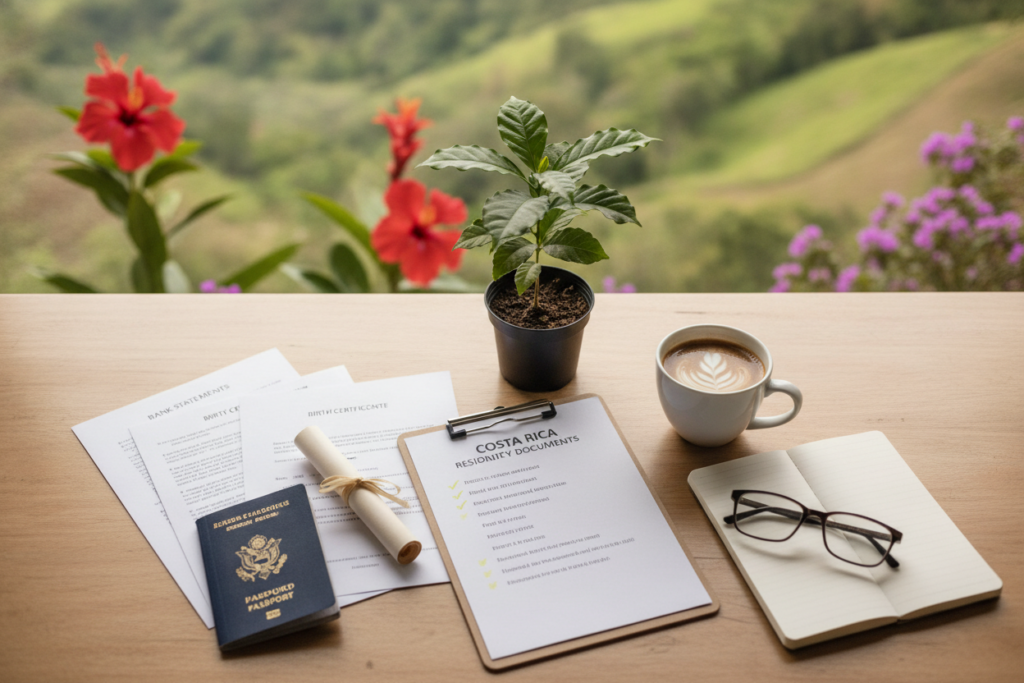
The process of gathering necessary documents for residency can often feel complex. To successfully navigate this stage, it’s crucial to understand what is required.
Here’s a checklist of essential documents for your residency application:
- A valid passport for each applicant.
- A certified birth certificate.
- A clean criminal background check.
All foreign documents must be apostilled or authenticated by the nearest Costa Rican Consulate. Additionally, any document not originally issued in Spanish needs an official translation to ensure acceptance.
Proper registration of your documents is vital, as incomplete files can lead to delays. We help you organize your birth certificate and other civil records to meet the strict standards required for your residency file.
Maintaining a valid passport throughout the application process is essential for your legal status. Our team provides a detailed checklist to help you gather all necessary documents, ensuring your application is complete and ready for submission.
Step-by-Step Process for Investor Residency Applications
Embarking on the journey to secure residency can feel like a complex endeavor. To navigate this process effectively, careful planning is essential. This allows each applicant to align their financial goals with immigration requirements.
Once your documents are prepared, the next phase involves filing your complete application package with the immigration authorities in Costa Rica. Expect the processing time for your residency to take between 6 and 12 months, depending on the complexity of your case.
During this time, it is crucial to maintain your legal status in Costa Rica by adhering to all tourist entry and stay regulations. Every applicant must also be ready for the administrative steps that follow the initial filing, including potential requests for additional information or documentation.
We guide you through each stage of the process, from the initial strategy session to the final approval of your residency status. By following a structured approach, you can minimize the time spent waiting and ensure your application is handled efficiently.
Budgeting and Cost Planning for Your Move
The financial landscape of moving to a new country can be quite intricate. Effective budgeting is essential for a smooth transition to your new life.
When planning your move, consider government fees, legal assistance, and the ongoing costs of maintaining your investment. As a costa rica investor, your qualifying investment in real estate or business is crucial for your residency category.
While the visa does not specify a monthly income, you must show that your investment supports your ability to live comfortably in the country. Many applicants plan for a 7-year horizon, as this is the period of continuous residency required before one can apply for costa rican citizenship.
Managing your business or property assets correctly is vital. These investments are tied to your legal status and potential for permanent residency. Our guide helps you estimate these costs, ensuring you have a clear financial picture before committing to your new life.
By planning for both immediate and long-term expenses, you can enjoy the benefits of your investor residency with peace of mind.
Navigating Paperwork, Consular Registration, and Reviews
The paperwork involved in securing residency can often feel like a daunting task. Every applicant must complete consular registration, a mandatory step that helps the costa rican government maintain accurate records of foreign residents.
To maintain your residency status, you are required to visit Costa Rica at least once every year. This ensures your connection to the country remains active and compliant with local laws.
We advise all applicants to double-check their paperwork. Even a small error in a certificate or business certification can lead to months of delays. Understanding the local immigration law is essential, as it dictates the requirements for your visa.
If your property or company is used as the basis for your investment, ensure all financial records are clear and meet the required USD amount. Our guide provides practical tips to help you navigate these reviews, ensuring your application for permanent residency or temporary status proceeds smoothly.
By staying organized and proactive, you can successfully manage the administrative demands of your residency journey in Costa Rica.
Your Next Step: Begin Your Residency Journey in Costa Rica
Beginning your residency application is an important step that requires strategic planning and expert assistance. We understand that investing in real estate or starting a business can be daunting, but we are here to support you through every phase.
Each applicant’s situation is unique, influenced by nationality, family dynamics, and prior immigration history. Therefore, personalized advice is essential to navigate this process successfully.
For tailored support and to discuss specific pricing, please contact Johanna Alvarez, our dedicated immigration expert. You can reach her via WhatsApp at +506 8706 3888 or email info@crie.cr. For more information, visit our website at crie.cr.
We look forward to assisting you in navigating the complexities of the residency process and welcoming you to your new life in beautiful Costa Rica.
FAQ
What is the minimum investment required for residency?
How long does the residency application process take?
What documents do we need to apply for investor residency?
Can we apply for permanent residency after holding temporary residency?
Are there any additional fees associated with the residency application?
Is it necessary to hire a lawyer for the residency process?
What happens if our application is denied?
Can we include our family members in the residency application?
Article by Glenn Tellier (Founder of CRIE and Grupo Gap)
Don't wait, contact us right now!
Call or WhatsApp Costa Rica +506 8373 2085 or +506 8706 3888
Call USA/Canada +1 305-906-6784