We understand the dual challenge you face. Moving to a new country involves complex residency rules. It also means navigating a system where Spanish is the primary language.
This comprehensive guide is your first resource. We focus exclusively on formal residency pathways for a permanent life. Let’s begin this journey with clear, realistic expectations.
Costa Rica ranks high for English proficiency in Latin America. Yet, all official immigration processes require Spanish. Thousands of expats succeed each year by preparing properly from home.
We provide expert guidance through every step. You’ll learn who qualifies, what documents you need, and realistic timelines. The language barrier is a real challenge, but it is entirely manageable with the right plan.
Understanding Costa Rica Residency Categories (Residencia)

Costa Rica’s immigration system offers several residency options, each with specific financial thresholds and legal requirements. Choosing the right category is the first critical step toward your new life. We’ll clarify the main pathways—Pensionado, Rentista, and Inversionista—to help you identify the best fit.
Pensionado Requirements (US$1,000+/month pension)
The Pensionado category is for retirees with a stable pension. You must prove permanent income of at least US$1,000 per month from a government or private source. This provides a straightforward path for those with verified retirement funds.
Rentista and Inversionista Thresholds (US$2,500/month income and US$150,000 investment)
If you don’t have a pension, the Rentista category requires proof of US$2,500 in monthly income for two years. The Inversionista (Investor) path demands a minimum investment of US$150,000 in an approved business or real estate.
A crucial rule: any property or business investment must be in your personal name, not held through a corporation. We must also address a common misconception. The Digital Nomad visa is not a residency category. It does not count toward permanent status or citizenship.
Each of these Costa Rica residency categories has distinct documentation needs and processing timelines. Understanding these requirements helps you build a strong application. Temporary status can lead to permanent residency after several years.
Who Qualifies for Costa Rica Residency and How to Begin

Qualifying for residency involves more than just meeting financial benchmarks. It’s a holistic review of your background and stability. You must prove you can support yourself without burdening local services.
Eligibility Criteria and Personal Requirements
Each category has specific financial thresholds. You also need a clean legal record from your home country. Police clearances are mandatory for all applicants.
Age is a factor for the Pensionado category. You must be of retirement age in your home country. Other categories depend on your personal circumstances and investment capacity.
Importance of Starting with Complete Documentation
Successful applications begin at home, not after you arrive. Gathering complete documents first saves months of time. Incomplete paperwork is the top cause for rejection.
This means getting birth certificates authenticated with apostilles. You also need certified Spanish translations. Always verify the latest requirements at the official portal, migracion.go.cr.
This thorough process ensures only qualified individuals receive residency. It’s a quality control step for life in this beautiful country. Your entire experience will be smoother with proper preparation.
Step-by-Step Guidance to Secure Your Residency
Securing your status in Costa Rica is a step-by-step journey that begins long before you submit any paperwork. The process follows a structured sequence where each phase builds upon the last. Proper preparation is the foundation for success.
Initial Preparation at Home
Your first steps happen entirely in your home country. You must determine your qualifying category based on your finances. Then, gather all required official documents like birth certificates and police clearances.
These documents need authentication via apostille or consular legalization. Next, obtain certified Spanish translations from authorized providers. Completing this groundwork correctly prevents delays later.
Following the Process with CRIE Support
Once your documentation is ready, you submit the formal application to immigration authorities. This initiates the official review. You will then attend required appointments and provide biometric data.
Having an expert guide through these steps is invaluable. We at CRIE work alongside you to navigate the system, interpret requirements, and ensure your application meets all standards. Contact us for personalized guidance on your specific situation via WhatsApp +506 8706 3888 or info@crie.cr.
Essential Documentation and Pre-Arrival Preparation (Apostilles and Translations)
Before you even book a flight, your most important work for Costa Rica residency happens at home. This documentation phase is where applications truly succeed or fail.
List of Required Documents
All applicants need core documents. These include an authenticated birth certificate and a recent police clearance. You also need passport copies and proof of marital status.
Financial proof varies by category. Pensionado applicants need official pension letters. Rentista applicants require detailed bank statements. Inversionista applicants must show property titles in their personal name.
Tips for Document Authentication and Translation
Documents from Hague Convention countries need an apostille. This is done through government offices in your home country. Other nations require consular legalization.
Every paper must have a certified Spanish translation. Use an authorized translator registered with the government. Doing this work from home saves immense time and effort later.
Always verify current requirements at the official portal, migracion.go.cr. Core needs are stable, but specifics can change.
Timelines and Key Milestones in the Residency Process
Setting realistic expectations for your residency journey means understanding it as a multi-year commitment, not a quick transaction.
The process unfolds through distinct phases, each with its own waiting period. We guide you through these key dates so you can plan effectively.
Typical Processing Durations
Initial application review typically takes six to eighteen months. This range depends on current application volume and your documentation’s completeness.
Your first approval grants temporary status, usually valid for one or two years. You must renew this to maintain your legal standing.
The transition to permanent residency generally occurs after about three years of maintained temporary status. Specific rules vary by category.
Planning Your Stay Around Milestone Dates
For long-term goals like citizenship, the timeline extends further. Most nationalities need seven years of legal residency.
This reduces to five years for citizens of Spanish-speaking countries. It’s just two years for those married to a Costa Rican citizen.
No one can guarantee specific processing times. The immigration system handles applications in order, and factors like staffing affect individual timelines.
View this as a gradual integration. For a detailed breakdown of approval timelines, explore our dedicated resource. Successful planning respects the process’s natural pace.
Common Pitfalls and Mistakes to Avoid in the Residency Process
Our experience shows that most application setbacks stem from a handful of repeated documentation mistakes. These errors cause delays, extra costs, or even rejection. Fortunately, they are entirely preventable with proper preparation and awareness.
Frequent Errors in Documentation and Submission
One major error is submitting expired police clearances. These documents must be recent, typically within six months of submission. Getting them too early forces a costly re-application.
For investor applicants, using corporate ownership instead of personal name registration is an automatic disqualification. The investment must be in your individual name per the official residency requirements.
Incomplete financial proof is another common issue. Pensionado applicants need official pension letters, not just bank statements. Rentista applicants must show comprehensive income for the full two-year period.
Translation and authentication mistakes are surprisingly frequent. Using non-authorized translators or incorrect apostille offices means redoing all the work. Many also mistakenly believe the Digital Nomad visa counts toward permanent residency. It does not.
Starting the formal process before your dossier is complete is perhaps the costliest mistake. It starts the clock while you scramble to finish. These tips come from real-world experience guiding hundreds of applicants.
Expert guidance from CRIE dramatically reduces the likelihood of these errors. While no one can guarantee approval, proper preparation prevents most problems. This work saves you significant time and stress.
Addressing the costa-rica-immigration-language-barrier
The administrative path to residency is paved with Spanish-language forms, communications, and appointments. This creates a core challenge for non-speakers. While the country has strong English proficiency in many sectors, its immigration system operates exclusively in Spanish.
Challenges Faced by English Speakers
Costa Rica’s Dirección General de Migración y Extranjería conducts all official business in Spanish. This includes forms, website content, and every piece of correspondence. For English speakers, this isn’t just an inconvenience—it creates real communication challenges.
Understanding precise documentation requirements becomes difficult. Interpreting application status updates is a common struggle. Misunderstanding a single technical term can lead to submitting incorrect paperwork.
Mandatory in-person appointments require direct dialogue with officials. They may speak limited or no English. This makes asking clarifying questions or responding to requests unexpectedly hard.
The challenge extends beyond simple translation. It involves grasping the cultural context and administrative expectations of the system. This is where professional guidance proves essential for clear understanding.
We bridge this gap completely. For a deeper look at these issues, explore our resource on the language barrier in Costa Rica. Our expertise ensures nothing is lost in translation at any stage.
Understanding Language and Cultural Integration Challenges in Costa Rica
Language proficiency needs in Costa Rica are not uniform. They shift dramatically from tourist hotspots to rural heartlands. Your daily experience and ability to connect with local culture depend heavily on your location.
Regional Variations: Urban, Tourist, and Rural Areas
In major tourist areas like Tamarindo and Manuel Antonio, English is common in hospitality. You can manage tourist services easily. This creates a comfortable initial landing zone.
Urban centers like San José offer moderate English in business contexts. Yet, handling utilities, markets, or local offices requires basic Spanish skills. Life here is a bilingual mix.
Step into rural or inland communities, and the landscape changes entirely. Spanish becomes the absolute, essential language for all daily interactions. English speakers are rare outside the tourist circuit.
The Caribbean Coast presents a unique linguistic blend. English-based Creole exists, but Spanish dominates official and community life.
The Role of Spanish in Daily Life and Community Integration
True integration into Costa Rican society requires Spanish proficiency. Building friendships with locals and participating in community events hinges on communication. It’s the key to unlocking the authentic culture.
We see many expats who stay within English-speaking bubbles. They interact mainly with other foreigners and service workers. This limits their experience of the country’s deeper cultural richness.
The people of Costa Rica are famously warm and welcoming. Meaningful relationships and authentic “Pura Vida” integration, however, require the shared language of Spanish.
Effective Strategies to Overcome the Language Barrier
Mastering Spanish is a practical skill that transforms your daily life and integration in Costa Rica. We recommend a dual approach that blends formal education with real-world practice.
Practical Methods for Learning Costa Rican Spanish
Enroll in one of the many language schools across Costa Rica. These institutions provide structured grammar lessons and proper pronunciation guidance.
Private tutoring offers personalized instruction for specific goals. This is valuable for learning official terminology you’ll need.
Use apps like Duolingo for flexible, foundational knowledge before you arrive. Consistent short sessions build vocabulary effectively.
Utilizing Immersive Experiences and Local Resources
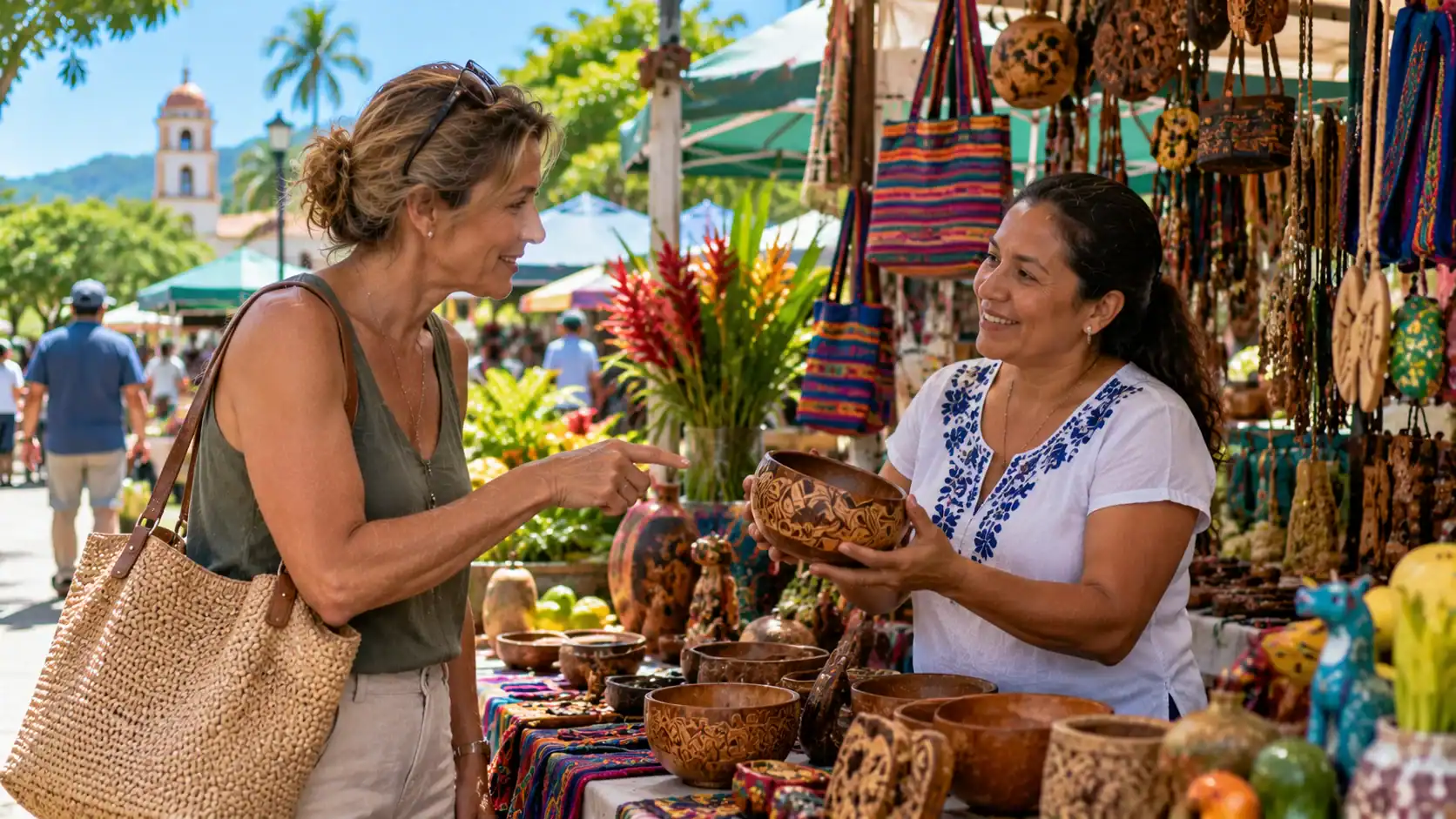
Immersion accelerates learning dramatically. Shop at local ferias where you must communicate in Spanish.
Join a language exchange program. You practice Spanish while helping a local improve their English.
Learn key Costa Rican slang like “Pura Vida” and “Mae.” This cultural knowledge deepens your connection to the community.
Consistency is key. Fifteen minutes of daily practice integrates learning into your new lifestyle better than occasional cramming.
Setting Yourself Up for Success: Start at Home with Proper Documentation
Your journey to Costa Rican residency truly begins at your kitchen table, not at an immigration office. The foundation for a successful application is built entirely through the work you complete before departure. Applicants who arrive with a complete, authenticated dossier experience significantly faster processing and higher approval rates.
Preparing Your Paperwork Before Arrival
Starting this process at home gives you direct access to your own country’s government offices and financial institutions. You understand the system and can resolve issues quickly. Trying to obtain documents from abroad while living in Costa Rica creates costly delays and complex international shipping.
For Pensionado applicants, securing official pension verification letters is simpler from home. Rentista applicants can gather two years of comprehensive income proof with direct bank access. Inversionista applicants must verify property titles are in their personal name, not a business entity.
The apostille or legalization process must be completed in your home country through designated offices. Consider this pre-arrival work a crucial investment. It ensures your application proceeds smoothly through the Costa Rican immigration system.
Leveraging Official Resources and CRIE Support
Reliable guidance for your residency journey comes from two primary sources: the government’s official portal and a focused expert service. Navigating the complex Costa Rica immigration system requires current, accurate information.
Utilizing crie.cr and migracion.go.cr for Reliable Guidance
The definitive source for all rules is migracion.go.cr. This is the official government website for immigration. All regulations and forms are published there in Spanish.
CRIE (crie.cr) provides specialized services for Costa Rica residency. We offer expert knowledge of the entire system. Our team translates both language and procedural context.
We focus exclusively on these residency options. This deep, current knowledge helps you avoid common pitfalls. Generalist advisors often lack this specific insight.
When you’re ready to explore your path, contact us for a personalized guide. Reach CRIE via WhatsApp +506 8706 3888 or email info@crie.cr.
Wrapping Up Your Journey to a New Life in Costa Rica
Transitioning to life in Costa Rica successfully hinges on viewing the entire process—legal, linguistic, and cultural—as an integrated journey. Your preparation with documents and for navigating the language barrier is a direct investment in your future comfort and community integration.
Understanding the residency options and realistic timelines provides a solid foundation. True integration into your new country extends beyond legal status to embracing local culture and building connections.
We are here to guide your next step. For personalized support on your path to live and work in Costa Rica, contact our team. Reach us via WhatsApp +506 8706 3888 or email info@crie.cr.
FAQ
What are the main residency options for moving to Costa Rica?
FAQ
What are the main residency options for moving to Costa Rica?
The primary paths are Pensionado, Rentista, and Inversionista. Pensionado requires a guaranteed lifetime pension of at least US
FAQ
What are the main residency options for moving to Costa Rica?
The primary paths are Pensionado, Rentista, and Inversionista. Pensionado requires a guaranteed lifetime pension of at least US$1,000 per month. Rentista requires proof of US$2,500 in stable monthly income for two years. Inversionista requires a minimum investment of US$150,000 in the country, such as in property or a business.
How long does the residency application process typically take?
The entire process, from document preparation to final approval, generally takes between 6 to 12 months. This timeline can vary based on your specific category, the completeness of your file, and government processing speeds. Planning for a year is a realistic expectation.
Is it mandatory to speak Spanish to get residency or live in Costa Rica?
No, speaking Spanish is not a legal requirement for obtaining residency. However, a language barrier can make daily life, official processes, and community integration significantly more challenging. Learning basic Spanish is one of the most practical steps you can take for a smoother transition.
What is the biggest mistake people make in their residency application?
The most common and costly error is submitting incomplete or incorrectly authenticated documents. Every required paper—from birth certificates to proof of income—must have an apostille and a certified translation into Spanish. Starting this process well before you move is crucial to avoid delays.
Can I manage the residency process on my own, or do I need a lawyer?
While it’s legally possible to navigate the system alone, the process is complex and governed by specific local regulations. We strongly recommend working with a trusted expert, like the team at CRIE. Their guidance helps prevent errors, saves you immense time, and significantly reduces stress by ensuring every step is handled correctly.
How can I effectively overcome the language barrier after moving?
A> Start learning practical, conversational Spanish before you arrive. Once in the country, immerse yourself by shopping at local markets (ferias), engaging with neighbors, and using language exchange apps. In tourist areas, you can manage with English, but for deeper integration and handling official business, Spanish knowledge is key.
What official resources should I use for accurate information?
Always refer to primary sources for the most reliable guidance. The official immigration authority’s website is migracion.go.cr. For comprehensive support and expert navigation of the entire process, the resource at crie.cr is designed specifically to help expats successfully secure their residency.
,000 per month. Rentista requires proof of US,500 in stable monthly income for two years. Inversionista requires a minimum investment of US0,000 in the country, such as in property or a business.
How long does the residency application process typically take?
The entire process, from document preparation to final approval, generally takes between 6 to 12 months. This timeline can vary based on your specific category, the completeness of your file, and government processing speeds. Planning for a year is a realistic expectation.
Is it mandatory to speak Spanish to get residency or live in Costa Rica?
No, speaking Spanish is not a legal requirement for obtaining residency. However, a language barrier can make daily life, official processes, and community integration significantly more challenging. Learning basic Spanish is one of the most practical steps you can take for a smoother transition.
What is the biggest mistake people make in their residency application?
The most common and costly error is submitting incomplete or incorrectly authenticated documents. Every required paper—from birth certificates to proof of income—must have an apostille and a certified translation into Spanish. Starting this process well before you move is crucial to avoid delays.
Can I manage the residency process on my own, or do I need a lawyer?
While it’s legally possible to navigate the system alone, the process is complex and governed by specific local regulations. We strongly recommend working with a trusted expert, like the team at CRIE. Their guidance helps prevent errors, saves you immense time, and significantly reduces stress by ensuring every step is handled correctly.
How can I effectively overcome the language barrier after moving?
A> Start learning practical, conversational Spanish before you arrive. Once in the country, immerse yourself by shopping at local markets (ferias), engaging with neighbors, and using language exchange apps. In tourist areas, you can manage with English, but for deeper integration and handling official business, Spanish knowledge is key.
What official resources should I use for accurate information?
Always refer to primary sources for the most reliable guidance. The official immigration authority’s website is migracion.go.cr. For comprehensive support and expert navigation of the entire process, the resource at crie.cr is designed specifically to help expats successfully secure their residency.
How long does the residency application process typically take?
Is it mandatory to speak Spanish to get residency or live in Costa Rica?
What is the biggest mistake people make in their residency application?
Can I manage the residency process on my own, or do I need a lawyer?
How can I effectively overcome the language barrier after moving?
What official resources should I use for accurate information?
Article by Glenn Tellier (Founder of CRIE and Grupo Gap)
Don't wait, contact us right now!
Call or WhatsApp Costa Rica +506 8373 2085 or +506 8706 3888
Call USA/Canada +1 305-906-6784