
Moving to a new country is an exciting adventure, especially when considering Costa Rica. This beautiful Central American nation has been recognized by Forbes as a top destination to live and work in 2023. It currently ranks fifth globally for expatriates, making it an appealing choice for families.
Securing dependent residency for your children is crucial when planning your relocation. We understand that navigating the path to permanent residency involves careful planning, especially regarding your family’s income and legal status. Every child deserves a stable environment, and we are here to help you understand how a Costa Rican visa can support your family’s long-term goals.
Our team provides clear guidance to ensure your residency application meets local immigration requirements. Whether you seek a temporary permit or aim for permanent residency, we focus on the facts to help you make informed decisions. For more detailed information, check out our resource on residency options for children.
Overview of Costa Rica Dependent Residency for Children
Relocating to a new nation can be a thrilling experience, particularly when you explore the opportunities available in Costa Rica. For over 20 years, we have assisted families in navigating the complex immigration landscape to secure their future here.
According to current immigration law, children aged 0 to 18 are eligible to apply as dependents of their parents. Additionally, those aged 18 to 25 may apply if they are economically dependent and actively studying.
Children with disabilities can also be considered dependents, even if they are over 25 years of age. The primary applicant must demonstrate sufficient fixed income or investment to support the entire family during the residency process.
We provide essential information to help you understand which residency category best fits your family’s unique situation and long-term residence goals. For more details on the application process, check out our guide on understanding the immigration approval timeline.
Navigating the Application Process

Starting a new chapter in a different country opens doors to countless possibilities. We are here to help families through the residency application process, ensuring that every detail is handled correctly.
Under Article 27 of the Reglamento de Extranjería, DGME has up to three months to resolve a residency application once all requirements are met. Keep your documents current, because the three-month period in Article 27 of the Reglamento de Extranjería only runs once all requirements are met. Each applicant must submit a valid passport and a certified letter from their embassy to prove consular registration.
We assist in organizing essential financial documents, such as proof of income, to demonstrate your ability to support your spouse and child. Our team also prepares the necessary paperwork for each residency category, whether you are applying as an investor or a retiree.
Proper timing is crucial, as applications must be filed while the primary applicant holds a valid tourist visa. We ensure that all documents are apostilled and translated to meet Costa Rican authorities’ standards.
Key Requirements and Supporting Documentation
Embarking on a journey to a new country can open up a world of opportunities. When applying for residency, certain documents are essential to ensure a smooth process.
All applicants over 18 must provide an apostilled criminal background check from their country of origin. This is crucial for verifying your legal status.
A certified birth certificate is mandatory for every child and adult, providing essential parental information for the immigration file. Additionally, dependent spouses must include an apostilled marriage certificate to confirm their relationship to the primary applicant.
All vital documents, including your birth certificate and marriage certificate, must be valid according to the expiration date listed on the paper. We assist in ensuring that your background check is current, as these documents are typically only valid for six months from issuance.
Residency must be renewed periodically, and we help you keep track of the requirements for your two years of temporary status. Our team ensures that all documents are translated by a court-approved translator, as required for a successful residency application.
Understanding costa-rica-dependent-residency-for-children Requirements
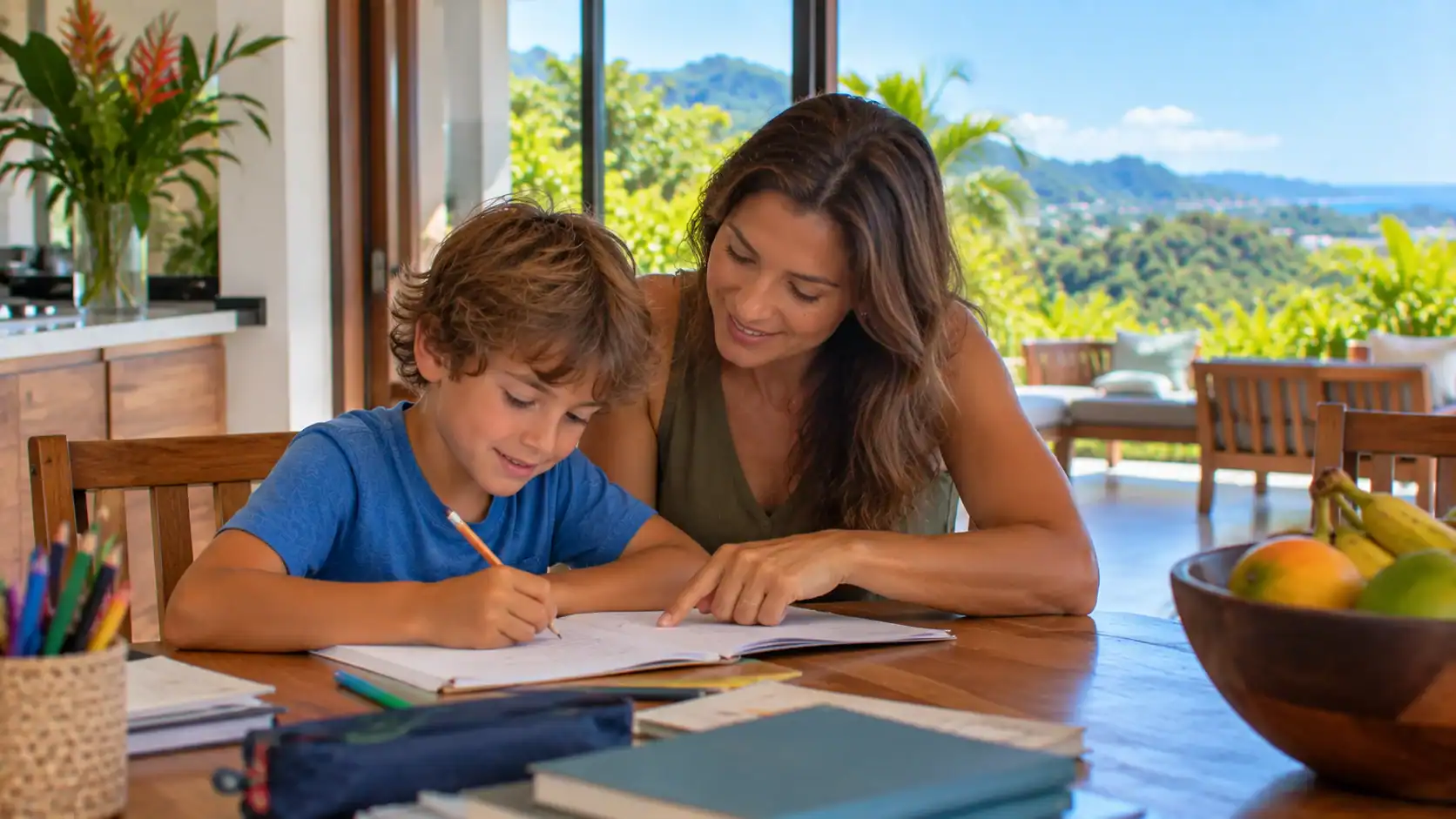
Understanding the requirements for residency in a new country is essential for a smooth transition. When applying for residency, it is crucial that the primary applicant demonstrates they meet all financial criteria.
The residency permit is typically granted for two years, after which it must be renewed to maintain your legal status in the country. We explain that the primary applicant must continue to meet the income or investment requirements throughout their residency.
Each residency category has specific rules. We help ensure that your child remains eligible as a dependent under the law. Maintaining your residency status requires compliance with all immigration regulations, including the timely renewal of your identification card.
We provide clear information on transitioning from temporary status to permanent residency once you have met the necessary time requirements. Our team is dedicated to helping you navigate these requirements so that your family can enjoy a stable life in Costa Rica.
Insights from Costa Rica Immigration Facts
Choosing a new country to call home can be a life-changing decision filled with excitement. Costa Rica stands out as a prime choice for families looking to relocate. In a 2021 InterNations survey, it was ranked the 3rd best country to begin a new life.
More than 90% of participants noted the friendliness of the local people, who embody the Pura Vida lifestyle. This welcoming environment is a significant factor for families considering a move.
We provide the necessary information to help you understand the immigration process, making your transition to this beautiful country as smooth as possible. Our team at CRIE simplifies the complex immigration requirements, allowing you to focus on your family’s future rather than the paperwork.
Whether you are moving for the rainforests or the vibrant cities, we ensure your residency application is handled with professional care. We help you verify that your passport and other vital documents are in order, saving you time and stress during your relocation.
Ready to Move Forward? Contact CRIE for Expert Guidance
Taking the next step towards a new life abroad can be both exciting and challenging. Every residency case depends on your specific nationality, family situation, documents, timing, and immigration history.
For personalized guidance and current pricing, please speak with Johanna Alvarez, our dedicated CRIE immigration expert. You can reach us via WhatsApp at +506 8373 2085 or send an email to [email protected] to discuss your next steps.
Visit our website at crie.cr to learn more about how we can assist your family with the residency process in this beautiful country. We are committed to providing the factual support you need to make your move a successful and rewarding experience.
FAQ
What is the process for applying for permanent residency for our children?
We need to gather the required documents, including birth certificates and proof of income, and submit our application to the appropriate immigration office. The processing time can vary, so it’s important to plan ahead.
What documents do we need to provide for the application?
We must include the child’s birth certificate, our marriage certificate if applicable, a background check, and proof of a fixed income. Each document should be translated into Spanish if they are not already.
How long does it take to process the residency application?
The processing time typically ranges from a few months to over a year, depending on the specific circumstances and the volume of applications being handled by immigration authorities.
Are there any age restrictions for children applying for residency?
Yes, children under the age of 18 can be included as dependents in our application for residency. Once they reach adulthood, they may need to apply for their own residency status.
What is the income requirement for applying for residency?
We must demonstrate a stable income, which can be from employment, investments, or other sources. The specific amount required can vary, so it’s best to consult with an immigration expert for precise figures.
Can we apply for residency if we are not married?
Yes, we can apply for residency for our children even if we are not married. However, we will need to provide documentation proving our relationship and the child’s dependency.
What happens if our application is denied?
If our application is denied, we have the option to appeal the decision. It’s crucial to understand the reasons for the denial and address any issues before reapplying.