
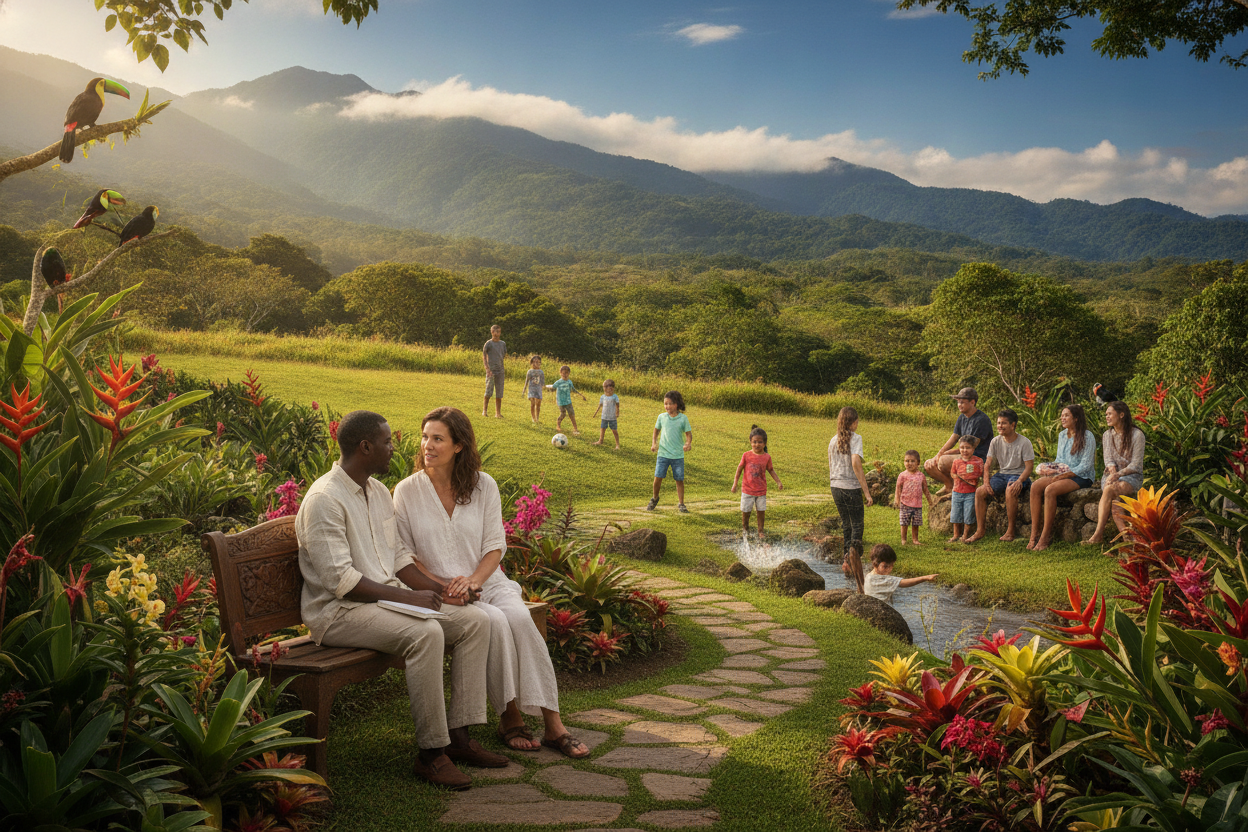
In recent years, many families have considered relocating to Costa Rica. This beautiful country has become a top choice for those seeking a new life abroad. In 2023, Forbes magazine ranked it as the fifth preferred destination for individuals looking to live and work. This recognition highlights the appeal of the country and its welcoming atmosphere.
The 2021 InterNations Expat Insider survey revealed that over 90% of expats find the local population exceptionally friendly. Such positive feedback makes it clear why many are eager to explore residency options. Understanding the requirements for residency is essential for a smooth transition.
As families plan their move, navigating the specific requirements, including the age limits for dependent residency, becomes crucial. Our guide aims to provide the necessary information to help you with your residency application. We want to ensure that all family members can enjoy their new life in this vibrant Central American country.
Understanding Dependent Residency in Costa Rica
The allure of Costa Rica has prompted numerous families to explore relocation options. Understanding who qualifies as a dependent is essential for a smooth residency application process.
According to Costa Rican immigration law, spouses must be legally married to the primary applicant to qualify for dependent status. Children between the ages of 0 and 18 are automatically eligible to apply as dependents of their parents. This provision ensures that young family members can enjoy the benefits of residency.
For children over 18, the law allows inclusion up to age 25, provided they are actively studying and economically dependent. Additionally, children with documented disabilities can remain as dependents even after turning 25. These specific rules help keep families united while establishing legal residency in the country.
For more information on residency as a child of a Costa Rican, visit this link.
Exploring Residency Options in Costa Rica
With its vibrant culture and stunning landscapes, many are considering a move to this inviting nation. Understanding the various residency options is crucial for a successful transition. There are two primary paths: family-based and economic residency.
Family-based residency is available for those married to a Costa Rican national. Once registered at the Civil Registry, they can apply for temporary residency. Additionally, parents of children born in the country can apply for permanent residency after proper registration.
On the economic side, several categories exist. The Investor residency requires a minimum investment of $150,000 USD in property or a local business. The Rentista category mandates a stable income of at least $2,500 USD per month for two years. Lastly, the Pensionado category is tailored for retirees with a monthly pension of at least $1,000 USD for life.
Key Factors Behind Costa Rican Immigration Benefits
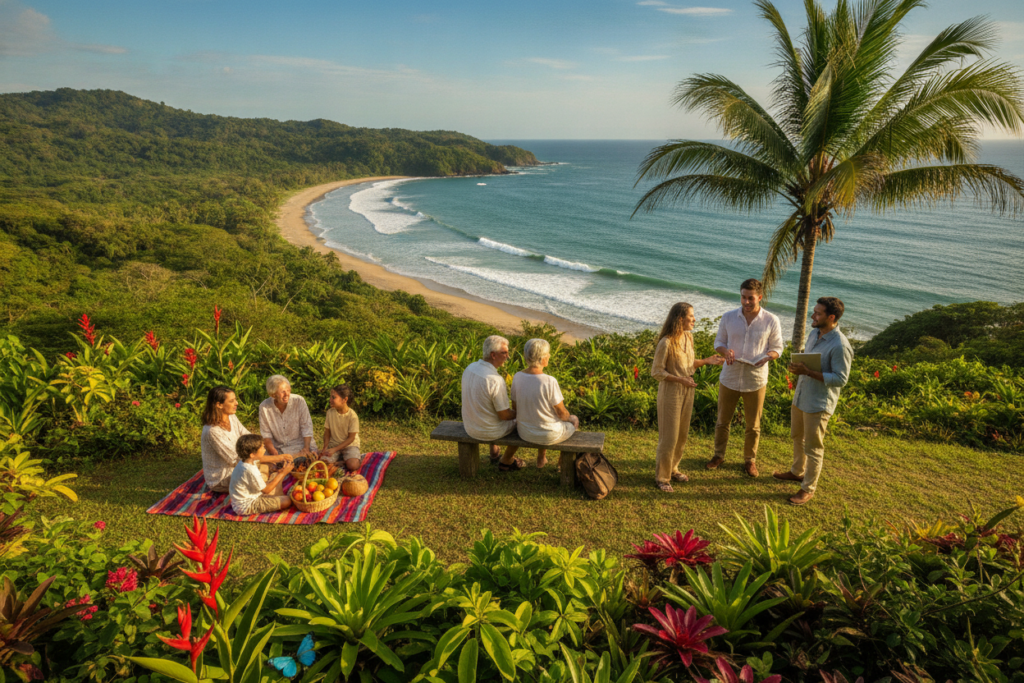
The rich offerings of this beautiful nation attract a diverse range of expatriates. One of the primary draws is the accessible healthcare system. Expats often find that quality medical attention is readily available, which is a significant factor in their decision to move.
Additionally, Costa Rica is recognized for its political stability. This stability is a top priority for families relocating from other countries, as it provides a secure environment for their loved ones.
Residents also enjoy easy access to travel to other countries, making it a convenient hub for international business interests. Furthermore, the variety of weather throughout the country allows individuals to choose between tropical beaches or cooler mountain regions.
Our government-regulated systems ensure that residents have the necessary support to thrive while living in this stable, welcoming nation. For more information on the benefits of residency, visit this link.
Navigating Essential Documents and Legal Requirements
Preparing for residency in a new country involves understanding the necessary documentation. For a smooth application process, it’s crucial to gather the right papers.
Every applicant must submit a national background check. This document should be properly apostilled or legalized from your country of origin. Additionally, a valid birth certificate containing parental information is mandatory for all applicants and their dependent children.
Dependent spouses are required to provide an apostilled marriage certificate to verify their relationship to the primary applicant. All vital documents are valid for six months from the date of issuance unless an earlier expiration date is specified.
Lastly, all documents must be translated into Spanish by a Costa Rican court-approved translator. This step is essential to meet legal requirements.
Understanding costa-rica-dependent-residency-age-limits
Many families are exploring the possibility of moving to a new country, drawn by the promise of a fresh start. When considering residency, it’s vital to understand the specific age-related guidelines for dependents.
Specific Guidelines for Minor Dependents
Minor children between the ages of 0 and 18 are eligible to be included as dependents in their parents’ residency application. This inclusion ensures that young family members can benefit from residency.
Special Considerations for Dependents Over 18
For children over 18 years of age, the immigration process requires proof of economic dependency and active enrollment in a university. Children with disabilities can remain as dependents even if they exceed the age of 25.
Moreover, if the primary applicant does not hold full custody, formal authorization from the other parent is necessary for the application. Applicants must carefully review these age-related guidelines to ensure all family members qualify under the current immigration framework.
Steps to Prepare Your Residency Application
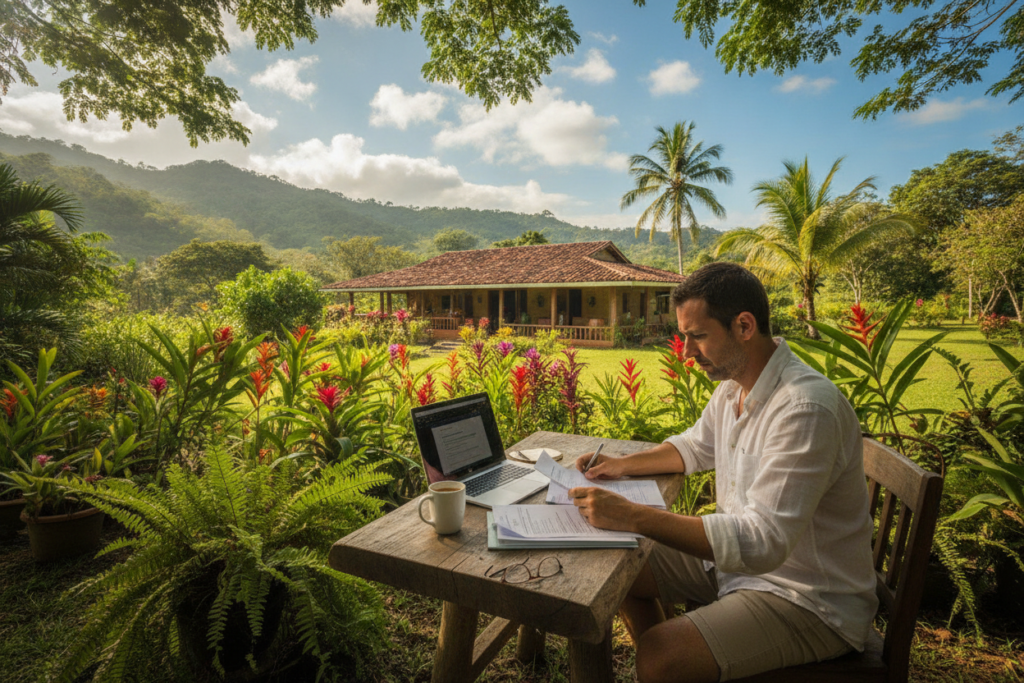
Preparing for a residency application in a new country requires careful planning and organization. We must gather all vital documents before filing our application. This includes background checks and birth certificates.
It’s crucial to file the application within the 90-day validity period of your tourist visa. Failing to do so can complicate the process. Additionally, applicants must pay the government fees established by law to proceed with their residency request.
Organizing documents by category helps streamline the review process by the Immigration Department. Proper preparation is essential for anyone looking to establish long-term residency after spending years as a visitor.
Practical Tips for Managing the Application Timeline
As we embark on our journey to secure residency, understanding the timeline is crucial. The residency process is designed to be resolved within 90 days for complete applications according to the law. However, the current processing time for a residency application typically ranges from 9 to 12 months.
Applicants should also be aware that many residency statuses require yearly renewals. These renewals can cost between $35 and $125. During each renewal year, the government will review proof of income to ensure compliance with financial requirements.
Managing the timeline effectively requires patience, as the immigration process can vary based on individual circumstances and document completeness. Staying informed about these timeframes helps residents avoid lapses in their legal status while living in the country.
Dos and Don’ts for a Successful Residency Process
Understanding the residency process is vital for families seeking to make a new home abroad. As we navigate this journey, we must be aware of common pitfalls that can complicate our applications.
One critical aspect is the validity of a standard tourist visa, which is typically 90 days. Overstaying this visa can lead to penalties of at least $100 for every 30 days. Immigration police enforce these fines and may impose travel bans for visa infractions.
To ensure a smooth transition, here are some key dos and don’ts:
- Do not rely on perpetual tourism; overstaying your 90-day tourist visa can lead to significant fines.
- Ensure your residency application is submitted well before your tourist visa expires to avoid legal complications.
- Do not assume that inaccurate articles online regarding visa penalties are correct, as immigration police actively enforce these rules.
- Applicants should ensure all documents are correctly apostilled and translated before the submission deadline.
Following these guidelines helps ensure a successful transition from a tourist to a legal resident after spending years visiting the country. For more insights on managing your residency process, visit this link.
How We Support Your Costa Rican Residency Journey
For over two decades, we have guided families through the intricacies of residency in this beautiful country. Our team understands that every residency application is unique, depending on factors like nationality, family situation, and immigration history.
Johanna Alvarez, our dedicated immigration expert, provides personalized guidance on pricing and the specific steps needed for your category. Whether you are applying for temporary residency or permanent residency, we offer the professional support necessary to manage your documents effectively.
To discuss your specific situation, please contact Johanna Alvarez via WhatsApp at +506 8706 3888, email info@crie.cr, or visit crie.cr.
Final Thoughts and Invitation to Connect
Relocating to a new country opens doors to countless opportunities for families. Establishing residency in this beautiful nation can provide long-term benefits for you and your loved ones.
We hope this information helps you understand the requirements and options available for your move. Remember, each residency application is unique, and having professional guidance can significantly enhance your chances of success over the years.
We invite you to reach out to our team to ensure your documentation and application are handled with the utmost care. For personalized guidance and current pricing, please contact Johanna Alvarez at CRIE today to start your journey.
FAQ
What is dependent residency in Costa Rica?
Are there age limits for dependents?
What documents do we need for the residency application?
How long does the residency application process take?
Can we apply for permanent residency directly?
What are the benefits of obtaining residency in Costa Rica?
What are common mistakes to avoid during the application process?
How can we get assistance with our residency application?
Article by Glenn Tellier (Founder of CRIE and Grupo Gap)
Don't wait, contact us right now!
Call or WhatsApp Costa Rica +506 8373 2085 or +506 8706 3888
Call USA/Canada +1 305-906-6784