
For most retirees, the best place to retire in Costa Rica is the Central Valley: towns like Atenas, Grecia, Escazú, Santa Ana, Heredia and Belén give you spring-like weather, the country’s best hospitals, shopping and the international airport close by. The beaches are still there for weekends. If you want the ocean every day, Guanacaste, the Southern Zone around Uvita and the Caribbean are the other choices, and below we compare them all honestly.
Looking at all your options? Read our complete guide to Costa Rica residency, with every category compared.
WhatsApp Johanna: +506 8373 2085
The short answer: where retirees actually live
We have helped people move here for over 20 years, and the pattern hardly changes. Most of our retired clients settle in the Central Valley, then drive to a different beach whenever they feel like it. As our founder, Glenn, likes to say, “every weekend you can pick a different direction and visit a different beach.”
| Area | Climate | Hospitals and services | Best for |
|---|---|---|---|
| Central Valley (Escazú, Santa Ana, Belén, Heredia, Ciudad Colón) | Mild all year, cooler at night | Major public and private hospitals, malls, airport nearby | Retirees who want everything close by |
| Western Valley towns (Atenas, Grecia, San Ramón) | Warm days, fresh evenings | Local clinics, bigger hospitals within a drive | A small-town feel without being remote |
| Cartago, Orosi and Turrialba | Cooler and greener | Regional hospitals, quieter towns | People who like mountains and a slow pace |
| Lake Arenal area | Cool, breezy, wetter | Small towns, longer drives for specialists | Nature lovers who don’t mind distance |
| Guanacaste beach towns | Hot and dry for much of the year | Growing services, farther from the big hospitals | Beach life every day |
| Southern Zone (Uvita, Dominical, San Isidro) | Hot, humid, very green | San Isidro has the main services | Jungle and ocean views, quieter life |
| Caribbean (Cahuita, Puerto Viejo) | Hot and humid | Limited; bigger hospitals are hours away | Afro-Caribbean culture and a laid-back pace |
Start with your everyday priorities
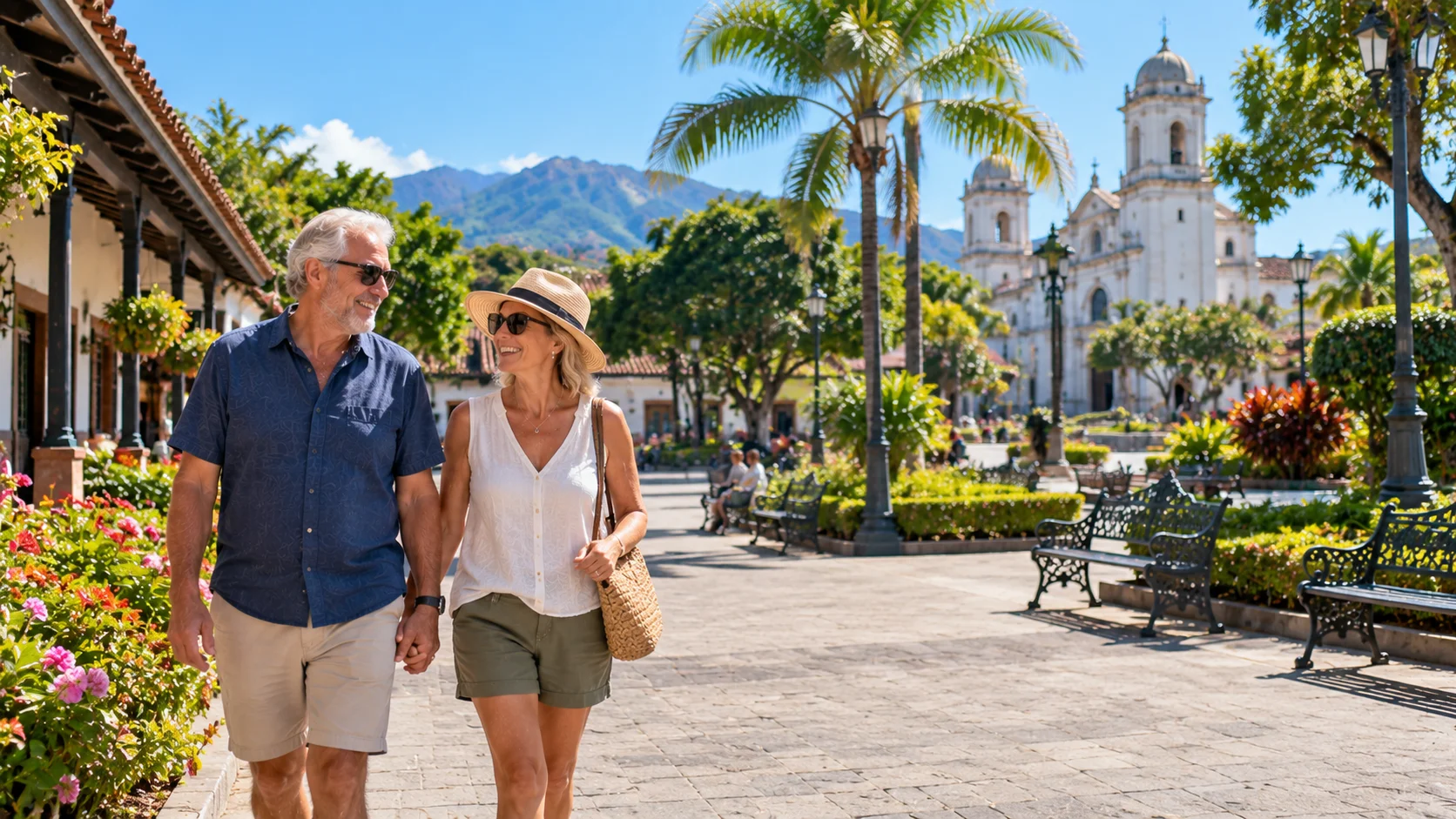
Before comparing towns, make a short list of what matters most: climate, healthcare, walkability, driving, noise, community, and the kind of home you enjoy. A place that feels perfect on vacation may not feel right on a normal Tuesday, when you need a pharmacy, a doctor or a hardware store.
The Central Valley: why most retirees choose it
The Central Valley is where most of our clients choose to live. It sits high enough to stay comfortable: mornings are fresh, afternoons are mild, and you can pick your microclimate, from cooler mountain towns to warmer valley towns, without the constant heat and humidity of the coast. The largest public hospitals and the top private hospitals and specialists are here, along with malls, supermarkets, banks, restaurants and the international airport. The immigration offices you will visit for your residency are here too. And when you want the ocean, the Pacific beaches are a day or weekend trip away.
Each town has its own personality. Here are the ones our clients ask about most:
- Escazú and Santa Ana: the most popular with North Americans and Europeans, with modern malls, private hospitals and restaurants close by. Read our Escazú guide and Santa Ana guide.
- Belén and Heredia: close to the airport and full of everyday services. See our Belén guide and Heredia guide.
- Ciudad Colón: quieter and greener, but still a short drive from Escazú and Santa Ana. Our Ciudad Colón guide explains more.
- Atenas and Grecia: small-town life with a central square, a farmers’ market and friendly neighbours, about an hour or less from the airport depending on traffic. See our Atenas guide and Grecia guide.
- San Ramón: a university town farther west, cooler and more local, with a strong Tico feel.
Visit at different times of day to understand traffic, rain and noise. A house advertised as “Atenas” or “Escazú” may be up a steep road far from town, so test the drive to groceries and the doctor from that exact address. For the capital itself, read our Barrio Amón guide.
Cachí, Orosi and the Cartago area
East of San José, the Cartago area is cooler and greener. The ICT’s Central Valley attractions page describes the Cachí reservoir, the Reventazón River and nearby Orosi and Ujarrás. It’s beautiful, and quieter than the western side of the valley. Before settling here, check the road to the property, internet at that address, and how far you are from shopping and a hospital in Cartago.
Residency for retirees: the numbers that matter
Where you live and how you stay legally go together. Costa Rica’s immigration office, the DGME (migracion.go.cr), sets the qualifying amounts. These are what you need to qualify, not fees:
- Pensionado: a lifetime pension of at least US$1,000 a month. See residency from a pension.
- Rentista: a stable income of at least US$2,500 a month for at least two years. See Rentista residency.
- Investor: an investment of at least US$150,000, and that can be the home you were going to buy anyway. See Investor residency.
Our founder, Glenn, remembers some of CRIE’s very first clients. Life back home had become too expensive, and their health problems cost far too much. When they learned they could retire here on a US$1,000 a month pension and join the public health system, they were thrilled. “They were some of our first clients and I’ve known them ever since.”
One tip if your pension is paid in Canadian dollars, euros or pounds: leave a cushion above the minimum. Exchange rates move while your file waits at immigration. Requirements checked against the DGME; rules can change, so confirm before you apply.
Healthcare: the Caja and private hospitals
Healthcare is the question retirees ask us most. Legal residents join the Caja (CCSS), Costa Rica’s public health system, and staying up to date with it is required when you renew your residency. Our CCSS registration guide explains how it works. Many retirees also use private hospitals and doctors for faster appointments, and most of those are in the Central Valley. That’s one of the biggest reasons our clients live there: if you need a specialist, you are close to one.
Living at the beach or in a remote mountain town can mean a long drive for anything beyond a local clinic. Plan that drive before you fall in love with a view. Our emergency services guide is worth reading too.
Mountain and lake communities
Mountain and lake areas, like the towns around Lake Arenal, appeal to people who enjoy cooler weather, green views and a slower pace. They suit someone who values scenery and quiet more than being close to a city. Ask practical questions about roads, rain, local services and how often you will need to travel for appointments.
Pacific coast communities
Coastal towns offer a different rhythm, with hotter weather and an outdoor lifestyle. Guanacaste is drier; the central and southern Pacific is greener and wetter. Some beach towns feel lively and social, others are remote. Spend time there outside the holidays, and in the hottest months, so you see how normal life feels. And remember: getting to the beach is not always quick. Traffic and narrow roads can turn a short distance into a long drive.
The Southern Zone
The Southern Zone attracts people who love lush jungle, ocean views and small communities. The ICT’s Southern Pacific information includes Uvita among its coastal destinations. San Isidro de El General is the main town for shopping and services. Check the actual road, slope and drainage at any property, especially in the green season, and plan your weekly errands before you commit.
Retiring on the Caribbean coast
The official Caribbean guide describes Cahuita, Puerto Viejo and Gandoca-Manzanillo and the region’s Afro-Caribbean heritage. It’s a different Costa Rica, warm and relaxed. It is also far from the big hospitals, so try a long stay first and check humidity, internet and how you would get to appointments.
Retirement communities, independent housing and care
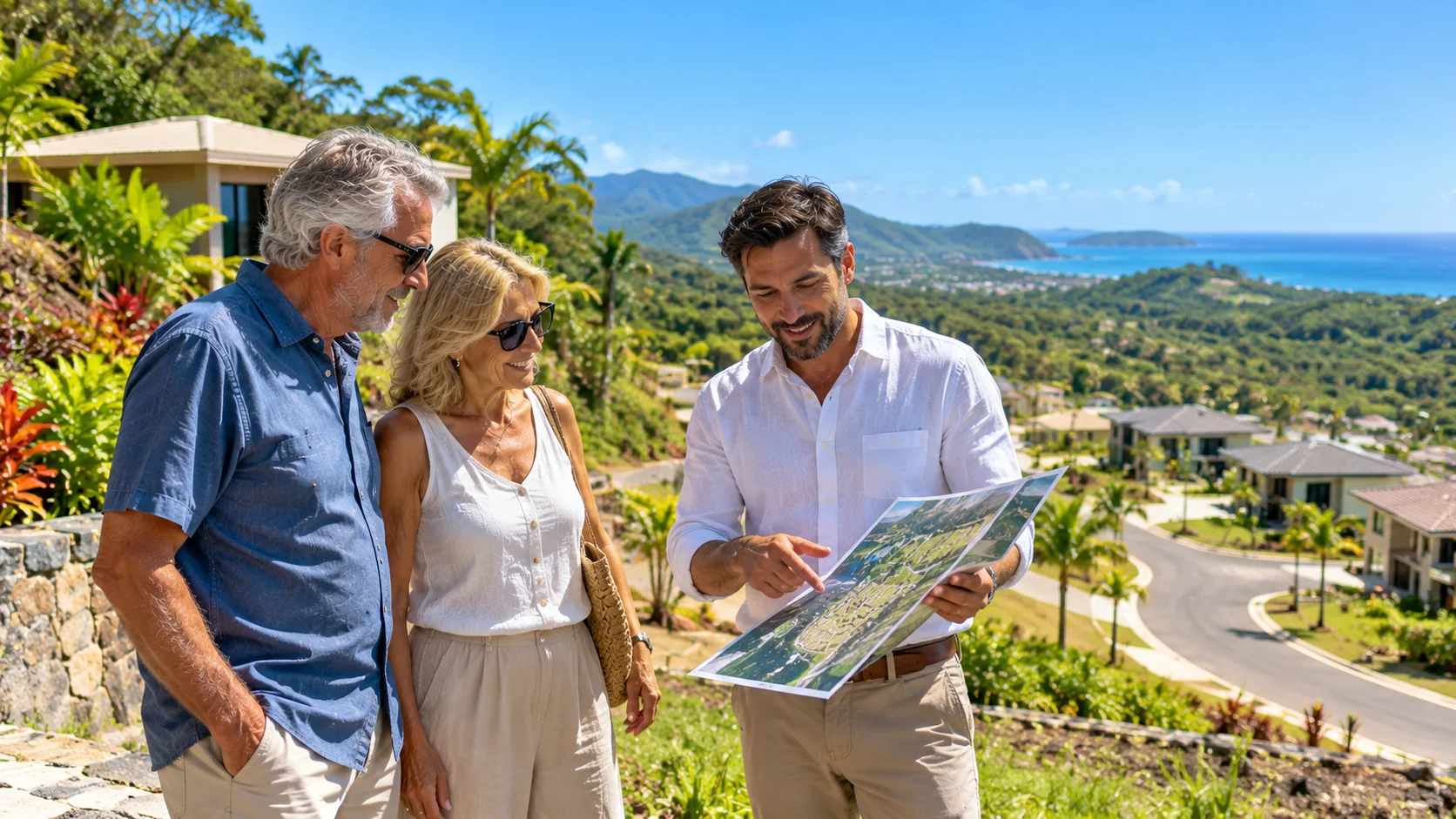
If you search for “retirement communities in Costa Rica”, be clear about what each place really offers. A home in a residential development, an independent-living arrangement and a staffed care residence are three different things. A garden, pool or social calendar does not mean nursing or personal help is available.
For independent housing, ask for the ownership or rental terms, recurring fees, community rules, accessibility details and the services included. Ask whether there are age requirements and what happens if your needs change. Our condominium ownership guide explains the documents to review.
If you need personal assistance, overnight support or nursing, look at care services separately. CONAPAM describes long-stay homes, day centres and community care networks; contact them about eligibility and capacity. Our assisted-living and elderly-care guide lists questions about staffing and written costs. Visit the actual place, include the future resident in the decision, and ask how the provider handles growing care needs.
Found a town you like? Our sister company GAP Real Estate lists homes for sale in Escazú and Santa Ana and properties across Costa Rica.
Questions before paying a reservation or deposit
- What accommodation and services are included in writing?
- Who owns or operates the property, and what approvals apply?
- Which fees can change, and what are the refund and exit terms?
- Is support available at night and on weekends if you need it?
- Can the home and the roads around it meet your mobility needs?
Gated developments and independent homes
A gate controls access; it is not a promise against crime. Ask who controls entry, how visitors and deliveries are handled, what maintenance fees cover and what happens during a power cut. Review noise, pet, rental and common-area rules before signing, and get the condominium documents checked by a lawyer.
Rent first, then buy
Glenn’s advice to every retiree is the same: “You would never do these things back home, so why do them here? Come to Costa Rica first.” Rent in the town you like for a few months, ideally through part of the green season. Live a normal week: shop, see a doctor, drive the roads. If you still love it, then buy. If you plan to buy anyway, a home of US$150,000 or more can also be your path to Investor residency.
Looking for an affordable town?
There is no honest “cheapest town” ranking. A low rent can be wiped out by long drives, extra bills or the cost of reaching services you need. Grecia, San Ramón, Turrialba and San Isidro de El General are good places to start comparing, as the ICT’s Central Valley guide and Southern Pacific guide show, but compare real homes, not reputations.
For each home you shortlist, note the rent, deposit, utilities, internet, transport and your usual groceries. Keep moving costs separate. Compare similar leases: a holiday rental and a long-term unfurnished home are not the same. Our cost-of-living guide helps you build the budget.
Community life and meeting people
Expat groups are a great way to settle in, but don’t stop there. Glenn always says the Ticos are the best part of Costa Rica, and newcomers who only mix with other foreigners miss the most wonderful part of living here. Try Spanish classes, volunteering, the local feria (farmers’ market) and town festivals. Check whether events continue outside the tourist season.
Retirement scouting trips

A scouting trip is the best money you can spend before moving. Decide its purpose first: sightseeing, looking at property, or researching where to live. Ask for the itinerary, transport, cancellation terms and any sales relationships in writing. Leave time for ordinary errands, include more than one region, and keep the buying decision separate from anyone’s sales timetable. If mobility matters, ask about steps, walking distances and vehicle access.
How to compare possible locations
- Stay long enough to live an ordinary weekday.
- Drive the routes you would use most: groceries, doctor, airport.
- Notice weather, noise, hills, road surfaces and parking.
- Talk with local residents and business owners.
- Come back in a different season before making a big decision.
Retirement money: build a spending plan first
List your dependable income and when it arrives, and compare it with the household costs you expect here. Separate regular income from money that means selling an asset or drawing down savings, and leave room for exchange-rate changes. Ask your pension provider about payments abroad, and get individual tax advice before changing accounts or investments. Remember that a lifestyle budget and immigration eligibility are separate: what counts for residency is what the DGME requires for your category.
Frequently asked questions
What is the best place to retire in Costa Rica?
For most retirees, the Central Valley: Escazú, Santa Ana, Belén, Heredia, Atenas and Grecia. You get mild weather, the best hospitals and the airport nearby, and the beaches are a weekend trip.
Can I retire in Costa Rica on US$1,000 a month?
To qualify for Pensionado residency, the DGME requires a lifetime pension of at least US$1,000 a month. Whether that covers your lifestyle depends on where and how you live; our cost-of-living guide helps you decide.
Are there retirement communities in Costa Rica?
Yes, there are residential developments popular with retirees and some care homes. Ask exactly what is included, especially whether any care or nursing is offered, before paying anything.
Which part of Costa Rica has the best climate?
Climate is personal. Many retirees love the mild Central Valley; others prefer the heat of the coast or the cool of the mountains. Elevation makes a big difference, so visit the exact area you are considering.
Should I choose a coast or the Central Valley?
Start with the lifestyle you want. Most of the retirees we help choose the Central Valley for its weather, hospitals and services, and visit the beaches on weekends. If you want the ocean every day, visit your coastal town in its hottest and rainiest months before you decide.
How many places should I visit?
More than one. Comparing a few towns gives you a much clearer sense of what fits you.
Choose a place that fits you
CRIE can help with the residency side of making Costa Rica your home. Contact CRIE for a free assessment before your next visit, and come see the Central Valley for yourself.
Residency amounts checked against migracion.go.cr; destination references from the ICT (visitcostarica.com) and CONAPAM. Requirements can change, so confirm the current rules before you apply.
Thinking of moving to Costa Rica?
Get a free residency assessment. Tell Johanna, our immigration expert, about your situation, and she will tell you which residency fits you and what you need.
WhatsApp Johanna: +506 8373 2085Free assessment
Or email [email protected]
WhatsApp Johanna: +506 8373 2085