
The Central Valley is the green, high plateau in the middle of Costa Rica where San José, Alajuela, Heredia and Cartago sit, and it is where most of the country’s people live. For anyone moving here, it is also the most practical place to live: spring-like weather all year, the biggest hospitals, the main airport and every office you need for your residency.
Most travel sites describe the Central Valley as a place you pass through on the way to the beach. We see it the other way around. This guide is for people who are thinking of moving to Costa Rica and want to know where life is easiest once the vacation is over.
WhatsApp Johanna: +506 8373 2085
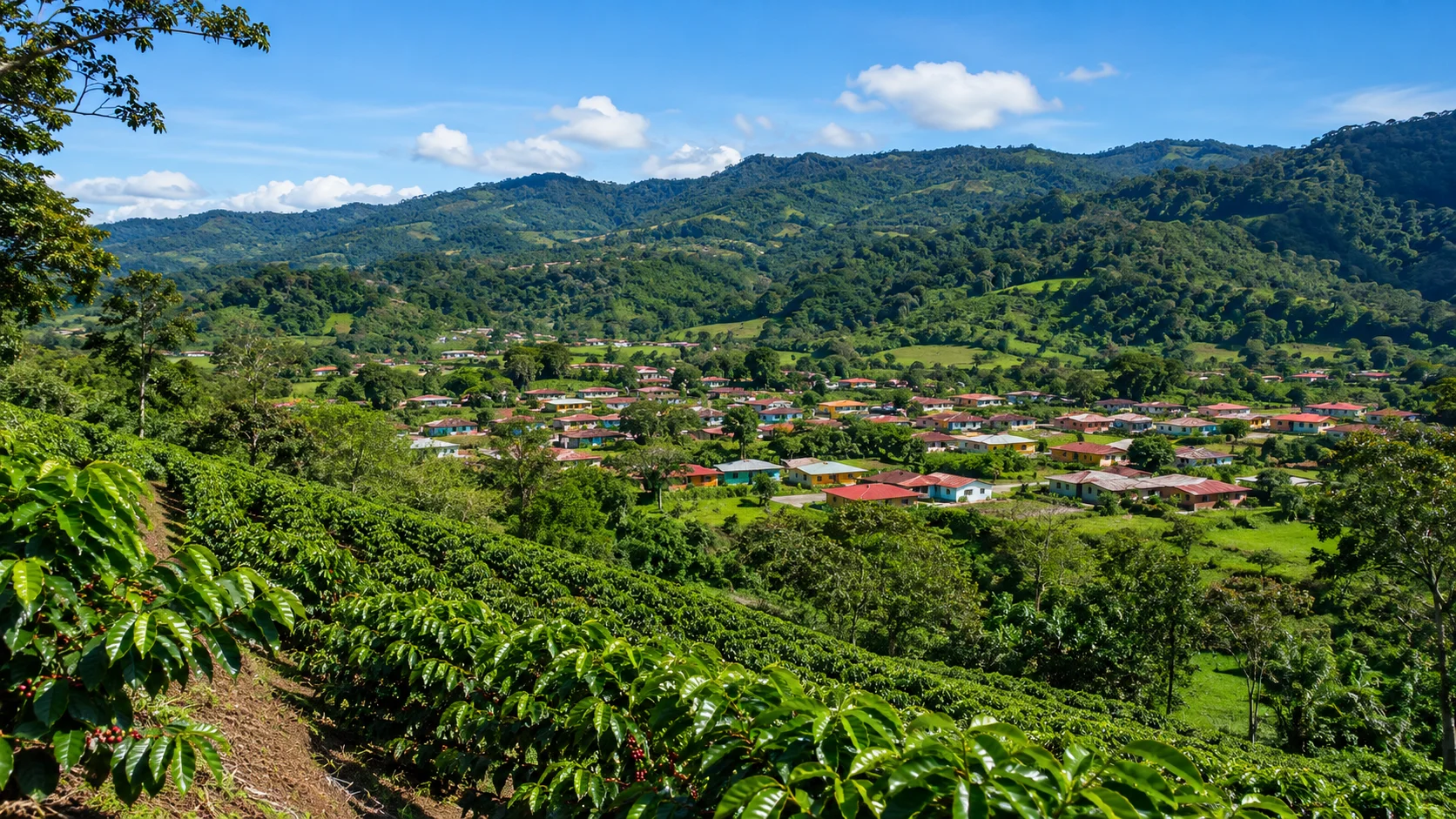
Where is the Central Valley in Costa Rica?
The Central Valley (Valle Central in Spanish) is the wide valley between the volcanic mountains in the centre of the country. It takes in the capital, San José, and the cities and towns around it in the provinces of San José, Alajuela, Heredia and Cartago. Ticos often call the busy middle of it the “GAM”, the Gran Área Metropolitana.
You will hear expats name the towns rather than the region: Escazú, Santa Ana, Ciudad Colón, Belén, Heredia, Atenas, Grecia, San Ramón and Alajuela. They are all part of the Central Valley, and they are all within reach of the capital.
Why so many expats end up living in the Central Valley
Our founder, Glenn, has helped people settle in Costa Rica for more than 20 years. His experience is simple: even the people who plan to live at the beach keep driving back to the Central Valley. They come for their residency appointments, their bank, their lawyer and their doctor. After a few of those trips, many of them decide it is easier to live here and visit the beach instead.
Here is why.
- The weather. Warm days and cool nights, with far less heat and humidity than the coast. Many homes don’t need air conditioning.
- Microclimates. Some towns are cooler and greener up in the hills, others are warmer and drier. You can pick the climate you like without leaving the valley.
- Healthcare. The country’s largest public hospitals and the main private hospitals and specialists are here.
- Everyday life. Supermarkets, malls, pharmacies, international schools, universities and restaurants of every kind, open all year.
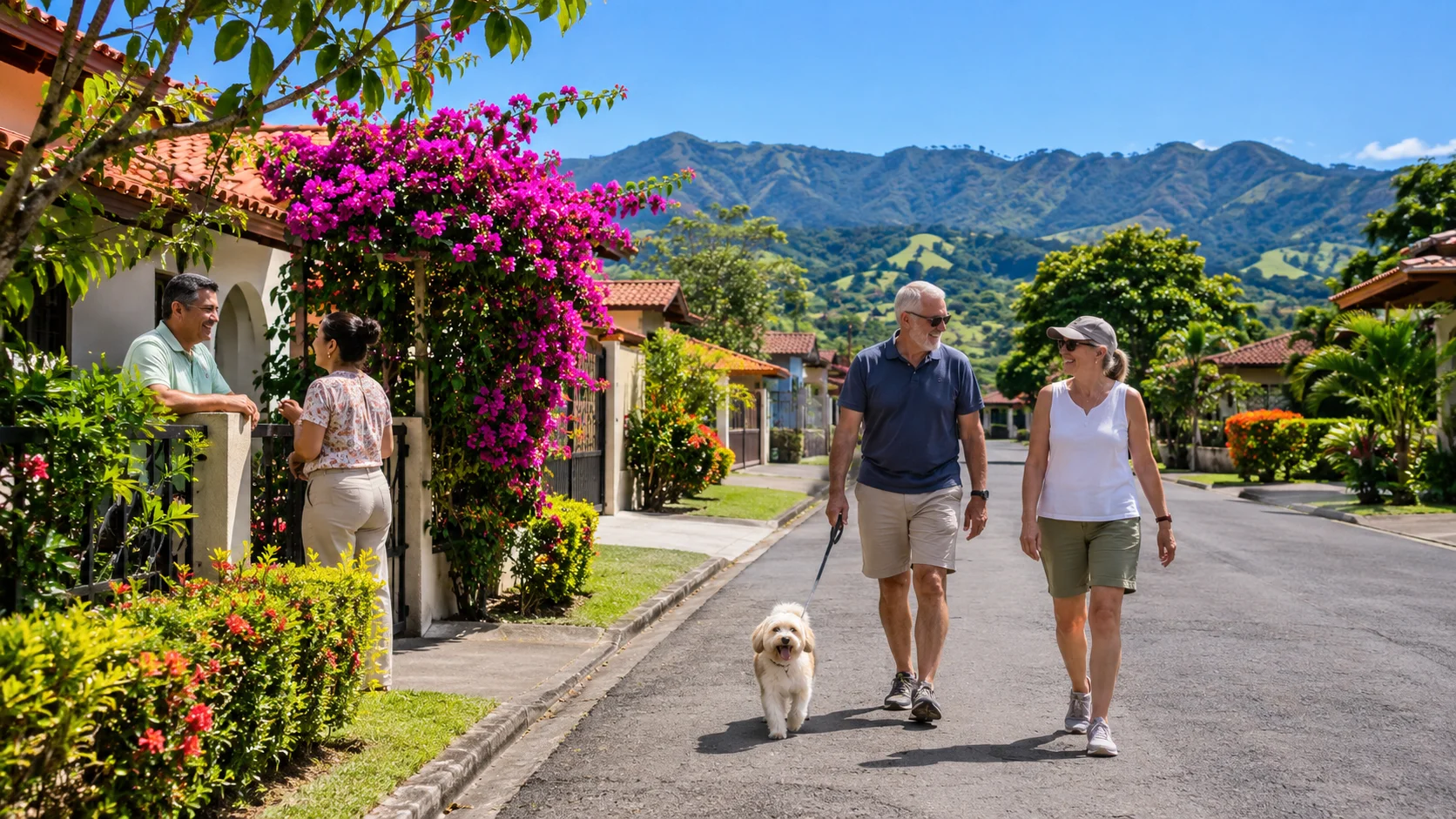
- Fewer tourists. Your neighbours live here all year. It feels like a real community, not a holiday rental strip.
The weather: spring all year
The Central Valley sits well above sea level, so it stays mild. Costa Rica has two seasons: the dry season and the green season. In the green season, the mornings are usually sunny and the rain tends to come in the afternoon, which keeps the valley green all year.
The big difference you will feel is at night. At the beach, many people run the air conditioning all night. In much of the Central Valley you sleep with the windows open. If you are retiring here, that comfort matters every single day.
Hospitals and healthcare in the Central Valley
For many of our clients, especially retirees, this is the deciding reason. The Caja (CCSS), Costa Rica’s public health system, runs its biggest hospitals in San José. The large private hospitals, specialists, labs and clinics are also concentrated in the San José, Escazú and Heredia area.
When something serious happens on the coast, patients are often sent to the Central Valley anyway. Living here means you are already close to the right doctor. Once you are a legal resident you join the Caja, and many people add private insurance too. Our guide to healthcare in Costa Rica for expats explains how the two work together.

Your residency is easier when you live here
This is the part most “where to live” articles leave out. Costa Rica’s immigration office, the Dirección General de Migración y Extranjería, has its main office in La Uruca, San José. The National Registry, the banks’ head offices, the embassies and most government offices are in the Central Valley too.
Your residency process involves appointments, document pickups, fingerprints and, later, DIMEX renewals. When you live in the Central Valley, each of these is a short drive. When you live on a far beach, each one can mean a long trip and sometimes a night in a hotel.
The main residency categories are the same wherever you live:
- Pensionado: a lifetime pension of at least US$1,000 a month.
- Rentista: a steady income of at least US$2,500 a month for at least two years.
- Investor: an investment of at least US$150,000, for example buying your own home.
These figures come from Migración (migracion.go.cr). The full list of documents is in our guide to Costa Rica residency requirements.
Which Central Valley town fits you?
The Central Valley is not one place. Each town has its own feel. Here is a quick way to think about them, with our full guides for each one.
- Escazú and Santa Ana: modern, west of San José, with malls, restaurants, private hospitals nearby and a large expat community.
- Ciudad Colón: quieter and greener, just past Santa Ana, for people who want space but still want the city close.
- Belén: flat, tidy and close to the international airport, which suits people who travel often.
- Heredia: a university city with cooler hill towns above it.
- Atenas and Grecia: small-town life on the western side of the valley, popular with retirees.
Our tip: rent first. Spend a few months in the town you like before you buy. Visit on a weekday morning and in the evening rush hour, not only on a quiet Sunday. Our best places to live in Costa Rica guide compares the Central Valley with the coast in more detail.
Getting to the beach from the Central Valley
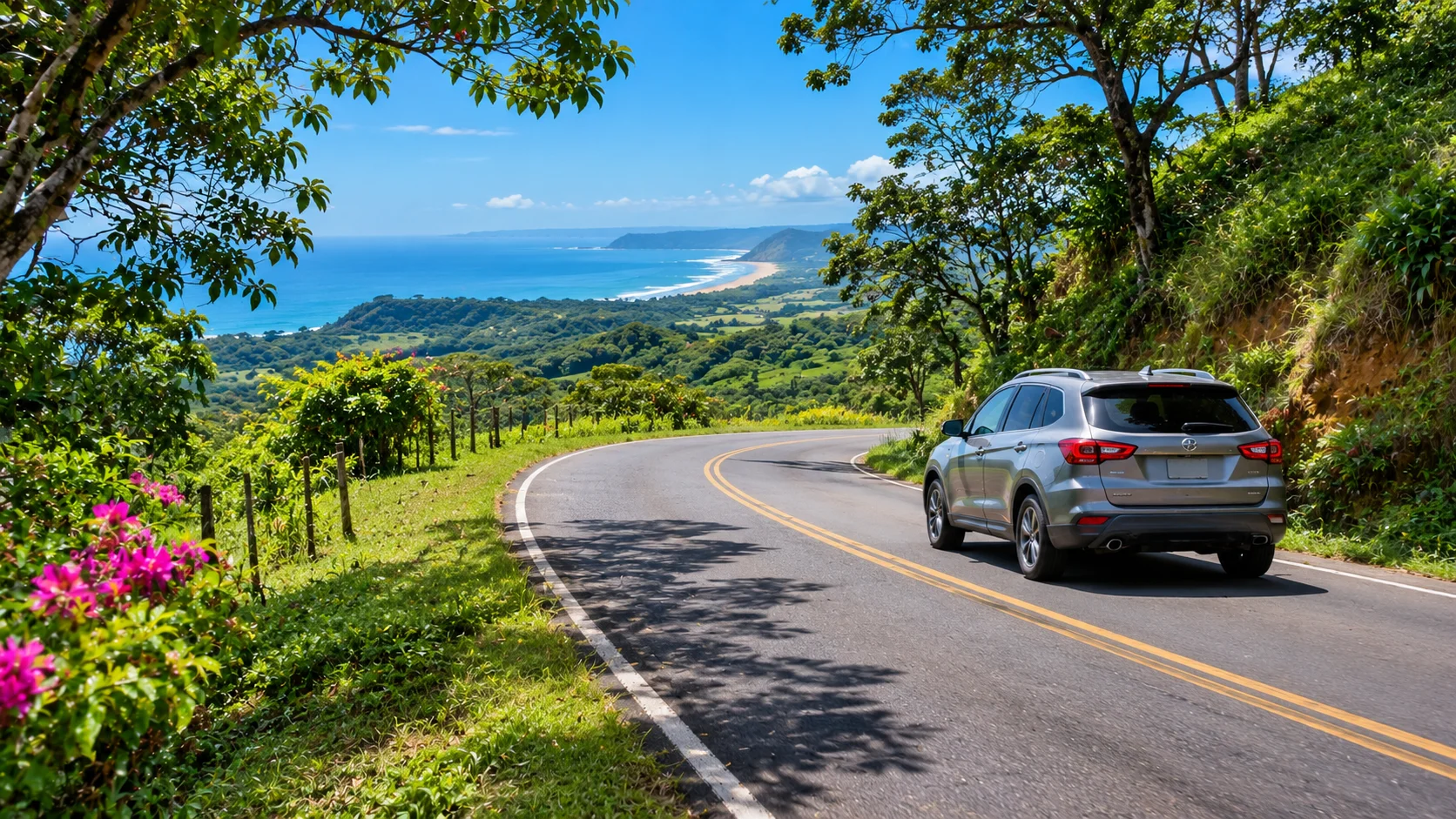
You don’t have to give up the beach. The beaches are close by, with many to choose from, in different directions: the Central Pacific, Guanacaste to the north-west and the Caribbean to the east.
Leave extra time for the trip, because the highways are one lane in most places, and check Waze before you go to see how long it will take. Glenn’s tip for retirees: go on a Friday morning and come back on Monday. Everyone else leaves after work on Friday and drives home on Sunday. If you are retired, you get to play by different rules.
See our guide to the closest beaches to San José for the main options, and which beach is best when you live in the valley.
What this means if you are moving to Costa Rica
- Start your search in the Central Valley, even if you love the beach. You can always move later.
- Choose your town by climate first: cooler hills or warmer, drier towns.
- Check the drive to your nearest hospital and to your bank before you sign a lease.
- Plan your residency papers before you arrive, so your appointments in San José go smoothly.
- Use our moving to Costa Rica checklist to keep everything in order.
Frequently asked questions
Is the Central Valley a good place to live in Costa Rica?
For most people moving here, yes. It has the mildest weather, the best access to hospitals, the main airport and the government offices you need for residency. It is the practical choice for retirees and families.
What cities are in the Central Valley of Costa Rica?
The main cities are San José, Alajuela, Heredia and Cartago. Popular expat towns include Escazú, Santa Ana, Ciudad Colón, Belén, Atenas and Grecia.
Is the Central Valley hotter or cooler than the beach?
Cooler. Because the valley is high above sea level, the days are warm and the nights are cool, with much less humidity than the coast.
Can I live in the Central Valley on a residency permit?
Yes. Your residency lets you live anywhere in Costa Rica. Living in the Central Valley simply puts you close to Migración and the other offices you will visit during the process.
Thinking of moving to Costa Rica?
Get a free residency assessment. Tell Johanna, our immigration expert, about your situation, and she will tell you which residency fits you and what you need.
WhatsApp Johanna: +506 8373 2085Free assessment
Or email [email protected]
WhatsApp Johanna: +506 8373 2085