
Emergency services in Costa Rica play a crucial role in ensuring the safety and well-being of the country’s residents and visitors. These services are vital for immediate response and assistance during times of emergencies, providing necessary medical care, police support, and rescue operations. Whether you are a local resident or a tourist exploring this beautiful country, it is essential to be aware of the available emergency services and their contact details.
- Emergency services in Costa Rica are crucial for the safety and well-being of residents and visitors.
- The emergency hotline number in Costa Rica is 911, which covers medical and mental health emergencies.
- Public and private hospitals in Costa Rica provide emergency medical treatment, with private hospitals offering better facilities at a higher cost.
- It is recommended to have insurance coverage to ensure access to quality emergency medical care.
- For police, fire, rescue and ambulance, call 911. Our guide to Costa Rica emergency numbers lists the other lines worth saving.
Being prepared, informed, and having access to emergency response teams is essential for the safety and well-being of individuals in Costa Rica. Whether it is a medical emergency, a crime incident, or a natural disaster, knowing the right numbers to call and understanding the available services can make a significant difference in the outcome of such situations.
WhatsApp Johanna: +506 8373 2085
Accessing Emergency Services in Costa Rica
When faced with an emergency in Costa Rica, it is essential to know how to access the necessary services promptly. The emergency hotline number is 911, which covers medical and mental health emergencies. It is important to remember this number and keep it accessible at all times. By dialing 911, individuals can reach the appropriate emergency response teams and receive the assistance they need.
The same 911 number covers police, fire, rescue and ambulance. Older lists online give separate short numbers for each service; use 911 instead, as the Costa Rican Red Cross and the 9-1-1 system advise. For poison advice, other useful lines and how to give an address here, see our guide to Costa Rica emergency numbers.
Having access to these emergency response teams is crucial for the safety and well-being of individuals in Costa Rica. It is important to remain calm and provide accurate information when contacting emergency services. Remember to stay on the line until instructed otherwise and follow the guidance provided by the emergency professionals.
Insurance Coverage and Preparedness
While emergency services are available in Costa Rica, it is recommended to have insurance coverage to ensure that medical expenses and emergency transportation are taken care of in case of an unforeseen event. Private hospitals in Costa Rica generally offer better facilities but at a higher cost. Therefore, having insurance coverage can help alleviate financial burdens during emergency situations.
Being prepared and informed can also contribute to one’s safety in Costa Rica. It is advisable to familiarize oneself with the local emergency response procedures and the nearest medical facilities. Consider keeping a list of important contact numbers, including the emergency hotline and the nearest hospitals, in a readily accessible location. Additionally, taking basic first aid and CPR courses can equip individuals with valuable skills to provide immediate assistance before professional help arrives.
| Who | Number |
|---|---|
| Police, fire, rescue and ambulance | 911 |
| National Poison Control Centre (24 hours) | 800-INTOXICA (800-4686-9422) |
Remember, timely access to emergency services can make a significant difference in emergency situations. By knowing how to contact the appropriate emergency response teams and being prepared, individuals can ensure their own safety and that of others around them.
Hospitals and Medical Care in Costa Rica
In case of a medical emergency in Costa Rica, understanding the healthcare system and available services is crucial for receiving prompt and appropriate care. The country offers both public and private hospitals that provide emergency medical treatment. Public hospitals are generally more affordable, but private hospitals often have better facilities and shorter wait times.
Hospitals in Costa Rica are well-equipped to handle emergencies and provide a wide range of medical services. They have trained professionals, advanced equipment, and modern facilities to ensure the best possible care. Some of the top hospitals in the country include CIMA Hospital, Hospital Clínica Bíblica, and Hospital La Católica.
Emergency Ambulance Services and Evacuation
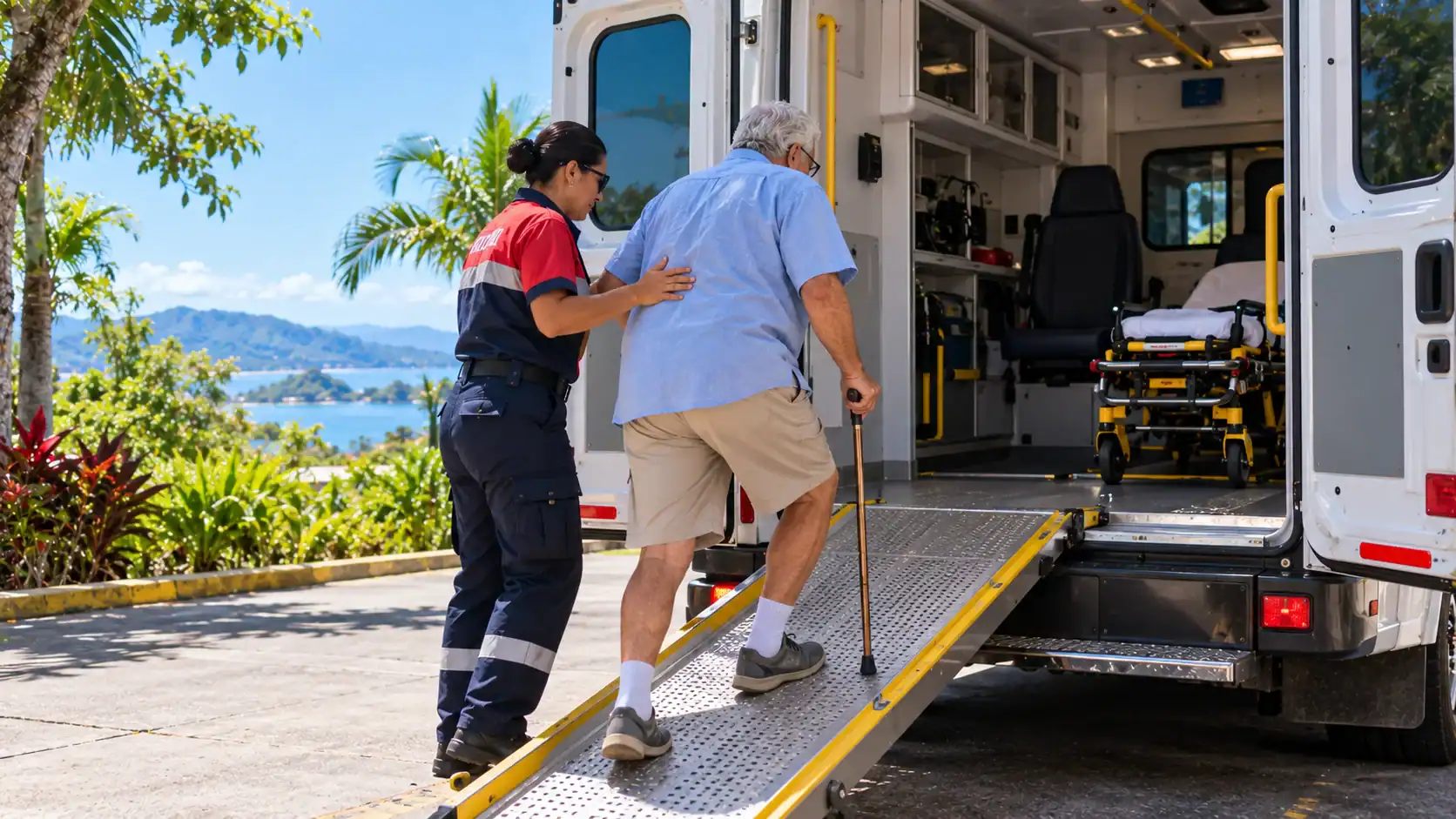
When a medical emergency occurs, it is important to have access to emergency ambulance services for swift transportation to the nearest medical facility. The emergency hotline number, 911, can be dialed for immediate assistance. Ambulance services are available throughout Costa Rica and respond to medical emergencies promptly.
In cases where evacuation is necessary, Costa Rica has arrangements in place. International air ambulance services can be utilized for urgent medical evacuations to other countries if required specialized treatment not available locally. Local emergency evacuation services are also available to transport patients from remote areas to hospitals with specialized care.
Natural disasters in Costa Rica
Costa Rica sits on an active tectonic boundary, has several active volcanoes and gets heavy seasonal rain. The natural hazards worth understanding are earthquakes, volcanic activity, floods and landslides, and on the coasts, tsunamis and tropical storms. Most of the time daily life is not affected, but knowing where to check, and what to ask before you choose a home, makes a real difference.
Earthquakes
Small earthquakes are frequent and most are not felt. The national seismology services, the Red Sismológica Nacional (UCR-ICE) and OVSICORI (UNA), publish significant quakes within minutes. Our guide to earthquakes in Costa Rica explains what to do during shaking and how to choose a well-built home.
Volcanoes
OVSICORI and the RSN monitor the country’s volcanoes. In recent years the most active have been Poás, Rincón de la Vieja and Turrialba, which at times send up ash and gas that can reach nearby communities and close the national parks around them. Check OVSICORI’s reports for the current activity before you visit a volcano.

Rainy season, floods and landslides
On the Pacific side and in the Central Valley, the rainy season generally runs from May to October, with November a transition month, and the dry season from December to March. The Caribbean side has no defined dry season; its wettest periods are November to January and May to August, according to the National Meteorological Institute (IMN). Heavy rain causes most emergencies: flooding near rivers, and landslides on steep slopes and mountain roads.
Hurricanes and tropical storms
Costa Rica is seldom hit directly, but it is not immune. Hurricane Otto entered the north of the country in November 2016, and in October 2017 Tropical Storm Nate caused widespread flooding without making landfall here, as the IMN explained. The Atlantic hurricane season runs from June to November.
Tsunamis
Tsunamis are rare but possible on both coasts. The National Tsunami Monitoring System (SINAMOT) at UNA issues warnings. If you live near the beach, learn the evacuation route and head for high ground after strong, long shaking. Homes in the Central Valley are far from this risk.
Where to get official alerts
- CNE, the National Emergency Commission: coordinates the response to disasters and issues green, yellow, orange and red alerts by region during storms and other events.
- IMN: weather forecasts and rain warnings.
- OVSICORI and the RSN: earthquakes and volcanoes.
- SINAMOT: tsunami warnings.
- In any emergency, call 911.
Choosing a home with natural hazards in mind
Before you rent or buy, ask the neighbours whether the street has flooded or the slope has moved, and look at how close the home is to a river or a steep cut. You can also check the CNE’s hazard map (mapa de amenazas) for the canton; the CNE describes these maps as preliminary, so for a purchase ask your lawyer or an engineer about a site study. Homes in the Central Valley are far from coastal storm surge and tsunamis, though hillside lots still need a landslide check.
Conclusion
Emergency medical services in Costa Rica play a crucial role in ensuring the safety and well-being of residents and visitors. Whether it’s accessing hospitals, utilizing ambulance services, or relying on the efficient disaster management system, being prepared and informed is essential in emergency situations.
Costa Rica offers a comprehensive healthcare system, and both public and private hospitals are well equipped to handle medical emergencies. It is recommended to have insurance coverage to mitigate any financial burden that may arise from emergency medical treatments.
By understanding the healthcare system, knowing the emergency hotline number (911), and being aware of the available services, individuals can take the necessary steps to ensure prompt and appropriate care in case of a medical emergency in Costa Rica.
FAQ
Q: What is the emergency hotline number in Costa Rica?
A: The emergency hotline number in Costa Rica is 911. This number covers medical and mental health emergencies.
Q: What other emergency contact numbers are available in Costa Rica?
A: For police, fire, rescue and ambulance, 911 is the number to call. For poison advice, call 800-INTOXICA (800-4686-9422), 24 hours. Our guide to Costa Rica emergency numbers lists the others worth saving.
Q: Are there public and private hospitals for emergency medical treatment in Costa Rica?
A: Yes, both public and private hospitals provide emergency medical treatment in Costa Rica. Private hospitals generally offer better facilities but at a higher cost.
Q: Do I need insurance coverage for emergency services in Costa Rica?
A: It is recommended to have insurance coverage in Costa Rica to ensure access to emergency medical services and minimize out-of-pocket expenses.
Q: How important is being prepared and informed for emergency situations in Costa Rica?
A: Being prepared and informed is crucial for safety in Costa Rica. Having access to emergency response teams and knowing the emergency contact numbers can make a significant difference in emergency situations.
Q: Does Costa Rica have natural disasters?
A: Yes. The main hazards are earthquakes, volcanic activity, floods and landslides in the rainy season, and on the coasts, tsunamis and tropical storms. Most days are unaffected, and official agencies publish alerts quickly.
Q: When is hurricane season in Costa Rica?
A: The Atlantic hurricane season runs from June to November. Costa Rica is seldom hit directly, but nearby storms can bring heavy rain and flooding, as Tropical Storm Nate did in October 2017.
Q: Where can I check earthquakes and volcano activity?
A: The Red Sismológica Nacional (UCR-ICE) and OVSICORI (UNA) publish earthquakes and volcano reports. The CNE issues emergency alerts, and the IMN issues weather warnings.

Healthcare and your residency are connected
Caja registration normally follows residency, so your legal status decides a lot of what is above.
CRIE handles Costa Rica residency and citizenship applications end to end. If you are working out whether you qualify, or which category fits, get in touch and we will tell you where you actually stand — WhatsApp +506 8373 2085 or [email protected].
WhatsApp Johanna: +506 8373 2085