
Helping an animal in Costa Rica starts with understanding the situation and finding appropriate local assistance. A dog seen outdoors may be lost, owned, cared for by neighbors or abandoned. Do not assume that every roaming dog is available to adopt, and do not put yourself or the animal at risk while trying to help.
What to do when you see a stray or injured dog
Observe from a safe distance. Note the location, time, appearance and any visible injury. Ask nearby residents or businesses whether they recognize the animal. If it is injured or frightened, contact a veterinarian or experienced local animal-rescue organization for advice before attempting to handle or transport it.
Keep children and your own pets away from an unfamiliar animal. Do not corner it, enter traffic to chase it or reach into its mouth. SENASA’s 2026 dog-bite prevention initiative emphasizes reducing risks and improving coexistence between people and animals. If someone is bitten, seek prompt medical assessment.
Helping should include a plan beyond the first encounter: who can assess the animal, whether an owner is being sought, who can provide temporary care and how veterinary expenses will be handled.
Reporting animal-welfare concerns to SENASA
SENASA provides an official sanitary complaint procedure. Its instructions describe downloading and completing the complaint form, then submitting it physically at an office or digitally with a digital signature. Check the page for the current form and submission requirements; a social-media post is not a substitute for filing a report.
Prepare a clear factual account: where the animal is, what you observed, when it happened and how the location can be found. Include relevant photographs only when you can obtain them safely and lawfully. Distinguish what you saw from what someone else told you. Ask the receiving office how to retain a reference and follow up.
Do not confront a suspected abuser or enter private property to collect evidence. SENASA can advise on the appropriate route for the concern; do not assume a report guarantees immediate collection of the animal.
Responsible care goes beyond providing food
The 2017 animal-welfare law reform sets out duties for people responsible for companion animals, including basic living conditions, appropriate handling, hygienic spaces and collecting waste in public places. For an individual legal case, consult the current consolidated legislation and the responsible authority rather than relying on a general penalty summary.
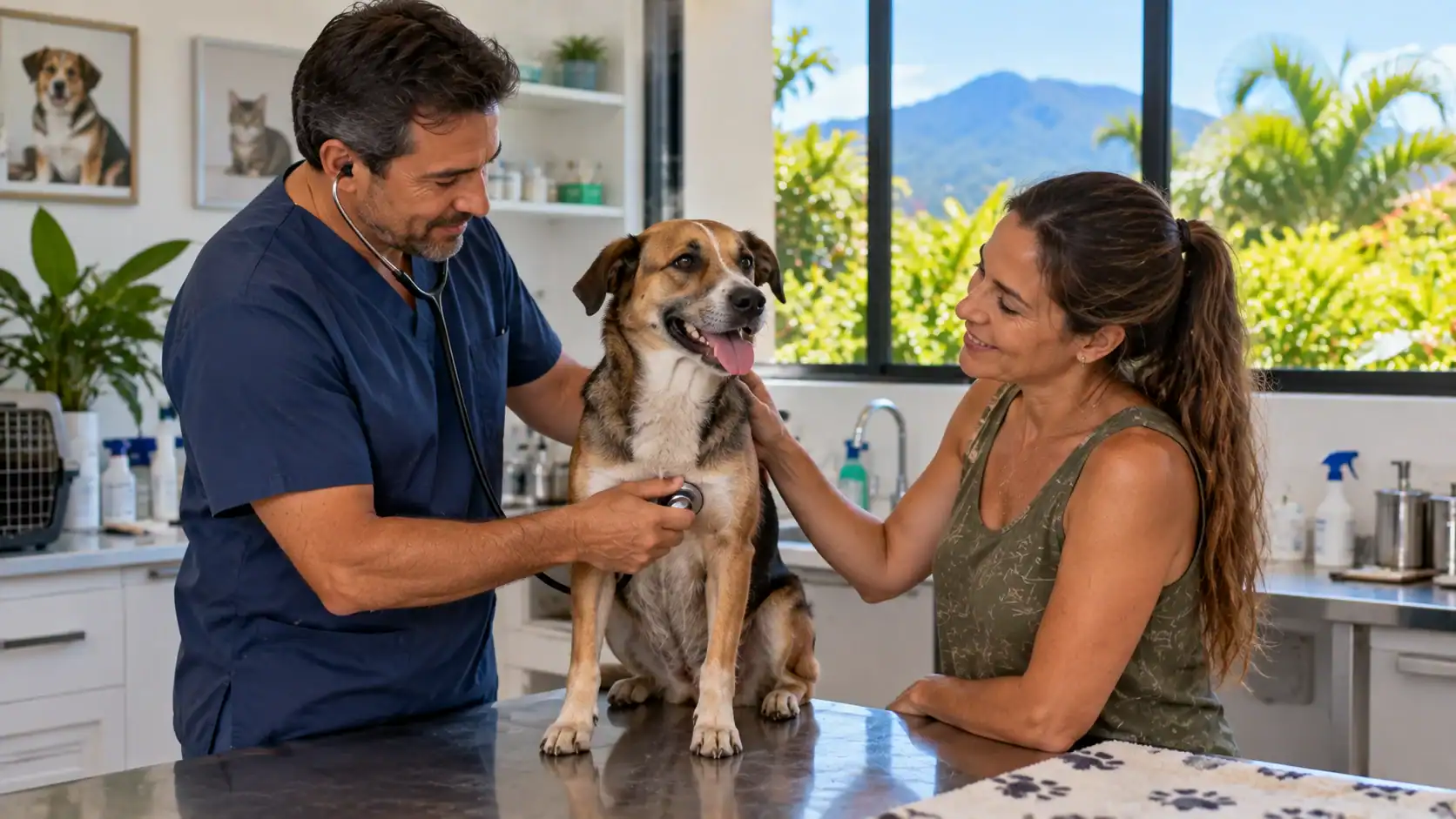
For a pet in your care, make a veterinary plan covering its condition, preventive care and sterilization where appropriate. Arrange safe shelter, clean water, suitable food and someone responsible for daily care. If you cannot keep the animal, discuss a realistic placement plan with an established organization before taking it in.
Adoption and supporting a rescue organization
Before adopting, ask how the organization established that the animal can be placed, what veterinary records are available and what is known about its behavior. Discuss compatibility with children, other animals, your housing and the time you can provide. Ask for the adoption terms and follow-up arrangements in writing.
If you want to donate or volunteer, contact the organization directly about its current needs and capacity. Request an explanation of how donations are used. Do not assume a rescue has space for an animal simply because its name appears in a directory.
Fostering, transport assistance or supplies may be useful when arranged with the organization. Agree on responsibility for veterinary decisions, expenses and the length of the placement before committing.
Territorio de Zaguates: adoption, donations and visits
Territorio de Zaguates, also called Land of the Strays, describes itself as a donation-supported sanctuary founded by Lya Battle and Álvaro Saumet. Its work includes rescue, care and adoption; some dogs remain there permanently because of age or individual needs. The organization uses zaguate for a mixed-breed dog.
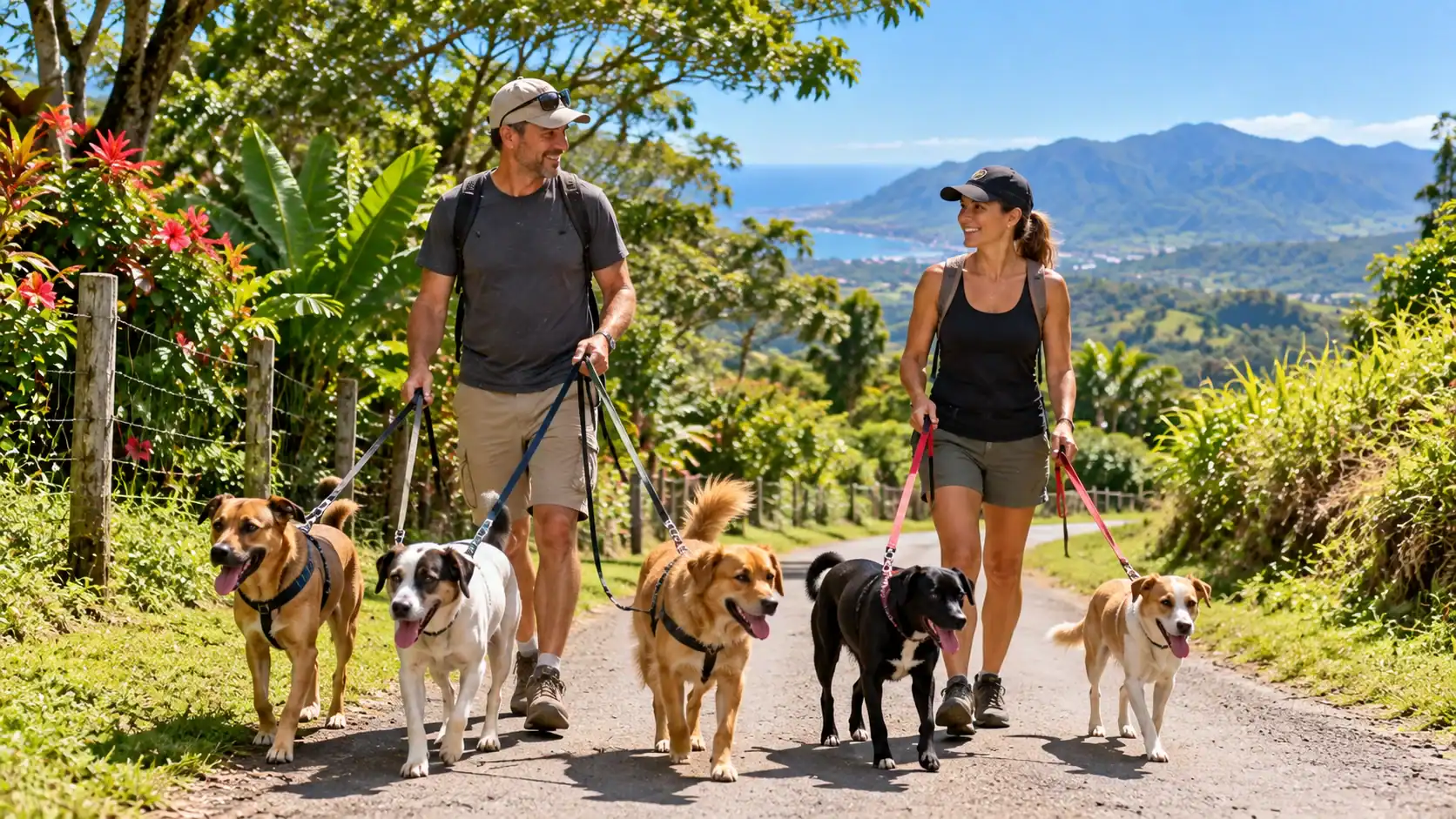
Use the organization’s own website to reach its adoption information or donation page. Review the currency, amount and whether a contribution is recurring before paying. Photographs or old videos of group walks do not establish a current visitor schedule. Ask the organization directly whether visits or volunteering are available and what arrangements are required before travelling there.
Do not arrive expecting to leave an animal without an agreed intake arrangement. Describe the animal’s situation honestly, ask about current capacity and follow any requested veterinary or ownership checks. Adoption should include a realistic plan for housing, care and any international travel. This description is based on the sanctuary’s own information checked September 8, 2026; CRIE does not operate the sanctuary.
Choosing a pet sitter in Costa Rica
For an owned pet, compare the actual care offered rather than choosing solely by a listing’s label of professional or nonprofessional. Meet the sitter, ask for recent references and explain your animal’s routine, behaviour, medication and escape risks. Arrange a trial visit where practical, especially if the animal has not stayed with someone else.
Agree in writing on feeding, walks, supervision, sleeping arrangements, other animals in the home and how frequently you will receive updates. Confirm who will attend if the sitter becomes unavailable. Leave your veterinarian’s contact details, an emergency contact, transport arrangements and clear authorization for veterinary decisions and expenses. A sitter should not improvise changes to prescribed treatment.
Before handing over keys, agree how access will be secured and when keys will be returned. Check your housing rules if care takes place at your home. A boarding property, daytime visit and overnight house-sitting service are different arrangements; ask exactly which one the quote covers. This checklist is not an endorsement of a named provider.
Do not move an animal casually between communities
SENASA’s romería guidance warns that street or community dogs can follow pilgrims away from their home area and become lost or exposed to traffic. That warning concerns the pilgrimage specifically, but it illustrates why an animal’s local situation matters before a visitor encourages it to follow or takes it elsewhere.
If adoption involves international travel, check veterinary, airline and destination requirements before booking. Our pet-travel guide covers planning for dogs and cats entering Costa Rica; leaving Costa Rica requires checking the rules for the receiving country separately.

Domestic pets and wildlife need different help
This guide focuses on dogs, cats and companion-animal welfare. A wild animal should not be treated as a pet-adoption case. Seek direction from the relevant wildlife authority or an authorized rescue service rather than taking it home.
Official SENASA sources and the cited legislative reform checked September 7, 2026. This is practical welfare guidance, not a claim that a particular rescue, clinic or government office will collect an animal.
Thinking of moving to Costa Rica?
Get a free residency assessment. Tell Johanna, our immigration expert, about your situation, and she will tell you which residency fits you and what you need.
WhatsApp Johanna: +506 8373 2085Free assessment
Or email info@crie.cr