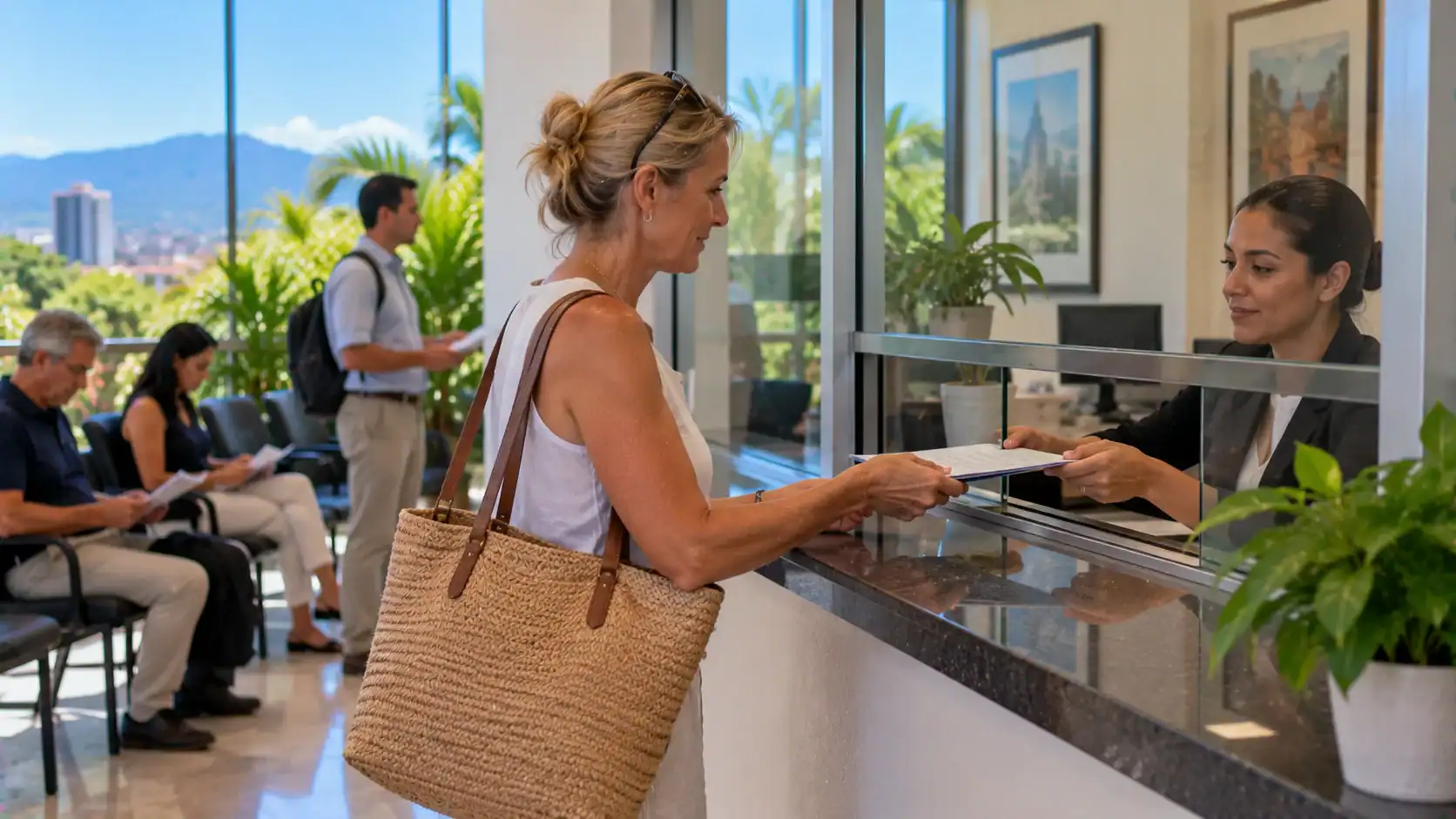
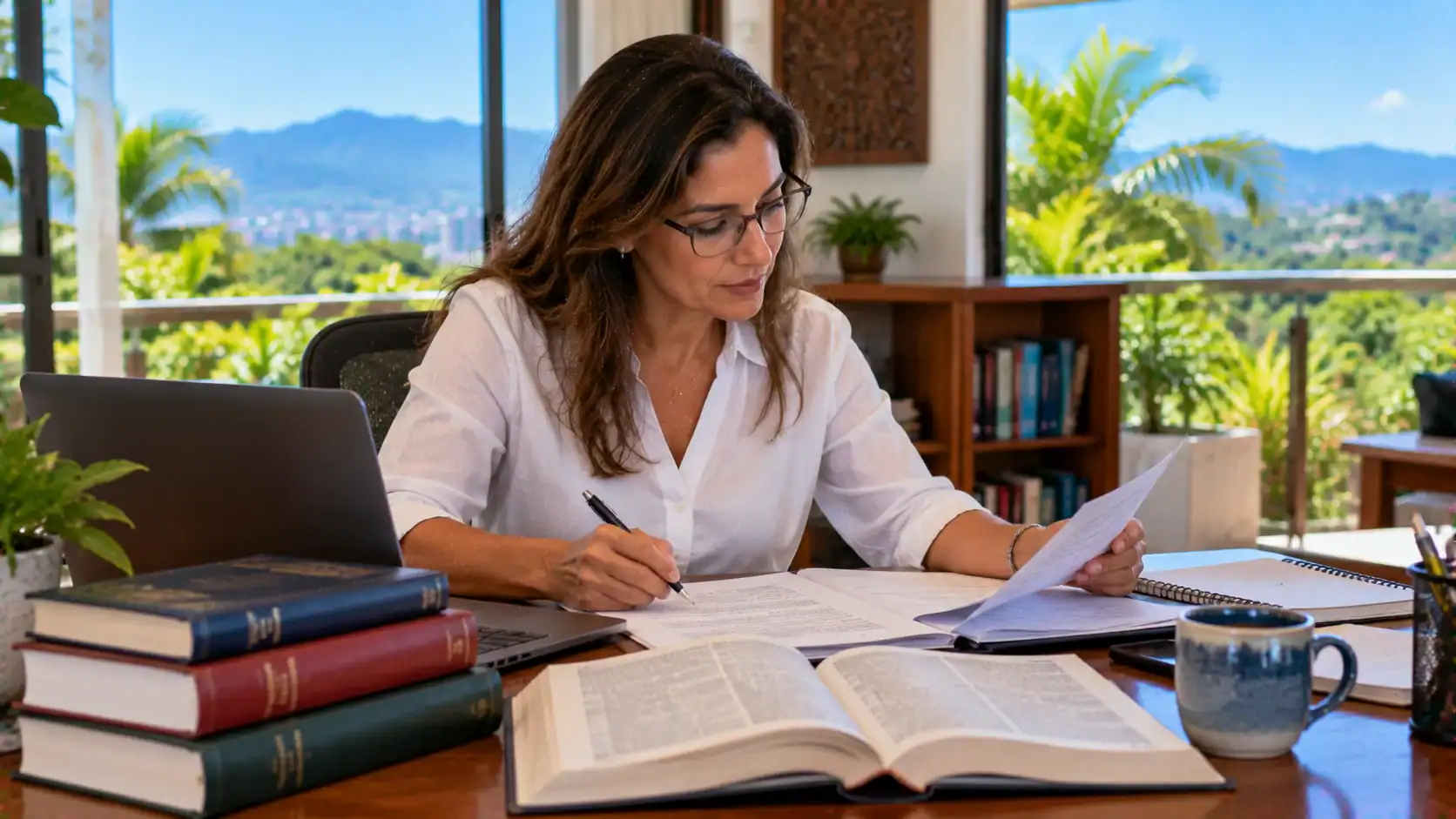
Navigating a new immigration system can feel overwhelming. We believe in starting your preparation from home, long before you arrive. This upfront work is the key to a smooth transition.
A clean criminal record is a non-negotiable part of any application. This background check is a critical component for every category, from retirees to investors. Understanding these rules early can prevent months of delay.
This guide provides clear, step-by-step direction. We explain who qualifies, what thresholds must be met, and which documents need preparation—including apostilles and translations. Our goal is to break down a complex process into manageable steps.
We offer comprehensive information based on official sources and our extensive experience. Please note, we cannot provide pricing or guarantee outcomes. We always encourage verifying the latest details with the official immigration authority.
Understanding Costa Rica Residency and Eligibility (Pensionado, Rentista, Inversionista, Vinculo)

We demystify the primary routes to obtaining legal status, each designed for different circumstances. Your choice depends on your financial profile or family connections to Costa Rican citizens.
Overview of Residency Categories and Requirements
The four main categories are Pensionado (Pensionado), Rentista (Rentista), Inversionista (Inversionista), and Vinculo. It’s crucial to know that a Digital Nomad visa is not a residency pathway. It does not lead to permanent residency or citizenship.
Qualifying Income and Investment Thresholds
For Pensionado, you need a guaranteed lifetime pension of at least US$1,000 per month. The Rentista category requires proof of US$2,500 in monthly income for two years.
Inversionista applicants must invest a minimum of US$150,000. This property or business investment must be held in your personal name, not a corporation. The entire application process typically takes 9 to 12 months.
All applicants, regardless of category, must submit the same core documents. We will detail these foundational requirements in the following sections.
Preparing Your Documents at Home for a Smooth Application

Proactive preparation from your current location is the single greatest factor in avoiding processing delays. We guide you through gathering the core paperwork before your move.
Essential Documents and Apostille Requirements
Every applicant needs key papers. This includes an apostilled birth certificate and proof of income or investment.
Healthcare-related documents are also mandatory. The apostille is an international stamp of authentication. It tells Costa Rican authorities your documents are legitimate.
For U.S. citizens, a federal background check requires this stamp from the Department of State. The sequence matters: get the original, then the apostille, then a translation if needed.
Guidance on Translations and Pre-Arrival Preparation
Most papers must be translated into Spanish by a certified translator. This step comes after the apostille is secured.
Pay close attention to validity periods. A background check certificate is typically valid for only three months from issuance.
Plan your timeline backward from your intended submission date. Always verify the latest requirements at the official migracion.go.cr website. This ensures your effort is aligned with current rules.
Costa Rica Residency Police Clearance Requirements
The FBI background check stands as a mandatory checkpoint for every U.S. citizen applying for residency. This document proves your good moral character and clean criminal history to local authorities.
The Role of the FBI Background Check and Apostille
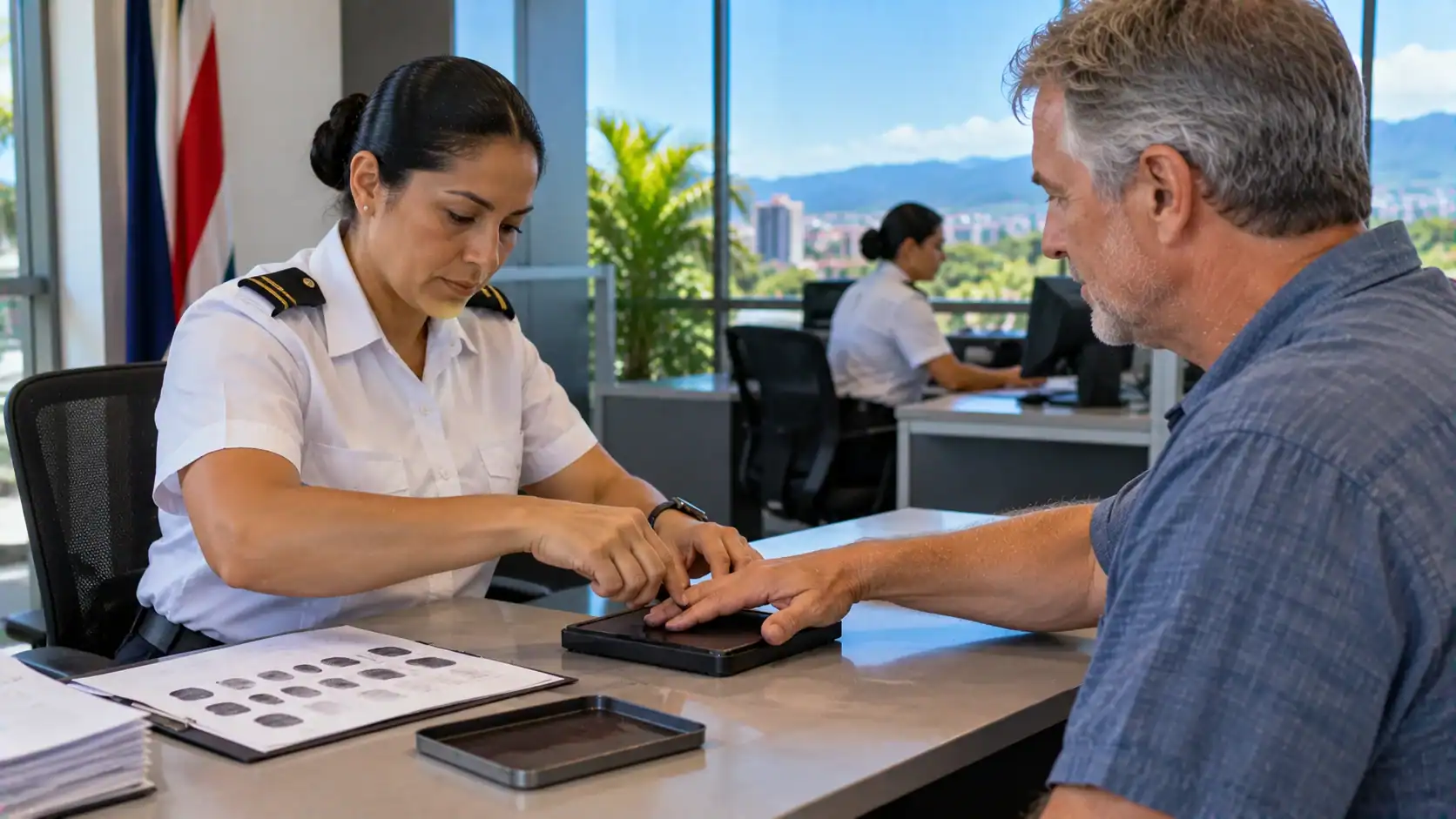
For applicants in the United States, start at the official FBI website (edo.cjis.gov). Complete the online application and get your fingerprints taken at a participating US Post Office.
You’ll receive your Identity History Summary as a PDF via email, usually within one week. If you are abroad, you must use an FD-258 fingerprint card from a local agency and mail it to the FBI’s division in West Virginia.
This FBI report alone is not enough. You must then submit the PDF with the DS-4194 form to the U.S. Department of State for an apostille. This stamp is the official authentication that validates your document for use.
Document Validity, Timelines, and Verification Tips
Your background check is only valid for three months from its issue date. Time your application so it remains current when you submit your full packet.
Always double-check that your name matches exactly on all forms. Verify the apostille stamp includes the Department of State seal clearly. Keep several certified copies of everything for the authorities.
Full disclosure about your history is critical. Any omission can lead to automatic rejection of your application.
Who Qualifies for Residency: Detailed Eligibility Criteria and Thresholds
Your path to legal status hinges on proving stable income or a substantial investment. We break down the exact financial bars you must clear for each category.
Income Requirements for Pensionado (Pensionado) and Rentista (Rentista)
For Pensionado, you need a guaranteed lifetime pension of at least US$1,000 per month. You must provide official statements as proof.
The Rentista category is different. It requires proof of US$2,500 in monthly income for two full years. This can come from rentals or investments.
Investment and Property Ownership Guidelines for Inversionista
Inversionista applicants must invest a minimum of US$150,000. This capital can go into local real estate or a business.
A critical rule exists for property investment. The asset must be held in your personal name, not through a corporation. This proves your direct commitment.
Meeting these thresholds is just one part of the full application. All other document requirements, including background verification, still apply.
Common Mistakes to Avoid During the Application Process
The difference between approval and rejection often lies in the details of your paperwork. We see several recurring errors that create unnecessary delays.
Errors in Document Preparation and Apostille Authentication
Timing is critical. Letting your background check expire is a costly error. This document is only valid for three months from issuance.
Follow the correct sequence. Obtain the original document first, then the apostille, and finally the certified translation. Translating before the apostille will invalidate the entire step.
Always disclose your full history. Any discovered omission can lead to automatic rejection. Honesty is your best strategy, even for minor offenses.
For investors, ensure property is held in your personal name. Corporate ownership does not satisfy the investment requirement. This forces a costly legal restructuring.
Verify all details before submission. Names must match exactly across every form and certificate. Use official sources for the latest information.
Navigating Timelines and Planning Your Application Process from Home
Viewing the application journey as a phased project with clear milestones transforms a daunting task into a manageable one. We emphasize starting all preparation from your home country.
The entire process typically spans 9 to 12 months. Understanding this upfront helps you plan your relocation and living arrangements realistically.
Strategies for Timely Document Collection and Processing
Begin gathering papers 3 to 6 months before you move. This includes your background check and income proof.
A key strategy involves the three-month validity window. Obtain your police certificate 4 to 6 weeks before submission to avoid expiration.
Overcoming Delays and Ensuring Accuracy in Translations
Delays often occur with apostilles and translations. Use online tracking for government authentication and hire certified specialists for Spanish versions.
Always build a 2 to 3 month buffer into your schedule for unexpected holdups. This protects you from shifting official processing times.
For families, understanding specific pathways like residency for spouses is crucial for coordinated planning. Verify the latest timeframes directly at the official immigration website.
Final Thoughts and Next Steps for Your Costa Rica Residency Journey
With the groundwork laid, your focus now shifts to execution and long-term planning. Remember, a clean criminal history report is mandatory for all applicants, and starting this document preparation from your home country is your most effective strategy.
Whether you qualify as a Pensionado, Rentista, Inversionista, or through family ties, each path has specific financial thresholds. The entire process typically takes 9 to 12 months, but this investment leads to legal status and, eventually, permanent residency.
Your next steps are clear. First, identify your category. Then, gather your foundational papers, understanding apostille rules. Finally, build a timeline that respects document validity periods.
We are here to guide you through each unique aspect of your application. For personalized support, contact us via WhatsApp at +506 8706 3888 or email info@crie.cr. Always verify the latest details at the official immigration website to ensure your success.
FAQ
What is the purpose of the FBI background check for my application?
The FBI background check serves as your official criminal record from the United States. Costa Rican authorities require this document to verify you have no serious criminal history before granting legal status. It’s a mandatory step for most adult applicants.
How long is my police clearance document valid, and when should I request it?
Once apostilled, your FBI background check is typically valid for six months from its issue date for immigration purposes. We advise clients to request it late in their document-gathering phase to avoid expiration, as processing the apostille and translations also takes time.
Can I use a state-level background check instead of an FBI report?
No, you cannot. Costa Rican immigration law specifically requires a federal-level check from the FBI. A state-level report will not be accepted. This ensures a consistent, nationwide review of your criminal history for the authorities.
What are the income requirements for the Pensionado and Rentista categories?
For the Pensionado visa, you must prove a stable, permanent lifetime pension of at least
FAQ
What is the purpose of the FBI background check for my application?
The FBI background check serves as your official criminal record from the United States. Costa Rican authorities require this document to verify you have no serious criminal history before granting legal status. It’s a mandatory step for most adult applicants.
How long is my police clearance document valid, and when should I request it?
Once apostilled, your FBI background check is typically valid for six months from its issue date for immigration purposes. We advise clients to request it late in their document-gathering phase to avoid expiration, as processing the apostille and translations also takes time.
Can I use a state-level background check instead of an FBI report?
No, you cannot. Costa Rican immigration law specifically requires a federal-level check from the FBI. A state-level report will not be accepted. This ensures a consistent, nationwide review of your criminal history for the authorities.
What are the income requirements for the Pensionado and Rentista categories?
For the Pensionado visa, you must prove a stable, permanent lifetime pension of at least $1,000 per month. For the Rentista visa, you need to demonstrate a guaranteed income of $2,500 per month for at least two years, often backed by a bank deposit or investment letter.
What is the most common error people make with their documents?
The most frequent mistake is submitting documents without the required apostille from the U.S. Department of State or the correct state authority. Every vital record, like your birth certificate and marriage license, must have this authentication to be legally recognized in Costa Rica.
How long does the entire process usually take from start to finish?
A> Planning for 6 to 9 months for the entire journey is realistic. This timeline accounts for gathering and authenticating your documents abroad, submitting your formal application, and waiting for approval from immigration. Delays often occur with apostille services or translation backlogs.
,000 per month. For the Rentista visa, you need to demonstrate a guaranteed income of ,500 per month for at least two years, often backed by a bank deposit or investment letter.
What is the most common error people make with their documents?
The most frequent mistake is submitting documents without the required apostille from the U.S. Department of State or the correct state authority. Every vital record, like your birth certificate and marriage license, must have this authentication to be legally recognized in Costa Rica.
How long does the entire process usually take from start to finish?
A> Planning for 6 to 9 months for the entire journey is realistic. This timeline accounts for gathering and authenticating your documents abroad, submitting your formal application, and waiting for approval from immigration. Delays often occur with apostille services or translation backlogs.
Article by Glenn Tellier (Founder of CRIE and Grupo Gap)
Don't wait, contact us right now!
Call or WhatsApp Costa Rica +506 8373 2085 or +506 8706 3888
Call USA/Canada +1 305-906-6784