
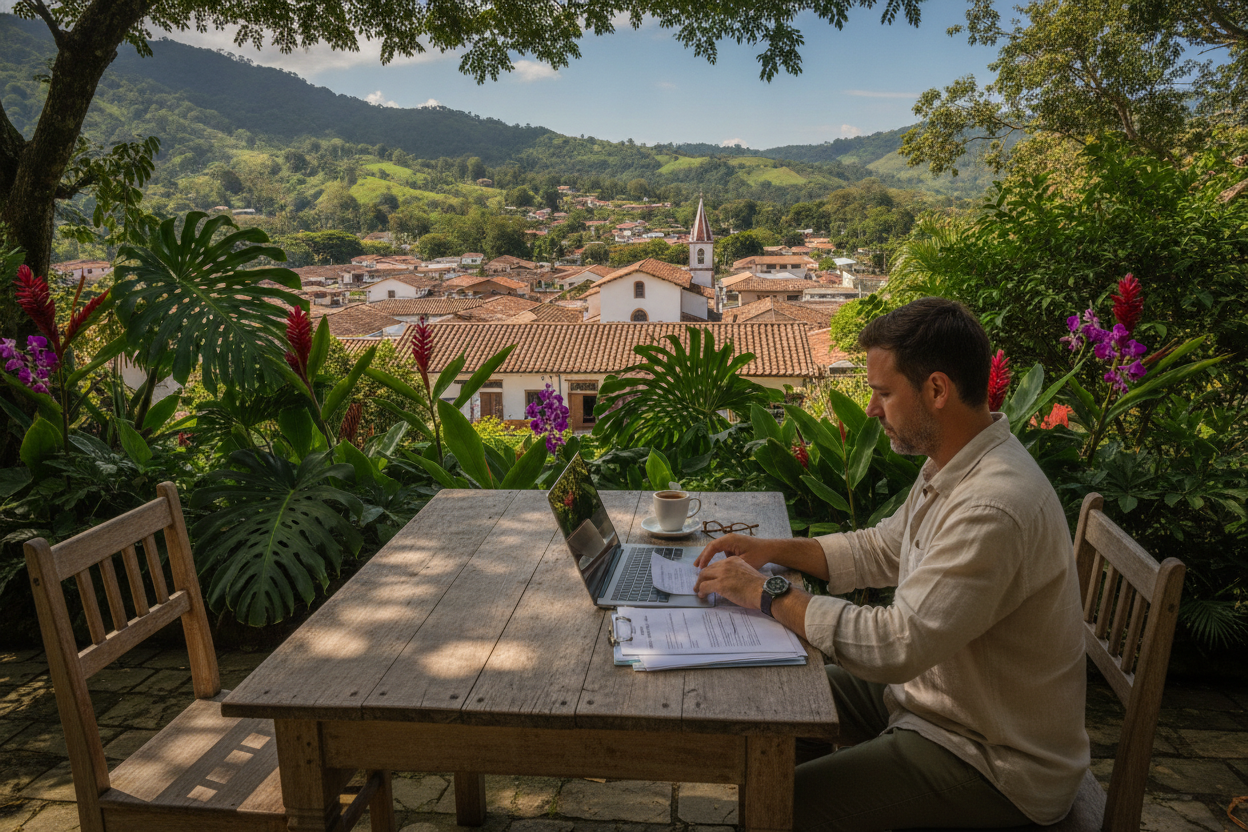
Costa Rica is a popular choice for those looking to start anew in a vibrant, welcoming environment. Understanding the residency approval time in Costa Rica is crucial for anyone planning this exciting transition. Our guide aims to provide clear and factual information to help you navigate the often complex residency application process.
Proper preparation is key to ensuring a smooth experience with immigration authorities. We emphasize the importance of having all necessary documents ready before you embark on your journey toward legal residency. By following our guidelines, you can better manage your expectations regarding the timeline and requirements for your specific situation.
As you consider moving to this beautiful Central American country, let us assist you in securing your legal status. With the right information and preparation, your dream of living in Costa Rica can become a reality.
Understanding Costa Rica Residency and Immigration Options
For many, Costa Rica represents an ideal destination for a fresh start in a lively and friendly setting. The country offers various residency types, each catering to different financial situations and lifestyle choices. Understanding these options is essential for anyone considering a move.
One popular choice is the Pensionado residency, which requires a lifetime pension of at least US $1,000 per month from a recognized institution. Alternatively, the Rentista residency demands proof of a minimum foreign income of US $2,500 per month or a $60,000 Certificate of Deposit.
For those looking to invest, the Inversionista residency is available to individuals making a minimum investment of US $200,000 in a Costa Rican asset or business. Initially, most applicants receive temporary residency, which can lead to permanent residency after three years.
It’s important to note that immigration refers to the broader process of entering and settling in a new country, while residency is the specific legal status you obtain. Choosing the right category that fits your financial situation is crucial for a successful application. For more details, check out the benefits of Costa Rica residency.
Key Factors Affecting Residency Approval Time in Costa Rica
Navigating the residency process in Costa Rica requires an understanding of various key factors. One of the most critical aspects is ensuring that all documents are prepared correctly. All foreign documents must be issued within the last six months prior to filing to be accepted by the immigration office.
Mandatory requirements include birth certificates and criminal background checks for almost every residency category. Proper authentication, such as apostilles or legalization, is also essential for all foreign-issued paperwork. Furthermore, ensuring that every document is translated into Spanish by an official translator is a key requirement for a successful submission.
Incomplete applications can significantly delay the approval process. Authorities only process files once all requirements are fully met. Thus, we advise against filing incomplete applications, as this often results in longer wait times for the final decision.
Step-by-Step Process for Filing Your Residency Application

Embarking on the journey to residency in Costa Rica involves a detailed and structured approach. The application process begins with gathering essential documents. You will need your birth certificate, a criminal background check, and a marriage license if applicable.
Once you have authenticated these documents, the next step is to submit your residency application to the Dirección General de Migración y Extranjería. It’s crucial to have a valid passport with at least six months of validity to initiate the formal residency application process.
After submission, you will receive a file number. This number serves as proof of your pending status while the authorities review your documents. Following up on your application is essential, as active management helps ensure all requirements are satisfied.
Many applicants find that having a professional guide aids in navigating the submission of their birth certificate and other records. Additionally, the marriage certificate must be properly apostilled or legalized, depending on the country of origin, to be valid in Costa Rica.
Maintaining a clear record of your submission and any subsequent correspondence is vital for tracking your residency progress. For more information on the marriage visa process, visit this link.
residency-approval-time-costa-rica: Timelines and What to Expect
Understanding the timeline for residency in Costa Rica is essential for potential applicants. The minimum duration for the residency process is currently estimated to be between 6-12 months after filing complete documents. This timeframe can vary significantly based on individual circumstances.
Processing times fluctuate due to the volume of applications and the complexity of each case. For instance, Pensionado applicants must demonstrate a minimum income of US $1,000 per month, while Rentista applicants need to show a foreign income of at least US $2,500 per month. Additionally, Inversionista residency requires a minimum investment of US $200,000, which plays a crucial role in the approval process.
External factors, such as changes in immigration policy or administrative backlogs, can also impact the overall residency approval time in Costa Rica. We have observed that consistent follow-up by a specialized attorney can help mitigate delays during the 6-12 month waiting period.
Managing Your Stay While Awaiting Approval
While you await your residency approval in Costa Rica, it’s essential to manage your stay effectively. Once your application is filed, your status changes from tourist to residency applicant. This change allows you to remain in the country legally.
The government of Costa Rica permits residency applicants to stay while waiting for final approval. However, you must ensure your tourist visa remains valid until your residency application is officially filed.
During this waiting period, you are not restricted from traveling. Just remember to follow all local immigration regulations. Many of our clients choose to stay in Costa Rica to enjoy the local lifestyle during this time.
It’s important to note that having a pending application does not grant you the same rights as a fully approved resident. Therefore, plan your stay carefully, as processing times can vary significantly.
Staying legally in Costa Rica requires patience and adherence to the rules set forth by immigration authorities. This approach will help you navigate your temporary residency period smoothly.
Common Challenges in the Residency Approval Process

Many applicants encounter various hurdles during the residency approval process in Costa Rica. Delays often arise from incomplete documentation or failing to meet specific requirements. A single missing document can significantly impact the overall application time.
Navigating bureaucratic hurdles requires a deep understanding of the local immigration system. Inconsistent application of rules by immigration officials can create challenges that may need professional guidance to resolve effectively. We have seen cases where applicants faced issues due to improperly authenticated foreign documents.
Understanding the specific requirements for your residency category is crucial. This knowledge helps avoid common pitfalls and administrative delays. If your application is denied due to a technicality, you may have to restart the entire process, which can be frustrating.
How We Assist: CRIE’s 20+ Years of Residency Guidance
For over two decades, we have been guiding individuals and families through the complexities of obtaining residency in Costa Rica. Our dedicated team focuses on providing personalized case assessments, helping you understand your options for securing Costa Rican residency.
We have successfully processed hundreds of residency applications for people from various nationalities. Our approach is rooted in delivering factual information, allowing you to make informed decisions about your immigration journey.
We do not act as a government agency, but our expert guidance simplifies the complex immigration system. Every case is unique, influenced by nationality, family situation, and immigration history. We analyze these factors during our assessment to ensure you understand the requirements for your specific residency path.
Our goal is to support you in managing your residency application from start to finish. For personalized guidance and pricing, feel free to contact us. You can reach Johanna Alvarez, our immigration expert, at WhatsApp +506 8706 3888 or via email at info@crie.cr.
Tips for a Smooth and Efficient Application Process
Preparing for your residency application in Costa Rica can be streamlined with a clear checklist. Begin by gathering essential documents such as your birth certificate, marriage license, and passport. This ensures nothing is forgotten during the process.
It’s vital to verify that your name is consistent across all documents. Discrepancies can lead to significant delays in your application. Additionally, obtain your criminal background check and ensure it is properly apostilled or legalized before you leave your home country.
Keep a copy of every document you submit. Having proof of your records is essential for a smooth process. Ensure your passport has at least six months of validity remaining, as this is a standard requirement for all applicants.
Use an official translator for all your documents to avoid issues with immigration authorities. Also, double-check that your marriage certificate is current, as some countries issue documents that expire after only two months.
Finally, organize your files by category. This will make the submission process more efficient when you meet with immigration officials.
Understanding Unique Case Considerations and Expectations
Every individual’s journey toward residency in Costa Rica is shaped by personal circumstances and expectations. This means that your timeline for approval will vary based on your specific situation and the residency category you choose.
Living in Costa Rica while waiting for your residency approval requires flexibility. You should be prepared for potential delays, as the immigration process can be unpredictable. Some applicants may eventually apply for permanent residency after maintaining their temporary status for at least three years.
Your nationality can also influence the processing time and requirements for obtaining your residency card. It is crucial to manage your expectations during this time. We are here to help you adjust your plans based on the current realities of the immigration process in Costa Rica.
Understanding that your residency journey is a long-term commitment will help you stay focused on your goals. We provide guidance to navigate the complexities of your specific case, ensuring you are prepared for every step.
Start Your Journey: Contact CRIE for Personalized Residency Support
Taking the first step towards Costa Rican residency can be an exciting adventure. We invite you to reach out to our expert, Johanna Alvarez, for a personalized assessment of your immigration needs.
You can connect with us via WhatsApp at +506 8706 3888 or email info@crie.cr. Our team at CRIE has over 20 years of experience guiding individuals through the complexities of the residency application process.
Whether you are interested in investment, pension, or other residency options, we provide the necessary guidance to help you move forward with confidence. Visit our website at crie.cr to learn more about our services.
We understand that every case is unique, and we are here to support you in achieving your residency goals. Contact us today to start your journey towards living in Costa Rica.
FAQ
What documents do we need to apply for residency in Costa Rica?
How long does the residency application process take?
Can we work while our residency application is being processed?
What are the differences between temporary and permanent residency?
What can cause delays in the residency approval process?
How can we maintain our legal status while waiting for residency approval?
What should we do if our residency application is denied?
How can CRIE assist us in the residency application process?
Article by Glenn Tellier (Founder of CRIE and Grupo Gap)
Don't wait, contact us right now!
Call or WhatsApp Costa Rica +506 8373 2085 or +506 8706 3888
Call USA/Canada +1 305-906-6784