
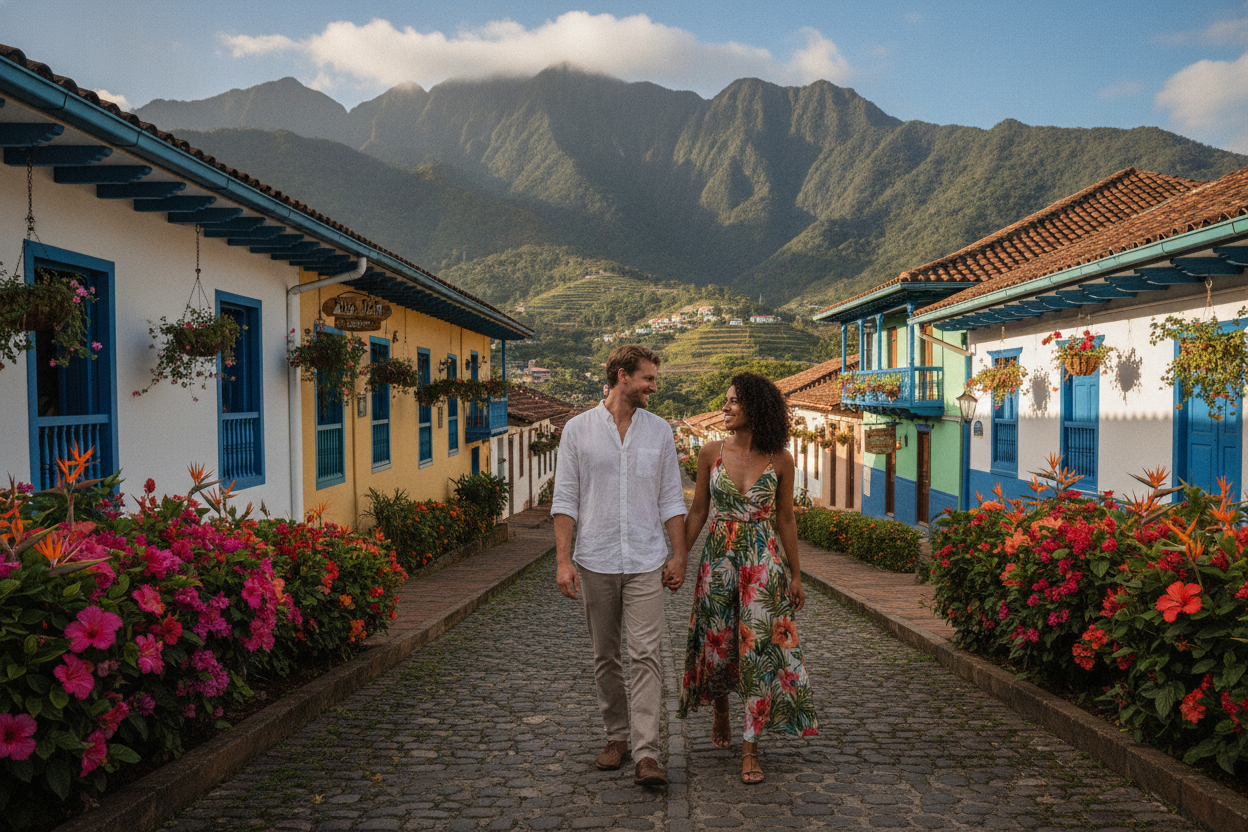
Costa Rica has become a favored destination for many looking to start anew. For those wishing to establish a permanent home, the process of obtaining residency through marriage is a crucial step. This pathway allows individuals to build a life in this beautiful country, surrounded by stunning landscapes and a vibrant culture.
In this guide, we will explore the essential steps for securing residency through marriage in Costa Rica. Understanding the legal framework is vital, as each application depends on factors like nationality and individual immigration history. We aim to provide clear insights into the requirements, ensuring you are well-informed as you navigate this journey.
By being knowledgeable about the process, you can approach your quest for legal residency with confidence. Join us as we delve into the specifics of this important milestone for many foreign nationals.
Getting Started with Residency Through Marriage
For many, the allure of Costa Rica lies in its welcoming atmosphere and vibrant culture. One of the most recognized pathways for foreigners to gain legal status is through marriage to a Costa Rican citizen. This process is not just about love; it signifies a formal commitment to the country.
Entering into marriage reflects the values and norms of the local population. It requires careful planning and the gathering of necessary documentation. Many dream of living in Costa Rica, and marriage provides a structured way to achieve that goal legally.
Understanding the legal obligations that accompany this significant life milestone is crucial. By being informed, we can navigate the residency process with confidence and clarity.
Understanding the Costa Rican Immigration Landscape
Costa Rica stands out as a prime destination for those wanting to embark on a new journey. The immigration landscape here is shaped by specific laws that govern how foreign nationals can gain residency. It is crucial to understand these regulations to ensure a smooth transition from tourist to resident.
There are five main pathways for obtaining residency in Costa Rica. These include options for retirees, individuals with fixed income, investors, foreign workers, and spouses of Costa Rican citizens. Each pathway has its own set of requirements that must be met.
Adhering to the legal framework is essential. Applicants must follow the procedures established by the Costa Rican government. By understanding these requirements, we can navigate the immigration system effectively and work towards achieving our residency goals.
residency-through-marriage-costa-rica: What You Need to Know
The charm of Costa Rica attracts countless individuals seeking a fresh start. One of the most significant aspects of this journey is understanding the residency process through marriage. This pathway provides a structured approach to living in this beautiful country.
Initially, residency through marriage grants temporary residency valid for one year. This status can be renewed annually for up to three years. After this period, applicants become eligible for permanent residency, allowing them to fully embrace life in Costa Rica.
It’s important to note that while marriage is a vital step, it does not guarantee immediate citizenship. The application process for citizenship can take between 10 to 18 months for review by the Supreme Electorate Court. During this time, maintaining legal status through timely renewals is essential.
To learn more about the residency process and the requirements, visit this guide.
Essential Documents and Paperwork Preparation
Navigating the residency process in Costa Rica requires careful attention to documentation. The first step involves obtaining essential documents such as your birth certificate and background check. Both of these documents must be apostilled to be valid in Costa Rica.
The apostille serves as an authentication method under the 1961 Hague Convention. This ensures that your documents are recognized in both the United States and Costa Rica. Remember, these documents typically have a validity of only six months when applying for residency, making timing critical.
We recommend using electronic submission via USPS for your FBI background check. This method is faster than mailing physical copies. Ensuring that every document meets Costa Rican standards is vital for a smooth application process.
Navigating Interviews and Legal Procedures
Embarking on a new chapter in Costa Rica can be an exciting journey. Couples must navigate various legal procedures to ensure their marriage is recognized. The first step is registering your marriage at the Civil Registry of Costa Rica. This step is crucial for your application process.
During the application, fingerprinting at the Ministry of Security is required. This verifies the identity of the foreign spouse and is an essential part of the residency process. Preparing for interviews is also important. You may be asked questions about your relationship and your time spent in Costa Rica.
Once your application is approved, you will receive your DIMEX card. This card serves as your official identification as a resident in Costa Rica. It is important to provide photographic proof of your relationship and other required documents during your appointment. By being well-prepared, you can navigate these procedures with confidence.
Expert Insights: CRIE’s 20+ Years of Experience

With over two decades of experience, CRIE has become a trusted ally for those seeking residency in Costa Rica. Our extensive knowledge allows us to simplify the complex immigration process for individuals and families.
We have spent years helping people understand the nuances of immigration laws. This ensures they are prepared for every procedural step involved in securing residency.
By leveraging our long-standing history, we provide support that helps applicants manage their documentation with greater confidence. Our focus remains on delivering clear, factual information to help you understand the requirements for living in this beautiful country.
- For over 20 years, CRIE has helped individuals and families navigate the complex landscape of residency and immigration in Costa Rica.
- Our extensive experience allows us to offer practical insights into the requirements for those marrying a Costa Rican citizen today.
- We have spent years helping people understand the nuances of immigration laws, ensuring they are prepared for every procedural step.
- By leveraging our long-standing history, we provide support that helps applicants manage their documentation and residency status with greater confidence.
- Our focus remains on delivering clear, factual information to help you understand the requirements for living in this beautiful country.
Common Challenges and Practical Solutions
The journey to residency in Costa Rica can present various challenges for applicants. One significant issue is document expiration, as the application process can take between 10 and 18 months. This lengthy timeline can lead to crucial documents expiring before your application is resolved.
Being proactive about re-ordering documents that may expire during this review period is essential for a successful outcome. We provide practical advice on managing your application to avoid bureaucratic hurdles that could cause administrative delays in Costa Rica.
Patience and organization are key in this journey. You must keep track of expiration dates for all your submitted records. Our team helps you navigate these challenges, ensuring that your application remains on track despite potential changes in immigration procedures.
Integrating into Costa Rican Life Post-Residency
Integrating into life in Costa Rica can be a rewarding experience for new residents. Embracing the local culture is essential for a smooth transition. Costa Rica allows dual citizenship, meaning you can keep your original nationality while enjoying your new rights as a citizen.
Achieving citizenship opens up opportunities to participate fully in the community. You gain the right to vote in elections and even run for public office. Once you become a citizen, applying for a Costa Rican passport simplifies travel and access to social services.
Engaging with the local community is vital for any new resident. This connection helps you adapt and feel at home in your new environment. Additionally, citizenship grants the right to work legally in Costa Rica without needing a separate work permit, simplifying your career path.
Begin Your Journey with CRIE – Let’s Get Started!
Choosing Costa Rica as your new home can be a transformative experience filled with promise. At CRIE, we understand that every case is unique. Factors like nationality, family situation, and documentation play a crucial role in your journey.
For personalized guidance, please contact Johanna Alvarez, our CRIE immigration expert, via WhatsApp at +506 8706 3888. You can also reach us by emailing info@crie.cr or visiting our website at crie.cr for more information.
We are dedicated to helping you understand the requirements for Costa Rican citizenship. Our team provides the support you need to navigate the complexities of immigration, ensuring the best chance for a successful outcome.
FAQ
What are the requirements for obtaining residency through marriage in Costa Rica?
How long does the residency application process take?
What types of residency can we apply for through marriage?
Do we need to attend an interview for the residency application?
What documents are essential for the residency application?
Can we work in Costa Rica while our residency application is pending?
How can we ensure our application is successful?
What should we do if our residency application is denied?
Article by Glenn Tellier (Founder of CRIE and Grupo Gap)
Don't wait, contact us right now!
Call or WhatsApp Costa Rica +506 8373 2085 or +506 8706 3888
Call USA/Canada +1 305-906-6784