
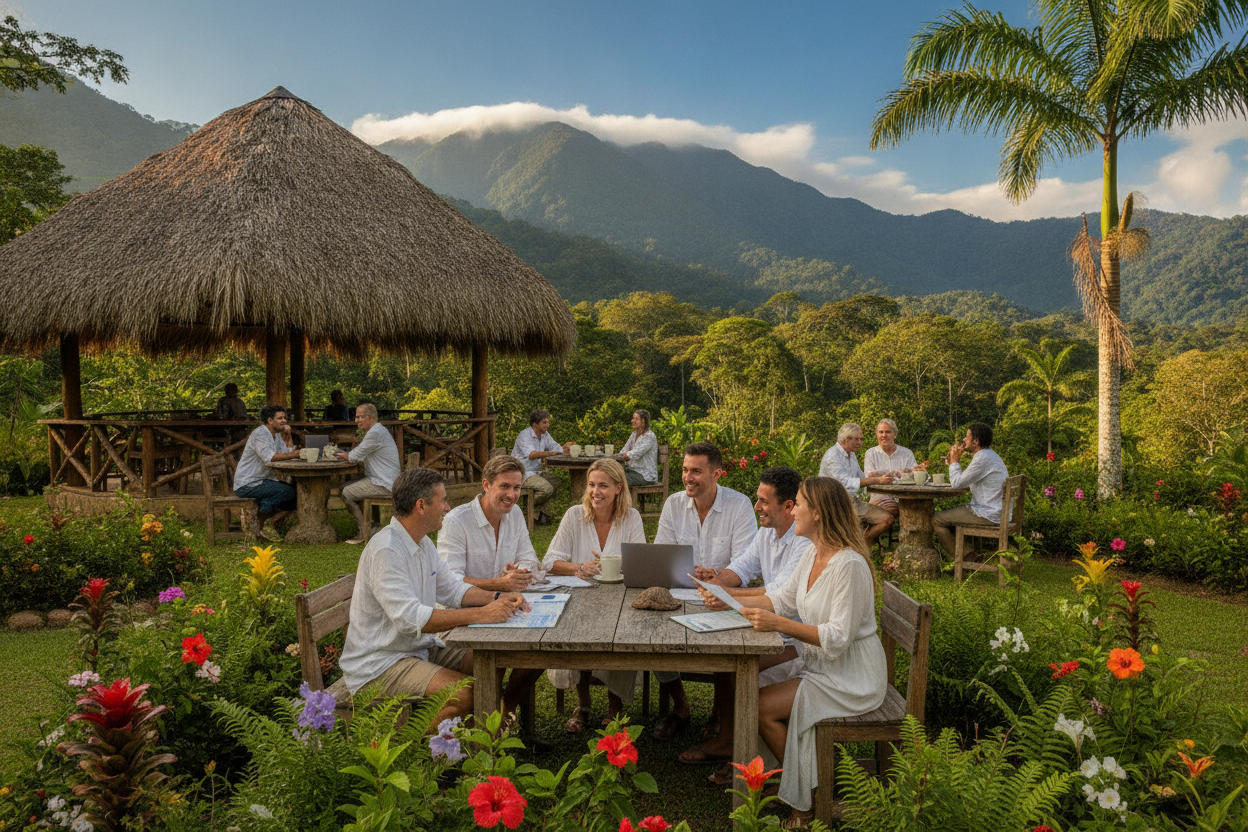
Welcome to our guide on obtaining residency in this beautiful Central American nation. Costa Rica is renowned for its stunning landscapes, vibrant culture, and commitment to social welfare. It is the first country in the world to constitutionally abolish its army, focusing instead on education and healthcare.
Many people seek to understand the residency process to enjoy the benefits of living in a stable democracy. With its high human development index, Costa Rica ranks as one of the happiest and greenest countries globally. This makes it an attractive destination for those looking to relocate.
In this guide, we aim to clarify the legal pathways available for moving from a tourist to a long-term resident. Whether you are planning a peaceful retirement or a new business venture, understanding the requirements for residency is essential. We are here to help you navigate this journey with confidence.
Understanding Costa Rican Residency Options
Exploring residency options in this enchanting Central American country is essential for future residents. There are three primary pathways: Pensionado, Rentista, and Inversionista. Each offers unique benefits and requirements that cater to different needs.
The Pensionado program is tailored for retirees. Applicants must show a monthly income of at least US$1,000 from a pension fund. This ensures a stable financial base for living in Costa Rica.
For those with stable unearned income, the Rentista category is available. It requires proof of US$2,500 per month for five years, often supported by a bank certificate of deposit. This pathway is ideal for individuals who can sustain themselves without a traditional job.
The Inversionista residency is for those looking to invest in the local economy. A minimum investment of US$200,000 in a Costa Rican business or project is necessary. Understanding these residency types is crucial for a smooth transition.
Initially, most applicants receive temporary residency. This status must be renewed periodically before applying for permanent residency. Knowing the specific requirements for each type is essential for success.
Key Considerations for Immigration and Residency
Navigating the immigration laws in Costa Rica is essential for anyone considering residency. The Costa Rican Immigration Law mandates that individuals from certain nationalities may need to apply for a restricted visa directly from the Director of Immigration.
Fortunately, the Political Constitution of Costa Rica ensures equal rights for all people. This means that the country does not differentiate between nationalities when it comes to residency eligibility.
Here are some important factors to consider:
- Consult the current Costa Rican immigration regulations to see if your nationality requires a consular or restricted entry visa.
- The legal framework is designed to be inclusive, guaranteeing equal rights regardless of origin.
- Eligibility often hinges on meeting financial thresholds, which vary by residency category.
- Each case is unique; your immigration history may affect the complexity and approval time of your application.
- By following the established law, you can ensure a smooth transition to living in the country.
how-to-get-residency-costa-rica: Your Essential Guide
Gaining residency in this beautiful country involves navigating a detailed process that is essential for new residents. The residency journey typically starts with gathering necessary documents such as birth certificates, police records, and marriage licenses. These documents must be apostilled or legalized to meet Costa Rican requirements.
It’s important to note that all foreign documents should be issued within the last six months prior to filing. Additionally, they must be translated into Spanish by a court-approved translator. This attention to detail can significantly impact the success of your application.
We recommend starting your preparation early. Obtaining apostilles and police records from your home country can take several months, depending on local government processing times. By following a structured approach, you can avoid common pitfalls that often delay the approval of your application.
Our goal is to provide you with the factual information needed to manage your expectations and successfully navigate the administrative requirements of the residency system.
CRIE’s Legacy in Residency and Immigration Support
For over two decades, we have been committed to assisting individuals and families in their journey towards residency in Costa Rica. Our specialized services focus exclusively on residency and immigration, ensuring that clients receive the most accurate guidance throughout their application process.
Here are some key highlights of our experience:
- We have successfully helped countless individuals and families navigate the complexities of the residency process in Costa Rica.
- Our long-standing experience allows us to understand the nuances of the Costa Rican system, helping clients avoid common mistakes during their application.
- We pride ourselves on our practical approach, offering clear and friendly English-language support to help you achieve your goal of living in this beautiful country.
- It is important to note that we are not a law firm or a government agency, but rather a dedicated provider of residency and immigration support services.
With our extensive background, we are here to make your transition as smooth as possible. For more information on working while holding residency, check out this resource.
Preparing Your Documentation for Costa Rican Residency
The journey to residency begins with careful preparation of essential documents. Every applicant must ensure that their paperwork is complete and accurate.
Foreign documents must be notarized, apostilled by the Secretary of State or Foreign Affairs office, and authenticated by a Costa Rican Consulate. This step is crucial for a successful application.
Notarization, Apostille, and Translation Requirements
Preparing your documents is the most critical phase of the application. A single missing document or an expired police record can significantly delay your residency application. We recommend verifying all requirements with our team early on.
All foreign documents must be translated into Spanish by a court-approved translator in Costa Rica to be accepted by immigration authorities.
Gathering Essential Personal and Financial Records
You must gather essential personal records, including birth certificates for every family member and a valid police background check from your last place of residency. We help you coordinate the authentication of each document, ensuring that your file meets the strict standards required for a successful residency application in Costa Rica.
Navigating the Application Process in Costa Rica
The path to becoming a resident in this stunning region involves a series of important steps. The application process begins once you have arrived in the country and filed your completed paperwork with the immigration authorities in Costa Rica.
Upon filing, your status officially changes from a tourist to a residency applicant. This allows you to legally remain in the country while your case is processed. We advise against arriving in the country without prior preparation, as the process to retrieve and authenticate all necessary documents can take at least two months.
During the processing time, you should expect to visit the Ministry of Public Security to provide fingerprints as part of the standard Costa Rican immigration procedure. Maintaining your legal entry status is crucial, so ensure your tourist visa is up-to-date until your residency application has been formally submitted and acknowledged.
Understanding Residency Timeframes and Commitments
Understanding the timeline for residency applications in Costa Rica is crucial for prospective residents. The approval process generally takes between 6 to 12 months after all documents are filed. This timeframe can vary based on the number of applications and the specifics of each case.
Once you hold temporary residency, you must maintain this status for at least 3 years before you can apply for permanent residency. We encourage our clients to be patient during this waiting period. Government authorities carefully review each application to ensure compliance with the law.
While awaiting your residency card, you are allowed to remain in the country, provided your initial entry was legal. Understanding these timeframes is essential for your long-term planning. It helps you manage expectations regarding when you will receive your official residency ID.
Cost Considerations for Residency Applications
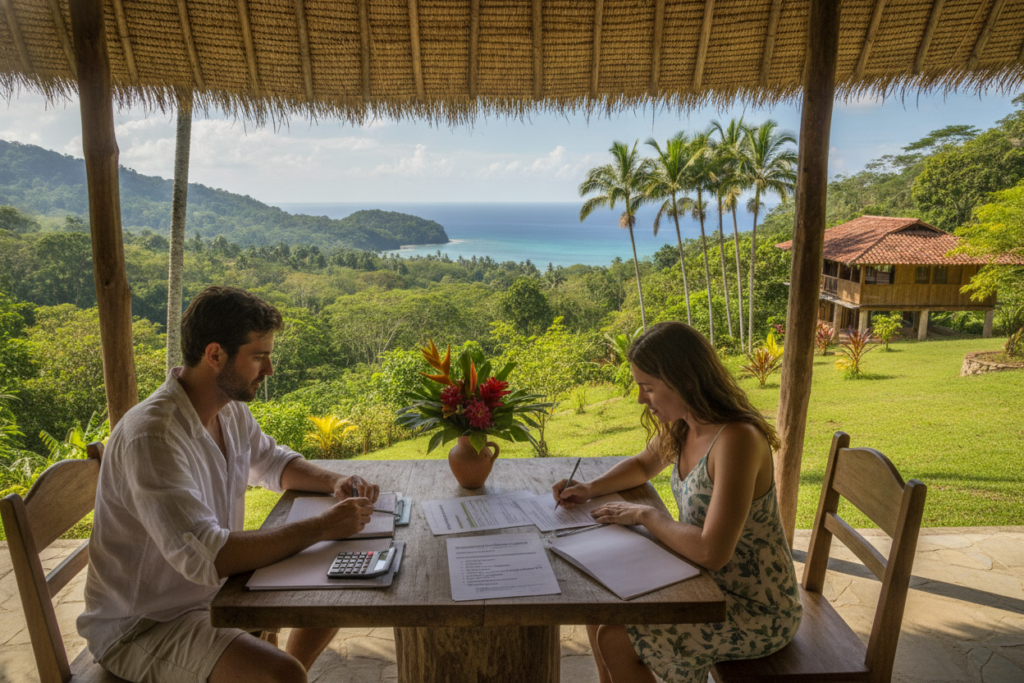
Understanding the financial aspects of residency applications is crucial for anyone looking to move to this vibrant nation. The costs associated with residency can add up quickly, so budgeting is essential.
When budgeting for your move, you must account for government application fees, which are a standard part of the residency process in Costa Rica. Additionally, a refundable deportation security deposit is required to ensure you remain in good standing with immigration authorities.
It’s also important to consider ancillary expenses. Professional translation services and document authentication fees should be included in your total budget to avoid any financial surprises. Once your residency is approved, you will be required to contribute to the Caja Costarricense de Seguro Social (CCSS), calculated based on your declared monthly income.
We provide guidance on these costs to help you prepare a realistic budget, ensuring you have the necessary funds to cover all aspects of your residency application.
Assets and Investments: Exploring Investor Residency Options
Investing in Costa Rica can be a pathway to residency, especially for entrepreneurs. The Inversionista residency requires a minimum investment of US$200,000 in a business or project that benefits the local economy.
This residency option is popular among those who wish to start a business in Costa Rica while securing their legal status. To qualify, you must invest in a tangible asset or a productive project that is considered to be of national interest.
Your business plan must be well-documented, and you will need CPA certifications to demonstrate that your investment is active and contributing to the economy. This residency category is designed for individuals committed to the long-term growth of their business and the local community.
We assist you in understanding the financial requirements for this pathway, ensuring your investment is structured correctly to meet the criteria for residency approval.
Tips for Families and Dependents in the Residency Process
Families looking to establish residency in this vibrant country can benefit from specific programs designed for dependents. The Pensionado and Rentista residency programs allow the main applicant to include their spouse and children under the age of 25 under one income.
It’s essential to remember that while applications are linked, each family member’s residency is processed individually by the immigration authorities. You will need to provide birth certificates for all children and a marriage license if your spouse is also applying for residency status.
We help families coordinate their documentation to ensure that everyone is included correctly. This minimizes the stress of the application process for your loved ones. Planning for your family’s future in the country is a rewarding experience, and we are here to ensure that your transition is as smooth as possible.
For more information on residency options for families, visit this resource.
Staying Legal: Maintaining Your Temporary Status
To maintain your residency status in Costa Rica, understanding the renewal process is crucial. Temporary residency must be renewed annually. During this renewal, you must provide proof of continued income or investment to maintain your status.
Additionally, residents are required to contribute to the Caja Costarricense de Seguro Social (CCSS). This contribution is vital for your legal standing within the healthcare system.
Renewal Requirements and Compliance Tips
Here are some key points to remember:
- Annual renewals are necessary to demonstrate that you still meet the financial requirements of your residency category.
- Stay compliant with the Costa Rican social security system by making regular contributions to the CCSS.
- We offer tips on managing your residency while living in the country, keeping you informed about any changes to immigration regulations.
- Maintaining your residency status is essential for your long-term ability to live and work in Costa Rica without interruptions.
- Our team assists you in tracking renewal dates, ensuring full compliance with immigration authorities at all times.
For more information on traveling during the residency process, visit this resource.
Additional Resources for Residency Preparation
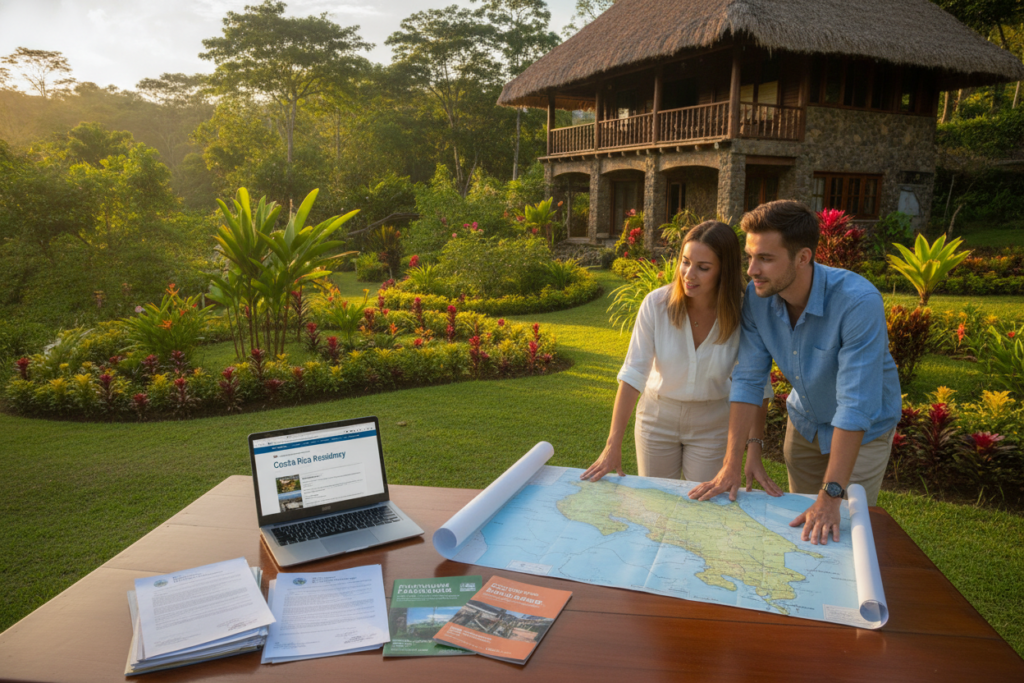
The journey to residency in Costa Rica can be smoother with the right resources and checklists at your disposal. We provide essential tools to help you organize your documents effectively. This ensures that you have everything required for a successful residency application.
Practical guides are available to assist you with the “Hoja de Filiacion” and other mandatory forms. These forms must be submitted to the immigration office to avoid delays.
You may also need to register with your embassy in the country. Our resources explain how to complete this process efficiently and correctly.
Staying organized with your paperwork is the best way to ensure your residency application moves forward without unnecessary delays. Our goal is to provide you with the tools you need to feel confident and prepared throughout every stage of your residency journey.
Your Next Steps with CRIE for Personalized Advice
If you’re considering a move to this stunning nation, we are here to guide you through the residency process. For personalized advice and pricing information, reach out to our immigration expert, Johanna Alvarez.
You can connect with us via WhatsApp at +506 8706 3888 to discuss your specific situation and learn more about our residency support services. Our team is dedicated to helping you navigate the complexities of residency in Costa Rica.
For detailed inquiries, feel free to send an email to info@crie.cr. We are ready to assist you with any questions regarding your application.
Visit our website at crie.cr to explore additional resources and understand how we can support you in your residency journey. We look forward to helping you achieve your goal of living in this beautiful country with the professional support you deserve.
Begin Your Residency Journey Today
Embarking on your journey to residency opens doors to a vibrant life in this Central American paradise. Starting your residency journey today is the first step toward becoming eligible for Costa Rican citizenship after 7 years of legal residency.
If you are married to a Costa Rican citizen, you may qualify for Rican citizenship after just 5 years of continuous legal residency. We are committed to helping you navigate the path from temporary residency to permanent status and, if you choose, eventually to full citizenship.
The process of obtaining Costa Rican citizenship is a significant milestone. It offers voting rights and the ability to hold a local passport. Contact us today to start your application and take the first step toward your new life in the beautiful country of Costa Rica.
FAQ
What are the different types of residency available in Costa Rica?
How long does the residency application process take?
What documents do we need to submit for residency?
Can we include our children in our residency application?
What are the costs associated with applying for residency?
How do we maintain our residency status once approved?
Is it possible to work in Costa Rica with residency?
What happens if we want to leave Costa Rica for an extended period?
Are there any specific health insurance requirements for residency?
How can we seek assistance during the residency application process?
Article by Glenn Tellier (Founder of CRIE and Grupo Gap)
Don't wait, contact us right now!
Call or WhatsApp Costa Rica +506 8373 2085 or +506 8706 3888
Call USA/Canada +1 305-906-6784