
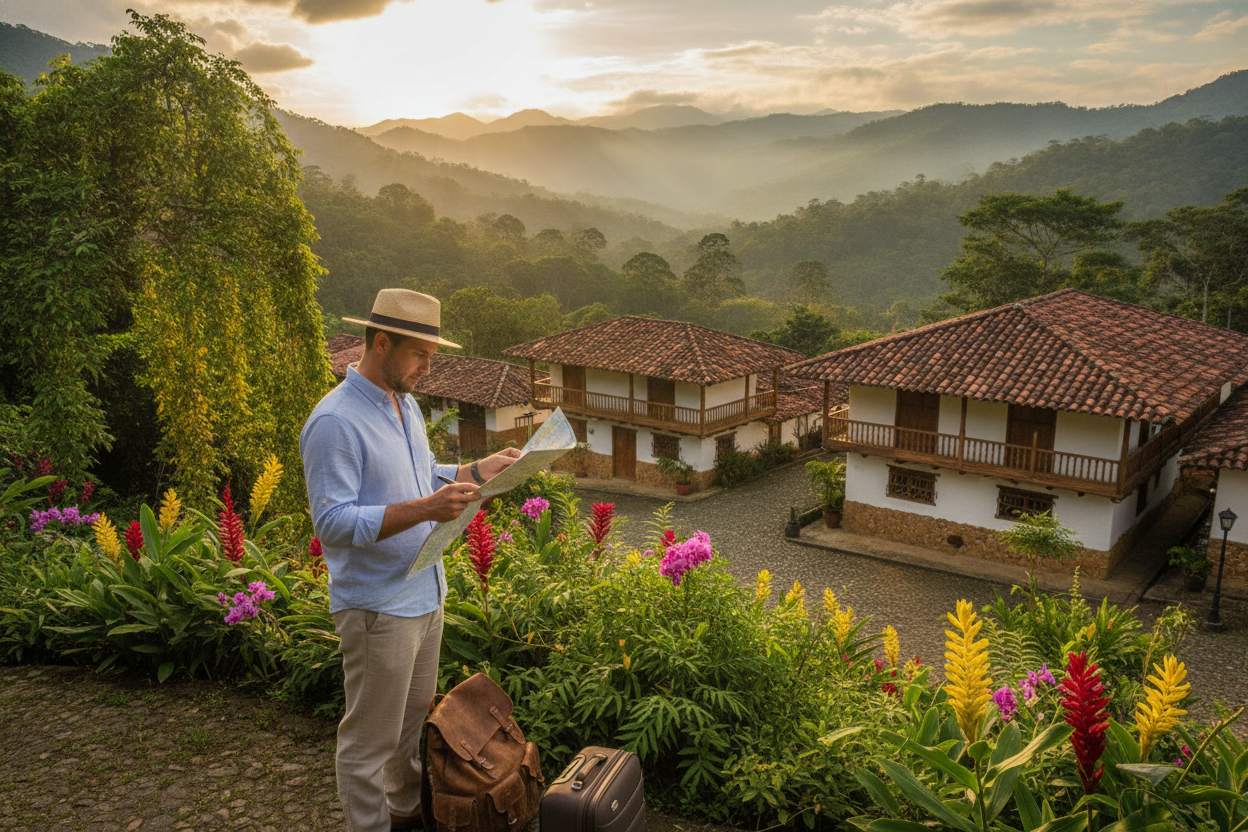
Many individuals and families are drawn to the vibrant culture and stunning landscapes of Costa Rica. For over 20 years, CRIE has guided applicants through the intricate residency process. This journey requires careful navigation of legal steps, and many wonder about their ability to travel during this time.
Understanding your immigration status is crucial. Each month of the application process demands attention to detail, especially regarding your entry stamp. A valid passport is necessary for entering the country, and the rules surrounding your residency application can affect your travel plans.
Whether you are a tourist or preparing to become a resident, knowing how to manage your documents is essential. We aim to provide clear information to help you transition smoothly. For more details on this topic, check out our guide on travel during the residency process.
Understanding the Costa Rican Residency Process

The allure of Costa Rica’s rich culture and breathtaking scenery captivates many. Navigating the residency and immigration process can be complex, but understanding the basics is essential. Under Law 8764, the Costa Rican government provides clear pathways for foreigners seeking legal residency.
There are various residency categories, including Pensionado, Rentista, and Inversionista. Each category has specific requirements that applicants must meet. You will need to submit essential documents like your birth certificate and criminal record to the immigration authorities.
Once your residency is approved, be aware that your foreign driver’s license will no longer be valid. Additionally, maintaining your immigration status requires compliance with certain rules, such as contributing to the social security system known as CAJA.
If you plan to leave the country during your application process, ensure your documents are in order. This will help avoid complications with your residency application.
can-you-travel-while-costa-rica-residency-is-pending: Essential Travel Considerations
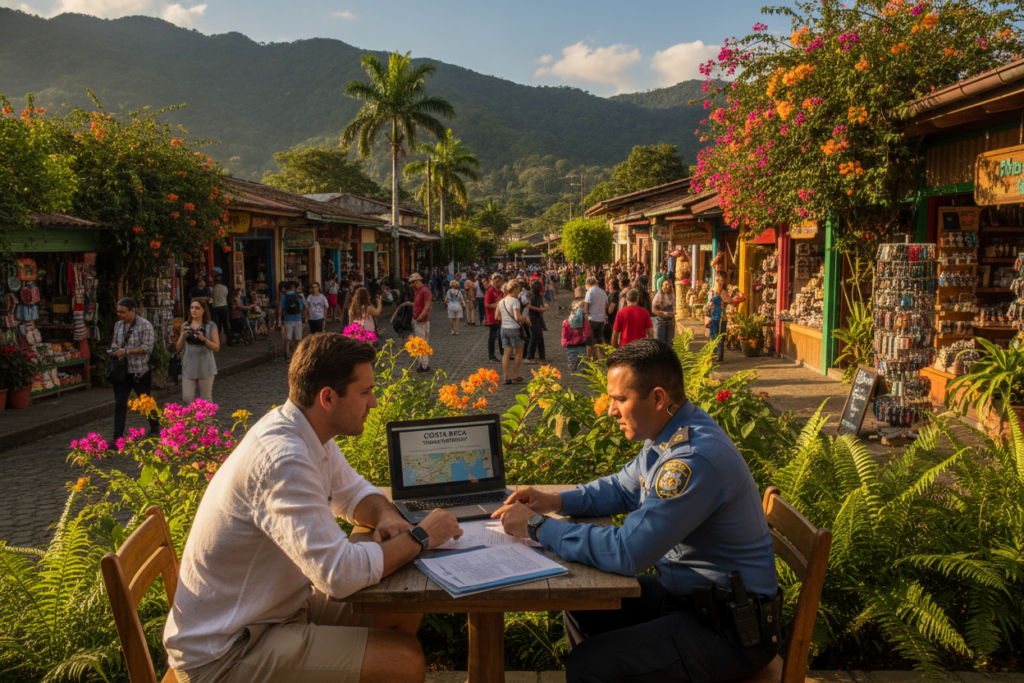
Costa Rica’s unique charm captivates those looking to immerse themselves in its culture. For individuals awaiting residency approval, understanding your travel status is crucial. When you are “en tramite,” you are in an intermediate stage where you have applied for a change of status from tourist to resident.
This status allows you to stay in Costa Rica beyond your initial tourist visa. It provides a legal buffer while the immigration office processes your application. Although you are not yet a full resident, the law protects you from penalties due to administrative delays in processing.
Be mindful that your entry stamp and visa category are secondary to the fact that your residency application is in process. If you decide to leave the country, remember that your “en tramite” status is what allows you to remain in Costa Rica legally.
Always keep your documents and proof of your residency application handy. These are essential when crossing the border or interacting with officials. For more details on document validity, check out our guide on Costa Rica residency document validity rules.
Navigating Required Documents and Practical Travel Tips
The breathtaking beauty and diverse ecosystems of Costa Rica attract many to explore its wonders. As you navigate your residency application, it’s essential to have your documents in order. You will need to provide a criminal record and a birth certificate, both of which must be apostilled and translated by a certified translator.
When considering travel, be aware of the border and entry requirements. If you overstay your tourist visa, a fine of $100 is charged for every month of irregular stay. Moreover, failure to pay these fines can lead to a ban from re-entry for three times the duration of your overstay.
Managing your tourist visa timelines is critical. When you submit your residency application, a $200 fee is required for changing your immigration status. Keeping your paperwork organized is vital, as immigration police actively enforce these rules at airports.
For more assistance with your residency journey, check out our residency support services.
Next Steps for a Smooth Residency Journey
The vibrant spirit of Costa Rica invites many to explore its rich opportunities. Navigating the residency process requires careful planning and attention to your chosen immigration category.
We recommend keeping all your documents, including your entry stamp and application receipts, in a secure location throughout your journey. Each case is unique, depending on nationality, family situation, and immigration history.
Personalized guidance is invaluable for a smooth experience. For specific pricing and to discuss your next steps, please contact Johanna Alvarez, our immigration expert at CRIE. You can reach out via WhatsApp at +506 8706 3888, email us at info@crie.cr, or visit our website at crie.cr for more information.
FAQ
Can we travel outside of Costa Rica while our residency application is being processed?
What happens to our residency application if we leave the country?
Do we need specific documents to travel while our residency is pending?
How long can we stay outside of Costa Rica while our residency is being processed?
What should we do if our tourist visa is about to expire while waiting for residency?
Article by Glenn Tellier (Founder of CRIE and Grupo Gap)
Don't wait, contact us right now!
Call or WhatsApp Costa Rica +506 8373 2085 or +506 8706 3888
Call USA/Canada +1 305-906-6784