
Moving to a new country is an exciting adventure, and many expats are drawn to the beauty of Costa Rica. This tropical paradise offers a unique lifestyle, making it a popular choice for those relocating for work or retirement.
However, one of the first questions many ask is whether they should ship their current vehicle or purchase a new one upon arrival. The process of importing a vehicle can be complex, requiring careful planning and a solid understanding of the legal requirements set by the government.
In this guide, we aim to simplify the steps involved in moving your vehicle to this stunning country. From understanding the costs to navigating the regulations, we provide the information you need to make an informed decision.
Understanding Costa Rica’s Vehicle Import Landscape
Relocating offers a chance to explore new horizons, and many individuals find themselves captivated by the allure of Costa Rica. Understanding the vehicle import landscape is crucial for newcomers looking to navigate this process smoothly.
The 2021 Law for the Attraction of Investors, Renters, and Retirees allows qualified residents to import two vehicles tax-free. However, this process involves specific regulations and requirements. All exemption applications must be submitted through the Treasury Department’s online EXONET system.
Once we submit our documents, the Treasury Department has 60 days to approve or deny the application. The Costa Rica Aduanas, or Customs Office, oversees the legal entry of vehicles into the country. Import taxes can range from 45% to 80% based on the vehicle’s age for non-exempt imports.
It’s essential to understand the specific tax obligations, as significant fees may apply to vehicles that do not qualify for exemptions. For more detailed information on import duties, check out what expats need to know about Costa Rica import.
Steps for Bringing a Car to Costa Rica
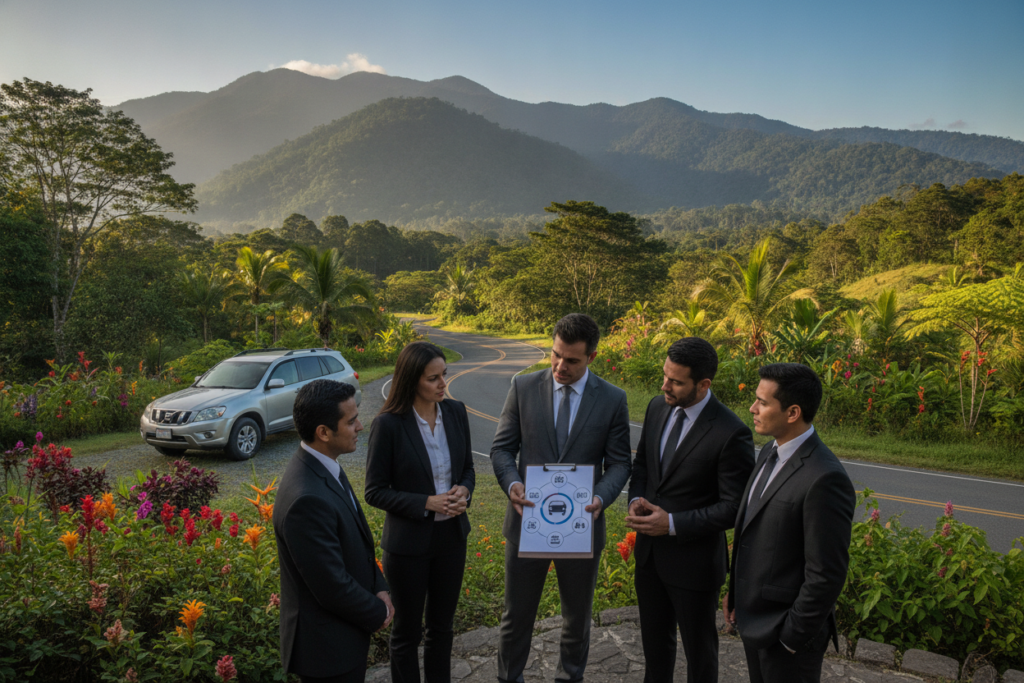
Embarking on a journey to a new land brings many opportunities, especially in the vibrant environment of Costa Rica. Understanding the steps involved in the vehicle import process is essential for a smooth transition.
First, we must review the eligibility requirements. Vehicles must be free of liens and cannot be classified as salvaged or scrapped. This ensures that only quality vehicles enter the country.
Next, the import tax structure is significant. For vehicles less than three years old, the import duty is set at 52.28%. Cars that are four to five years old face a 63% rate, while those six years or older incur a hefty 79.02% import duty.
Preparing essential documentation is also critical. We need the original title, bill of lading, and sworn statements from family members regarding their exemption status. All documents must be accurately translated into Spanish and may require an apostille for acceptance by government authorities.
Navigating the Import Process
When relocating, grasping the vehicle import regulations is essential for a seamless transition. Upon arrival, our vehicles must be stored in a customs warehouse until the tax class is defined and all naturalization fees are paid. This step is crucial for ensuring compliance with local laws.
Once we clear customs, we have 48 hours to complete the mandatory inspection with DEKRA, the official authority. This inspection checks for safety standards, including emissions, brakes, and lights. DEKRA operates stations throughout the country, and our inspection date will depend on the last number of our license plate.
Here are some key points to remember:
- After clearing customs, we must complete the inspection within 48 hours.
- This process is critical for ensuring our vehicle meets safety standards for public roads.
- DEKRA stations are conveniently located, making it easier for us to schedule our inspections.
- Professional assistance can be beneficial in navigating the customs process and paperwork.
- If we are in San Jose, many automotive services and dealerships are found in the La Uruca area.
Comparing Importing Versus Purchasing Locally
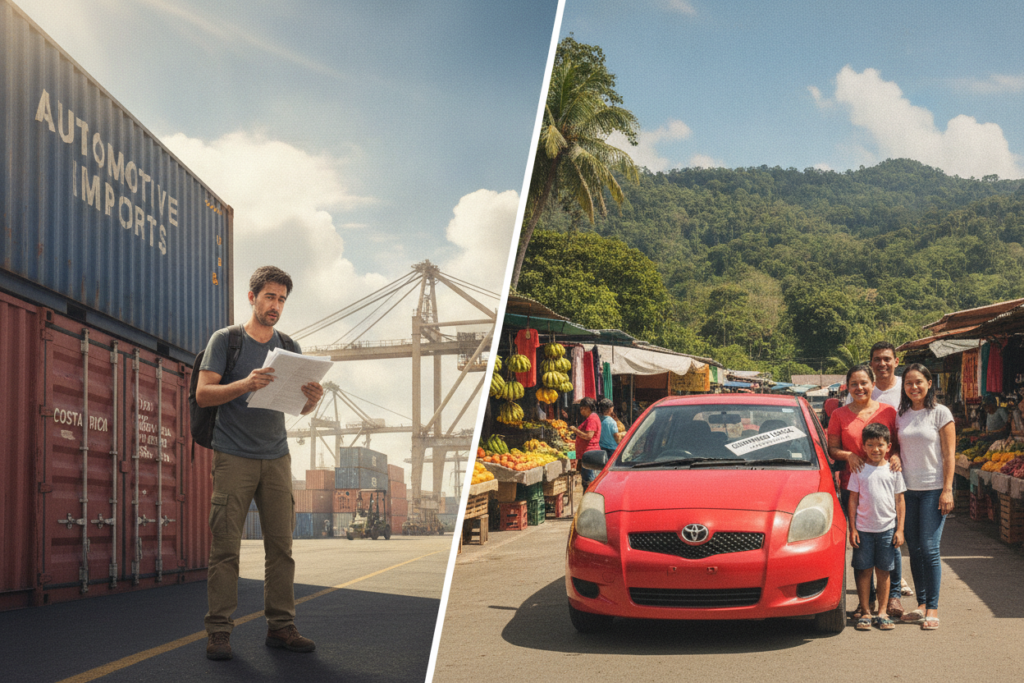
Exploring the options for acquiring a vehicle in a new country can be both thrilling and daunting. We must weigh the costs and time involved in importing versus buying locally. Understanding these factors is crucial for making an informed decision.
The government sets the market value of vehicles, which often exceeds the valuations found in the Kelley Blue Book. This can significantly impact our budget when considering options.
Purchasing a new or used vehicle locally can be expensive due to high taxes. However, it eliminates the complexities of international shipping. Many expats find that selling their vehicle in their home country and buying locally is the most efficient path.
Local dealerships often provide certified pre-owned cars that have undergone thorough inspections. This gives us peace of mind regarding reliability.
- Consider the high market value and tax implications when deciding whether to import or buy locally.
- Buying from a local dealer is often more convenient than navigating the import process.
- Local dealerships certify their used vehicles after inspections, ensuring quality.
- The resale value of vehicles in this country is typically high, which can offset initial costs.
- Compare the total cost of shipping your current vehicle against purchasing a similar model locally.
Residency and Immigration Considerations in Costa Rica
Understanding residency and immigration is vital for anyone planning to live in Costa Rica. These processes play a crucial role in our ability to import vehicles without incurring heavy taxes.
CRIE has provided dedicated support to individuals and families navigating the residency and immigration process for over 20 years. Establishing our legal status is a necessary step before we can apply for vehicle importation benefits under the 2021 law.
Working with a qualified customs broker is highly recommended. They can help manage the various fees and documentation required for our vehicle importation. This assistance is invaluable in ensuring compliance with local regulations.
Additionally, proper insurance coverage is legally required for all vehicles on the roads. This protects us against potential transit and operational risks.
By securing our residency first, we create a solid foundation for our transition and the subsequent importation of our personal belongings.
Tips for Selecting a Customs Broker and Shipping Method
Choosing the right shipping method and customs broker is crucial for a smooth vehicle import experience. We have two primary shipping options: container shipping and roll-on/roll-off (RoRo). Each has its pros and cons.
Container shipping provides maximum security for our vehicle but comes at a higher cost. This method ensures our vehicle is protected from the elements and potential damage during transit.
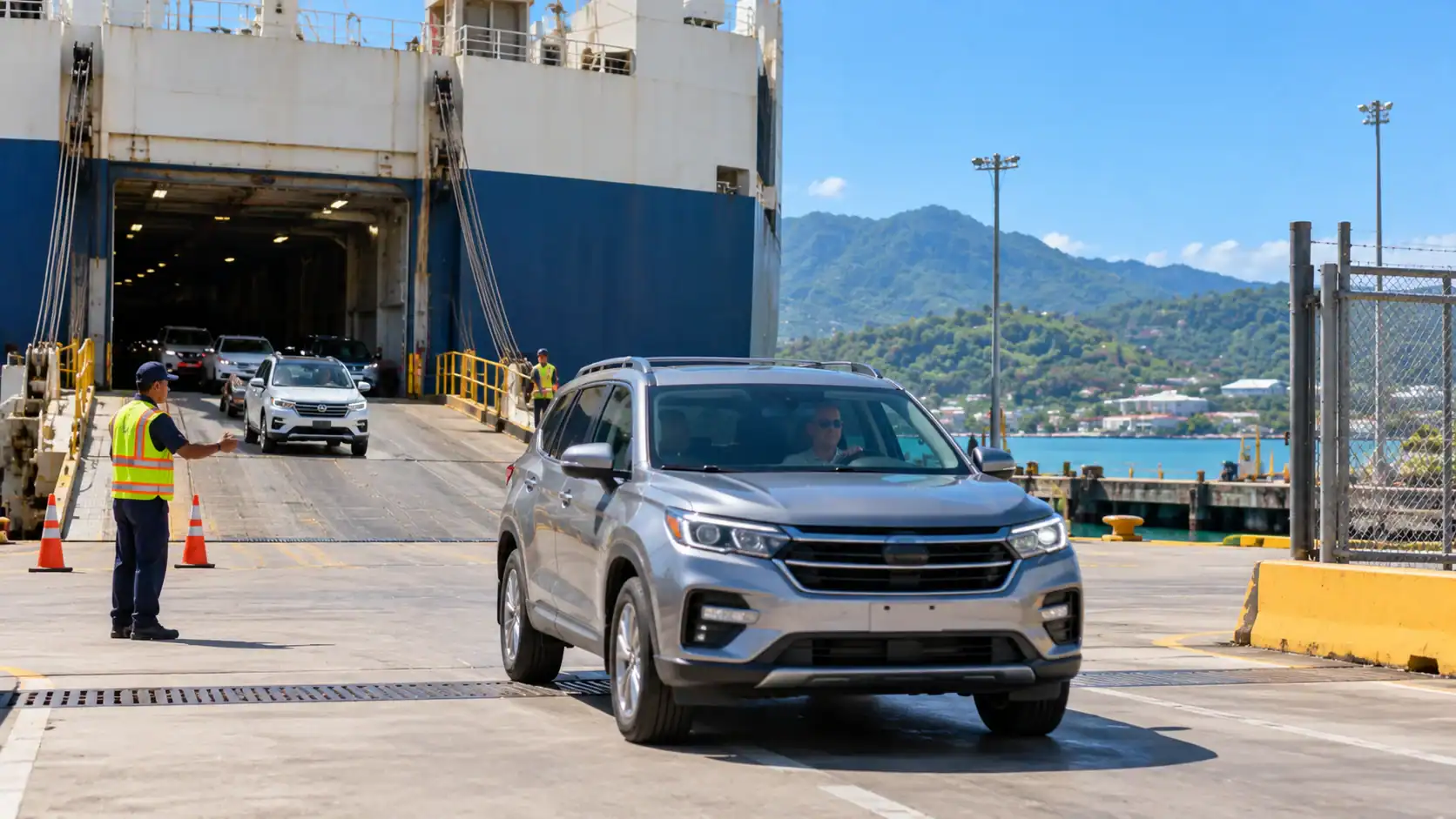
On the other hand, RoRo shipping is a more affordable alternative. However, it offers less protection for our vehicle, as it is driven onto the ship and parked alongside other vehicles.
Working with a reputable customs broker is essential. They help us navigate the complex customs clearance process and ensure all fees are paid correctly. It’s vital to verify that our vehicle is fully insured for transit to protect against potential damage during the importation process.
Major arrival ports for vehicles include Puerto Limon on the Caribbean coast and Caldera on the West Coast. We recommend researching our broker thoroughly to ensure they have the experience needed to handle the customs requirements for our specific vehicle.
Maintaining and Registering Your Imported Vehicle
Starting anew in a foreign land can be both exhilarating and challenging, especially in a place as vibrant as Costa Rica. Once we import our vehicle, registering it with the National Registry is essential. This step ensures we receive official license plates and a property title.
Every year, we must complete the RTV technical inspection, which costs around $22. This inspection checks emissions and safety components to keep our vehicle safe for use on the roads.
Additionally, we need to pay the Marchamo tax annually. This tax is based on our vehicle’s market value and is required by the National Insurance Agency (INS).
If we utilized the tax-free import exemption, selling or transferring our vehicle is restricted for ten years. This rule helps maintain compliance with import duties.
Finalizing the registration process, including obtaining license plates, can take up to three months. Therefore, we should plan our vehicle use accordingly.
Regular maintenance is crucial, especially in areas like San Jose, where road conditions can affect performance. Keeping documentation and license plates in order is vital to avoid fines.
By adhering to these technical requirements, we ensure our vehicle customs status remains compliant with Costa Rican laws.
Getting Started with Your Vehicle Import Journey
Transitioning to a different country can open up a world of possibilities, and many find themselves enchanted by the charm of Costa Rica. Every vehicle import case depends on your specific nationality, family situation, documents, timing, and immigration history.
For personalized guidance and pricing regarding your residency and immigration needs, please contact our expert, Johanna Alvarez. You can reach out to us via WhatsApp at +506 8373 2085 or send an email to info@crie.cr for more information.
Visit our website at crie.cr to learn more about how we can assist you with your residency and immigration journey. We look forward to helping you navigate the requirements for your move to Costa Rica.
FAQ
What are the main import taxes for vehicles in Costa Rica?
Import taxes can vary based on the vehicle’s value, age, and type.
How long does the import process take?
The entire import process can take anywhere from a few weeks to several months, depending on the efficiency of our customs broker and the completeness of our documentation.
What documents do we need to prepare for importing a vehicle?
Essential documents include the vehicle’s title, bill of sale, proof of insurance, and a detailed list of specifications. Additionally, we may need to provide a customs declaration and proof of residency.
Are there specific inspections required for imported vehicles?
Yes, vehicles must undergo inspections to ensure they meet Costa Rican safety and emissions standards. This includes a technical inspection by a certified agency before registration.
Should we consider purchasing a vehicle locally instead of importing?
Purchasing locally can sometimes be more cost-effective, especially when considering the taxes and fees associated with importing. We should compare the total costs and time involved in both options.
How does residency status affect our ability to import a vehicle?
Our residency status can influence the import process. Typically, only residents can import vehicles, and we may need to provide documentation proving our residency status to customs authorities.
What are the benefits of hiring a customs broker?
Hiring a customs broker can simplify the import process. They help navigate the complex regulations, ensure compliance with customs requirements, and can save us time and potential headaches.
What are the options for shipping our vehicle to Costa Rica?
We can choose between container shipping and roll-on/roll-off (RoRo) methods. Container shipping offers more protection, while RoRo is often more economical and faster.
What should we do after our vehicle arrives in Costa Rica?
After arrival, we need to complete post-import inspections, pay any remaining taxes, and register the vehicle with the local authorities to obtain license plates.