
Costa Rica welcomes millions of visitors each year, drawn by its natural beauty and relaxed “Pura Vida” lifestyle. However, overstaying your permitted visa time can quickly lead to serious legal complications.
We understand that navigating the local immigration system can feel overwhelming. The rules are complex and the process is detailed—this is where many well-intentioned expatriates find themselves in a difficult position.
This article is your starting point. We provide a clear, step-by-step guide to help you transition from a temporary tourist status to a secure, long-term residency. Our goal is to demystify the requirements and outline a realistic path forward.
Think of us as your experienced guide. We combine expert knowledge with a protective, practical approach. You’ll get honest advice—not hype—so you can make informed decisions and achieve full legal compliance in Costa Rica.
Understanding Costa Rica’s Immigration Landscape
Your legal stay in this Central American nation hinges on two key elements: the tourist visa and the entry stamp. These rules form the foundation for any compliant visit to Costa Rica.
Understanding the local regulations is your first step toward a secure long-term plan.
An Overview of Tourist and Residency Regulations
Most visitors enter on a tourist visa. This is a temporary permit, not a path to permanent status.
We often see clients who need to transition to a formal residency category later. A tourist visa is not a permanent solution.
The 180-Day Rule and Entry Stamp Significance
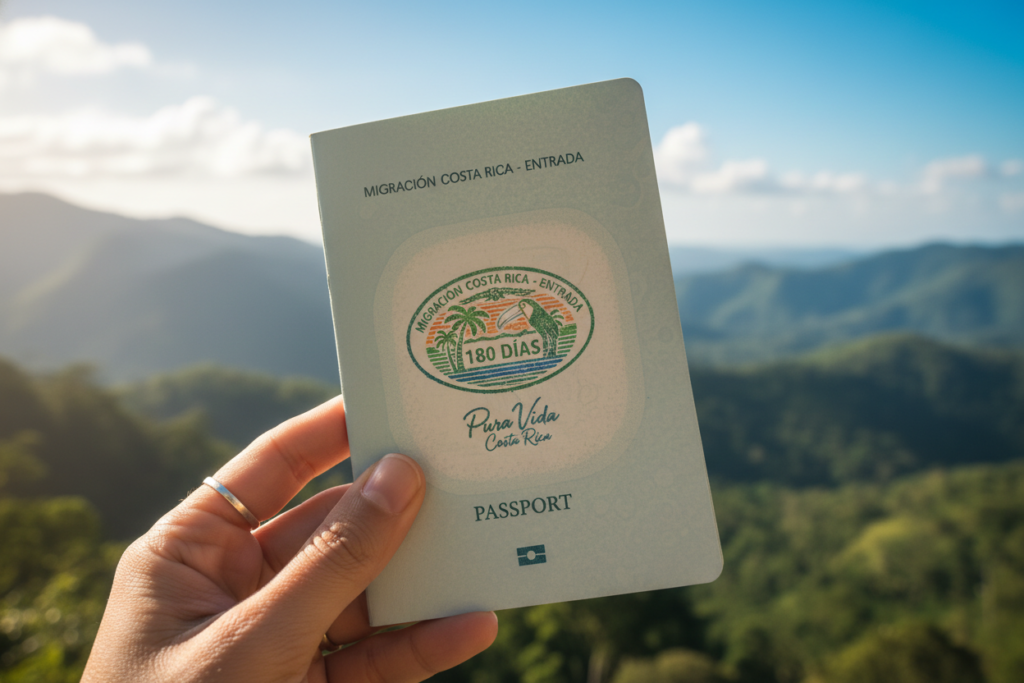
The well-known “180 days” rule is a potential maximum stay, not a guarantee. Immigration officers at the border have final discretion.
They determine your specific authorized duration and record it on your entry stamp. This stamp is your official legal document.
It dictates your exact exit deadline. To stay legally, you must respect the date written by the authorities.
It’s crucial to check this stamp immediately upon arrival. Planning your long-term status should begin well before this permit expires.
Navigating the fix-overstay-costa-rica Process

Failing to depart by the date on your entry stamp initiates a formal overstay process governed by strict laws. We guide clients through this procedure regularly. The goal is to resolve your status efficiently and minimize long-term damage.
Recognizing Overstay Risks and Penalties
The financial cost is immediate and clear. Since March 2010, the law has enforced a fine of $100 per month for every month of overstay. This penalty accumulates quickly, creating a significant debt.
It is vital to recognize a critical detail. Even a single day beyond your authorized period can trigger a full monthly fine. The system does not prorate the charge.
The financial burden is only one aspect of the risk. Overstaying can lead to deportation or future re-entry bans. Authorities do not take these violations lightly.
Your immigration record may be permanently impacted. We emphasize that acting quickly is paramount to avoid these severe complications. Addressing your legal status is the first step toward a secure future in Costa Rica.
Who Qualifies for Residency (Pensionado, Rentista, Inversionista)
The path to legal residency in Costa Rica is defined by three primary categories. Each has specific financial requirements that must be met for a successful application.
We guide clients to select the option that aligns with their long-term plans and financial profile. Understanding these categories is the first step in the residency process.
Pensionado (Pensionado): Lifetime Pension Requirements
The Pensionado category is for retirees with a stable, lifetime income. You must prove a pension of at least US$1,000 per month.
This income must be guaranteed for life. It provides a straightforward path to residency for qualified individuals.
Rentista (Rentista): Income Criteria for Two Years
The Rentista option suits those with a reliable income but no pension. You need to demonstrate a guaranteed monthly income of US$2,500.
This income must be verifiable for a minimum period of two years. It offers a viable route for many seeking residency.
Inversionista (Investor): Minimum Investment Details
The Inversionista category requires a significant capital investment. You must invest a minimum of US$150,000 in Costa Rican property.
A critical rule is that the property must be held in your personal name. Investments through a corporation do not qualify for this residency.
Please note: the Digital Nomad permit is a temporary visa. It is not a form of residency and does not count toward citizenship.
We recommend carefully assessing which residency category fits your situation. Choosing correctly ensures a smoother application and a secure future.
Essential Documentation for a Smooth Application
A smooth transition to legal residency depends on a complete and properly authenticated dossier of personal records. We guide clients through this foundational step, where precision prevents future headaches.
Apostilles and Official Spanish Translations
Every foreign document you submit requires two critical validations. First, it must bear an apostille certification from your home country. This stamp verifies the document’s authenticity for international use.
Second, an official Spanish translation is mandatory. The immigration authorities will not process documents in other languages. Using a certified translator in Costa Rica is the standard practice we recommend.
Gathering Birth Certificates, Background Checks, and More
The core documents include your birth certificate and a criminal background check. These must be recent and meet specific requirements outlined in the complete guide to permanent residency.
Providing complete and accurate information with your initial submission is crucial. Incomplete dossiers trigger requests for more data, causing significant delays in your application review.
Proper preparation of this paperwork is the non-negotiable foundation of a successful residency application in Costa Rica.
Step-by-Step Residency Application Process from Home
The most efficient approach to securing legal status begins long before you set foot in Costa Rica. We guide clients to treat this as a forward-looking project, not a last-minute task.
Starting your residency application from your home country provides control and clarity. You can gather documents without the pressure of an impending visa expiration.
Preparing Your Documents Before Arrival
Document collection for your Costa Rica residency typically requires two to four months. This timeframe covers obtaining apostilles and official Spanish translations.
Having everything prepared before you arrive eliminates a major source of stress. You avoid coordinating international mail or rushing translations while abroad.
Timeline Expectations and Milestone Guidance
The official review by immigration authorities is a lengthy process. Expect it to take between six and eighteen months for completion.
We help clients map out key milestones within this extended timeline. Understanding this long-term commitment from the outset prevents frustration.
Following this structured, step-by-step approach ensures your application receives proper attention. It transforms a complex procedure into a manageable journey toward legal residency in Costa Rica.
Overstay Consequences: Fines, Re-entry Bans and Legal Implications
The consequences of overstaying your visa in Costa Rica extend far beyond a simple financial penalty. We see clients face a multi-layered set of legal complications that can disrupt their long-term plans.
Understanding Financial Penalties and Border Run Limitations
The law mandates a fine of $100 per month for every month you remain illegally. This charge applies in full for any partial month, creating a significant debt quickly.
Furthermore, overstaying can lead to re-entry bans. These bans are typically three times the length of your total overstay period.
Attempting a “border run” to reset your tourist visa is not a reliable fix. Immigration officers may deny re-entry, especially if they see a pattern of overstaying.
Impact on Future Immigration and Application History
Your immigration record is permanent. An overstay notation can negatively impact future visa applications, not just for Costa Rica but potentially for other countries.
It can also complicate or delay a subsequent residency application. Authorities scrutinize your history of compliance.
If you must leave the country, ensure all fines are settled first. For detailed guidance on this process, review our resource on overstaying in Costa Rica. Resolving your status cleanly is the only way to protect your future options.
Common Mistakes to Avoid in Residency Applications
The difference between approval and rejection often lies in avoiding a handful of predictable mistakes. We guide clients to sidestep these pitfalls for a smoother residency process.
Incomplete Documentation and Expired Background Checks
Submitting an incomplete dossier is a top reason for application rejection. Authorities require every form and supporting paper.
Police background checks, for example, are only valid for six months. You must ensure yours is current at the time of submission to meet all requirements.
Errors in Timing and Registration Procedures
Missing critical deadlines creates major complications for your legal status. Failing to register with the social security system is a common timing error.
Another rule often misunderstood involves property investment. For the Inversionista residency, the asset must be held in your personal name.
Corporate ownership does not satisfy the specific requirements. Following all rules precisely prevents unnecessary delays in your application process.
Tips for Maintaining Legal Status While in Costa Rica
Maintaining your legal status in the country requires proactive management of your permitted time. We guide clients to view this as an active responsibility, not a passive assumption.
Your goal is to stay compliant while navigating the path to a more permanent solution. Understanding the temporary options and the rules for the residency review process is key.
Temporary Solutions: Border Runs and Emergency Extensions
If you need more time, a formal visa extension is available. This adds 60 days to your stay for a fee of $100.
Another common tactic is the border run. This involves leaving for 72 hours to reset your tourist visa clock.
We must be candid—this is a temporary measure, not a long-term strategy. Frequent use can draw scrutiny from officers who suspect you are living here as a tourist.
Staying Compliant During the Residency Review Process
Once your residency application is filed, the review process takes many months. You must remain legally in the country during this entire time.
This means planning your stay carefully. Relying on last-minute border runs during your application is risky.
We advise clients to secure their status before the review begins. Careful planning ensures you follow all regulations without interruption.
Additional Guidance and Resources for Costa Rica Immigration
Navigating the complexities of immigration law requires access to reliable and up-to-date resources. We believe in empowering you with the right tools to make informed decisions about your legal status.
Verifying Information at migracion.go.cr
Official rules and regulations can change. We always recommend verifying the latest requirements directly at the government website, migracion.go.cr.
This site provides authoritative information on visa extensions, residency processes, and entry stamp rules. Checking it ensures you have accurate data for your specific situation.
Relying on official sources prevents misunderstandings about fines, time limits, or border run policies.
Contacting CRIE for Expert Assistance
For personalized guidance, our team at CRIE is here to help. You can reach us via WhatsApp at +506 8706 3888 or email at info@crie.cr.
We have years of experience navigating the rica immigration system. Whether you need help with a residency application, visa status, or resolving complications, our expert advice can streamline the process.
Our goal is to provide clear, candid guidance to protect your long-term interests in the country.
Final Insights for a Secure Costa Rica Immigration Journey
We believe that securing your legal status is the most important investment you can make for your life in Costa Rica. Begin with an honest assessment of your situation and prepare your documents thoroughly.
Move beyond temporary solutions like border runs. Invest in a stable, long-term residency status for true peace of mind.
Remember, a Digital Nomad permit is a temporary visa. It is not a residency pathway and does not count toward future citizenship goals.
Starting your application from your home country gives you the time to gather apostilles and translations correctly. For personalized guidance, contact an expert at CRIE to avoid common pitfalls.
We are committed to your secure and legal life here. For more details, explore our frequently asked questions.
FAQ
What is the standard tourist visa duration in Costa Rica?
When you enter, immigration officers typically grant a stay of up to 180 days, stamped in your passport. This is not automatic, however. The officer can authorize a shorter period. Always check your entry stamp immediately to know your exact legal stay limit.
What are the penalties for overstaying my tourist visa?
Overstay fines are calculated at about 0 per month. More seriously, you may face entry bans or complications with future residency applications. We strongly advise resolving any overstay before leaving the country to avoid these issues.
What are the main residency options for foreigners?
The three most common pathways are Pensionado (for those with a lifetime pension), Rentista (providing stable foreign-sourced income), and Inversionista (requiring a significant investment in Costa Rica). Each category has specific financial requirements you must meet.
What documents are essential for a residency application?
You will need apostilled and officially translated documents like birth certificates, marriage certificates (if applicable), and a police background check from your home country. A complete, properly prepared dossier is critical for a smooth process.
Can I apply for residency from outside Costa Rica?
Yes, you can begin the process from abroad. You must gather and authenticate all required documents before arriving. This proactive approach can significantly streamline your application timeline once you are in the country.
How does overstaying affect future entry into Costa Rica?
An overstay record can lead to complications. Immigration officials may deny future entry or grant a much shorter stay period. It creates a negative mark on your immigration history that can hinder long-term plans.
What common mistakes should I avoid in the residency process?
The most frequent errors include submitting expired background checks, incomplete document sets, or missing the strict deadlines for post-approval steps like DIMEX registration. Precision and timing are everything.
What are "border runs," and are they a reliable solution?
A “border run” involves briefly leaving the country to re-enter for a new tourist stamp. This is a temporary fix, not a long-term strategy. Immigration authorities are increasingly scrutinizing this practice, and it does not address the need for proper status.
Where can I verify official immigration information?
The Dirección General de Migración y Extranjería website at migracion.go.cr is the primary source for current laws, fees, and forms. Always cross-reference any guidance with this official portal to ensure you have the latest rules.
How can CRIE assist with my immigration process?
Our team provides expert guidance on residency applications and resolving overstay situations. We help you navigate the complex requirements correctly from start to finish. You can contact us via WhatsApp at +506 8706 3888 or email at info@crie.cr for a consultation.
Article by Glenn Tellier (Founder of CRIE and Grupo Gap)
Don't wait, contact us right now!
Call or WhatsApp Costa Rica +506 8373 2085 or +506 8706 3888
Call USA/Canada +1 305-906-6784