
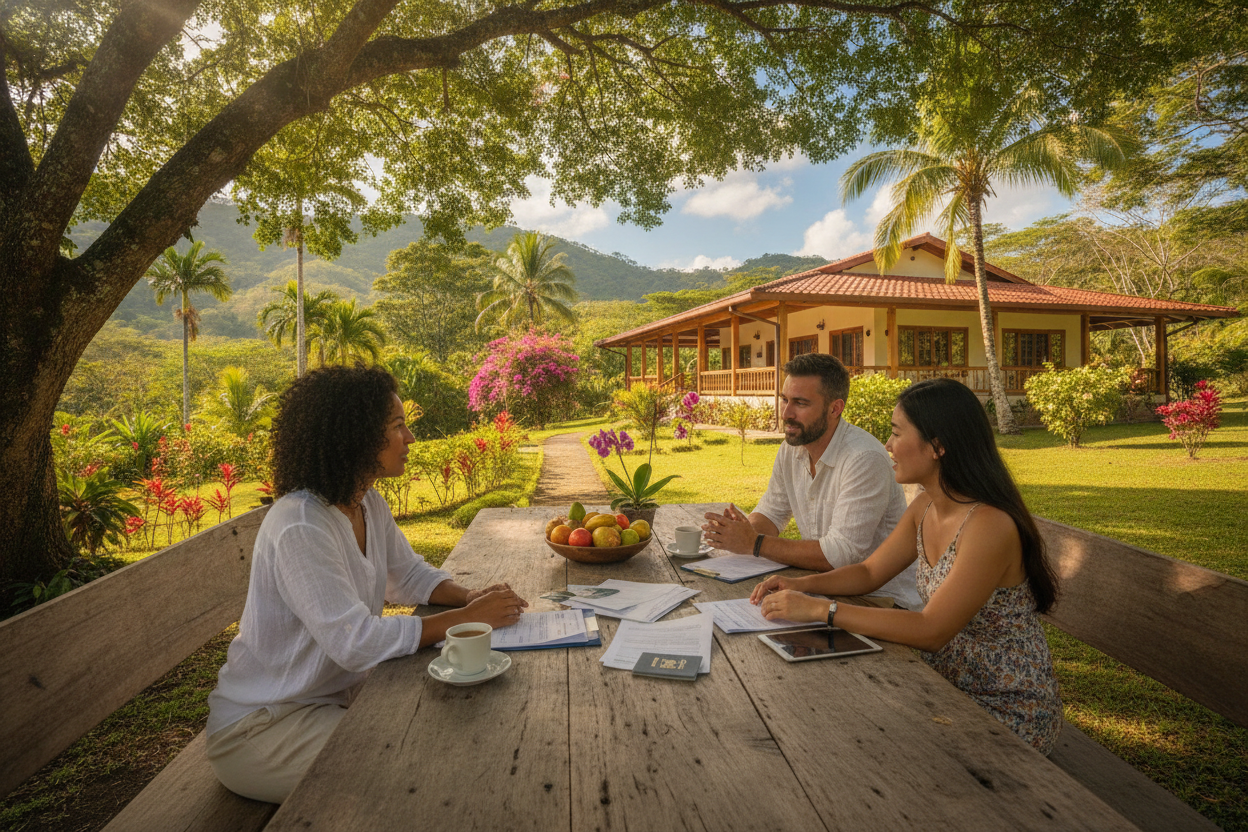
For over 20 years, we have dedicated ourselves to assisting individuals and families in navigating the complexities of relocating to this vibrant country. Understanding the details of residency options is crucial for anyone considering a long-term move.
This guide aims to provide a clear and educational overview of the various pathways to establish your life here. We believe that informed decisions are the foundation of a successful transition, and we are here to share our insights.
As you explore your options, you will find that the legal framework can be intricate. Our goal is to simplify this process and help you understand the practical steps needed for a smooth immigration journey.
Understanding Costa Rica’s Residency Landscape
Over the last 20 years, we have passionately assisted individuals and families in understanding the complexities of settling in this stunning country. The immigration landscape in Costa Rica has evolved significantly, catering to diverse needs and circumstances.
This country offers various residency options, from financial-based programs to those linked through family connections or marriage. Choosing the right type of residency is crucial, as each category has specific requirements tailored to different applicant profiles.
Whether you seek a temporary solution or a long-term commitment, it is essential to grasp the full scope of what Costa Rica offers. We emphasize that every case is unique, depending on your nationality, family situation, and immigration history when selecting your residency options.
Navigating the Permanent Residency Process
Embarking on the journey toward residency requires knowledge of the necessary steps and legal requirements. The application process begins with a formal submission to the Dirección General de Migración y Extranjería in Costa Rica.
Each step in the residency process demands careful attention to detail. From initial filing to final approval, you must meet specific legal requirements. Engaging with immigration authorities is essential for mandatory procedures, including fingerprinting and medical check-ups.
Our experience shows that the application process is a multi-stage endeavor. It requires patience and a thorough understanding of current immigration regulations. We guide you through the steps from application to approval, ensuring your documentation meets the standards of the authorities.
Exploring Residency Options: Pensionado, Rentista, and Inversionista
The pathways to residency in Costa Rica offer diverse opportunities for individuals and families alike. Understanding the requirements for each category is essential for making informed decisions.
The Pensionado category is ideal for retirees. It requires proof of a guaranteed monthly income of at least $1,000 from a pension plan. This ensures that you can support yourself while living in Costa Rica.
For those without a pension, the Rentista category may be a better fit. This option requires proof of $2,500 per month in stable unearned income or a $60,000 bank deposit. This demonstrates financial stability to immigration authorities.
Lastly, the Inversionista category is for those willing to invest significantly. A minimum investment of $200,000 in tangible property or a business is required. These financial-based residency options are initially classified as temporary residency for the first three years.
It’s important to note that these categories typically do not allow you to work as an employee, but they may permit business ownership. For more details on the legal framework, visit Costa Rica’s residency laws.
The Digital Nomad Visa: A Modern Residency Path

For remote workers, a modern residency path has become available in Costa Rica. Approved in late 2021, the digital nomad visa provides an exciting alternative to the traditional tourist approach.
This visa type allows you to live in Costa Rica for up to two years while working for employers or clients based outside the country. To qualify, you must demonstrate a stable monthly income of at least $3,000, or $4,000 if applying as a family group.
This path is perfect for those wanting to experience the vibrant lifestyle of Costa Rica without committing to a long-term residency program. We have seen many professionals successfully transition into the country while maintaining their international employment commitments.
permanent-residency-costa-rica-explained: Key Eligibility Criteria
Navigating the requirements for residency in Costa Rica can be challenging, but understanding them is essential for a successful application. Establishing eligibility requires clear proof of your financial stability through income or investment.
Each residency category has specific requirements that must be met to ensure you can support yourself during your stay in the country. You must provide documented evidence of your financial standing, such as bank statements and official records, to satisfy the immigration authorities.
These requirements are designed to ensure that all new residents contribute positively to the economy and do not rely on public resources. We help you verify that your chosen category aligns with your financial reality, ensuring all eligibility criteria are met before you submit your application.
Gathering and Preparing Essential Documentation
Gathering the right documents is a pivotal step in your residency journey. Proper documentation is essential for ensuring a smooth residency application. All documents require an apostille from your home country, which authenticates them for use in Costa Rica.
In addition to the apostille, you must have your documents translated into Spanish by a court-approved translator. This includes critical items like your valid passport, birth certificate, and marriage certificate if your spouse is applying as well.
Another key requirement is an FBI criminal background check, which must be obtained within six months of your application. This ensures its validity with the authorities. The processing time for these documents can be significant, so we recommend starting your collection at least several months before your planned move.
We assist you in ensuring that every document is correctly authenticated and translated. This prevents common errors that could delay your application.
Understanding CAJA and Social Security Contributions
Understanding the social security system in Costa Rica is crucial for all new residents. All legal residents must enroll in the Caja Costarricense de Seguro Social, commonly known as the CAJA. This enrollment is not just a formality; it ensures access to vital healthcare services.
The enrollment process involves declaring your income, which determines your monthly contribution to the national social security and healthcare system. Costs for CAJA coverage vary based on your income level. We can help you understand how these contributions are calculated for your specific situation.
Once enrolled, you gain access to a nationwide network of clinics and hospitals. This coverage is essential for your health and well-being while living in the country. We guide you through the steps of the enrollment process to ensure you are fully compliant with the social security requirements for residents.
Managing Temporary Versus Permanent Residency Status
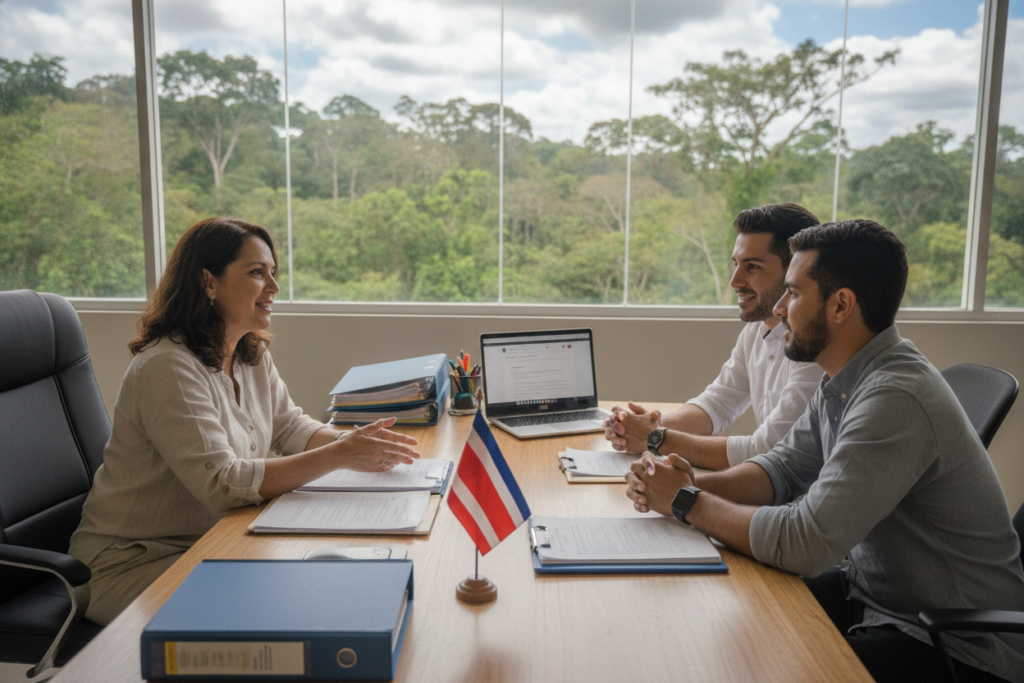
Understanding the differences between temporary and permanent residency is vital for anyone planning to live in this beautiful country. Most applicants begin their journey with temporary residency, which must be renewed regularly to maintain your legal status in Costa Rica.
After maintaining temporary residency for a minimum of three years, you become eligible to petition for permanent status in the country. This transition is essential for those looking for long-term stability.
Recognizing the distinctions between these two types of status is crucial for long-term planning. Permanent residency provides a higher level of stability, allowing you to live in the country with fewer administrative burdens than temporary status.
We help you manage the transition between these statuses, ensuring you meet all requirements to secure your long-term future in Costa Rica. For more insights on the benefits of residency, visit the benefits of Costa Rica residency.
Overcoming Challenges and Common Application Pitfalls
Navigating the residency application landscape requires careful attention to detail and foresight. Many applicants face common challenges that can complicate their residency journey.
Common pitfalls include incomplete paperwork and missing apostilles. Document delays are a frequent hurdle, often caused by the time required to obtain background checks or official records from your home country.
We help you address these challenges by carefully reviewing your application to ensure all legal requirements are met before submission to the authorities. Being aware of these potential issues allows us to proactively manage your timeline, minimizing the risk of rejection or extended processing delays.
Our goal is to help you overcome these obstacles, ensuring your path to approval is as smooth and efficient as possible.
The Importance of Professional Guidance
For over two decades, we have been committed to guiding individuals and families through the intricacies of moving to this beautiful nation. Navigating the residency process can be overwhelming, and having professional support is invaluable.
At CRIE, we focus exclusively on immigration services. Our team is dedicated to helping you understand the legal requirements and procedural steps necessary for a successful application. We aim to provide factual and educational guidance, empowering you to make informed decisions about your future in Costa Rica.
Our experience allows us to support you effectively throughout your immigration journey. For personalized guidance, pricing, and to discuss your specific needs, you can connect with our expert, Johanna Alvarez.
You can reach out to us via WhatsApp at +506 8706 3888, email us at info@crie.cr, or visit our website at crie.cr for more information.
Cost Considerations and Financial Planning
Financial planning plays a crucial role when considering residency in this beautiful country. Various residency programs require specific bank deposits or investments in property or business. Understanding these financial obligations is essential for a successful application.
The Rentista category mandates a $60,000 bank deposit. In contrast, the Inversionista category necessitates a minimum investment of $200,000 in a Costa Rican business or property. These requirements are significant and should be factored into your overall financial strategy.
We assist you in comprehending the income requirements and financial strategies needed to meet the criteria for your chosen residency category. Proper planning ensures that your funds are allocated and documented correctly, which is vital for the approval of your residency application.
Whether you are investing in a business or managing your monthly income, we provide the information you need to plan your finances effectively.
Comparing Residency with the Perpetual Tourist Approach
Many individuals start their journey in Costa Rica as tourists, but the perpetual tourist approach can be challenging. Those who rely on this method must leave the country every 90 days to renew their status. This constant travel can be burdensome and disrupt plans.
Unlike legal residents, perpetual tourists do not have the same rights to work or access the national healthcare system in Costa Rica. This limitation can lead to frustration for those wishing to settle down and fully embrace life here.
Moreover, overstaying a tourist visa can result in significant fines and potential bans from re-entering the country. Such consequences can complicate long-term plans and create uncertainty.
We recommend transitioning to a formal residency status as soon as possible. Establishing yourself as a legal resident provides the stability and security needed to fully embrace life in Costa Rica without the stress of visa runs.
Embracing Pura Vida: Your Next Steps in Costa Rican Residency
Transitioning to life in this enchanting nation can be a fulfilling experience with the right guidance. Securing permanent residency in Costa Rica allows you to fully embrace the Pura Vida lifestyle in this beautiful country.
By understanding the requirements and preparing your documents, you can pave the way for a successful transition to your new home. Remember that every case is unique, depending on your nationality, family situation, and specific immigration history when planning your move.
We are here to help you navigate the complexities of the residency process, ensuring you have the support needed to achieve your goals. For personalized guidance and to discuss your next steps, please contact our immigration expert, Johanna Alvarez, at CRIE today.
FAQ
What are the main residency options available in Costa Rica?
How long does the residency application process take?
What documents do we need to apply for residency?
Can we work in Costa Rica with a residency status?
What is the CAJA and why is it important?
Are there any financial requirements for residency?
What are common challenges during the residency application?
How can professional guidance assist us in the residency process?
What is the Digital Nomad Visa?
How does the perpetual tourist approach compare to residency?
Article by Glenn Tellier (Founder of CRIE and Grupo Gap)
Don't wait, contact us right now!
Call or WhatsApp Costa Rica +506 8373 2085 or +506 8706 3888
Call USA/Canada +1 305-906-6784