

Moving to Costa Rica requires careful preparation of your essential paperwork. The nation joined the Hague Convention in 2011. This membership simplifies international document authentication through a standardized apostille process.
You must prepare every single document correctly while still in the United States. Errors or omissions can cause significant delays for visas, property purchases, or business setup. We emphasize this upfront reality to set proper expectations.
We guide you through this complex procedure to ensure a smooth, legally compliant transition. Our team provides expert insights tailored to your specific situation. For detailed guidance on next steps, review our resource on the Costa Rica immigration interview. A structured approach helps you secure your future without unexpected bureaucratic hurdles.
Overview of the Apostille Process for Costa Rica
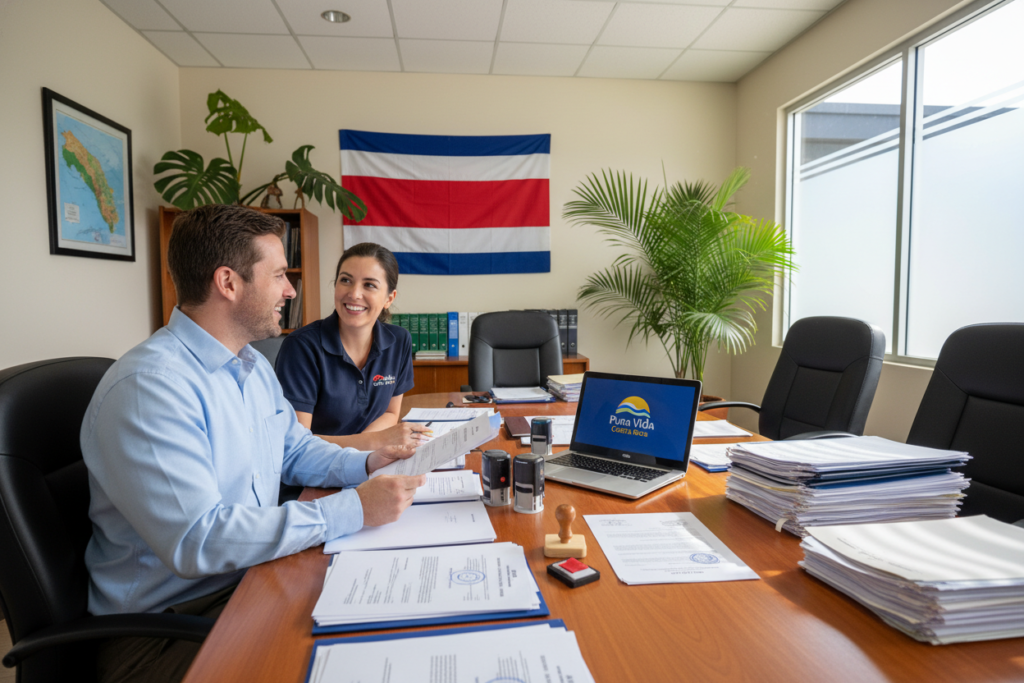
Costa Rica’s adoption of the Hague Convention in 2011 fundamentally changed how documents are authenticated for international use.
This treaty membership means consular legalization is no longer required. The older path was lengthy and outdated.
We explain how the apostille serves as a simplified authentication method. It is recognized by all relevant Costa Rican authorities today.
This process validates your document’s origin. It ensures acceptance for official use within the country.
We help you differentiate between standard legalization and the apostille process. This saves time and unnecessary administrative effort during relocation.
Our goal is to provide a clear overview. You can then focus on your move rather than worrying about paperwork.
Determining Residency Eligibility in Costa Rica (CRIE)

Eligibility for Costa Rican residency hinges on meeting specific financial thresholds set by immigration authorities. We help you navigate the three main pathways: Pensionado, Rentista, and Inversionista. Each has distinct requirements for income or investment.
Who Qualifies: Pensionado, Rentista, and Investor Requirements
The Pensionado program requires a verified monthly pension income of at least US$1,000. You must provide official documents as proof from a recognized source.
For the Rentista category, you must prove a stable $2,500 monthly income for two years to meet residency requirements. The Investor, or Inversionista, route demands a minimum $150,000 investment held in your personal name.
Digital Nomad Versus Traditional Residency Options
We clarify a critical distinction. Digital Nomad status is not a residency visa. This temporary permit does not count toward permanent residency or citizenship.
Traditional residency programs provide a clear, documented path to long-term settlement. Your essential documents will eventually need an apostille for full validation by Costa Rican immigration.
You should verify your specific eligibility through the official CRIE website at crie.cr. Understanding these financial frameworks is key, as detailed in our guide on understanding the laws of Costa Rica.
Step-by-Step Document Preparation at Home
We recommend initiating the authentication process while you’re still residing in the United States to avoid complications. This foundational step ensures every piece of paperwork meets exact standards before submission.
Gathering Essential Documents and Certifications
Begin collecting all required records from your home state. Each document must first receive proper state-level certification before the apostille can be applied.
State-level apostille processing typically requires 5 to 15 business days. Plan your timeline carefully to prevent delays in your relocation schedule.
Proper preparation prevents the common issue of returning for missing records. Our team helps organize your files to meet Costa Rican government standards—this includes guidance on critical power of attorney documentation.
Understanding Required Documents and Translations
Two critical stages exist for your paperwork: obtaining the apostille and securing a certified translation. We help you navigate both to ensure full legal acceptance.
Documents to Apostille: Birth Certificates, Marriage Certificates, and More
Your birth certificate and marriage license form the bedrock of your residency file. You must obtain certified copies from your state’s vital records office.
These foundational documents prove identity and family status. They are mandatory for most immigration applications in Costa Rica.
Certified Translations: What You Need to Know
Every document intended for official use must be translated into Spanish. This translation must be performed by a certified professional translator.
A common oversight is translating before authentication. The correct sequence is crucial: first affix the apostille, then complete the certified translation.
This ensures the entire document package—including the seal—is legally recognized. We manage this process so your translated Spanish documents meet all requirements.
Navigating Notarization and Authentication Standards
Before any state authentication can occur, your paperwork must first meet strict notarization standards. This step is a mandatory legal prerequisite for the entire process.
Correct Notarization Procedures to Follow
The notarization must happen in the state where your document was originally issued. You must sign in the physical presence of an active, commissioned notary public there.
We verify that the notary’s signature and official seal are perfectly clear and legible. Illegible stamps are a leading cause for rejection by Costa Rican immigration authorities.
Our team reviews the notarial wording to ensure it includes the signer’s name, date, and a clear statement of the act performed. Following these procedures prepares your document for the final apostille from the Secretary of State’s office.
Detailed Guide: Timeline and Processing Steps for Apostilles
The time required to obtain an apostille varies significantly depending on whether your paperwork originates at the state or federal level. Understanding this distinction is crucial for setting a realistic schedule.
State-level documents, like birth certificates, typically take 5 to 15 business days for authentication. Federal documents, such as FBI background checks, follow a separate path through the U.S. Department of State and require at least five weeks.
We recommend initiating your document preparation a minimum of two months before your planned departure. Our service manages this timeline, tracking each request to ensure you meet critical deadlines for your residency application in Costa Rica. We provide a clear roadmap so you can focus on your move.
Mastering the apostille-process-costa-rica: A Practical Approach
The final phase of document authentication involves key checks that validate your apostille’s legitimacy. We take a practical approach—focusing on verification to ensure your paperwork is accepted without delay.
Key Checks and Verification Steps
Each apostille carries a unique reference number registered with the issuing authority. As a Hague Convention member, Costa Rican officials use this number to confirm authenticity instantly.
We perform physical checks to ensure the apostille is properly affixed to the original document. This step meets international standards and prevents rejection by local authorities.
Our service guides you through these verification steps. We ensure your documents are fully compliant and ready for your residency application.
Preparing Your Documentation: Apostilles, Translations, and More
Immigration approval is not just about having the right documents, but ensuring they meet a specific standard of presentation. Consistency with official Costa Rican requirements is the non-negotiable foundation for a successful filing.
Ensuring Consistency with Costa Rican Requirements
Every document must be in pristine physical condition. Authorities will reject pages with stray marks, staples, or any damage that could raise questions about authenticity.
Our team performs a meticulous review. We cross-check your certified translation and the affixed apostille against the original records line by line.
This ensures your translated Spanish version perfectly mirrors the source. It also confirms the apostille details are accurate and fully legible.
Preparing your documents with this level of scrutiny prevents discrepancies in your official file. It is the final step to ensure your application proceeds without unnecessary administrative delays.
Avoiding Common Pitfalls and Mistakes in the Process
Many applicants face unnecessary setbacks due to a few critical oversights during the authentication phase. We guide you to sidestep these errors, which can halt your entire application.
Common Errors and How to Prevent Delays
Incorrect notarization is a top reason for rejection. The signature and seal must be perfectly clear. Authorities in Costa Rica will not accept illegible stamps.
Another major error involves laminated documents. These cannot receive an apostille and will be rejected by the issuing office. You must submit original or certified copies.
Our service reviews your paperwork for these exact issues early. We catch mistakes before they cause you to re-order vital records. This prevents weeks of delay.
We ensure your entire process aligns with Hague Convention standards. This keeps your application on track for a timely approval by local officials.
Expert guidance helps you navigate these common pitfalls. Your move should be a positive experience, not a stressful bureaucratic struggle.
Tips for a Smooth Transition When Arriving in Costa Rica
Your arrival in Costa Rica marks the exciting culmination of your preparation. It is also when your documents face their final test. We help you navigate this critical moment with confidence.
First, verify your FBI background checks are recent. These documents must be issued within the last six months to be valid for local officials. An expired check will halt your application immediately.
Keep all your essential paperwork safe during travel. We advise using a secure, waterproof folder for your apostilled documents. This simple step protects them from accidental damage.
Present your paperwork professionally to Costa Rican authorities. Organize everything in a logical order for your residency interview. Utilizing professional apostille services before departure guarantees your documents are ready for immediate use.
We are here to support your entire transition. Our goal is to ensure your arrival is marked by confidence, not concerns about your paperwork. Let us help you start this new chapter smoothly.
Essential Reminders for Document Readiness Before Arrival
A meticulous review of your paperwork before travel prevents last-minute surprises with immigration. This final verification is your last defense against delays.
Double-Checking Apostilles and Translations
Before you depart, inspect every document. Ensure each apostille certification is attached and all stamps are perfectly clear. Authorities require legible signatures for acceptance.
You must have enough certified copies of vital records like marriage certificates. These documents must cover all your application needs for Costa Rican residency.
Verify that your apostille services have authenticated every necessary piece. All foreign documents should receive an apostille to meet local requirements.
Remember, your background checks must be current. Costa Rican authorities will reject outdated records in your file.
By confirming this order, you ensure a successful and legally sound transition to Costa Rica. We help you complete this crucial final step.
Final Steps to Secure Your Documentation and Residency Journey
Completing the document legalization process is the last key to unlocking your new life. We have guided you through each essential step, from gathering birth certificates to ensuring your background checks meet all legal requirements.
Remember, starting your preparation while in the United States is the most effective strategy. It prevents delays and ensures a smooth transition for your residency application.
Our expertise in Costa Rican immigration law provides the support you need. We navigate the complexities of international document authentication so you don’t have to.
Secure your journey with personalized guidance. Contact our team today via WhatsApp at +506 8706 3888 or email info@crie.cr. Let us help you finalize your paperwork and move forward with complete peace of mind.
FAQ
What exactly is an apostille, and why do I need one for Costa Rica?
An apostille is an internationally recognized certification that authenticates the origin of a public document. Since Costa Rica is a member of the Hague Apostille Convention, they require this certification on foreign documents—like birth certificates or background checks—instead of traditional consular legalization. It’s the official stamp that tells Costa Rican authorities your paperwork is legitimate.
Which documents from the United States typically require an apostille for Costa Rican immigration?
The most common documents are birth certificates, marriage certificates, and federal background checks from the FBI. If you’re applying for residency, Costa Rican authorities require these to be apostilled. Always check current requirements, as they can change, but these three form the core of most application packets.
Do my apostilled documents also need to be translated into Spanish?
Yes, absolutely. After your documents receive an apostille from the Secretary of State or the U.S. Department of State, they must be translated into Spanish by a certified translator approved in Costa Rica. The authorities will not accept the English versions, even with the apostille certification attached.
Who can perform the notarization before I send a document for an apostille?
The document must be notarized by a commissioned notary public in the state where the document was issued. A common error is using a notary from a different state, which can cause immediate rejection. The notary’s signature and seal are the first steps in the chain of authentication.
How long does the entire apostille process take, and what’s the fastest route?
Timelines vary. State-level apostilles can take a few days to several weeks, while federal document authentication through the U.S. Department of State often takes longer. For the fastest service, ensure your paperwork is perfectly prepared—correct notarization, certified copies, and the right request forms—to avoid costly delays or rejections.
What is the most common mistake people make that delays their apostille?
The top mistake is incorrect notarization. Other frequent errors include submitting photocopies instead of certified copies, forgetting to translate the entire document including the apostille certificate itself, and using outdated forms for request. We always recommend a thorough, pre-submission verification check.
Can I handle the apostille process myself, or should I use a professional service?
You can certainly manage it yourself if you have the time and patience to navigate different state and federal agency requirements. However, many clients use our professional apostille services to ensure accuracy and efficiency. We act as your guide, preventing the small errors that can set your residency application back by months.
Once I have my apostilled and translated documents, what’s the final step before submitting them in Costa Rica?
The final step is a meticulous review. Double-check that every required document has both the apostille and the certified translation physically attached. Ensure all names and dates are consistent across your entire dossier. This last quality control is crucial for a smooth submission to Costa Rican immigration.
Article by Glenn Tellier (Founder of CRIE and Grupo Gap)
Don't wait, contact us right now!
Call or WhatsApp Costa Rica +506 8373 2085 or +506 8706 3888
Call USA/Canada +1 305-906-6784