
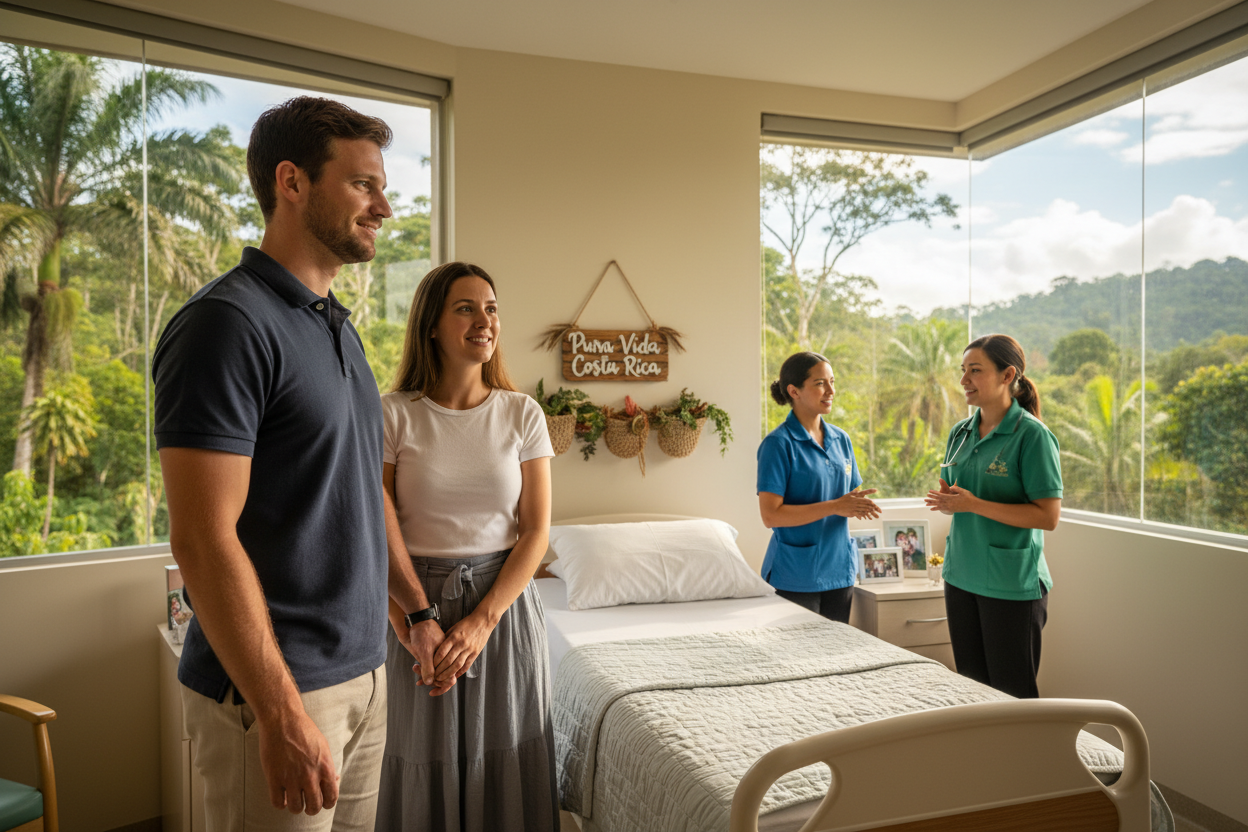
Welcoming a new baby is a profound life event. For expatriates in Costa Rica, this journey blends excitement with unique administrative steps.
This beautiful country is known for its stunning nature and eco-conscious living. It also boasts a healthcare system ranked among Latin America’s best. We understand that navigating this system as an expectant parent requires clear, practical guidance.
Our goal is to be your trusted partner. We provide straightforward information on public and private medical care options. Starting your preparations early is crucial for a smooth experience.
This guide covers the essential details—from prenatal visits to birth registration and residency planning. We focus on realistic timelines and necessary paperwork. Let us help you feel confident and supported during this special time.
Understanding the Expat Experience in Costa Rica
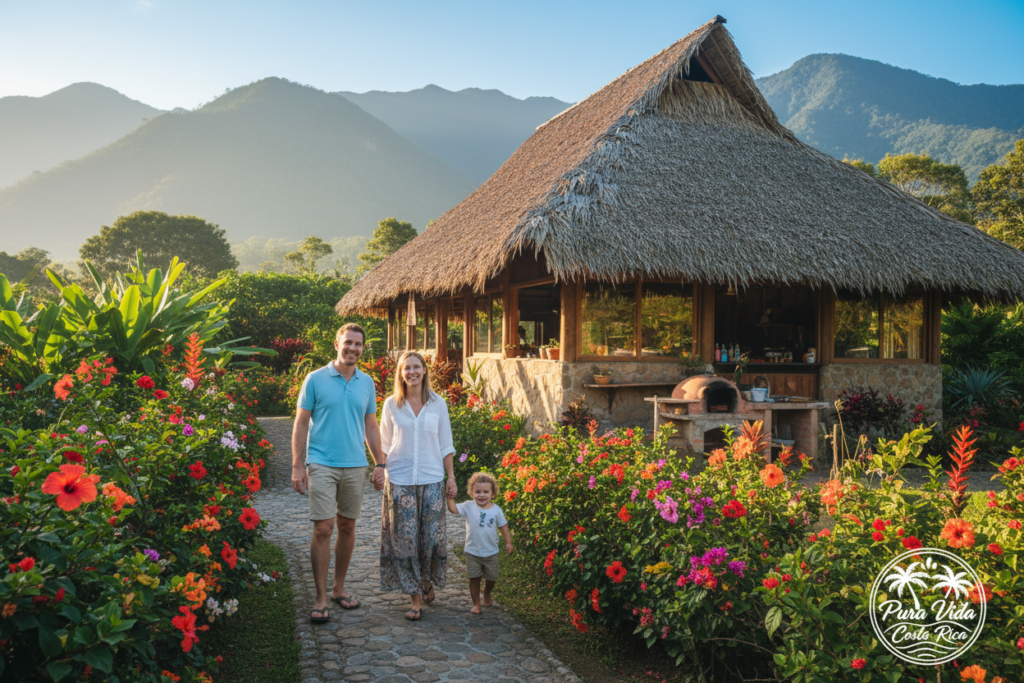
For many, the allure of Costa Rica extends beyond vacation to building a lasting home for a growing family. This country has earned a strong reputation as a nurturing environment for raising children.
The appeal lies in a unique blend. You find a relaxed pace of life paired with access to high-quality medical facilities. A friendly local culture and abundant outdoor adventures create an ideal setting for family life.
We understand that moving to a new country involves significant adjustments. This is especially true when preparing for the arrival of a new family member. The practical steps can feel overwhelming amidst the excitement.
Our role is to help you navigate these cultural nuances and administrative realities. We provide grounded guidance for living in this vibrant and safe environment. Think of us as your partner in planning.
By understanding the local lifestyle upfront, you prepare for both opportunities and challenges. This foresight turns a complex transition into a more confident and fulfilling experience.
Navigating the Public Healthcare System (CCSS – “La Caja”)
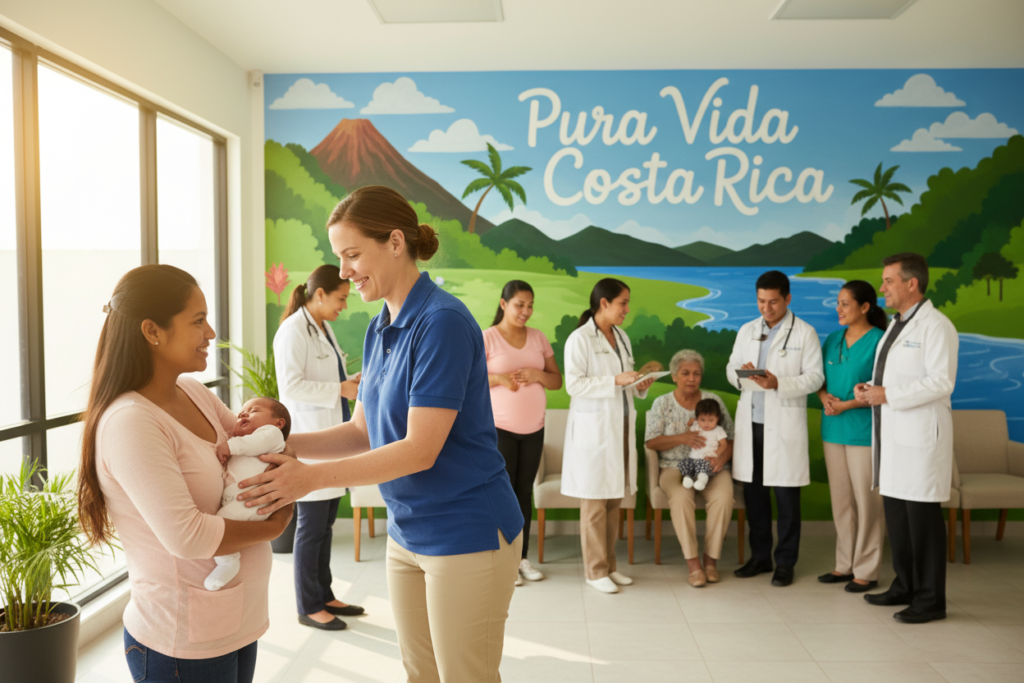
Gaining access to Costa Rica’s universal public healthcare is a critical first step for maternity planning. The system is managed by the Caja Costarricense de Seguro Social (CCSS).
Legal residents contribute monthly, typically 7-11% of their declared income. This funds comprehensive coverage for expecting parents.
Prenatal Care and Basic Maternity Services
Once enrolled, you are assigned to a local Ebais clinic. Here, you receive standardized prenatal care throughout your pregnancy.
This evidence-based approach ensures consistent monitoring and support. It forms the foundation of maternity services within the public system.
What to Expect in Public Delivery Facilities
Public hospital wards for delivery are clean and functional. It is common, however, to have shared labor rooms.
Protocols regarding birth partners and visitors can be strict. Understanding these settings helps manage expectations for your hospital experience.
While this care model is highly cost-effective, we offer a candid note. Wait times for routine appointments can sometimes extend for several weeks.
We strongly recommend registering with the Caja early in your process. This secures your eligibility and access to these essential services.
Exploring Private Hospital Options and Maternity Care
For those seeking a more tailored experience, the private healthcare sector offers distinct advantages during pregnancy and delivery. Major facilities like CIMA, Clínica Bíblica, and Hospital La Católica are popular choices. They provide a different model focused on personalized attention.
Advantages of Private Care for Expats
We often find expatriates choose private hospitals for maternity care. A key benefit is access to English-speaking doctors and staff. This greatly eases communication during a sensitive time.
Appointment wait times are also significantly shorter. You can schedule visits and procedures with more flexibility and predictability.
Personalized Birth Plans and Modern Facilities
You have the freedom to select your own OB-GYN. This allows for a consistent, personalized relationship throughout your journey. Facilities like CIMA in Escazú feature modern private recovery rooms.
Creating a detailed birth plan is a standard option here. While this care comes at a higher price, many families view it as a valuable investment. The comfort, privacy, and advanced neonatal resources provide significant peace of mind.
We advise discussing specific preferences, such as water births, with your chosen doctor early on.
navigating-childbirth-and-maternity-for-expats-in-costa-rica
The foundation of a confident maternity journey in Costa Rica lies in understanding your healthcare choices. This section serves as your central guide to the dual-track system. We focus on the critical link between medical support and legal steps for foreign families.
Proper planning is the key to a smooth transition. The public and private models offer different experiences in prenatal care, delivery settings, and costs. Aligning your expectations with these realities allows for informed decisions.
Your choice will shape your experience from the first prenatal visit through your baby’s birth. We combine professional insight with practical advice for this process. Think of this as your trusted resource for navigating childbirth locally.
Review this information regularly as your pregnancy progresses. A clear understanding of the Costa Rica care system empowers you to prioritize your family’s health from the start.
Step-by-Step Guide to Costa Rica Residency via CRIE (CRIE.cr)
The path to residency in Costa Rica involves clear categories and precise documentation, managed expertly by services like CRIE. We provide a structured process to help you determine your eligibility and gather the correct paperwork.
This step-by-step guidance is crucial for a successful application. It saves you significant time and prevents common errors.
Who Qualifies? (Pensionado, Rentista, Inversionista)
Costa Rica offers several main residency pathways. The Pensionado category requires a guaranteed lifetime pension of at least US$1,000 per month.
The Rentista status demands proof of a stable US$2,500 monthly income for two years. For the Inversionista (Investor) category, a minimum investment of US$150,000 is required.
Please note, the Digital Nomad visa is a separate legal status. It does not lead to permanent residency or citizenship.
Required Documents: Apostilles, Translations, and More
You must prepare key documents from your home country before you arrive. This includes obtaining apostilles and certified Spanish translations for birth certificates and police records.
For Inversionista applicants, any property investment must be held in your personal name. Using a corporate structure can invalidate the application.
We recommend visiting the CRIE.cr office online for detailed information. Their team provides expert guidance to navigate the entire process efficiently, saving you valuable time.
Important Timelines and Milestones for Residency and Maternity Planning
Two parallel timelines define the expat maternity experience. One follows your baby’s development and medical care. The other tracks the legal paperwork for your family’s status.
Coordinating these schedules is essential for a low-stress journey. We help you map out the critical dates from the very beginning.
Document Preparation and Submission Schedules
You must start gathering documents well before your due date. A key driver is the Civil Registry’s strict rule. Birth registration must be completed within a 30-day window.
We suggest integrating this administrative task with your prenatal appointment schedule. This proactive approach prevents last-minute rushes.
Processing Periods and Expected Wait Times
Here is a crucial reality check. Residency approval through the DGME typically takes between nine and eighteen months. This extended processing time requires patience and advance planning.
Your maternity coverage must be secured long before this approval is finalized. We can help you create a master calendar. It accounts for both medical milestones and lengthy legal waits.
Our team at CRIE.cr specializes in aligning these complex timelines. This ensures your family remains in good standing throughout your entire journey in Costa Rica.
Preventing Common Mistakes in Residency Applications
Many expats find the most stressful part of starting a family abroad isn’t the birth itself, but the paperwork that follows. Incomplete documentation is a leading cause of application delays in this country.
We always advise you to verify all current requirements directly at the official migracion.go.cr website. This ensures your application aligns with the latest immigration regulations.
Tips for Accurate Documentation
A frequent error is failing to provide properly apostilled and translated documents from your home country. Each residency category has specific evidentiary requirements.
Documents are not interchangeable. Inaccurate or missing information can lead to significant processing delays within the system.
How to Avoid Application Pitfalls
Having a professional review your file before submission is a wise step. By working with a trusted office like CRIE.cr, you can navigate these administrative hurdles with confidence.
This approach helps you avoid the common errors that often stall the residency process, providing peace of mind during a busy time.
Legal Aspects and Administrative Steps for Birth Registration
Securing your child’s legal identity in Costa Rica involves specific steps with firm deadlines. This process formally establishes your newborn’s status and unlocks future administrative actions. We guide you through this essential post-delivery phase.
Registering Your Child (Acta de Nacimiento)
Your first task is to obtain the official birth certificate from the hospital. You must then register this document with the Civil Registry. This critical step has a non-negotiable deadline of 30 days.
Upon successful registration, your child is issued a Costa Rican identification number, known as a cédula de menor. This number is the foundational legal record for your child in this country.
Obtaining Official Certifications and Passports
This local ID is the prerequisite for applying for a Costa Rican passport. This document is necessary for any international travel with your newborn.
We must highlight an important rule. Because your child is a citizen, you need an official exit permit signed by both parents before leaving the country.
Registering the birth with your home country’s embassy is equally vital. It secures your child’s foreign citizenship and travel documents. We advise keeping all original papers in a secure, organized location for future legal needs.
Benefits of Childbirth in Costa Rica for Expats
Choosing to have your baby in Costa Rica unlocks a set of unique legal and lifestyle benefits for expatriate families. This decision provides advantages that support both immediate well-being and long-term planning.
Access to Quality Maternity and Pediatric Care
You gain access to a high standard of medical support for both mother and child. The country’s healthcare network offers excellent pediatric services.
This is backed by a community that genuinely values the health and development of all children. You can feel confident in the level of care available from birth onward.
Enhanced Family and Residency Advantages
Costa Rica follows the principle of jus soli. This grants automatic citizenship to any child born on its soil, regardless of parental nationality.
This status creates a direct pathway for parents. You can apply for permanent residency, known as Residencia Permanente por Vínculo. This status includes full legal work rights.
The ability to secure stable legal status through your child is a significant advantage. It simplifies long-term planning for your family’s future. For a deeper look at the legal landscape, explore the path to citizenship and related processes.
We are here to help you leverage these benefits. They form a stable foundation for a prosperous life for your family in this beautiful country.
Understanding Dual Citizenship and Residency Pathways
The legal status of your newborn can open significant doors for your family’s future. This country recognizes dual citizenship for all babies born within its borders.
Your child can hold both a local passport and the passport of your home country simultaneously. This creates a unique legal advantage from the moment of birth.
Residency Benefits Through a Costa Rican-Born Child
Parents of a Costa Rican child gain access to an efficient residency pathway. This permanent status removes restrictions faced by temporary visa holders.
You can work or run a business freely under this category. It is one of the most straightforward ways to secure long-term legal standing.
Considerations for Parental Citizenship Applications
Transitioning to permanent residency requires specific legal steps. We encourage you to consult with our experts at CRIE.cr to understand these requirements.
Understanding these pathways early allows for strategic family decisions. It benefits your entire family’s legal and financial future in this country.
Integrating Cultural Differences in Maternity Experiences
The way a society cares for mothers and newborns reveals its core values, and Costa Rica’s approach is distinctive. Your maternity experience here will be shaped by more than just clinical appointments.
Integrating into the local lifestyle means embracing a culture that deeply values family and community support. The pace of life is often slower and more intentional, which can positively influence your prenatal journey.
Adapting to the Costa Rican Lifestyle and Healthcare System
You may notice the local healthcare system often takes a less interventionist approach, especially in public facilities. This philosophy of care can be a significant cultural difference from many Western countries.
We suggest connecting with local expat parent groups. Sharing stories and practical advice can help you navigate these nuances during your pregnancy and after your baby’s birth.
Adapting to these differences can lead to a more rewarding experience. Our team provides the guidance you need to bridge the gap between your expectations and the realities of the local medical and social environment.
Preparing for Labor and Delivery: Insights and Tips
Entering the delivery room with confidence stems from understanding hospital protocols and your own pain management options. We find that a little preparation goes a long way toward a positive birth experience.
Effective Communication and Language Assistance
Clear dialogue with your doctors is essential. Discuss your preferences for pain relief and any birth interventions early in your third trimester.
In private facilities, English-speaking staff are common. If using the public system, we recommend learning key Spanish phrases or arranging for a translator.
Our experience shows that reviewing your birth plan with your obstetrician well in advance ensures your wishes are understood and respected.
Understanding Hospital Protocols and Support Services
Most private hospitals allow your partner to stay throughout the entire labor and delivery process. This continuous support can be incredibly comforting.
Epidurals are widely available in private facilities but may be limited in public ones. Knowing this helps you set realistic expectations for pain management.
Familiarize yourself with policies on immediate postpartum care. This includes skin-to-skin contact and breastfeeding support. Understanding these protocols empowers you during your hospital stay.
The Role of CRIE in Facilitating a Smooth Process
Expert guidance transforms the complex paperwork of starting a family abroad from a source of stress into a managed process. The legal steps for residency and your child’s birth registration require precise attention to detail.
We step in as your dedicated partner. Our goal is to ensure every document is accurate and every deadline is met.
Expert Guidance and Step-by-Step Assistance
At CRIE, we specialize in navigating the residency and immigration landscape. We provide clear, reliable information tailored to your family’s unique situation.
Our team offers step-by-step assistance from document preparation to final submission. We review your file to prevent common errors that cause delays. This allows you to focus on prenatal care and the joy of your upcoming birth.
How to Connect: WhatsApp +506 8706 3888 | info@crie.cr
You can reach our dedicated team directly for support. Contact us via WhatsApp at +506 8706 3888 or email info@crie.cr.
Let us handle the administrative burdens. This gives you peace of mind to welcome your new baby in Costa Rica with confidence and focus on family care.
Document Checklists and Essential Preparations
A meticulous pre-arrival checklist is your best defense against administrative delays when planning for your baby’s arrival abroad. We help you organize every required paper for both medical care and legal status.
Pre-Arrival Checklist for Residency and Childbirth
Start by gathering all necessary documents for your residency application and upcoming birth. This includes passports, marriage certificates, and medical records.
Create a dedicated folder for these items. Having everything organized saves precious time and reduces stress later. You can then focus on your health and family needs.
Ensuring All Translations and Apostilles Are Ready
Foreign documents must have apostilles and certified Spanish translations. This step is mandatory and prevents significant processing delays.
Keep all original papers in a secure place. For specific guidance on family-based applications, explore our resource on residency for spouses in Costa Rica. Our team provides a comprehensive checklist to ensure nothing is missed.
Planning for Postpartum Care and Family Integration
Successfully transitioning into life with a newborn involves securing proper postpartum support and integrating your child into your new home environment. This phase is a critical part of your journey, blending medical follow-up with family adjustment.
Post-Delivery Support and Infant Care
Routine neonatal screenings, like the tamizaje neonatal, are standard here. They ensure your baby’s health and well-being after birth. These checks are a key component of postpartum care.
Many private hospitals offer dedicated lactation clinics. Expert counseling supports you as you establish a successful breastfeeding routine. This professional help can make a significant difference in your early parenting experience.
Integrating your new baby into your family life in this country is a rewarding process. Local resources and expat groups often provide valuable community support. We suggest planning for your recovery by arranging for help at home.
This allows you to focus on bonding with your newborn. Our guidance extends beyond the delivery room. We help you find the support services needed to thrive during the early weeks of parenthood.
Adapting to the Costa Rican Lifestyle and Healthcare System
Adapting your family life to Costa Rica means embracing practical realities, like the high cost of imported baby products. Imported strollers, car seats, and other gear are subject to significant taxes. We find that opting for local alternatives is a smart financial choice that also supports the community.
Your adaptation also involves engaging with the local healthcare system. This network offers a unique blend of public and private options. Understanding this structure helps you make confident choices for your family’s well-being.
Your overall experience in the country will be shaped by your willingness to connect. Embracing the local “Pura Vida” ethos and joining parent groups can enrich your daily life. This community integration is invaluable when raising a baby in a new place.
Staying informed helps you navigate challenges while enjoying the many benefits here. We are here to support your adaptation process. Our insights help you feel at home and confident in your new environment.
Final Reflections and Next Steps for Your Expat Journey
Your upcoming due date marks not just a medical milestone, but a key administrative deadline for your family. It is the moment your planning meets reality for the birth of your child.
We have walked through the essential steps. This includes selecting prenatal care, choosing between hospitals, and understanding the legal pathways after the baby arrives. Your preparation defines this entire experience.
As this time approaches, ensure all documents are ready. Maintain clear communication with your doctors about your birth preferences. This proactive effort is crucial for a smooth delivery.
We are here to support your next steps. Contact our team to navigate post-birth paperwork and residency filings. With careful planning, your growing family can thrive in its new home.
FAQ
What are the main differences between public and private maternity care in Costa Rica?
The public system (CCSS) offers comprehensive prenatal and delivery care at minimal cost, but wait times can be long and facilities are often crowded. Private hospitals like Hospital CIMA, Hospital Clínica Bíblica, and Hospital La Católica provide faster access, private rooms, more personalized attention, and advanced birthing options like water births, which many expats prefer.
How do I choose the right doctor and hospital for my birth in Costa Rica?
Start by researching well-regarded obstetricians who speak English and have experience with expat patients. We recommend scheduling consultations with a few doctors to discuss your birth plan. Visit private hospital maternity wards, such as those at Hospital Metropolitano or Hospital San Rafael de Alajuela, to tour the facilities and meet the staff before making your final decision.
What legal steps are required to register my newborn and obtain their passport?
First, the hospital provides a birth certificate. You must then register the child at the Civil Registry (Registro Civil) to get the official “Acta de Nacimiento.” With that, you can apply for a Costa Rican cédula and passport for the child. Simultaneously, contact your home country’s embassy to begin the process for their foreign passport, ensuring your baby has dual citizenship documentation.
Can having a baby in Costa Rica help with my residency status?
Yes. A child born in Costa Rica is automatically a Costa Rican citizen. While this doesn’t grant parents automatic residency, it creates a strong familial link. This can significantly support and expedite applications for residency under categories like “Pensionado” or “Rentista,” as family unity is a priority for immigration authorities.
What should I include in my hospital bag and postpartum plan?
Pack copies of your passport, insurance documents, and prenatal records. Include comfortable clothing and items for personal comfort. For postpartum, plan for in-home support—consider hiring a “doula” or “madre cuidadora” for help with infant care and recovery. Arrange pediatrician visits in advance and understand your private insurance coverage for follow-up care for both you and your baby.
How can CRIE assist me during my maternity and residency process?
We provide end-to-step guidance. Our experts help you navigate the healthcare system to find the right prenatal care, explain the legal requirements for birth registration, and manage the entire residency application process—from document preparation and apostilles to submission and follow-up with immigration. We act as your local partner to streamline these complex, parallel procedures.
Article by Glenn Tellier (Founder of CRIE and Grupo Gap)
Don't wait, contact us right now!
Call or WhatsApp Costa Rica +506 8373 2085 or +506 8706 3888
Call USA/Canada +1 305-906-6784