
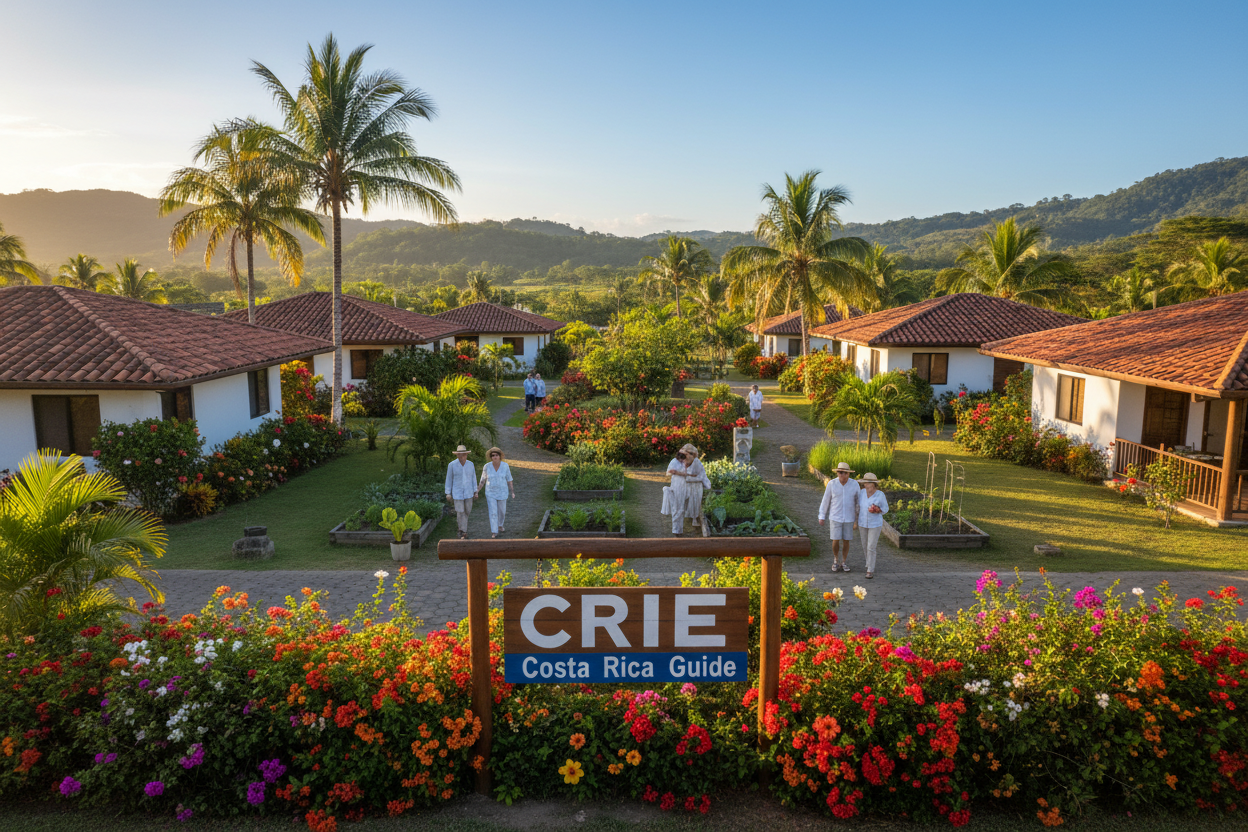
This practical buyer’s guide helps you understand how retirement communities work in costa rica and how to plan realistic tours. It shows how to compare locations from beach towns to cooler Central Valley options, and it focuses on lifestyle choices rather than legal or financial steps.
The guide is aimed at U.S.-based retirees and near-retirees who want to narrow options before booking flights. Examples like Tamarindo, Playas del Coco, Quepos/Manuel Antonio, Santa Ana, Grecia, Heredia, and Arenal illustrate daily life and typical community vibes.
Expect a clear checklist, touring questions, and calm safety tips for beaches and rainforests. Topics you’ll see: location and climate, home style, amenities, daily logistics, and simple routines to prevent petty theft.
The article ends with a quick checklist and FAQ, plus a light call-to-action to contact CRIE for residency-category questions without turning this guide into legal advice.
Why Costa Rica is on retirees’ shortlists right now
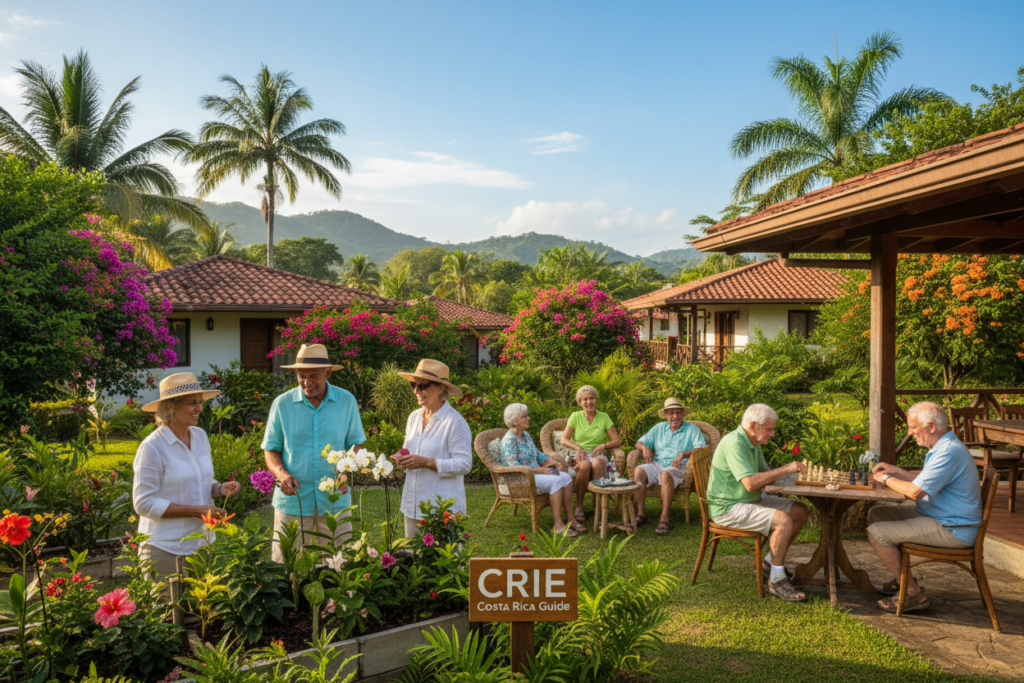
Retirees often shortlist costa rica for a clear reason: daily life here blends warm people, easy rhythms, and big nature. That mix shapes simple routines — from slow-market mornings to neighborly chats over coffee.
Pura Vida and welcoming local culture
Pura Vida is more than a slogan. It signals kindness, patience, and a slower pace that affects errands, appointments, and social life. This ease helps someone who wants fewer rush hours and more neighborly time.
Stunning natural beauty that fits your routine
If morning beach walks appeal, Pacific coast towns put sand and surf at your doorstep. If cooler, city-like conveniences matter, the Central Valley offers milder temps and stronger infrastructure.
Climate variety and simple microclimates
The same country can feel very different. Parts of the Central Valley stay cool; coastal areas are warmer and more humid. Choose where your daily comfort matches the weather you prefer.
Nicoya Blue Zone inspiration
The Nicoya Peninsula shows lifestyle habits to borrow: walking more, eating simply, and staying socially active. These are practical habits to add to daily life, not promises of specific health outcomes.
- Match heat tolerance and activity level to region
- Pick a shortlist that fits errands, friends, and visitors
- Next: learn what “retirement community” includes and what it does not
| Region | Daily vibe | Best fit for |
|---|---|---|
| Pacific coast | Beach access, warmer, outdoor life | Morning swims, boat days, water activities |
| Central Valley | Milder temps, urban conveniences | Cooler weather, easier medical access, city comforts |
| Nicoya Peninsula | Blue Zone habits, tight-knit towns | Walkable routines, community-focused life |
What “retirement community” means in Costa Rica (and what it doesn’t)
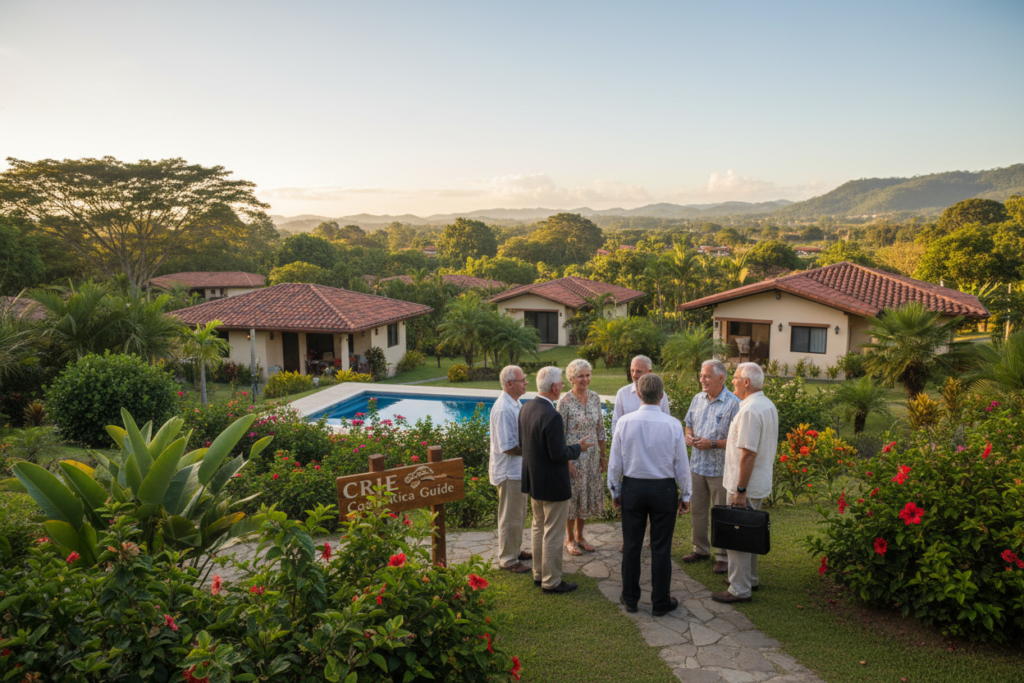
In Costa Rica, a “retirement community” can mean several different living options. It might be a gated neighborhood with shared amenities, a resort-style development, or simply a walkable town where many retirees cluster. Each setup affects daily life, social chances, and levels of independence.
Common setups you will see
Gated developments usually offer pools, fitness areas, security gates, and landscaping services. Resort-style projects add social calendars and on-site dining. Walkable towns rely on nearby shops, restaurants, and markets to create community life.
- Expect optional maintenance help and community events in many locations.
- Daily independence remains the norm; most residents handle errands and chores themselves.
- HOAs may set rules on pets, rentals, noise, and exterior changes—ask early.
| Setup | Typical amenities | Best for |
|---|---|---|
| Gated developments | Pool, gym, security, landscaping | Those who want low-maintenance homes and safety |
| Resort-style | Social programs, dining, concierge options | People who value on-site events and services |
| Walkable towns | Local shops, markets, marinas, street life | Independent residents who want easy access to daily needs |
Social mixes vary: some places have many English-speaking expats, others feel more local. Both can suit retirees depending on whether they want a big expat circle or immersion in daily Costa Rican living. For more on practical touring and neighborhood options, see the guide at retirement communities in Costa Rica.
Choosing the right fit: a practical checklist before they tour
A short checklist helps focus tours on real daily life, not just vacation charm.

Start by writing non-negotiables: walkability, quiet, ocean view, cooler nights, or easy errands. Note which location traits matter most before you fall for a vacation vibe.
Landscape match
If beach mornings matter, target coastal towns like Tamarindo or Quepos. If cooler nights and stronger infrastructure appeal, shortlist Central Valley areas such as Santa Ana, Grecia, or Heredia.
Community and connectivity
Decide if a strong expat network, bilingual neighbors, classes, or volunteer options are priorities. Ask about clubs, events, and daily social routines on tours.
Home styles and upkeep
Condos often mean lower maintenance. Villas and single-family homes give space but add chores. Compare properties for upkeep needs and available facilities.
| Focus | What to check | Good for |
|---|---|---|
| Walkability | Shops, markets, bank nearby | Easy errands |
| Health access | Nearby clinics, pharmacy, hospital distance | Routine health needs |
| Climate | Sea-level heat vs. highland coolness | Daily comfort |
| Sustainability | Native plants, water systems, solar readiness | Eco-minded living |
about-retirement-communities-in-costa-rica: where retirees often focus their search
Choosing by region helps visitors imagine a real week, not just a postcard view. Each part of costa rica sets a clear daily rhythm.
Guanacaste and North Pacific
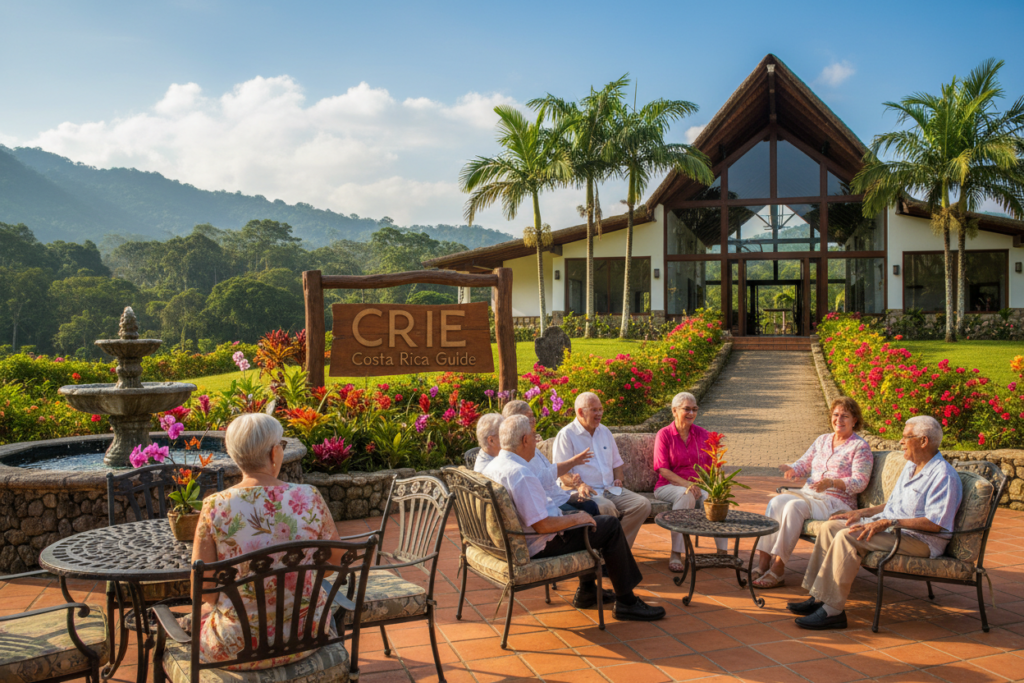
Tamarindo and Playa Langosta feel active and social with dining and services nearby. Playa Flamingo adds a marina scene and polished beach access. Most are roughly an hour from liberia international airport and have clinics and pharmacies close by.
Playas del Coco & Papagayo
Sunny skies and ocean activities define this area. It is handy for frequent travel since Daniel Oduber Quirós (LIR) is nearby.
South Pacific, Central Valley, and Arenal
Dominical, Quepos, and Manuel Antonio mix rainforest with beach life; Quepos is walkable with hospital access about 50 minutes away. Santa Ana, Grecia, and Heredia offer cooler weather, stronger infrastructure, golf and regular farmers markets. Nuevo Arenal centers on lake views, hiking, and water sports.
- Tour tip: schedule errands, traffic, and possible rain between stops — test real routines, not only scenic moments.
| Region | Daily feel | Practical notes |
|---|---|---|
| Guanacaste | Beach towns, active social life | ~1 hour to liberia international airport; clinics nearby |
| Papagayo/Playas del Coco | Sunny skies, boating, snorkeling | Close to LIR for flights and supplies |
| South Pacific | Rainforest + beach, quieter | Longer drive to SJO; Quepos has hospital access |
| Central Valley / Arenal | Cooler towns; lake and hiking focus | Easy trips to San José; hiking and golf options |
Amenities and services to compare when touring communities
Start tours by checking the practical services you will use most days. Focus on how amenities shape simple weekly routines rather than staged show homes.
Recreation to test
Try the pool, fitness centers, trails, or tennis courts you would use weekly. Note how busy and well-kept those spaces are on a normal day.
Social life and events
Ask for a real monthly calendar of workshops, cultural excursions, and clubs. Confirm whether activities are resident-led or staff-run.
Convenience checks
Measure actual distance to restaurants, shops, and the weekly market you’ll use. Drive the errand route to see real travel times.
Low-maintenance living
Clarify what services are included: landscaping, pest control, and emergency repair contacts. Know which tasks remain your responsibility.
Security basics
Verify gate procedures, lighting, visitor policies, and whether there’s an active neighborhood watch culture.
- Touring scorecard: recreation, social calendar, convenience, maintenance, security—rank each on your visit.
- Do visit at different times (midday and evening). Don’t rely only on weekend open houses.
| Category | What to check | Example notes |
|---|---|---|
| Recreation | Pool, fitness centers, trails, golf | Check Valle del Sol golf access, Quepos marina activities |
| Social | Workshops, clubs, excursions | Resident-led clubs vs. managed programs |
| Convenience | Restaurants, shops, market | Sunday market in Santa Ana; nearby grocery and dining |
| Maintenance & Security | Landscaping, repairs, gates, lighting | Ask for written lists of included services |
Daily-life logistics that matter more than the brochure
Logistics—airport runs, clinic trips, and grocery routes—decide whether a place fits everyday life. Test travel days, errands, and a dusk return to see how living truly feels.
Airport access and travel days
Flying into an international airport changes visit patterns. Tamarindo and Playa Flamingo are roughly an hour from Liberia, which makes short visits easier for friends and family.
Dominical and parts of the South Pacific are about 3.5–4 hours to Juan Santamaría, so guests may prefer fewer, longer stays.
Healthcare proximity examples
Many towns have clinics and pharmacies for routine needs. For more serious care, larger hospitals in Liberia or San José are the reference points to check travel time to.
Getting around and infrastructure
Quepos is a walkable town with buses and taxis; daily errands often need no car. In spread-out beach areas, a car makes living easier.
| Scenario | Typical travel | Why it matters |
|---|---|---|
| Coastal resort | ~1 hour to LIR | Easy visitor access, quick supply runs |
| South Pacific | 3.5–4 hours to SJO | Longer guest trips, plan for full travel days |
| Central Valley | Shorter drives to hospitals | Stronger infrastructure, stable utilities |
- Check roads in rain, ask neighbors about outages, and test internet and water pressure.
- On a tour, do a “normal day simulation”: airport route, grocery, pharmacy, and an evening return.
Do’s, don’ts, and safety tips for retirees in Costa Rica communities
Practical daily habits make living in Costa Rica easier and more enjoyable than chasing only scenic views.
Do choose neighborhoods that match your weekly routine. Test grocery runs, pharmacy visits, and places to meet friends on a normal day. Life fits best where errands, social activities, and medical access feel simple.
Do plan for heat and humidity
Sea-level towns like Quepos can feel warm; confirm A/C, shade, and airflow when touring. Look for covered walkways and screened windows to make daily living more comfortable.
Don’t underestimate drive times and clinic access
Short distances may take longer in rain or on narrow roads. Factor travel time to clinics and other services when comparing areas.
Everyday safety habits
- Keep valuables out of sight and lock doors and windows.
- Use a small crossbody bag and avoid leaving phones on café tables near busy walkways.
- Ask communities about gate rules, lighting, and visitor procedures.
Beach, wildlife, and hiking guidance
Swim where conditions are calm and heed posted warnings. Treat rip currents seriously: if unsure, stay ashore and ask locals.
Wildlife sightings are common. Do not feed animals, secure trash, and keep distance from monkeys, sloths, and coatimundis.
For hikes, go early, carry water, wear sturdy shoes, and pick trails that match fitness and humidity tolerance.
If something feels off
Start with on-site security or administration in gated communities. Move to a well-lit public area and contact local emergency services if needed. Ask a community how they handle incidents before committing.
| Situation | Practical action | Who to contact first |
|---|---|---|
| Minor theft or suspicious person | Lock doors, note details, alert guard or neighbor | Community security / local police |
| Rip current or unsafe beach conditions | Leave water, warn others, find a lifeguard or safe exit | Beach patrol / local authorities |
| Wildlife encounter near home | Keep distance, secure pets and trash, avoid feeding | Community admin / local wildlife office |
| Medical concern | Use clinic for routine; go to larger hospital for serious issues | Local clinic then hospital |
Wrapping up the search with confidence: tours, questions, and a quick checklist
End a touring trip with side-by-side notes that show which spot will suit everyday living. Pick 2–3 regions, tour like a resident, and weigh logistics over postcard views.
Quick tour questions: What are community rules? What maintenance is included? How reliable is internet and power? How does the rainy season affect roads? Where is the nearest pharmacy or clinic? What’s the airport route like?
Shortlist method: rank each place 1–5 on walkability, heat comfort, noise, healthcare access, and social fit. Keep brief notes after each visit.
If long-term stays are likely, residency categories matter. For help with residency options, contact CRIE (WhatsApp +506 8706 3888 | info@crie.cr | www.crie.cr) or explore their retirement communities costa page.
Quick checklist: pick regions, test a normal day, rank each site, and expect a match to daily routines for the best life and living fit.
FAQ
What makes Costa Rica a popular choice for retirees?
What types of retirement communities exist in Costa Rica?
Which regions should retirees consider when searching for a home?
How important is proximity to airports and hospitals?
What amenities should retirees compare when touring communities?
How does climate affect daily life and housing choices?
Are communities in Costa Rica safe for retirees?
What are realistic expectations about services and community rules?
How walkable are towns and do retirees need a car?
What healthcare options should retirees look for nearby?
How do retirees handle property maintenance and low-maintenance living?
What should retirees know about natural hazards and outdoor safety?
How does the cost of living compare to North America?
Can retirees obtain residency and what are common legal considerations?
How do retirees connect socially and integrate into local life?
Article by Glenn Tellier (Founder of CRIE and Grupo Gap)
Don't wait, contact us right now!
Call or WhatsApp Costa Rica +506 8373 2085 or +506 8706 3888
Call USA/Canada +1 305-906-6784