
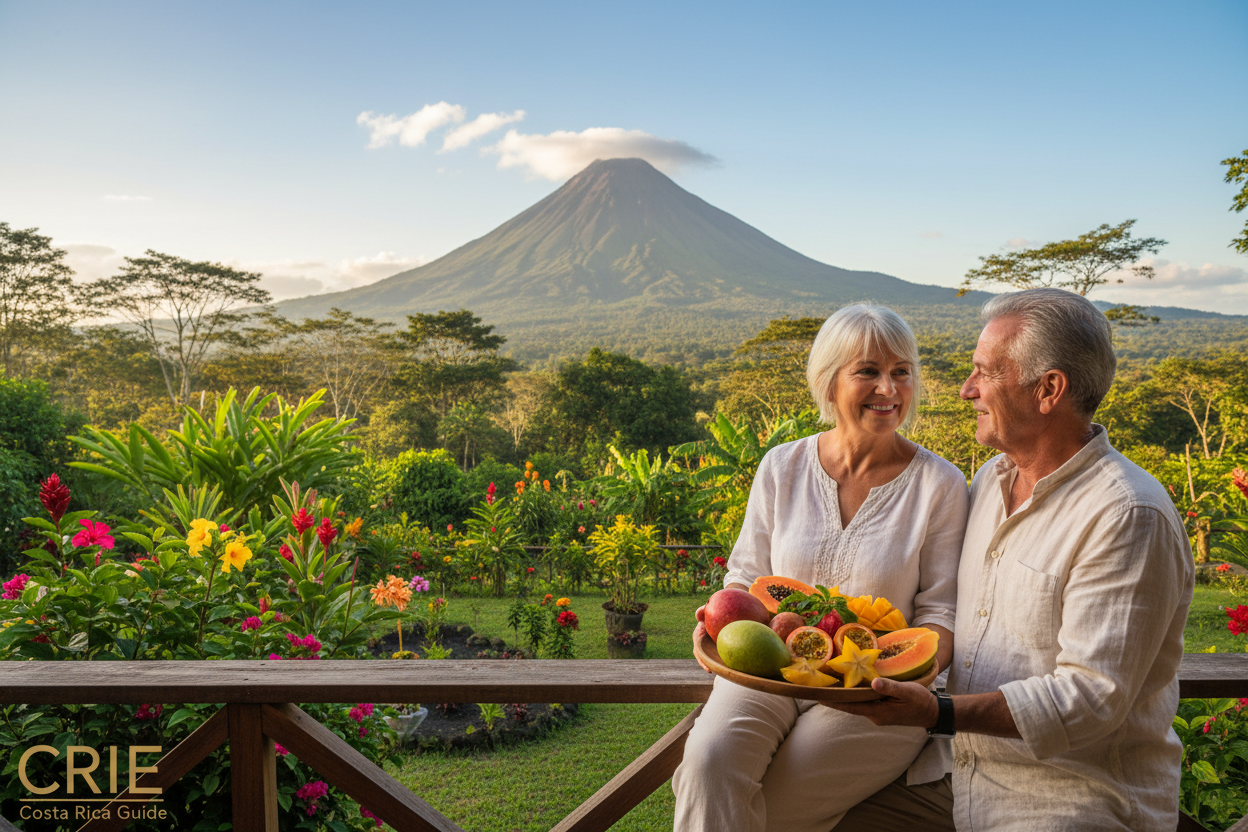
Pura Vida greets you daily and sums up a relaxed, nature-first pace. Life here blends beaches, rainforests, and friendly neighbors for an outdoors-focused lifestyle that many retirees and expats seek in the world.
Expect simpler routines, regular community markets, and more time outside. You will adapt to humidity, seasonal rain, and slower paperwork. Rent first, learn local routes, and meet neighbors before buying.
Picture one morning at a feria buying fresh fruit, a midday video call over home internet, and sunset on a nearby viewpoint. That snapshot shows how daily life shifts here and why so many find the change refreshing.
This guide helps you compare regions, test-drive daily essentials, and skip common first-year mistakes. Residency questions that affect daily plans will point you toward CRIE for specifics.
At the end, you’ll get a quick checklist, a short FAQ, and a light CTA to consult CRIE if you need category guidance.
Why Costa Rica is a great place to retire
You’ll notice a gentler tempo: neighbors greet each other with “Pura Vida,” markets run late, and simple outdoor routines replace strict schedules.

Pura Vida in day-to-day moments
Expect patient lines at clinics, friendly small-talk at the corner store, and more time outside. That greeting becomes part of your daily rhythm.
What many U.S. retirees and expats find appealing
Established expat communities, familiar conveniences in key towns, and easy access to nature make moving easier. You gain warm weather and more outdoor weekends, but you trade some scheduling speed for flexibility.
Nature, parks, and weekend adventures
One weekend might be a national park hike; the next, a quiet beach day. Mountains, rainforests, and coasts sit within reasonable drives for frequent short trips.
Political stability and calm
The country’s long democratic record and no standing army since 1949 help the overall sense of safety and quiet daily life.
- Do: talk with both Ticos and expats during visits.
- Don’t: assume every town shares the same climate or vibe.
| Benefit | Tradeoff | Best-fit region |
|---|---|---|
| More outdoor time | Variable schedules (“mañana” pace) | Guanacaste, Central Pacific |
| Strong expat community | Tourist pricing in some towns | Central Valley, Gold Coast |
| Easy weekend adventures | Microclimate differences | Southern Zone, Highlands |
Is Costa Rica the right retirement fit for you?
Evaluate how your ideal day lines up with a life that favors outdoor hours and slower services. This section helps you self-qualify without legal or financial advice.
Best match: outdoor life and a gentler tempo
If you enjoy morning walks, gardening, and swapping errands for afternoons outdoors, this lifestyle often fits. Many find retiring costa rewarding when they expect more time outside and fewer rigid schedules.
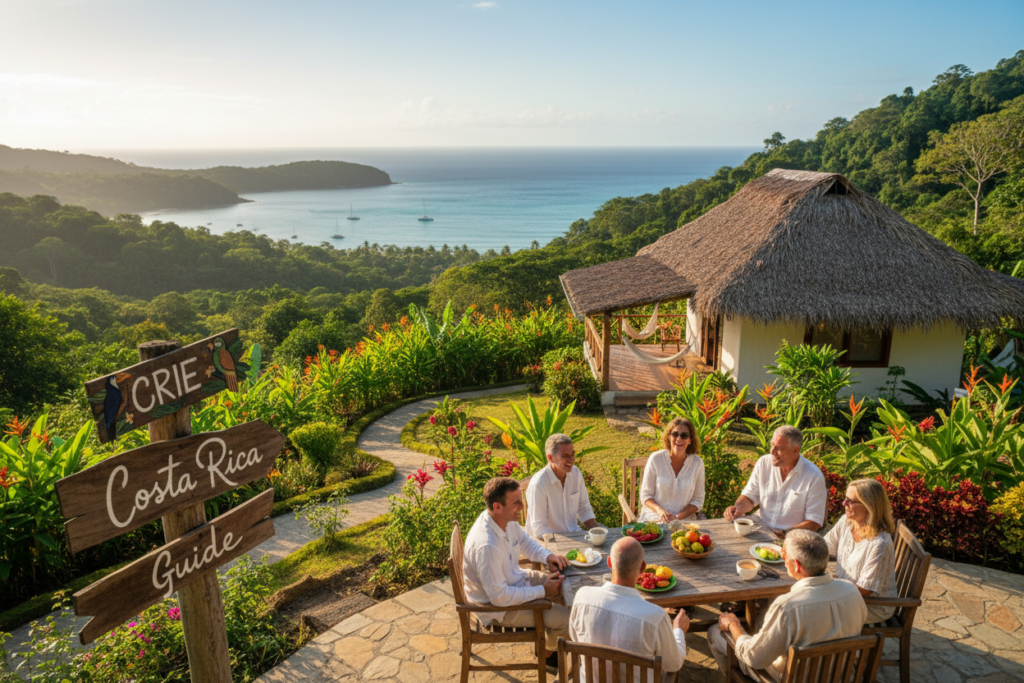
Potential deal-breakers
Humidity, the rainy season, and slower government processes can change routines. If same-day fixes and instant deliveries frustrate you, this may not suit your needs.
Simple living vs imported comfort
| Simple living | Imported comfort | Trade-off |
|---|---|---|
| Shop ferias, cook local | Hunt imported brands | Lower costs vs higher convenience |
| Walkable errands, early dinners | Depend on delivery services | Local rhythm vs on-demand life |
| Adapt to microclimates | Require AC and imports | Natural pace vs higher monthly income needs |
- Do: list your non-negotiables before deciding.
- Don’t: plan life around vacation days—test a normal Tuesday.
For long-term plans and residency requirements, consult CRIE for options rather than guessing.
Where to retire in Costa Rica: choose your region by lifestyle
Think in terms of mornings, errands, and hospital runs when choosing where to live. Pick regions that match weekly rhythms, not just a vacation snapshot.
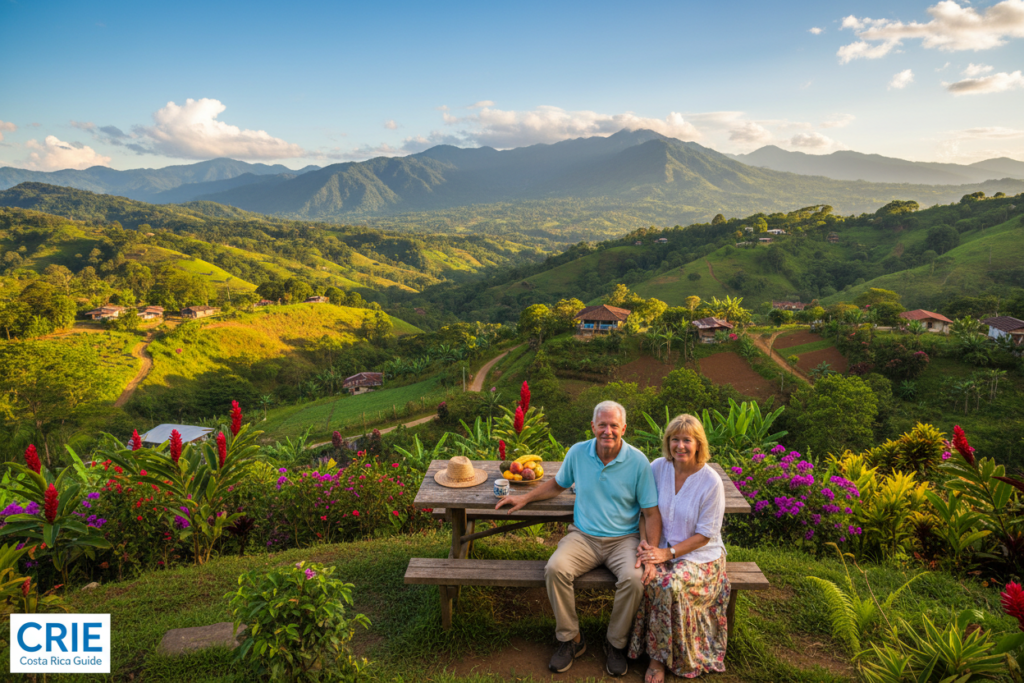
Central Valley and San José
If you want easy access to services, the central valley offers the best convenience. San José has major private hospitals like Hospital CIMA, Clínica Bíblica, and Hospital La Católica nearby.
Guanacaste and the Gold Coast
Sun, strong expat pockets (Tamarindo), and beach life define this area. Expect lively community hubs and some tourist-town realities like higher prices and petty theft precautions.
Central Pacific
Beach living with faster access to san josé makes errands and specialist visits simpler. It suits you if you want ocean days and city services on short notice.
Southern Zone, Caribbean, Lake Arenal/highlands
The southern zone feels rainforest-remote with quiet towns. The caribbean coast has a laid-back, island vibe and English in pockets. Lake Arenal and the highlands bring cooler weather and lake views—but plan trips and services ahead.
- Do: shortlist 2–3 regions that match humidity tolerance, walkability, hospital access, and community size.
- Don’t: assume one home base covers every lifestyle or every errand; microclimates and roads matter.
| Region | Feel | Best fit |
|---|---|---|
| Central Valley | Convenience, hospitals | Service-focused living |
| Guanacaste | Sunny, beach community | Sun-and-expat life |
| Southern/Caribbean/Arenal | Remote, relaxed, cool | Quiet or nature-first options |
Scouting trip game plan: how to “try retiring in Costa Rica” before you move
Plan your scouting trip like a short trial of daily life, not a sightseeing sprint. Stay longer in fewer towns and force normal chores into your schedule.
Stay in two or three areas, not five
Pick two or three locations that reflect the range you want. Spend at least one week in each so you notice night noise, water pressure, and road access.
Visit in both dry season and rainy season
Try at least one month during the wet season. Rain changes mold risk, bugs, driving, and how much time you spend outdoors.
Test-drive essentials and safety checks
Run a full grocery shop, stream a movie on local internet, find the nearest clinic and pharmacy, and walk morning and evening routes.
- Do: rent first to learn neighborhoods and microclimates.
- Don’t: buy real estate on your first visit — you need time for repairs and local pricing patterns.
Example two-week itinerary
Week 1: Central Valley town for services, clinics, and errands. Week 2: Coast town for beach rhythm and night noise. Compare drive frequency and sleep quality.
| What to test | How to check | Expected issues |
|---|---|---|
| Groceries | Do one full shop and cook | Imported items limited, local produce abundant |
| Internet & streaming | Stream HD movie during peak hours | Speeds vary; consider backup hotspot |
| Safety & parking | Check street lighting, gated parking | Secure parking and storage matter at beaches |
This practical approach gives you living samples and solid advice before making estate or long-term housing decisions.
Cost of living in Costa Rica: what really changes your monthly budget
Small daily choices add up, but three big factors drive most of your monthly spending. Understanding them helps you plan realistic monthly income needs without guessing.
The biggest drivers: location, AC use, and tourist-town pricing
Your neighborhood sets baseline costs. A walkable central valley town often means fewer drives, less appliance use, and more local shopping.
By contrast, a beach town can push up bills. You may run air conditioning more and face tourist-town pricing on some goods and services.
Everyday savings moves retirees use
Many residents shop at weekend ferias for seasonal produce, buy local brands, and pay cash at small stores when accepted. Those habits lower routine spending and support small businesses.
- Stock up: pick fruit and veg at a feria, then buy staples during one larger trip.
- Choose seasonal produce and local pantry items over imported brands.
- Carry small bills for cash discounts at neighborhood shops.
Utilities and humidity reality check
Humidity shapes routines. Plan laundry for dry windows of the day and use closet airflow to limit mold and extra appliance runs.
Reducing peak AC hours — early morning and late evening — can cut utilities and keep comfort high.
Transportation choices: walking towns vs needing a car
Decide if you want walkable errands or a car-centered life. Walkable towns trim transport costs and increase daily exercise. Remote or beach areas often require regular drives for groceries and appointments.
| Routine | Central Valley (walkable) | Beach town (drive-heavy) |
|---|---|---|
| Appliance use | Lower AC/dehumidifier hours | Higher AC use, more dehumidifying |
| Shopping habits | Regular ferias, short trips | Fewer large stores, some tourist pricing |
| Transport | Walk or short taxi rides | Daily drives likely |
Do: track your first 30 days of spending by groceries, utilities, transport, and eating out to learn your local pattern.
Don’t: assume cheaper than the U.S. means cheap for your lifestyle — location and comfort choices change the cost picture quickly.
For more details on retirement options and how location affects budgets, see this guide on cost of living.
Housing and real estate: renting, buying, and avoiding common mistakes
Finding the right home starts with testing routine life, not listings. Treat housing as a fit decision: your comfort, noise tolerance, climate preference, and access to services matter more than a headline deal.
Renting tips: what to check before you sign
Before you sign, test water pressure, cell signal, and backup internet options. Listen for night noise and check proximity to main roads.
Walk through during rain if possible to inspect drainage and mold risk. Test outlets, window screens, and ask about outage history and included appliances.
Buying property basics
U.S. citizens can buy and own property here. Move slowly: verify paperwork with qualified professionals and avoid emotional rushes.
Consider title checks and clear explanations of local requirements before making offers. Use trusted help and take time over decisions that affect your daily life for years.
Beach vs mountain living
| Feature | Beach | Mountain |
|---|---|---|
| Climate | Higher humidity, salt air | Cooler, drier air |
| Utilities | More AC, corrosion risk | Less AC, potential heating/dehumidifying |
| Access | Sometimes farther from hospitals/services | Closer to services in many valleys |
Don’t fall for “cheap real estate only” thinking
Cheap can hide daily costs: long drives, limited healthcare, or poor internet. Many regret buying on price alone.
Do rent through at least one seasonal change and try local neighborhoods. Don’t let a fast-talking sales pitch replace your own testing.
For guided visits and clearer local options, consider retirement tours before you commit.
Healthcare in Costa Rica: how retirees actually use the system
Healthcare here works like a two-tool kit: public services for routine care and private clinics for faster diagnostics. You’ll choose one or both depending on location, patience, and income needs.
Caja public healthcare: day-to-day expectations
Caja provides broad coverage for many routine services after residency steps are completed. Expect a procedural flow, scheduled visits, and sometimes longer waits.
Private care near San José and beyond
Many expats mix systems. Private hospitals like Hospital CIMA, Clínica Bíblica, and Hospital La Católica offer faster tests and English-speaking staff.
Practical tips and what to pack
- Bring a printed list of medications with generic names and digital copies of records.
- Pack extra glasses, a buffer supply of essential meds, and recent prescriptions.
- Identify your nearest clinic, hospital, and 24/7 pharmacy during a scouting trip.
| Need | Typical route | What to expect | Best for |
|---|---|---|---|
| Routine checkups | Public healthcare (Caja) | Scheduled visits, stepwise process | Lower-cost ongoing care |
| Specialist tests | Private clinics/hospitals | Faster appointments, English-speaking staff | Quick diagnostics and referrals |
| After-hours help | Private ER or local hospital | 24/7 service in larger towns | Urgent needs when nearest clinic closed |
Residency often ties into access and contributions like social security. For questions about the right residency category, consult CRIE rather than guessing.
Safety in Costa Rica: smart habits for retirees
A relaxed vibe doesn’t remove the need for clear safety routines you can repeat daily. Think prevention, not panic. Small habits cut most common risks and help you enjoy local community life with confidence.
Petty theft and beach basics
Keep phones and jewelry out of sight. At the beach, use a waterproof pouch or take turns watching belongings while others swim. Never leave bags visible in a parked car.
Parking and scam awareness
Choose well-lit parking and check that doors lock. For bank or phone contacts, remember banks will not ask for card numbers or PINs by phone. If a caller claims to be your bank, hang up and call the official number on the back of your card.
After-dark and city sense
In San José and busy tourist zones, stick to main streets, use trusted transport, and avoid isolated blocks at night. Your local neighbors and hosts make good guides on which areas feel safe after dark.
What to do if something happens
Document time, location, and photos right away. Keep copies of IDs and emergency contacts in a separate place. Ask your hotel or a trusted local contact for help filing a report and for translation if needed.
| Risk | Simple action | Why it helps |
|---|---|---|
| Petty theft | Store valuables out of sight | Reduces temptation |
| Car break-ins | Park in lighted, busy areas | Makes theft harder |
| Scams | Verify calls via official numbers | Stops fraudulent access |
Daily life essentials: Spanish, money routines, and getting settled fast
Start your first month with simple habits that make daily life predictable and pleasant. Focus on language, money routines, and a basic backup plan for internet and power.
Spanish you’ll use weekly
Learn greetings, polite phrases, numbers, directions, and common pharmacy terms. Locals appreciate the effort even if your accent is rough.
Money, metric units, and quick habits
Think in colones for daily buys and learn metric measures for markets and weather. Check exchange rates before large purchases and carry small bills for local discounts.
Banking and documentation
Opening a costa rican bank account can take time and paperwork. Some steps are easier with residency on hand, so keep alternative payment methods while you wait.
- Do: keep digital and paper copies of IDs and residency papers.
- Don’t: assume banking is instant—plan several trips and expect checks.
| Need | Action | Result |
|---|---|---|
| Internet outage | Use a mobile hotspot | Calls and streaming continue |
| Bank access | Bring residency document or a passport | Smoother account setup |
| Tax reminder | Consult a pro | U.S. citizens handle taxes and social security obligations |
First 30 days: learn basic Spanish, set money routines, and keep a charged hotspot and surge protector. These small moves save time and ease living here.
Community and lifestyle: how retirees build a “pura vida” routine
When you stitch small habits into your week, the new locale begins to feel like home. That steady rhythm turns friendly faces and favorite spots into real community and a comfortable lifestyle.
Finding your people
Join local expats Facebook groups and WhatsApp chats, sign up for language exchanges, and volunteer where locals gather. These channels connect you quickly with support, errands help, and social invites.
Balance time with expats and time with neighbors who have lived here for years. Local friends teach unspoken norms and practical fixes that make daily living smoother.
Staying active and social
Mix weekday beach walks, short national park hikes, and yoga classes in coastal towns. Plan one short trip each month to explore a nearby region without over-planning.
Family visits, pets, and a weekly template
Set guest expectations early about weather, driving, and smaller homes. Pick two “anchor” activities for visits so guests relax instead of rushing.
For pets, line up a vet, set parasite prevention for your climate, and map pet-friendly transport for travel days.
| Weekly template | Example | Why it helps |
|---|---|---|
| Social activity | Language class or expats meet | Builds friendships |
| Outdoor activity | Beach walk or hike | Keeps you active |
| Errand day | Market, bank, clinic | Keeps home running |
| Rest day | Home, reading, small chores | Prevents burn-out |
Do: build a home base network—doctor, trusted driver, neighbor contact, and one bilingual helper. Don’t: wait to feel settled before you meet people; community often creates that feeling.
Your next step to retiring in Costa Rica with confidence
Take these final steps as a practical roadmap rather than a leap of faith. Pick your top lifestyle priorities, shortlist regions, run a scouting trip, and rent before committing to any long-term property or home purchase.
Simple decision filter: check healthcare access, climate tolerance (heat and rain), walkability versus car dependence, and how social or quiet you want daily life to be.
Biggest mistake: rushing into property without living normal weeks and seeing seasonal changes. Keep organized paperwork, expect timelines to vary, and use pros when you need clarity on residency or taxes.
Quick checklist — try these steps now: test groceries and internet, visit clinics, note night noise, compare cost and cost of living across towns, then rent one season.
FAQ (short): Q: Do I need residency? A: Many full-time movers explore residency categories like Pensionado, Rentista, or Inversionista. Q: What about U.S. taxes? A: U.S. citizens often still have U.S. tax obligations; consult a tax pro.
For residency questions, contact CRIE: WhatsApp +506 8706 3888 | info@crie.cr | www.crie.cr — they can help you choose the right residency step and next way forward.
FAQ
What makes living in Costa Rica attractive for retirees?
How do I know if this country fits your retirement lifestyle?
Which region should you choose for best access to hospitals and services?
Are there friendly expat communities along the coast?
How should you plan a scouting trip before moving?
What drives monthly living costs the most?
How do utilities and humidity affect daily life and costs?
What should you check before signing a rental agreement?
Can U.S. citizens buy property locally?
How do retirees use the public healthcare system (Caja)?
Should you buy international or local health insurance?
What safety habits should retirees adopt?
How do banking and money routines work for newcomers?
What Spanish phrases will you use most often?
How do you find community and make friends as a retiree?
What are common mistakes buyers and renters make?
How should you handle medications and ongoing care needs?
Where can you find reliable real estate and legal help?
How much monthly income do retirees typically need?
What about taxes and estate planning for residents?
Article by Glenn Tellier (Founder of CRIE and Grupo Gap)
Don't wait, contact us right now!
Call or WhatsApp Costa Rica +506 8373 2085 or +506 8706 3888
Call USA/Canada +1 305-906-6784